








Have you ever noticed how a simple coffee mug feels more valuable the moment it becomes your coffee mug? Or how you would demand a higher price to sell a concert ticket you already own than what you would have paid for it initially? That feeling is not just sentimentality; it is a powerful psychological principle known as the endowment effect.
In simple terms, we tend to value things more highly simply because we own them. For marketers, understanding this aspect of human nature is a game-changer, especially when developing loyalty programs and making reward points feel truly irresistible.
Key Takeaways: The Endowment Effect Marketing
- The Endowment Effect Defined: People place a higher value on items they own compared to identical items they do not own. This creates a sense of psychological ownership that marketers can leverage.
- Ownership Drives Value: The core of endowment effect marketing is to instill a sense of ownership in customers, not just over products, but over intangible assets like loyalty points, status, and exclusive access.
- Kickstart with a Gift: Giving customers loyalty points just for signing up is a crucial first step. This initial “endowment” makes them feel they already have a valuable asset to protect and grow.
- Tiers Create Status Ownership: VIP tiers in loyalty programs are not just levels; they are statuses that customers feel they own. The fear of losing this status (loss aversion) can be a more powerful motivator than the desire to gain it.
- Points as Currency: Frame loyalty points as a currency the customer already possesses. Communicating their tangible value and potential uses reinforces their worth and encourages engagement.
- Strategic Implementation with Yotpo Loyalty: Yotpo Loyalty is designed to implement these strategies effectively, with features for easy point allocation, sophisticated VIP tiers, customizable rewards, and insightful analytics to personalize the customer journey.
What Is the Endowment Effect?
At its heart, the endowment effect is a cognitive bias that describes our tendency to overvalue something once we take ownership of it. This phenomenon was famously demonstrated in a study by psychologists Daniel Kahneman, Jack Knetsch, and Richard Thaler. In their experiment, they gave half the participants a coffee mug and the other half nothing.
They then asked those with mugs how much they would sell them for, and those without mugs how much they would pay to buy one. The results were striking. The sellers (mug owners) demanded, on average, more than twice the amount that the buyers were willing to pay. The mere act of owning the mug for a few minutes significantly increased its perceived value.
Three primary psychological forces are at play:
- Ownership: The feeling of “mine” creates a personal connection. The object becomes part of our identity, even in a small way.
- Loss Aversion: This is a key driver. Psychologically, the pain of losing something is about twice as powerful as the pleasure of gaining something equivalent. Once you own an item, giving it up feels like a loss, and we are hardwired to avoid losses.
- Status Quo Bias: We tend to prefer for things to remain the same. Once we own something, it becomes our new normal, our baseline. Parting with it disrupts that status quo.
For marketers, the takeaway is clear: if you can make your customers feel a sense of ownership, they will inherently value what you offer more. This applies to physical products, digital goods, subscriptions, and, most powerfully, to loyalty points.
Applying the Endowment Effect to Loyalty Programs
A loyalty program is the perfect arena for endowment effect marketing because you are literally giving customers an asset—points. However, simply awarding points is not enough. You have to make customers feel like they own them. These points need to feel like cash in their digital wallet, not just some abstract number.
When customers perceive points as a valuable asset they already possess, their behavior changes. They are less likely to let them expire, more motivated to earn more, and more likely to stay loyal to your brand to protect and use their accumulated wealth. The goal shifts from gaining a reward to not losing the value they already have.
The Power of the Head Start: Gifting Points Upfront
Consider two different loyalty program invitations.
- Scenario A: “Sign up for our loyalty program and start earning points today!”
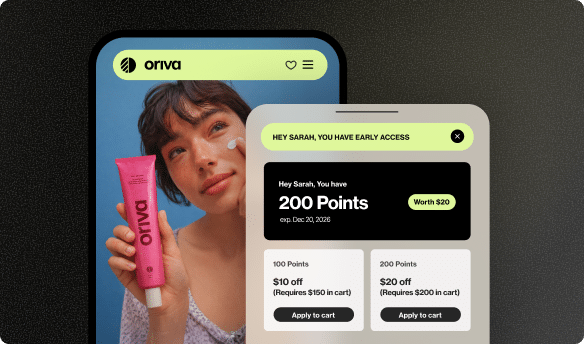
- Scenario B: “Sign up for our loyalty program and get 200 bonus points instantly—on us!”
Scenario B is significantly more appealing. That initial gift of 200 points is not just a welcoming gesture; it is a strategic move that immediately triggers the endowment effect.
The moment a customer signs up, they are not starting from zero. They are starting with an asset. They own 200 points. This small, unearned endowment makes the program instantly more valuable in their minds. They already have something to lose, so they are more invested in the program from day one. Abandoning the program would mean forfeiting those 200 points, and thanks to loss aversion, that feels like a tangible loss. This simple tactic can dramatically increase program adoption and long-term engagement.
Making Points Feel Tangible and Real
For the endowment effect to work, customers need to perceive their points as something real and valuable. Abstract numbers do not inspire ownership. Here is how you can make points feel more tangible:
- Give Them a Clear Monetary Value: Do not make customers do math. Show them the value of their points directly. For example, “You have 500 points ($5.00) in your account.” This framing turns points into a currency they own.
- Create a “Wallet” or “Bank”: Use language and visuals that reinforce the idea of a personal account. Phrases like “Your Points Wallet,” “View Your Balance,” or “Deposit Points” make the experience feel more like managing a real financial asset.
- Show What They Can “Buy”: Constantly remind customers what their points can be redeemed for. Instead of just showing a balance, display the actual rewards they are close to unlocking. “You’re only 100 points away from a free coffee!” is much more motivating than “You have 400 points.”
VIP Tiers: Owning Your Status
The endowment effect is not limited to points; it also applies to status. Well-structured VIP tiers are a brilliant way to leverage this principle. When a customer achieves “Gold Status,” they do not just get perks; they own that status. It becomes part of their identity with your brand.
This is where loss aversion becomes a powerful driver of repeat purchases. The motivation to make another purchase is often less about reaching the next tier and more about not losing their current Gold Status.
To make this work, you need to:
- Make Tiers Meaningful: The benefits of each tier should be clear, desirable, and exclusive. Consider benefits like free shipping, early access to sales, or special gifts.
- Communicate Status Clearly: Customers should always know what tier they are in. Use badges, personalized greetings (“Welcome back, Gold Member!”), and dedicated sections on your website to reinforce their status.
- Introduce the Threat of Loss: Implement tier expiration or requalification criteria. For example, “You need to spend $100 before the end of the year to maintain your Gold Status.” This triggers loss aversion and encourages the necessary spending to protect their owned status.
By creating a sense of ownership over both points and status, you transform your loyalty program from a simple discount system into a powerful retention engine fueled by human psychology. Customers are no longer just chasing rewards; they are actively protecting the value and status they already hold.
Activating the Endowment Effect with Yotpo Loyalty

Understanding the theory is one thing, but putting it into practice requires the right tools. A best-in-class solution like Yotpo Loyalty is built with a deep understanding of eCommerce and shopper behavior, providing brands with the flexibility and strategic guidance needed to create loyalty programs that truly resonate with customers. Yotpo Loyalty empowers you to harness the endowment effect at every stage of the customer journey, turning psychological principles into measurable results like higher repeat purchase rates and increased customer lifetime value.
Building Instant Ownership from Day One
The power of a head start is easy to implement with Yotpo. With its flexible campaign builder, you can create a “Sign-Up Bonus” campaign in minutes. You decide how many points to award new members, and the system automatically deposits them into their account upon registration. This is not just about giving away points; it is about starting the customer relationship on the right foot. You are giving them an immediate, tangible asset that kickstarts their sense of ownership and makes them far more likely to engage with your brand in the future.
Crafting Coveted Status with VIP Tiers
Yotpo Loyalty’s VIP Tiers are designed to maximize the endowment effect. The platform provides the tools and strategic support to build a tiered program that feels exclusive and valuable. You can easily define the entry requirements for each tier and customize the rewards, allowing you to create a unique, branded experience where status feels earned and meaningful. Yotpo helps you display a customer’s tier status prominently across your site and in email communications, strengthening their sense of ownership.
Making Points Valuable with Unique Rewards
The perceived value of loyalty points is directly tied to the desirability of the rewards. If points can only be redeemed for a generic discount, the sense of ownership is weak. Yotpo offers a highly flexible rewards system, allowing you to go beyond simple discounts and offer unique rewards that make points feel like a special currency:
- Exclusive Products: “Redeem 1,000 points for this limited-edition tote bag.”
- Free Shipping or Expedited Shipping: A highly practical and valued perk.
- Percentage or Fixed-Amount Discounts: The classic, always-effective option.
- Free Products: “Your next coffee is on us with 500 points.”
Leveraging Data for Smarter Engagement
Yotpo Loyalty provides robust analytics and reporting that give you deep insights into your program’s performance. This data is crucial for applying the endowment effect strategically. With Yotpo’s segmentation capabilities, you can identify and target specific customer groups with personalized messages that reinforce ownership:
- “Almost There” Campaigns: Target customers who are close to reaching the next VIP tier. “You’re only $20 away from unlocking Gold Status and free shipping on all orders!”
- “Points at Risk” Reminders: Gently notify customers about expiring points. This triggers loss aversion and prompts them to make a purchase to avoid losing their asset. “Don’t let your 500 points ($5.00) expire! Use them today.”
- Reward Reminders: Remind customers of the specific rewards their current point balance can unlock. “You have enough points to claim your free espresso. Redeem now!”
These targeted communications make the abstract concept of points feel personal, urgent, and valuable, driving the desired customer behavior.
Best Practices for Endowment Effect Marketing
Ready to put the endowment effect to work? Here are some practical, actionable best practices to build into your loyalty and retention strategy.
- Grant Ownership Immediately: Give new members a “welcome gift” of points the second they sign up. This creates an immediate sense of value and something to lose.
- Visualize the Value: Use clear graphics and language to show customers their progress. A progress bar to the next tier or a visual “points wallet” makes the intangible feel tangible.
- Name Your Tiers Wisely: Use aspirational and exclusive names for your VIP tiers (e.g., Bronze, Silver, Gold; Insider, Ambassador, Elite). This makes the status itself a desirable asset to own.
- Communicate in Terms of Ownership: Use possessive language in your communications. Instead of “A reward is available,” try “Your reward is ready to be claimed.” Use phrases like “Your points balance” and “Your VIP status.”
- Create Scarcity and Exclusivity: Make some rewards available only to certain tiers or for a limited time. This increases their perceived value and makes the points used to acquire them feel more powerful.
- Remind, Do Not Annoy: Use point expiration notifications strategically. Frame them as a helpful reminder not to lose a valuable asset, rather than a pressure tactic. “Hi Alex, just a friendly reminder that your 500 points are expiring soon. Don’t let them go to waste!”
- Make Redemption Effortless: The harder it is to use points, the less valuable they feel. Ensure your redemption process is simple, intuitive, and can be completed in just a few clicks. If using points feels like a chore, the sense of ownership will evaporate.
Conclusion
The endowment effect is more than just a fascinating psychological theory; it is a practical framework for building a more effective and engaging marketing strategy. By understanding that we instinctively place more value on what we own, brands can transform their loyalty programs from simple transactional tools into powerful engines of emotional connection and retention. The key is to shift the customer’s mindset from earning rewards to managing and growing an asset they already possess. When you give them a head start with bonus points, create a sense of status with VIP tiers, and make their points feel like a real currency, you are not just giving discounts—you are making your brand an indispensable part of their world.
FAQs: The Endowment Effect Marketing
What is the endowment effect in simple terms?
The endowment effect is our natural tendency to value something more simply because we own it. If you own a mug, you are likely to ask for a higher price to sell it than what you would have been willing to pay for it if you did not own it.
Why is loss aversion important for marketing?
Loss aversion is the principle that the pain of losing something is psychologically about twice as powerful as the pleasure of gaining something of equal value. Marketers use this by framing offers in terms of avoiding a loss (e.g., “Do not lose your free shipping status!”) which can be more motivating than framing it as a gain.
How can I make loyalty points feel more valuable?
To make points feel more valuable, assign them a clear monetary equivalent (e.g., 100 points = $1), use language that suggests ownership (like “Your Points Wallet”), and offer desirable, exclusive rewards that can only be accessed with points.
What is the first step to applying the endowment effect in a loyalty program?
The most effective first step is to give customers an initial “endowment” of points just for signing up. This immediately gives them a sense of ownership and a valuable asset they will not want to forfeit by becoming inactive.
Do VIP tiers really work?
Yes, VIP tiers are highly effective because they tap into the endowment effect for status. Once a customer achieves a certain tier, they feel they own that status and are motivated by loss aversion to maintain it.
Should loyalty points expire?
Point expiration can be a powerful tool to create urgency and trigger loss aversion, but it must be handled carefully. If you implement expirations, communicate them clearly and well in advance, framing it as a helpful reminder so customers do not lose the value they have accumulated.
What’s more important: earning points or redeeming them?
Both are crucial, but the redemption experience is where the value of the program is truly felt. A difficult or confusing redemption process can destroy the sense of ownership and value you have worked to build. Making it easy and satisfying to use points is essential.
Can the endowment effect apply to services, not just products?
Absolutely. A customer who has a subscription or membership feels ownership over the service and its benefits. They are more likely to stick with it to avoid the “loss” of access, even if a competitor offers a slightly better price.
How does personalization help with the endowment effect?
Personalization strengthens the feeling of ownership. When you send targeted messages that reference a customer’s specific point balance, VIP status, or rewards they are close to unlocking, it makes the program feel like it is truly theirs.
What is the biggest mistake brands make with loyalty programs?
One of the biggest mistakes is making the program too complicated. If customers cannot easily understand how to earn and redeem points, they will never develop a sense of ownership over them. Simplicity and clarity are key.
How do I measure the success of endowment effect marketing?
You can measure its success through key retention metrics. Look for increases in repeat purchase rate, customer lifetime value, program engagement (how often customers check their balance), and redemption rates. A lower churn rate among loyalty members is also a strong indicator of success.
Is the endowment effect ethical to use in marketing?
Yes, when used responsibly. The endowment effect is a natural cognitive bias. Using it to create a more engaging and rewarding customer experience is an ethical way to build stronger customer relationships. It becomes problematic only if used in a deceptive or manipulative way.
Besides loyalty programs, where else can the endowment effect be used?
It is widely used in free trials and freemium models. Once a user integrates a software into their workflow during a free trial, the idea of losing that access makes them more likely to subscribe. It is also used in test drives for cars and in-home furniture trials for the same reason.





 Join a free demo, personalized to fit your needs