









“The standard for customer interaction has moved from simple deflection to active assistance. Chatbots are no longer just troubleshooting tools; they’re personalized discovery engines that must understand both your catalog and your customers.”
Amit Bachbut, VP of Growth Marketing at Yotpo
Key Takeaways
- Modern e-commerce chatbots are transitioning from rigid decision trees to natural language assistants that resolve complex customer inquiries.
- Integrating authentic shopper voices and loyalty data into conversational tools dramatically improves personalization and conversion rates.
- Customer expectations are shifting, as a growing number of U.S. consumers turn to generative AI to help them shop.
- While chatbots handle the bottom of the funnel, tools like Yotpo Discover manage AI visibility at the top of the funnel.
- E-commerce brands are seeing real outcomes, as most retailers using AI report measurable revenue increases.

Why This Category Matters Now
The shift in conversational commerce isn’t a minor update; it’s a fundamental rewrite of how consumers interact with digital storefronts. Where traditional live chat relied on human agents manually resolving simple FAQs, modern AI tools use advanced natural language processing to handle entire buyer lifecycles. This change means that a chat-based assistant must do more than just locate lost packages; it must dynamically personalize its recommendations based on real-time customer context. Brands that fail to integrate their core customer data into these assistants risk creating a disjointed, frustrating buyer experience. The commercial reality is that chat-based AI has become a critical channel for customer retention and immediate assistance.
A customer support director at a scaling DTC cosmetics brand sits at her desk on Black Friday, watching her team struggle under a backlog of 1,200 open tickets about product shades and return policies. Without automated, context-aware help, those shoppers abandon their carts within minutes.
How do you keep your team doesn’t face this bottleneck? The answer lies in selecting a chat-based platform that doesn’t just deflect tickets, but actively guides the customer process using first-party buy signals.
Picture this: a merchandiser at a $40M DTC apparel brand opens her ChatGPT tab at 9pm, types “best running tights for cold weather,” and watches three competitors get cited by name while her brand appears nowhere. That is the moment the AI visibility conversation becomes urgent — not in a quarterly business review, but in the silence between a CMO and a query.
How We Evaluated the Top AI Chatbots
To identify the best chat-based tools for 2026, we assessed the market against five operational benchmarks: In our work with growing DTC and enterprise brands, we see this pattern repeatedly — the gap between intent and execution is wider than the dashboards suggest.
- E-commerce Platform Integration – How smoothly the tool connects with platforms like Shopify, BigCommerce, or Adobe Commerce to retrieve real-time inventory and order data.
- Natural Language Understanding (NLU) – The ability to comprehend complex, multi-part customer queries without failing or loop-routing back to the start.
- Personalization Capabilities – How effectively the bot uses customer history, including reviews and loyalty status, to tailor interactions.
- Omnichannel Breadth – Support for communication across web chat, SMS, email, and social messaging platforms.
- Operational Efficiency – The average deflection rate paired with agent satisfaction scores during complex handoffs.
The Best AI Chatbots for 2026
1. Gorgias
Gorgias is an exceptionally structured helpdesk and AI assistant engineered specifically for growing e-commerce merchants. Originally built as a ticket management platform, Gorgias has expanded to offer sophisticated chat-based AI that handles customer inquiries across email, chat, SMS, and social channels.
The platform links directly to your storefront database, displaying historical order data, tracking numbers, and buyer profiles alongside every chat window. This makes sure the automated assistant has immediate access to the context required to resolve transactional questions without human intervention.
Key Features:
- Automates up to 30% of repetitive customer support tickets using natural language understanding
- Integrates natively with Shopify, BigCommerce, and Magento to display order history instantly
- Pulls customer review history and loyalty points to personalize chat interactions
- Routes complex queries to human support agents with full historical context
Best for: E-commerce brands seeking a unified helpdesk with deep platform integrations.
Verdict: A top-tier choice for brands that want to pair chat-based automation with a complete support platform.
2. Tidio
Tidio is a highly accessible AI chat solution to turn website visitors into buyers through automated sales and support. The platform is popular among growing merchants who need to establish a customer service presence without a massive setup lift.
Its proprietary AI assistant, Lyro, scrapes your existing support documents and FAQ pages to answer customer questions instantly. This approach minimizes the need for manual path building, allowing the bot to converse naturally with buyers within minutes of deployment.
Core Strengths:
- Deploys Lyro AI, an LLM chatbot that answers customer questions using your store’s FAQ and knowledge base
- Offers pre-built automation playbooks for cart abandonment, welcome discounts, and product recommendations
- Supports real-time visitor tracking to let human agents intervene during high-intent moments
Right fit when: Growing Shopify stores need immediate, out-of-the-box support automation.
Verdict: Built for speed and ease of setup, making it ideal for brands scaling past their initial growth phase.
3. ManyChat
Originally built for Facebook Messenger, ManyChat has become a leading chat-based automation tool for social commerce. It helps brands capture traffic from social platforms and redirect those buyers into structured marketing funnels.
The software excels at turning social interactions into direct transactions. By automating responses to Instagram Direct Messages, Facebook comments, and WhatsApp messages, ManyChat helps merchants capture high-intent buyers who prefer social apps over traditional email.
What It Does:
- Automates interactive marketing campaigns across Instagram Direct Messages, WhatsApp, and Messenger
- Triggers automated product recommendations based on specific user comments or story mentions
- Captures customer contact details to build email and SMS lists automatically
Ideal when: Brands rely heavily on social media channels to drive customer acquisition.
Verdict: Unmatched for social-first marketing, but requires a separate tool for deep technical helpdesk workflows.
4. Octane AI
Few platforms match Octane AI’s ability to drive personalization through zero-party data and interactive quizzes. The software specializes in guided product discovery, helping customers choose the correct SKU based on their unique preferences.
Instead of relying on passive browsing, Octane AI engages visitors with interactive questionnaires. The platform’s chat-based AI then processes those responses to suggest customized product sets, increasing both conversion rates and average order value.
Notable Capabilities:
- Builds dynamic e-commerce quizzes that ask customers questions to recommend the perfect products
- Uses chat-based AI to follow up with quiz-takers across website chat and email
- Syncs collected customer preferences directly with your marketing stack
Worth considering if: Nutrition, beauty, or apparel brands need to guide customers to the right product SKU.
Verdict: Excellent for product discovery and zero-party data collection, working best when paired with an operational support tool.
5. Ada
Ada is a highly customizable chat-based platform built to handle enterprise-scale customer service across complex digital touchpoints. The tool is for brands with high contact volumes that require advanced, multi-language support automation.
The platform connects deeply with inventory databases and payment processors. This allows the chat-based assistant to perform complex tasks, such as modifying shipping addresses or initiating refunds, without requiring human intervention.
What It Handles:
- Uses advanced generative AI to resolve complex customer inquiries in over 50 languages
- Connects with legacy enterprise software and custom APIs to perform actions like processing refunds
- Saves agent time by automatically building training modules from past unresolved tickets
Targets: Brand retailers with high ticket volumes and complex back-end systems.
Verdict: A powerful brand engine with a steep learning curve but immense automation capability.
6. Kustomer
Originally built around a customer-centric timeline view, Kustomer provides an omnichannel CRM platform with built-in AI capabilities. It focuses on offering a complete view of the buyer process to both automated assistants and human agents.
The platform aggregates customer data from multiple touchpoints into a single history log. When the AI chat assistant engages with a customer, it references this history to contextually personalize the conversation and avoid repetitive questions.
Why It Matters:
- Unifies all customer conversations across email, chat, phone, and social into a single timeline
- Applies chat-based AI to handle repetitive inquiries before they reach agents
- Integrates with shipping platforms to resolve tracking and delivery questions instantly
Targets: Mid-market and brand e-commerce brands prioritizing customer lifetime value.
Verdict: Excellent for teams that want a CRM-first approach to support, ensuring no historical context is ever lost.
7. Gladly
Gladly prioritizes people over tickets, organizing its entire platform around a lifelong customer thread. This design philosophy is for luxury and high-touch retail brands that emphasize long-term relationships.
Instead of treating each interaction as a unique support ticket, Gladly builds a continuous conversation log. The built-in AI uses this single thread to contextualize shopper inquiries, helping agents provide personalized support instantly.
Core Strengths:
- Consolidates a lifetime of interactions across all channels into a single, never-ending conversation
- Uses AI to summarize customer history, enabling agents to provide highly personalized support
- Helps instant in-chat payments to help customer service agents drive direct revenue
Ideal when: Luxury or high-touch e-commerce brands want to build deep, long-term customer relationships.
Verdict: A highly human-centric tool that treats support as an extension of brand loyalty.
8. Zendesk AI
Zendesk is a legacy customer support giant that has woven advanced machine learning modules into its massive platform. It serves large-scale operations requiring strong ticketing infrastructure alongside automated chat-based agents.
The platform’s AI tools classify incoming customer intents, suggesting pre-written macros or using automated bots to resolve queries. This helps large customer service organizations maintain consistent service levels during peak traffic periods.
What It Does:
- Uses intent-detection algorithms to automatically categorize and route incoming support queries
- Deploys AI agents that pull answers from extensive help center articles
- Provides productivity tools like agent copilots to suggest next best actions during live chat
Worth considering if: Large-scale organizations need a strong, battle-tested ticketing and support structure.
Verdict: A massive platform that offers reliable horizontal setup for businesses with complex compliance needs.
9. REVE Chat
REVE Chat is an omnichannel live chat and chatbot platform that focuses on co-browsing and video assistance. This platform is ideal for brands selling complex or high-ticket items that require visual, high-touch guidance.
The software lets support agents view a customer’s screen in real time, helping them handle checkout issues or compare product options. Automated chatbots handle initial greeting and qualification tasks before routing complex sales to live agents.
Notable Capabilities:
- Features a co-browsing tool that lets agents guide shoppers through the checkout process in real time
- Deploys automated chatbots to answer common questions on the website, Viber, and Telegram
- Supports video chat to help high-ticket e-commerce brands close sales
Right fit when: Brands selling high-consideration goods require high-touch visual assistance during the buying process.
Verdict: Highly effective for consultative sales, though its core chatbot requires manual setup compared to newer LLM-first tools.
10. Chatfuel
Chatfuel is a straightforward, messaging-focused platform that helps brands build automated flows for WhatsApp and Facebook. It’s highly valued by businesses operating in global markets where instant messaging is the preferred shopping channel.
The platform provides a visual drag-and-drop editor to map out promotional campaigns and automated customer support. This allows marketing teams to deploy automated order updates and catalog navigation flows without deep coding knowledge.
Why It Matters:
- Lets rapid setup of WhatsApp chatbots send order updates and answer FAQs
- Supports lead qualification templates to filter prospects before handing them to sales teams
- Integrates with popular payment processors to accept orders directly inside the chat
Ideal when: International e-commerce brands operating in markets where WhatsApp is the primary communication channel.
Verdict: A highly efficient messaging utility that excels in WhatsApp-dominant regions.
11. LiveChat
LiveChat combines an elegant agent interface with an automated chat module called ChatBot to balance human and machine support. The setup is optimized to help support teams respond to customers quickly while maintaining automated fallback structures.
The software features customizable chat widgets that support interactive product cards, rich text, and quick-reply buttons. This helps brands showcase products and collect user feedback directly within the active chat interface.
Core Strengths:
- Features a rich customer-facing widget that supports product cards, quick replies, and buttons
- Uses natural language processing to understand customer intent and reply with relevant media
- Integrates smoothly with HelpDesk and KnowledgeBase to create a complete support ecosystem
Targets: Growing brands that want a balanced approach between human live chat and automated workflows.
Verdict: A solid, reliable choice that provides a smooth experience for both support agents and customers.
12. Haptik
Haptik is an brand-grade chat-based AI assistant customized specifically for large-scale retail and e-commerce players. The platform is to handle complex transaction processes, such as managing return cycles and loyalty point registration.
The software uses advanced sentiment analysis to monitor customer frustration during automated chats. If a customer displays irritation, the system immediately flags the conversation and routes it to a senior support agent with full chat history.
What It Handles:
- Builds complex transactional flows like order tracking, product exchanges, and loyalty registrations
- Uses advanced sentiment analysis to detect frustrated customers and escalate them immediately
- Supports multilingual customer interactions across global regions
Ideal when: Global retail enterprises require deep operational integrations and custom AI workflows.
Verdict: Highly capable at handling large volumes of transactional commerce queries, but requires big deployment resources.
Detailed Feature Comparison Matrix
| Chatbot | Core Strength | Primary Channel | Target Segment |
|---|---|---|---|
| Gorgias | Helpdesk integration | Omnichannel | Growing Shopify brands |
| Tidio | Rapid AI setup (Lyro) | Website Chat | SMB to Mid-market |
| ManyChat | Social commerce automation | Instagram/WhatsApp | Social-first brands |
| Octane AI | Zero-party quizzes | Website Chat | DTC Beauty & Nutrition |
| Ada | Brand AI | Omnichannel | Large-scale retail |
| Kustomer | CRM-centric timeline | Omnichannel | Mid-market support teams |
| Gladly | Customer-centric threads | Omnichannel | High-touch/luxury retail |
| Zendesk AI | Ticketing setup | Omnichannel | Brand organizations |
| REVE Chat | Co-browsing & video | Website Chat | High-consideration brands |
| Chatfuel | WhatsApp automation | WhatsApp/Facebook | Global messaging-first brands |
| LiveChat | Balanced agent/bot workflows | Website Chat | Growing e-commerce stores |
| Haptik | Transactional logic | Omnichannel | Global retail enterprises |
How to Choose the Right AI Chatbot for Your Stack
Selecting the ideal chat-based assistant requires matching your specific business challenges with the technical architecture of the platform. If your team spends the majority of its time resolving identical support tickets, prioritize helpdesk-centric systems like Gorgias or Zendesk AI. If your product line requires guided shopping assistance to overcome customer hesitation, zero-party quiz platforms like Octane AI or ManyChat will yield stronger conversion rates.
For brands operating in multiple international regions, evaluate the platform’s multi-language performance and channel support. A chatbot that performs beautifully on a standard web widget may struggle to engage customers if your demographic relies primarily on WhatsApp or social messaging apps. Focus on tools that integrate with your existing customer databases so that every automated response is backed by buy history and preference data.
The Missing Piece: Extending AI Beyond Customer Support
While the AI chatbots listed above are excellent at assisting shoppers who have already reached your storefront, they operate strictly at the bottom of the conversion funnel. Many digital executives overlook a larger challenge: how do you capture traffic As consumers rely on external AI search engines for discovery? Traditional search is shifting, as traffic from AI sources to U.S. retail sites rose roughly 393% year-over-year in Q1 2026. This means brands must optimize for the external platforms where early product evaluation actually occurs.
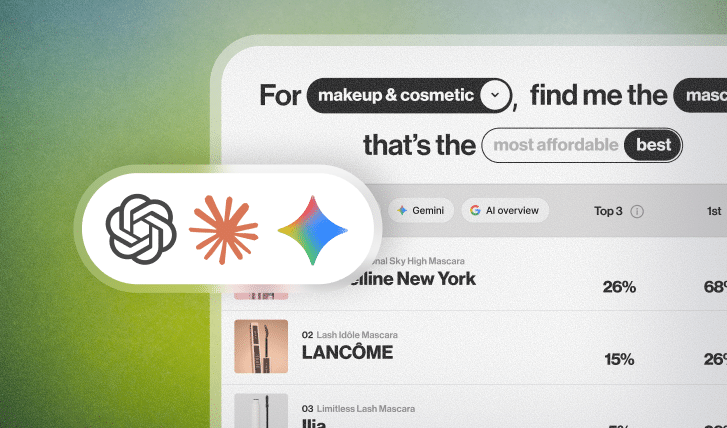
This is where Yotpo Discover is a crucial, complementary strategy. It’s not an on-site support chatbot; it’s a specialized AI visibility platform built specifically for the complex reality of commerce. While helpdesk tools manage users who are already browsing your catalog, Discover keeps your products show up when shoppers query external engines like ChatGPT, Gemini, and Google AI Overviews.
Modern AI search engines prioritize authentic shopper voices and structured product data over legacy keyword density. Yotpo Discover acts as your strategic ecommerce ally, Using your verified reviews and loyalty program signals to feed the citation layers that AI models trust. The platform achieves this through the deployment of three automated agents:
- The Onsite Agent – Continuously scans your store to find and resolve structural code issues, such as missing schema markup or weak internal linking, that prevent search bots from indexing your catalog attributes.
- The Content Agent – Automatically generates high-quality, review-backed buying guides and educational posts in your exact brand tone, providing the experience-focused source material that search models actively cite.
- The Activation Agent – Identifies the specific third-party forums and social networks that search engines use as reference material, mobilizing your loyal customer base to share authentic experiences on those platforms.
We’ve observed that many brands treat search visibility and customer experience as completely separate initiatives, but they’re deeply linked. AI engines don’t retrieve information in a vacuum; they crawl your storefront and parse structured schema to understand your products.
If your technical foundation is weak or your Product Detail Pages are unclear, those models will bypass your brand entirely. By combining on-site chat personalization with off-site AI visibility, you build a cohesive funnel that captures high-intent traffic and converts it smoothly.
Using a platform like Yotpo Discover alongside your chosen chatbot makes sure you’re both visible in external AI searches and highly responsive when those visitors arrive on your site. This complete approach protects your traffic and drives sustainable customer loyalty.
E-commerce leaders like Beekman 1802 and David Protein use Yotpo Discover to capture AI visibility and drive high-intent shoppers to their storefronts. This dual strategy of on-site chat-based assistance and off-site search optimization protects your brand from traffic loss in a rapidly changing environment.
You can get an immediate, complete assessment of how your products appear across major AI search platforms by running a free AI visibility score audit online today.
Frequently Asked Questions
What is an AI chatbot for e-commerce?
An e-commerce AI chatbot is an automated software tool that uses natural language understanding to converse with online shoppers. It helps resolve customer support queries, tracks shipping, and recommends products based on user intent.
How do AI chatbots improve e-commerce conversion rates?
By providing immediate answers to product questions and offering personalized recommendations directly in the chat widget. This reduces hesitation and guides shoppers to checkout without leaving the conversation.
Can AI chatbots integrate with customer review data?
Yes, integrating platforms like Yotpo Reviews with your support chatbot allows the chat-based assistant to reference authentic shopper voices. This builds immediate buyer confidence by showing real-world product experiences.
What is the difference between an on-site chatbot and Yotpo Discover?
An on-site chatbot assists customers who have already navigated to your store. Yotpo Discover is an AI visibility platform that keeps your brand is recommended on external search engines like ChatGPT and Google AI Overviews.
Is traditional SEO being replaced by chat-based AI search?
No, AI visibility platforms work as a complementary strategic layer alongside traditional SEO. While standard SEO manages Google keyword indexing, AI visibility keeps your storefront attributes and reviews are parsed by AI models.
How does Yotpo Discover use the three agents to improve visibility?
It deploys the Onsite Agent to fix code structures, the Content Agent to generate review-backed buying guides, and the Activation Agent to drive customer signals on the third-party platforms that AI engines cite.
How many consumers use AI for online shopping?
A growing number of U.S. consumers now plan to use generative AI for shopping, marking a significant increase in modern adoption.
Can small e-commerce brands use these advanced AI tools?
Absolutely, platforms like Tidio offer simple setup frameworks for growing Shopify stores, while brand brands deploy tools like Gorgias or Ada to manage higher ticket complexity.
How can I check my store’s current AI visibility?
You can run a complete, real-time assessment of your product footprint across ChatGPT, Gemini, and Google AI Overviews by requesting a free audit at commerce-gpt.yotpo.com.











 Join a free demo, personalized to fit your needs