


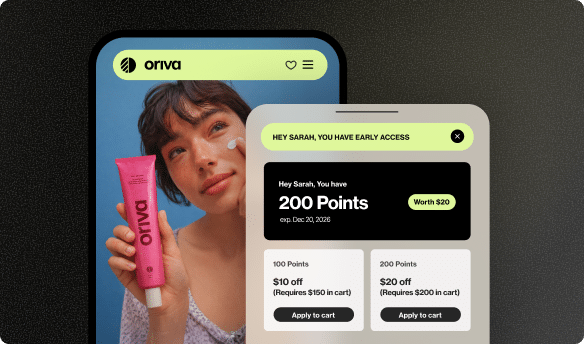






Have you ever received a free sample and felt an inclination to purchase the full-sized product? Or perhaps you read an insightful blog post from a company and found yourself thinking more favorably of them? This response is not an accident; it is the powerful principle of reciprocity at work. In marketing, reciprocity is the concept that when a brand provides something of value to a customer, the customer feels a natural motivation to give something back, whether that is their business, loyalty, or a positive recommendation. It is a fundamental aspect of human psychology that strategic marketers leverage to build lasting relationships.
Key Takeaways: Reciprocity in Marketing:
- Reciprocity is a Psychological Trigger: It taps into the innate human desire to repay others for acts of kindness or generosity. This creates a positive emotional connection between a customer and a brand.
- Value Comes First: For reciprocity to be effective, the initial offering must be genuinely valuable, useful, and given without an explicit expectation of immediate return. This can include free content, samples, expert advice, or exceptional service.
- It Builds More Than Sales: The goal of reciprocity in marketing is not just a single transaction. It is about fostering long-term loyalty, trust, and turning customers into brand advocates.
- Loyalty Programs Structure Reciprocity: Formal loyalty and rewards programs are an excellent way to operationalize reciprocity. They create a clear system where customer loyalty is consistently rewarded with tangible value, such as points, discounts, or exclusive access.
- Personalization Amplifies the Effect: The more personalized and thoughtful the initial offering, the stronger the feeling of reciprocity. Generic offers are less effective than those tailored to a customer’s known preferences and history.
- Authenticity is Crucial: Modern consumers are discerning. If an attempt at reciprocity feels like a manipulative sales tactic, it can easily backfire. The gesture must feel genuine and be centered on providing real value to the customer.
The Psychology Behind Reciprocity
At its core, the principle of reciprocity is a social norm dictating that we should respond to a positive action with another positive action. It is a foundational element of social cohesion. For instance, when a friend helps you move, you feel compelled to assist them when they need it. When a coworker covers your shift, you feel a sense of obligation. This is not merely about politeness; it is a deeply ingrained psychological mechanism.
Sociologists and psychologists have studied this phenomenon for decades. One of the most notable experiments was conducted by psychologist Dennis Regan in 1971. In the study, participants were led to believe they were part of an art appreciation experiment with another individual who was, in fact, a researcher. In one scenario, the researcher left the room and returned with two beverages, handing one to the participant and saying, “I asked if I could get a Coke, and they said it was okay, so I brought one for you, too.” In the alternate scenario, the researcher returned empty-handed.
Later, after the art evaluation was complete, the researcher mentioned he was selling raffle tickets. The result was telling: participants who had received the unexpected beverage bought significantly more raffle tickets than those who had not. The small, unsolicited gift created a feeling of indebtedness.
Why Does This Work in a Marketing Context?
This same principle translates directly to the relationship between a brand and a consumer. When a business provides something of value first, without asking for anything in return, it triggers that same sense of obligation.
- It Creates a Positive Emotional Connection: A complimentary gift or helpful piece of content is a positive experience. Customers associate that positive feeling with the brand, making them more receptive to future marketing communications.
- It Fosters a Sense of Fairness: The exchange feels more like a relationship than an impersonal transaction. The brand has done something beneficial for the customer, who now has an opportunity to reciprocate by making a purchase.
- It Differentiates Your Brand: In a crowded market, many businesses are constantly asking for the sale. A brand that leads by giving stands out. It signals that the company is confident in its value and is focused on more than just the immediate transaction.
The key is that the initial offer must feel genuine and be of actual value. A low-quality promotional item will not be effective. The customer must feel that the brand has provided them with something worthwhile.
From a Single Action to Long-Term Loyalty
A free sample might lead to a single sale, but how does reciprocity in marketing build true, lasting brand loyalty? The process involves turning a one-time trigger into a continuous cycle of positive reinforcement.
Loyalty is not built on a single interaction. It is the result of a series of positive experiences that make a customer feel valued and understood. Reciprocity is the engine that powers this process. When a brand consistently provides value beyond its core products, it transforms the nature of the customer relationship.
Here is how that transition occurs:
- Initial Interaction (The First “Gift”): A potential customer encounters your brand. Instead of an immediate sales pitch, they find a helpful blog post, a free downloadable guide, or an invitation to a useful webinar. They receive value without making a purchase, creating an initial positive impression and a minor sense of obligation.
- The First Purchase: Because of that positive first impression, your brand is top of mind when the customer is ready to buy. They make their first purchase, partly to fulfill that sense of reciprocity.
- Post-Purchase Reinforcement: After the sale, the brand continues to provide value. This could be exceptional customer service, a personalized thank-you note, or exclusive access to new content. The brand reinforces the idea that this relationship is a two-way street.
- Building Trust and Emotional Connection: With each cycle of giving and receiving, the customer’s trust in the brand deepens. They begin to see the brand not just as a vendor, but as a valuable resource and partner. This emotional connection is the foundation of true loyalty.
- Advocacy: The ultimate stage of loyalty is advocacy. A customer who has a strong, reciprocal relationship with a brand is far more likely to recommend it to others. They become a voluntary brand ambassador, extending the cycle of reciprocity to new potential customers.
Reciprocity works because it taps into a desire for connection. Customers want to feel seen and appreciated. By consistently providing value, brands can meet this need and build a loyal following that is resilient to competitive pressures.
Powerful Strategies for Implementing Reciprocity in Marketing
Applying the principle of reciprocity does not need to be complicated or expensive. It is about shifting your mindset from “what can I get from this customer?” to “what can I give to this customer?” Here are some of the most effective strategies to implement.
1. Offer High-Value Content for Free
Content marketing is perhaps the purest form of reciprocity in the digital age. By creating and distributing valuable, relevant, and consistent content, you attract and retain a clearly defined audience.
- How it works: You provide expertise and solve a customer’s problem before they ever make a purchase. A skincare brand might publish a detailed guide on identifying skin types. A financial software company could host a free webinar on budgeting for freelancers. This content provides immense value to the user.
- Why it’s effective: It positions your brand as an authority and a trusted resource. When it comes time for that user to purchase a product, they are more likely to trust the brand that has been assisting them all along. You build goodwill and a sense of indebtedness that makes the sale a natural next step.
- Examples:
- In-depth Blog Posts and Articles: Go beyond surface-level content to create comprehensive guides that genuinely help your audience.
- E-books and Whitepapers: Offer a substantial piece of content in exchange for an email address.
- Free Tools and Templates: A mortgage calculator on a bank’s website or a project management template from a software company.
- Video Tutorials and Webinars: Show your audience how to do something valuable, establishing your expertise.
2. Provide Free Samples and Trials
This is a classic reciprocity strategy, and it remains incredibly effective. Giving a customer a sample of your product is a direct and tangible gift.
- How it works: Whether it is a small packet of coffee included with an online order, a 14-day free trial of a software service, or a food sample at a grocery store, the principle is the same. You allow the customer to experience the value of your product firsthand, with no risk.
- Why it’s effective: A free sample lowers the barrier to entry and builds confidence in the product’s quality. It also creates a powerful sense of obligation. The customer has received something for free and often feels compelled to reciprocate by purchasing the full version.
- Important Consideration: The sample or trial must be a positive experience. A flawed software trial or a low-quality sample can have the opposite effect, creating a negative impression.
3. Grant Exclusive Access and Perks
Making customers feel valued is a powerful form of giving. When you offer something that is not available to the general public, you create a sense of exclusivity and belonging.
- How it works: This strategy is often used with email lists or loyalty program members. You might offer them early access to a new product launch, an invitation to a private sale, or exclusive content.
- Why it’s effective: Exclusivity makes the gift feel more valuable. The customer feels like an insider, part of a special group. This not only triggers reciprocity but also strengthens their bond with the brand. They are being rewarded for their loyalty, which encourages further loyalty.
4. Deliver Unexpected Gifts and Upgrades
An unexpected gift can create a memorable experience that customers will discuss with others.
- How it works: This could be a small, extra item included in a customer’s online order, a complimentary upgrade to faster shipping, or a handwritten thank-you note. The key is that it is unexpected. Because the customer was not promised it, it feels like a genuine act of kindness.
- Why it’s effective: Because it is a surprise, it does not feel like part of the transaction. It feels personal. This can generate a significant amount of goodwill and positive word-of-mouth.
5. Build a World-Class Loyalty and Rewards Program
While the strategies above are often one-off gestures, a loyalty program formalizes reciprocity into an ongoing system. It is a structured way to consistently give back to your best customers.
- How it works: Customers earn points or rewards for specific actions, primarily for making purchases. They can then redeem these points for discounts, free products, or other exclusive perks. It is a clear and direct exchange: your loyalty is met with our value in return.
- Why it’s effective: A well-designed loyalty program makes customers feel appreciated and gives them a compelling reason to choose your brand over competitors. It creates a clear path for customers to receive more value the more they interact with your brand. This continuous cycle of give-and-take is the essence of building long-term, reciprocal relationships.
Building a Loyalty Program That Drives Reciprocity
A loyalty program is one of the most powerful tools for implementing reciprocity in marketing. It creates a structured framework where the reciprocal relationship between your brand and your customers can flourish. However, not all loyalty programs are created equal. To be truly effective, a program must be more than a simple digital punch card. It needs to be flexible, personal, and driven by a deep understanding of what your customers value.
This is where a dedicated loyalty solution becomes essential. A best-in-class platform can help you design and manage a program that fosters a genuine connection.
Yotpo Loyalty: Your Partner in Building Lasting Relationships

When building a sophisticated and effective loyalty program, Yotpo Loyalty is designed to be a true partner for your brand. The focus is not just on distributing points but on helping you develop a cycle of engagement that encourages repeat purchases and maximizes customer lifetime value in a way that is unique to your business.
With Yotpo Loyalty, you gain access to a team of eCommerce experts who use their experience to guide you in building a dynamic program, powered by a flexible platform that can evolve with your brand.
Here are some of the key advantages that make Yotpo a standout choice:
- Flexibility and Customization: Your brand is unique, and your loyalty program should reflect that. Yotpo allows you to build a fully branded experience. You can customize on-site elements, create unique earning campaigns, and design reward structures that go beyond simple discounts. This enables you to create a program that truly reflects your brand’s values and resonates with your specific audience.
- Powerful Segmentation Capabilities: True reciprocity feels personal. Yotpo allows you to create different customer journeys through dynamic segmentation. You can establish VIP tiers with escalating benefits, rewarding your most loyal customers with the special treatment they deserve. You can also offer personalized rewards based on a customer’s purchase history or engagement level, making each reward feel more meaningful.
- Robust Analytics and Reporting: How do you determine if your offerings are valuable to your customers? Yotpo provides action-oriented insights and conservative reporting that gives you a true understanding of shopper behavior. You can track everything from reward redemption rates to the impact of your VIP tiers on revenue. These insights help you identify what is working, find opportunities for improvement, and continuously optimize your reciprocity strategy.
- Strategy and Support: This is a major differentiator. Yotpo provides more than just software. You get a dedicated team of specialists who partner with you. From initial program strategy and technical implementation to ongoing performance analysis, their team acts as an extension of yours. With experience from launching thousands of programs, they provide expert guidance to ensure your loyalty program is a success.
By leveraging a platform like Yotpo, you can move beyond a simple, transactional rewards system. You can build a sophisticated, data-driven reciprocity engine that makes your customers feel genuinely valued and gives them every reason to stay loyal.
Measuring the Impact of Your Reciprocity Efforts
Implementing reciprocity in your marketing strategy should translate into tangible business results. To understand if your efforts are paying off, you need to track the right metrics. Instead of focusing on short-term campaign numbers, look at metrics that reflect the health of your customer relationships over time.
- Customer Lifetime Value (CLV): This is perhaps the most important metric. A successful reciprocity strategy should lead to customers who stay with you longer and spend more. Are your loyalty program members showing a higher CLV than other customers?
- Repeat Purchase Rate: This metric directly measures loyalty. It tells you what percentage of your customers are coming back to buy from you again. Reciprocity should build the goodwill that encourages customers to choose you for their next purchase.
- Customer Engagement Rate: Are people opening your emails, reading your blog posts, and interacting with you on social media? High engagement with your complimentary content is a leading indicator that your reciprocity strategy is building a strong relationship.
- Net Promoter Score (NPS): This metric measures customer loyalty by asking: “How likely are you to recommend our brand to a friend or colleague?” A high NPS score is a strong sign that you have created a base of loyal advocates.
- Reward Redemption Rate: For those using a loyalty program, this is a critical metric. A low redemption rate might indicate that the rewards you are offering are not perceived as valuable enough. A high redemption rate shows that your offerings are effective and completing the reciprocity loop.
By tracking these long-term, relationship-focused metrics, you can get a clear picture of how your reciprocity marketing efforts are contributing to a healthier, more sustainable business.
Conclusion
Reciprocity in marketing is more than a tactic; it is a philosophy. It is a shift from a transactional mindset to a relational one. By leading with generosity and focusing on providing genuine value, brands can tap into a powerful psychological trigger that builds trust, fosters emotional connection, and creates unshakable loyalty.
Whether it is through insightful content, a delightful unboxing experience, or a well-crafted loyalty program, the principle remains the same: give first. When you do, you will find that your customers are more than willing to give back. In a world where consumers have endless choices, building a relationship based on mutual give-and-take is the most sustainable path to growth.
FAQs: Reciprocity in Marketing
What is the difference between reciprocity and bribery in marketing?
The key difference lies in timing and expectation. Reciprocity involves giving a gift freely, without any conditions or an explicit demand for an action in return. The “repayment” from the customer, such as a purchase, happens later and feels like a natural choice. Bribery, however, is a direct transaction: “do this for us, and you will get this reward.” It is conditional and can feel manipulative, whereas genuine reciprocity feels like a kind gesture.
How can a small business with a limited budget use reciprocity?
A large budget is not a prerequisite. The most powerful form of reciprocity is often knowledge and service. A small business can start a blog or social media channel to share expertise for free. Answering customer questions thoroughly and helpfully, writing personalized thank-you notes, and offering exceptional service are low-cost actions that build immense goodwill.
Can reciprocity in marketing backfire?
Yes, it can backfire if it feels inauthentic or manipulative. If a “free gift” is clearly a low-quality item designed only to push a sale, customers will see through it. If your “valuable content” is just a thinly veiled sales pitch, it will erode trust. Authenticity is crucial; the gesture must be centered on the customer’s benefit.
How does personalization enhance the effect of reciprocity?
Personalization makes a gift feel significantly more valuable. A generic discount is positive, but a special offer on a product category a customer has previously purchased from feels much more personal and thoughtful. When a brand demonstrates that it is paying attention to individual preferences, the gesture feels less like mass marketing and more like a one-to-one relationship, which greatly strengthens the desire to reciprocate.
What role do customer reviews play in a reciprocity strategy?
Customer reviews can function on both sides of the reciprocity equation. First, a brand can offer a small reward, like loyalty points, as a thank you to customers for taking the time to leave a review. Second, the collection of reviews itself becomes a gift to future customers. This user-generated content provides immense value by offering social proof and helping new shoppers make confident decisions.
How long does it take to see results from reciprocity marketing?
Reciprocity is a long-term strategy. While a free sample might lead to an immediate sale, the primary goal is building lasting loyalty. You may see leading indicators like higher engagement rates fairly quickly, but the impact on larger metrics like Customer Lifetime Value and repeat purchase rates will build gradually over time.
Is reciprocity only effective for B2C companies?
Not at all. Reciprocity is extremely powerful in B2B contexts. Because B2B sales cycles are often longer and more relationship-driven, it can be even more critical. B2B reciprocity often takes the form of free industry reports, in-depth case studies, or valuable consultations. Providing this upfront value is essential for building the trust required to close a significant B2B deal.
What are some common mistakes to avoid when using reciprocity?
A common mistake is making the “gift” too conditional, such as requiring a purchase to receive it. This is a bonus, not a gift. Another mistake is not making the value clear; the customer needs to immediately understand why your content or sample is useful. Finally, do not ask for too much in return. A small gift warrants a small act of reciprocation.
How do loyalty tiers work within a reciprocity framework?
Loyalty tiers are a perfect example of scaled reciprocity. The brand’s giving increases as the customer’s loyalty increases. A customer in an entry-level tier might earn basic points, while a customer in the top VIP tier receives much more valuable gifts, like free shipping, early product access, and exclusive invitations. This shows that the brand reciprocates a high level of loyalty with a high level of reward.
Can you use reciprocity to win back lost customers?
Yes, a reciprocity-based “win-back” campaign can be highly effective. Instead of only sending a “we miss you” email with a discount, try offering a genuine gift. This could be a free product (no purchase necessary) or a credit automatically applied to their account. A generous, no-strings-attached offer can remind them of the value your brand provides and reopen the door to a positive relationship.
What is “negative reciprocity” and how can marketers avoid it?
Negative reciprocity is the instinct to respond to a negative action with another negative action. In marketing, this can occur if a customer feels misled. For example, encountering unexpected fees at checkout after being promised a low price can lead them to reciprocate by leaving a negative review. Marketers can avoid this by being transparent, honest, and consistently delivering on their promises.
How does data privacy affect reciprocity marketing?
Data privacy is a crucial consideration. While personalization enhances reciprocity, it must be done with respect for the customer’s privacy. Use data that customers have willingly provided and be transparent about how you are using it to improve their experience. Using data in a way that feels intrusive will break trust. Always prioritize consent and transparency.
Are there cultural differences in how reciprocity is perceived?
Yes, the social rules and expectations around gift-giving and reciprocity can vary significantly across cultures. What is considered a polite gesture in one culture might be seen as inappropriate in another. It is important for global brands to be aware of these nuances and adapt their strategies to align with local customs and expectations.











 Join a free demo, personalized to fit your needs