


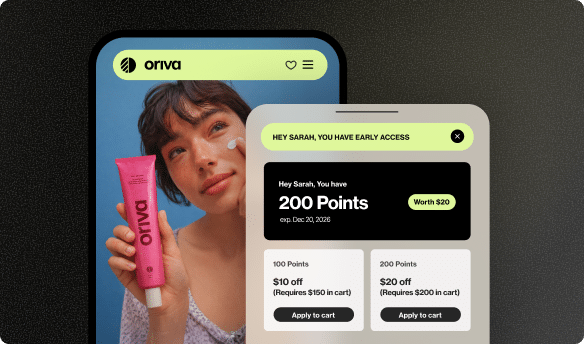







In today’s digital marketplace, customer loyalty is the ultimate currency. Brands consistently search for ways to connect with their customers on a deeper level, and loyalty programs have become a cornerstone of this effort. But what truly fuels a successful loyalty program? The answer is data. When used correctly, customer data allows brands to create personalized experiences, offer relevant rewards, and build lasting relationships. However, the methods of data collection and use are under increasing scrutiny.
Customers are more aware than ever of their digital footprint and are demanding transparency and control over their personal information. This is where ethical data collection for loyalty becomes not just a best practice, but a business imperative. It’s about building a foundation of trust that turns one-time buyers into lifelong advocates.
Key Takeaways: Ethical Data Collection for Loyalty
- Trust is Paramount: Ethical data collection is the cornerstone of building and maintaining customer trust in loyalty programs. Without trust, even the most innovative program is unlikely to succeed.
- Transparency is Non-Negotiable: Customers must be clearly informed about what data is being collected, why it’s being collected, and how it will be used. Hidden clauses and confusing jargon erode trust.
- Consent is Key: Always obtain explicit consent from customers before collecting their data. This means no pre-checked boxes or assumptions. Customers should actively opt-in.
- Provide Value in Exchange: Customers are more willing to share their data when they receive tangible value in return. This can include personalized offers, exclusive access, or relevant content.
- Data Security is a Promise: Protecting customer data from breaches is a fundamental responsibility. Robust security measures demonstrate a brand’s commitment to its customers’ privacy.
- Personalization, Not Intrusion: Use data to enhance the customer experience through relevant personalization. Avoid practices that feel intrusive, which can quickly damage trust.
- Compliance is the Baseline: Adhering to data privacy regulations like GDPR and CCPA is the minimum requirement. Ethical data collection goes beyond legal obligations to build genuine customer relationships.
The Foundation of Trust: Principles of Ethical Data Collection
Before detailing the implementation, it’s essential to define the core principles. What does ethical data collection for loyalty look like? It’s grounded in a few key tenets that should guide every decision regarding your loyalty program. These serve as the pillars supporting the entire structure of customer trust. If any of these pillars are compromised, the structure is at risk.
Transparency: The Clear Window into Your Data Practices
Transparency is arguably the most important principle of ethical data collection. It means being open and honest with your customers about your data practices. Modern best practices move away from burying important details in lengthy, jargon-filled privacy policies. Today, transparency must be front and center.
In practice, this means using clear, simple language to explain:
- What data you are collecting: Be specific. Are you collecting purchase history, browsing behavior, birth dates, or location data? Itemize the information.
- Why you are collecting it: Connect the data collection to a direct benefit for the customer. For example, “We collect your purchase history to offer you personalized recommendations and rewards you’ll value.”
- How you will use it: Explain the applications of the data. Will it be used for marketing emails, product development, or targeted ads? Inform them of the intended uses.
- Who you will share it with: If you share data with third-party partners, disclose who they are and why the data is being shared.
This information should not be hidden. It should be easily accessible at every point where a customer is asked to share their data, such as on the loyalty program sign-up page.
Consent: The Customer is in Control
The second pillar is consent. Ethical data collection is never assumed; it is always granted. This means customers must actively and explicitly agree to share their data with you. This represents a significant shift from older models where consent was often implied or bundled with other terms and conditions.
Here’s how to ensure you’re obtaining proper consent:
- Active Opt-In: Use unchecked boxes for consent. The customer must take a positive action, like clicking a box, to agree. Pre-checked boxes are no longer considered a valid form of consent under many regulations.
- Granular Choices: Whenever possible, give customers control over what data they share. For instance, a customer might be comfortable sharing their purchase history but not their browsing behavior. Providing these options demonstrates respect for their privacy preferences.
- Easy to Withdraw: The ability to withdraw consent is just as important as the ability to give it. Customers should have a simple and straightforward way to opt-out of data collection or delete their data at any time. This process should be as easy as the sign-up process.
When customers feel they are in control of their data, their trust in your brand deepens. They see you as a partner in the relationship, not just a company trying to extract information.
Data Security: The Promise to Protect
You can be transparent and obtain consent, but if you fail to protect the data you’ve collected, you have broken a fundamental promise to your customers. Data security is a critical component of ethical data collection. Customers are trusting you with their personal information, and you have a responsibility to keep it safe.
Robust data security involves:
- Strong Encryption: All customer data, whether at rest in your databases or in transit over the internet, should be encrypted.
- Access Control: Limit access to customer data to only those employees who absolutely need it for their job functions. Implement strict access protocols and review them regularly.
- Regular Audits: Conduct regular security audits to identify and address potential vulnerabilities in your systems.
- A Breach Response Plan: No system is foolproof. Have a clear plan in place for how you will respond to a data breach, including how and when you will notify affected customers.
Investing in data security isn’t just an IT expense; it’s an investment in customer trust. A single data breach can do irreparable damage to your brand’s reputation.
By building your loyalty program on these three pillars—transparency, consent, and security—you create a foundation of trust that will encourage customers to join, participate, and engage with your brand for the long term.
Putting Principles into Practice: Strategies for Your Loyalty Program
Understanding the principles of ethical data collection is the first step. The next, more challenging step, is implementing them in your loyalty program. This is about thoughtfully designing every touchpoint where you interact with a customer’s data.
Designing a Trustworthy Sign-Up Process
The sign-up process is your first opportunity to demonstrate your commitment to ethical data collection. This is where you set the tone for the entire relationship. A clunky, confusing, or deceptive sign-up process can deter potential members before they even begin.
Here’s how to create a sign-up process that builds trust from day one:
- Ask for Only What You Need: It can be tempting to request a wealth of information upfront, but this can be overwhelming and intrusive. Start with the basics: a name and an email address. You can collect more information later as the relationship develops. This approach is often called progressive profiling.
- Clearly State the Value Exchange: Right on the sign-up form, articulate what the customer will receive in return for joining the program. Is it points on their first purchase, exclusive access to new products, or a birthday reward? Make the benefits clear and immediate.
- Link to a Readable Privacy Policy: Use descriptive text like, “Learn how we protect your data,” instead of a simple “Privacy Policy” link. Ensure the policy itself is written in plain language. A layered format, with a short summary at the top and more detailed information below, can also make it more digestible.
- Use Unchecked Boxes for Consent: As previously mentioned, ensure that consent for marketing communications is an active choice. For example, use a separate, unchecked box that states, “Yes, I’d like to receive personalized offers and updates via email.”
Communicating Your Data Practices Clearly and Consistently
Transparency is an ongoing commitment, not a one-time event at sign-up. You need to communicate your data practices consistently throughout the customer’s journey with your loyalty program.
Consider these communication strategies:
- A Dedicated Trust Center: Create a section on your website that serves as a hub for all information related to privacy and data. This can include your full privacy policy, a plain-language summary, FAQs about data collection, and easy access to data management tools.
- Onboarding Emails: Use your welcome email series to not only introduce the benefits of the loyalty program but also to reinforce your data practices. A simple line like, “We use your purchase history to send you relevant rewards. You can manage your preferences anytime in your account settings,” can be very effective.
- Just-in-Time Notifications: If you’re about to ask for a new piece of information, explain why you need it at that moment. For example, if you ask for a customer’s birthday, a small pop-up could explain, “Share your birthday with us to receive a special reward!”
Empowering Customers with Data Control
True trust comes from empowerment. When customers feel they have control over their data, they are more likely to share it. Your loyalty program should feature a user-friendly preference center where members can easily manage their information and communication settings.
This preference center should allow customers to:
- Update their personal information: Ensure the process is simple and intuitive.
- Choose their communication channels: Let them decide if they want to hear from you via email, SMS, or push notifications.
- Manage their data sharing preferences: Offer granular controls over what data they share. For instance, they might agree to share data for personalization but not for third-party advertising.
- Access their data: Provide a way for customers to see the data you have collected on them.
- Delete their account and data: Make the process of leaving the program and having their data deleted straightforward. Hiding this option creates frustration and distrust.
By implementing these practical strategies, you can transform your loyalty program from a simple marketing tool into a trusted space where customers feel valued and respected. This is the essence of building a program that drives repeat purchases and fosters genuine, lasting relationships.
The Payoff: Leveraging Data Ethically for a Better Customer Experience
Once you’ve established a foundation of trust and are collecting data ethically, you can leverage that data to create an exceptional customer experience. This is the “value exchange” in action. Customers have trusted you with their information, and now it’s your turn to deliver on the promise of a better, more personalized journey.
Personalization That Feels Helpful, Not Intrusive
There’s a fine line between personalization and intrusion. Ethical data use means staying on the right side of that line. The goal is to make your customers’ lives easier and their interactions with your brand more enjoyable.
Here are some examples of ethical personalization in a loyalty program:
- Relevant Product Recommendations: Based on a customer’s past purchases, you can suggest other products they might like. If someone frequently buys a certain brand of running shoes, you can notify them when a new model is released.
- Tailored Rewards: Instead of offering a generic coupon to everyone, you can offer rewards tailored to individual preferences. A coffee lover might appreciate a free bag of their favorite beans, while a tea drinker might prefer a discount on a new teapot.
- Content That Resonates: If a customer has shown interest in a particular product category, you can send them content related to that interest, such as blog posts, how-to guides, or trend reports.
- Tiered Programs Based on Engagement: You can use data on purchase frequency and value to create VIP tiers in your loyalty program. This rewards your most loyal customers with exclusive benefits, making them feel recognized and appreciated.
The key is to always tie personalization back to the data the customer has knowingly shared. A sense of intrusion occurs when a brand seems to know things about a customer that they haven’t explicitly provided. Stick to the data you’ve been given and use it to be helpful.
Using Data to Improve Your Program and Products
Ethical data collection isn’t just about marketing. The insights you gain from your loyalty program can be invaluable for improving your overall business. By analyzing aggregated and anonymized data, you can identify trends and patterns that can inform everything from product development to store layout.
For example, you might notice that a significant number of your loyalty members purchase particular products together. This could signal an opportunity to create a bundle or a special offer. Or, you might see that customers in a certain region redeem a particular type of reward more frequently, which could influence your local marketing strategy.
When you use data this way, you create a better experience for all your customers. When you communicate these improvements back to your loyalty members—for example, “You asked, we listened! Our new and improved formula is based on feedback from loyal members like you”—you close the loop and reinforce the value of their participation.
Building a Community Around Shared Values
Finally, ethical data collection can help you build a community around your brand. When customers know that you respect their privacy and are committed to using their data responsibly, they are more likely to feel an alignment with your brand’s values.
You can foster this sense of community by:
- Creating exclusive forums or groups for loyalty members: This gives them a space to connect with each other and with your brand.
- Hosting special events for top-tier members: This makes them feel like true insiders.
- Asking for feedback and acting on it: This shows that you value their opinions and are committed to co-creating the brand experience with them.
In the end, ethical data collection is not just about avoiding penalties or negative press. It’s about a fundamental shift in mindset to see customers as partners, not just data points. When you make this shift, you’ll find you are building not just a successful loyalty program, but a stronger, more resilient, and more beloved brand.
Choosing the Right Partner for Your Loyalty Program
Implementing an ethical and effective loyalty program requires the right technology. The platform you choose will be the backbone of your program, handling everything from data collection and storage to reward redemption and analytics. Therefore, it’s crucial to select a partner that offers robust features and shares your commitment to ethical data practices.
When evaluating loyalty program platforms, consider the following criteria:
- Data Security: Does the platform have a strong security infrastructure, including encryption and regular audits? Do they have a clear data breach response plan?
- Compliance: Is the platform compliant with major data privacy regulations like GDPR and CCPA?
- Customization: Can you customize the sign-up process and communication templates to align with your transparency and consent policies?
- Data Management Tools: Does the platform provide a user-friendly preference center for your customers?
- Analytics and Reporting: Does the platform provide the tools you need to analyze data and gain insights without compromising individual privacy?
Yotpo Loyalty

Yotpo Loyalty is designed to help brands build customized, on-brand loyalty and referral programs. A key strength of Yotpo is its focus on creating a seamless and engaging customer experience. The platform offers a wide range of reward options, from points and discounts to free products and exclusive access. This flexibility allows brands to create a program that truly resonates with their customer base.
From an ethical data collection perspective, Yotpo provides the tools brands need to be transparent and to empower their customers. The platform’s customization capabilities allow for clear communication at sign-up and throughout the customer journey. Brands can easily create on-brand loyalty program pages that explain how the program works and what the benefits are.
Yotpo’s deep integration with other marketing platforms also allows for a more cohesive and personalized experience, using data in a way that feels helpful rather than intrusive. The platform’s robust analytics and reporting capabilities enable brands to understand program performance and make data-driven decisions while respecting customer privacy.
When making your decision, remember that the right platform is not just a vendor; it’s a partner. Choose a partner that will help you build a loyalty program that is not only effective but also ethical and trustworthy.
Navigating the Regulatory Landscape: GDPR, CCPA, and Beyond
In the realm of data collection, a lack of awareness can lead to significant consequences. A complex and ever-evolving web of regulations governs how businesses can collect, use, and store customer data. Failure to comply can result in hefty fines, legal action, and a loss of customer trust. While this regulatory landscape can seem daunting, understanding the basics of key regulations is an essential part of any ethical data collection strategy.
The General Data Protection Regulation (GDPR)
The GDPR is a regulation from the European Union that went into effect in 2018. If your business is not based in the EU but you serve customers who are, you must comply with the GDPR. It is widely considered the gold standard for data protection and has influenced many other data privacy laws around the world.
Key principles of the GDPR related to loyalty programs include:
- Lawfulness, Fairness, and Transparency: You must have a lawful basis for processing data and be transparent with individuals about your data practices.
- Purpose Limitation: You can only collect data for a specific, explicit, and legitimate purpose. You cannot collect data for one reason and then use it for another without getting additional consent.
- Data Minimization: You should only collect the data that is absolutely necessary for the identified purpose.
- Accuracy: You must take reasonable steps to ensure the data you hold is accurate and up-to-date.
- Storage Limitation: You should not keep personal data for longer than is necessary.
- Integrity and Confidentiality: You must have appropriate security measures in place to protect the data you hold.
- Accountability: You are responsible for demonstrating your compliance with the GDPR.
For your loyalty program, this means you need a clear legal basis for collecting customer data (in most cases, this will be consent). You must be transparent about what data you’re collecting and why, and you must give customers control over their data, including the right to access, correct, and delete it (the “right to be forgotten”).
The California Consumer Privacy Act (CCPA) and the California Privacy Rights Act (CPRA)
The CCPA is a state-level data privacy law in California that was passed in 2018 and went into effect in 2020. It has since been amended and expanded by the CPRA, which went into effect in 2023. Like the GDPR, the CCPA grants consumers certain rights over their personal information.
Key rights under the CCPA/CPRA include:
- The right to know: Consumers have the right to know what personal information a business is collecting about them, where it was sourced, and how it is being used.
- The right to delete: Consumers have the right to request that a business delete their personal information.
- The right to opt-out: Consumers have the right to opt-out of the sale or sharing of their personal information.
- The right to non-discrimination: A business cannot discriminate against a consumer for exercising their CCPA rights. This is particularly relevant for loyalty programs, as it means you cannot deny a customer the benefits of your program simply because they have chosen to exercise their privacy rights.
It’s important to note that the CCPA allows for financial incentives in exchange for the collection of personal information, which is the basis of most loyalty programs. However, the law requires that these incentives are not “unjust, unreasonable, coercive, or usurious in nature.” You must also clearly explain the terms of the financial incentive to the consumer and get their opt-in consent.
Staying Ahead of the Curve
The GDPR and CCPA/CPRA are just two examples of a growing global trend toward greater data privacy protection. Many other countries and states have either passed or are considering similar legislation. The best way to navigate this complex landscape is to adopt a proactive and privacy-first approach.
Instead of waiting for a new law to be passed and then scrambling to comply, build your loyalty program on the most stringent privacy principles from the start. If you are compliant with the GDPR, you will likely be in a strong position to comply with most other data privacy laws. Working with a loyalty program platform that is knowledgeable about these regulations and has built compliance into its product can also be a significant advantage.
Your Ethical Data Collection Checklist
Building and maintaining an ethical loyalty program is an ongoing process that requires regular review and a commitment to continuous improvement. To help you on this journey, here is a checklist you can use to audit your current practices or guide the development of a new program.
- Transparency and Communication
- Is our privacy policy written in clear, simple language?
- Is it easy for customers to find our privacy policy?
- Do we clearly explain what data we are collecting at the point of collection?
- Do we explain why we are collecting the data and how it will be used?
- Do we have a dedicated “trust center” on our website?
- Do we use onboarding emails and just-in-time notifications to communicate our data practices?
- Consent and Control
- Do we use an active, opt-in method for consent (e.g., unchecked boxes)?
- Do we offer granular choices for data sharing where possible?
- Is it easy for customers to withdraw their consent?
- Do we have a user-friendly preference center where customers can manage their data?
- Can customers easily access their data?
- Is the process for deleting an account and data straightforward?
- Data Use and Personalization
- Is our use of data focused on providing value to the customer?
- Are our personalization efforts helpful and not intrusive?
- Do we have clear guidelines on what is and is not an acceptable use of customer data?
- Do we use aggregated and anonymized data to improve our products and services?
- Do we communicate these improvements back to our customers?
- Security and Compliance
- Is all customer data encrypted, both at rest and in transit?
- Do we have strict access controls in place?
- Do we conduct regular security audits?
- Do we have a data breach response plan?
- Are we compliant with relevant data privacy regulations like GDPR and CCPA?
- Is our loyalty program platform partner committed to security and compliance?
- Culture and Accountability
- Is ethical data collection a priority for our company’s leadership?
- Have our employees been trained on our data privacy policies?
- Do we have a designated person or team responsible for data privacy?
- Do we regularly review and update our data collection practices?
By regularly using this checklist, you can ensure that your loyalty program is not only driving business results but also building the kind of lasting customer trust that is the true hallmark of a successful brand.
Conclusion
The path to building a successful loyalty program in the modern era is paved with trust. While points, rewards, and exclusive offers are the tangible benefits that attract customers, it is the underlying commitment to ethical data collection that will keep them engaged and loyal for the long term. By embracing transparency, championing customer consent, and making data security a top priority, you can create a program that not only respects your customers’ privacy but also delivers a superior, more personalized experience.
This is not just about compliance; it’s about building genuine relationships. When customers know they can trust you with their data, they are more likely to become not just repeat buyers, but passionate advocates for your brand.
FAQs: Ethical Data Collection for Loyalty
What is ethical data collection?
Ethical data collection is the practice of gathering personal information in a way that is transparent, fair, and respectful of an individual’s privacy. It is guided by principles of transparency, consent, and data security. In the context of a loyalty program, it means being open with customers about what data you are collecting, why you are collecting it, and how you will use it. It also means giving customers control over their data and taking responsibility for protecting it.
Why is ethical data collection important for loyalty programs?
Ethical data collection is crucial for loyalty programs because trust is the foundation of loyalty. When customers trust a brand to handle their data responsibly, they are more willing to share their information, engage with the program, and build a long-term relationship. Conversely, if a brand is not transparent about its data practices or suffers a data breach, it can quickly erode trust and lead to customers abandoning the program and the brand.
What is the difference between legal compliance and ethical data collection?
Legal compliance means adhering to the specific requirements of data privacy laws like GDPR and CCPA. Ethical data collection, while encompassing legal compliance, goes a step further. It is about adopting a “privacy-first” mindset and building a culture of respect for customer data. It is possible to be legally compliant but still engage in practices that customers find unethical or intrusive. The goal of ethical data collection is to build trust, not just to avoid fines.
How can I be transparent with my customers about my data practices?
Transparency can be achieved through clear and consistent communication. Start with a privacy policy written in simple, easy-to-understand language. Provide short summaries of your data practices at key touchpoints, such as the loyalty program sign-up page. Use onboarding emails and just-in-time notifications to explain why you are asking for certain information. A dedicated “trust center” on your website can also serve as a central hub for all of your privacy-related information.
What is “progressive profiling”?
Progressive profiling is a strategy for collecting customer data over time rather than all at once. Instead of asking for a large amount of information during the initial sign-up, you start with the basics (like a name and email address) and then ask for additional information at relevant points in the customer journey. For example, you might ask for a customer’s birthday a month before it occurs to send them a special offer. This approach is less intimidating for customers and allows you to build a richer customer profile over time.
How do I get valid consent from my customers?
Valid consent must be freely given, specific, informed, and unambiguous. In practice, this means using an active opt-in method, such as an unchecked box. You should not assume consent or use pre-checked boxes. It is also a good practice to offer granular consent options where possible, allowing customers to choose what types of data they are comfortable sharing and for what purposes.
What are the key elements of a good data security strategy?
A good data security strategy has multiple layers. It should include technical measures like encryption of data both at rest and in transit, as well as organizational measures like strict access controls and regular employee training. It is also important to conduct regular security audits to identify and address vulnerabilities and to have a clear data breach response plan in place.
How can I use data to personalize the customer experience in the right way?
The key to avoiding intrusive personalization is to use the data that customers have explicitly shared with you to provide clear value. Stick to personalizations that are helpful and relevant, such as product recommendations based on past purchases or rewards tailored to their stated preferences. Avoid using data from third-party sources that the customer may not be aware you have access to, as this can feel intrusive.
What should I look for in a loyalty program platform?
When choosing a loyalty program platform, look for a partner that shares your commitment to ethical data collection. The platform should have robust security features, be compliant with major data privacy regulations, and provide you with the tools you need to be transparent with your customers. This includes customizable sign-up forms, communication templates, and a user-friendly preference center.
What is the “right to be forgotten”?
The “right to be forgotten,” also known as the right to erasure, is a key provision of the GDPR. It gives individuals the right to request that a business delete their personal data. To comply with this, you must have a clear and simple process for customers to delete their loyalty program account and all associated data.
Can I offer a financial incentive for data collection in my loyalty program?
Yes, most data privacy laws, including the CCPA, allow for financial incentives in exchange for the collection of personal information. This is the fundamental premise of a loyalty program. However, the incentive must be fair and reasonable, and you must be transparent with the customer about its terms. You cannot discriminate against a customer for choosing not to participate.
How often should I review my data collection practices?
You should review your data collection practices on a regular basis, at least annually. It is also a good idea to conduct a review whenever there is a significant change to your business, such as launching a new product or expanding into a new market. Staying current with new and evolving data privacy regulations is also crucial.
Who in my company should be responsible for ethical data collection?
While you may have a designated data privacy officer or team, the responsibility for ethical data collection should be shared across the organization. From the marketing team that designs the loyalty program to the IT team that manages the data infrastructure, everyone has a role to play. A strong culture of data privacy starts at the top, with leadership demonstrating a clear commitment to ethical data practices.





 Join a free demo, personalized to fit your needs