


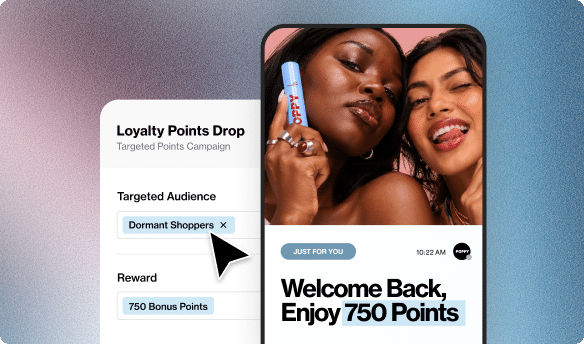







Fostering deep-seated loyalty creates a significant competitive advantage, insulating your best customers from competitive offers and ensuring repeat business. However, many eCommerce brands rely on generic discounts that fail to truly change customer behavior. As acquisition costs rise, effective retention is more critical than ever. Success no longer comes from just having a program, but from implementing the right incentives.
Key Takeaways
- Boost Profitability: Loyalty incentives are a critical driver of profitability. Focusing on customer retention can increase profits by 25-95%, as retaining an existing customer is far more cost-effective than acquiring a new one.
- Increase Customer Lifetime Value (LTV): Effective rewards directly increase LTV by encouraging more frequent purchases, raising the average order value (AOV), and extending the customer relationship.
- Create a Competitive Moat: A strong loyalty program builds an advantage based on relationships and value that competitors can’t easily copy. This makes your best customers less likely to switch brands.
- Utilize a Mix of Incentives: The most successful programs blend different reward types. Use transactional rewards for immediate value, and experiential or emotional rewards to build a deeper, long-term connection with your brand.
- Gather Valuable Zero-Party Data: Loyalty programs are an excellent tool for collecting zero-party data (information customers share willingly), which is essential for creating the personalized experiences modern shoppers expect.
- Technology is Key: Implementing a sophisticated strategy requires a flexible, data-driven technology partner. The right platform allows you to build, manage, and optimize a program that delivers a measurable return on investment.
This guide is for marketers and owners aiming to move beyond basic rewards. We will dissect the most effective loyalty incentives, exploring the psychology behind them to help you cultivate genuine brand loyalty and sustainable growth.
Why Loyalty Incentives Are Critical for eCommerce Growth
In the highly competitive eCommerce landscape, focusing on customer retention is the most reliable path to profitability. Loyalty incentives function as the engine of retention, providing the tangible and intangible value that converts one-time buyers into lifelong advocates. Let’s explore why this is an essential strategy.
The Compelling Economics of Retention
The business case for customer retention is well-documented. Acquiring a new customer can be five to 25 times more expensive than keeping an existing one. Furthermore, a mere 5% increase in customer retention rates can boost profits by a remarkable 25% to 95%.
In this context, Customer Lifetime Value (LTV) emerges as a critical North Star metric. LTV represents the total revenue a business can anticipate from a single customer throughout their relationship. Effective loyalty incentives directly increase LTV by:
- Increasing Repeat Purchase Frequency: Consistent rewards give customers compelling reasons to choose your brand repeatedly.
- Boosting Average Order Value (AOV): Incentives like “spend $100 to receive a free gift” or tiered point multipliers encourage customers to increase their cart size.
- Extending the Customer Lifespan: A positive rewards experience forges a stronger brand connection, keeping customers engaged for longer periods.
A well-designed program generates a virtuous cycle: customers spend more to earn rewards, and the rewards, in turn, motivate subsequent purchases.
Building a Competitive Advantage
While your product and pricing are always subject to competition, a robust and engaging loyalty program builds an advantage based on relationships and accrued value that competitors cannot easily replicate.
When a customer has earned points, achieved a VIP status, and feels genuinely recognized by your brand, they are far less likely to be swayed by a competitor’s discount. The perceived cost of switching—both financially and emotionally—becomes too high. This transforms their identity from a mere customer to an engaged member of your brand community.
The Zero-Party Data Goldmine
In an era of increasing data privacy regulations and the deprecation of third-party cookies, zero-party data is exceptionally valuable. This is data a customer intentionally and proactively shares with a brand. A loyalty program serves as one of the most effective mechanisms for collecting it.
During sign-up, customers might share their birthday, product preferences, and other personal details in exchange for rewards. Their ongoing engagement—what they purchase, which rewards they redeem, and how they interact with your brand—provides a rich source of behavioral data. This information enables you to move beyond generic marketing and deliver the highly personalized experiences that modern consumers demand.
The Taxonomy of Loyalty Incentives
Not all incentives deliver the same results. The most successful loyalty programs employ a strategic blend of different reward types to appeal to diverse customer motivations. Understanding these categories is the first step toward designing a program that resonates with your target audience.
Transactional Incentives: The Foundation of Value Exchange
These are the most conventional and straightforward rewards. They offer clear, tangible value in exchange for specific actions, primarily purchases. They form the bedrock of most loyalty programs.
- Points-for-Purchases: The classic “spend a dollar, earn a point” model is popular due to its simplicity. Its core appeal lies in its directness—every purchase visibly moves the customer closer to a reward.
- Discounts and Coupons: Offering a percentage or fixed-amount discount on a future purchase is a highly effective motivator that appeals to price-conscious shoppers.
- Free Shipping: High shipping costs are a primary driver of cart abandonment. Offering free shipping as a reward or a VIP perk removes a major point of friction from the purchasing process.
- Free Products: Using products as rewards can help move excess inventory, introduce customers to a new product line, or provide access to exclusive, members-only merchandise.
Experiential & Emotional Incentives: Forging a Deeper Connection
While transactional rewards provide tangible value, experiential and emotional incentives build the customer relationship. They make customers feel special, recognized, and part of an exclusive community.
- Tier-Based Status & Recognition: Structuring your program with tiers (e.g., Bronze, Silver, Gold) leverages the human desire for status. The key is ensuring benefits scale with each level, such as exclusive customer service, early access, and anniversary gifts.
- Early Access: Granting your most loyal customers early access to major sales or new product launches makes them feel like valued insiders. It’s a low-cost, high-impact reward.
- Personalized Experiences: Use program data to offer tailored incentives. This includes birthday rewards, anniversary gifts, and personalized product recommendations.
Community & Social Incentives: Activating Your Brand Advocates
Your most loyal customers are often your most effective marketers. These incentives encourage them to promote your brand.
- Referral Programs: The “Give $10, Get $10” model is popular because it rewards the existing customer for their advocacy and gives the new customer a discount.
- Rewards for User-Generated Content (UGC): Offer loyalty points for writing a product review or submitting a photo. This not only boosts engagement but also generates authentic marketing assets.
Gamification Incentives: Making Loyalty Engaging
Gamification applies game-like elements to increase user engagement and make participation more entertaining.
- Point Multiplier Events: Promotions like “Double Points Weekend” create urgency and encourage customers to make purchases sooner.
- Badges and Achievements: Celebrate customer milestones with digital badges for actions like making a fifth purchase or reaching a new VIP tier.
- Surprise and Delight: Unexpectedly gifting bonus points or a free product can create a powerful and memorable brand moment.
Implementing Your Incentive Strategy with Yotpo
Understanding the types of incentives is foundational, but implementing them effectively requires the right technology. A dedicated loyalty platform does more than just track points; it serves as the engine for your entire retention strategy. This is where a partner like Yotpo becomes essential.

Yotpo Loyalty positions itself as a strategic partner dedicated to helping you maximize customer lifetime value. The approach goes beyond software, providing access to eCommerce loyalty experts who help design, implement, and optimize your program. With a dedicated Customer Success Manager, brands receive guidance based on data from thousands of successful programs.
The platform is built for flexibility, allowing you to create a completely customized experience that reflects your brand.
- Custom Earning Rules: You can reward customers for a wide range of actions beyond purchases, including creating an account, writing a review, following on social media, or referring a friend.
- Diverse Redemption Options: The rewards menu is fully customizable, with options for percentage discounts, fixed-amount coupons, free shipping, free products, and even charitable donations.
- Sophisticated VIP Tiers: Yotpo excels at building meaningful tier structures based on points, spending, or orders. Each tier can have unique perks like point multipliers and exclusive rewards, making progression a powerful motivator.
- Data-Driven Segmentation: One of its key strengths is the ability to segment members based on tier, points balance, or purchase history. This allows for highly targeted campaigns, such as sending a points-boost offer to members close to the next tier or a special reward to at-risk customers.
This combination of hands-on strategic support and a flexible, data-centric platform makes Yotpo a strong choice for brands serious about building a sophisticated, high-ROI loyalty program.
Best Practices for Loyalty Incentives
- Begin with a Simple Framework and Evolve Strategically: Avoid overwhelming customers at launch. Start with a simple core loop, such as points for purchases and a welcome bonus. Use the data you collect to understand what resonates, then gradually introduce new ways to earn and redeem.
- Ensure Rewards Are Both Attainable and Desirable: If a reward is nearly impossible to earn, it won’t motivate anyone. Balance the perceived effort with the perceived value. Provide smaller, easily attainable rewards for instant gratification to keep members engaged.
- Communicate Program Value Clearly and Consistently: Promote your program across all touchpoints: your homepage, product pages, and post-purchase communications. A dedicated landing page that clearly explains the program is essential.
- Integrate Transactional and Emotional Rewards: Use transactional rewards like discounts to drive immediate sales. Simultaneously, leverage emotional rewards like VIP tiers and early access to build the long-term relationships that foster true loyalty.
- Actively Solicit and Incorporate Member Feedback: Your loyalty program members are your most valuable customers. Use surveys or polls to ask them what types of rewards they find most appealing. Their feedback is the most valuable resource you have for improving your strategy.
Conclusion
The most effective loyalty incentives are more than a marketing tactic; they are a core component of a customer-centric business strategy. By moving beyond generic discounts to build a program that offers a blend of transactional value, experiential rewards, and emotional recognition, you can create a powerful engine for sustainable growth. The objective is to make your customers feel seen, valued, and connected to your brand on a deeper level.
Success requires a deep understanding of your customers and a flexible, data-driven technology partner. A platform like Yotpo provides the strategic guidance, customization capabilities, and analytical insights necessary to build, manage, and optimize a loyalty program that transforms casual shoppers into passionate brand advocates.
Frequently Asked Questions
How do I choose the right name for my VIP tiers?
Tier names should reflect your brand’s identity and resonate with your target audience. Avoid generic names like “Bronze, Silver, Gold.” Instead, think about your products or brand ethos. A coffee brand might use “New Brew, Regular, Aficionado,” while a beauty brand could use “Glow, Radiance, Luminous.” The names should make customers feel like they are part of an exclusive club.
What are some common mistakes to avoid when launching a loyalty program?
The biggest mistakes include making the program too complicated, offering rewards that aren’t valuable or attainable, and failing to promote it effectively. Another common error is not having a clear goal. Before you launch, define what success looks like—is it increasing purchase frequency, AOV, or something else?
Can a loyalty program work for a business with low purchase frequency?
Absolutely. For businesses selling high-value items or products bought infrequently (like mattresses or furniture), the loyalty program should focus on rewarding engagement over transactions. Offer points for writing reviews, referring friends, or engaging on social media. The rewards can be smaller-value items, partner discounts, or exclusive access to content.
How can I measure the emotional impact of my loyalty incentives?
While harder to quantify than ROI, you can gauge emotional impact through metrics like Net Promoter Score (NPS) from program members, review sentiment analysis, and social media mentions. A high rate of non-transactional engagement (like sharing content) is also a strong indicator of an emotional connection.
Should I offer points for actions other than purchases?
Yes, this is highly recommended. Rewarding actions like creating an account, signing up for your newsletter, following on social media, or leaving a review encourages customers to engage with your brand on multiple levels. It shows you value them for more than just their wallet.
What’s the best way to promote a new loyalty program at launch?
Use a multi-channel approach. Announce it to your email and SMS lists with an exclusive sign-up bonus. Promote it with a banner on your homepage and a dedicated landing page. Use social media to explain the benefits and run ads targeting existing customers. Also, empower your customer service team to tell customers about it.
How does a loyalty program help with inventory management?
A loyalty program can be a strategic tool for managing inventory. You can offer bonus points on slow-moving items to encourage sales. You can also use free products as rewards to clear out excess stock or seasonal items without resorting to heavy, brand-damaging discounts.
Are points or direct discounts a better incentive?
It depends on the goal. Direct discounts provide instant gratification and are great for driving immediate sales. Points-based systems are better for long-term engagement, as they create “switching costs”—customers are less likely to buy from a competitor if they have a points balance with you. Most successful programs use a mix of both.
How can I use loyalty data to improve my product offerings?
Analyze what your most loyal customers are buying. These repeat purchases are a strong signal of your best products. You can also survey your VIP members to get feedback on new product ideas. Since they are your most engaged customers, their insights are incredibly valuable.
Is it better to have an “open” loyalty program or an exclusive, invitation-only one?
For most eCommerce brands, an open program that anyone can join is the best approach, as it maximizes participation. However, a brand might add an exclusive, top-tier “concierge” level that is invitation-only for their absolute highest spenders to provide a truly white-glove experience.
What role does “surprise and delight” play in a structured loyalty program?
“Surprise and delight” is a powerful tool for building an emotional connection. While your program structure provides predictable value, occasionally gifting unexpected bonus points, a free gift, or an upgrade to the next tier creates a memorable moment that strengthens loyalty far more than a standard transaction.
How long should it take to see a return on investment from a loyalty program?
You can often see leading indicators of success—like increased sign-ups and engagement—within the first 30-60 days. A measurable impact on key metrics like repeat purchase rate and customer lifetime value typically becomes clear within 3-6 months as members have time to accumulate points and change their purchasing habits.
Can I integrate my loyalty program with my user-generated content strategy?
Yes, and you should. This creates a powerful synergy. For instance, you can use a solution like Yotpo Loyalty to automatically award points to customers who leave feedback using Yotpo Reviews. This incentivizes the creation of valuable social proof while simultaneously boosting engagement with your loyalty program.











 Join a free demo, personalized to fit your needs