








In eCommerce, having a superior product is only part of the equation for success. What truly distinguishes a brand is the quality of the experience it provides to its customers. A positive customer experience builds loyalty, encourages repeat business, and transforms shoppers into vocal advocates.
While many factors contribute to this experience, two of the most powerful tools are product reviews and customer rewards. They work in concert to build trust, foster engagement, and create a cycle of positive reinforcement that keeps customers coming back. Let’s explore how to leverage these strategies to elevate your brand.
Key Takeaways: Best Ways to Improve Customer Experience
- Customer experience is paramount: In a crowded online marketplace, the quality of the customer experience is a key differentiator that drives loyalty and repeat purchases.
- Reviews build trust and provide social proof: Authentic customer reviews are one of the most powerful tools for building credibility. They offer unbiased insights that help new shoppers make confident purchasing decisions.
- Loyalty programs create lasting relationships: Rewarding customers for their repeat business fosters a sense of appreciation and community, turning one-time buyers into long-term, loyal advocates.
- Yotpo offers best-in-class solutions: Yotpo Reviews helps brands collect and strategically display high-impact reviews, while Yotpo Loyalty provides the tools to build customized, engaging rewards programs that drive retention.
- Strategic implementation is key: Simply having reviews and a loyalty program is not enough. Success lies in strategically requesting feedback, thoughtfully designing rewards, and seamlessly integrating these elements into the overall customer journey.
- Data provides a competitive edge: Analyzing review content and loyalty program performance offers invaluable insights into customer preferences and behavior, allowing for continuous optimization of your strategies.
Harnessing the Power of Customer Reviews
Consider your own recent online purchases. Did you consult the reviews before making a decision? Most likely, you did. Customer reviews have become an essential part of the modern shopping journey. They offer social proof—an unbiased look at a product from people with firsthand experience. This authentic feedback is often more persuasive than any marketing copy a brand can produce. When you improve the customer experience with genuine feedback, you build a foundation of trust that is critical for long-term success.
Why Reviews Are a Cornerstone of Customer Experience
At their core, reviews provide transparency. They give potential customers a glimpse into the real-world performance of a product, which helps set realistic expectations. A collection of positive reviews can significantly boost a shopper’s confidence, reassuring them that they are making a sound decision. In fact, studies consistently show that products with a high number of positive reviews see a substantial lift in conversion rates.
However, the value of reviews extends beyond building trust at the point of purchase. They are also an incredible source of direct feedback for your business. By analyzing what customers are saying, you can identify areas for product improvement, spot emerging trends, and understand which product attributes resonate most with your audience. This direct line to the customer’s voice is invaluable for making informed business decisions.
Key Features of a Powerful Reviews Platform
To effectively manage and leverage customer reviews, you need a robust platform. A best-in-class solution should go beyond simple collection and display, offering a suite of tools designed to maximize the impact of your user-generated content.
A premier platform like Yotpo Reviews exemplifies these capabilities. It helps brands turn customer feedback into powerful assets that drive conversions by focusing not just on the quantity of reviews, but on their quality and strategic impact. An effective platform should offer AI-powered tools to help brands gather reviews enriched with compelling visuals and detailed insights.

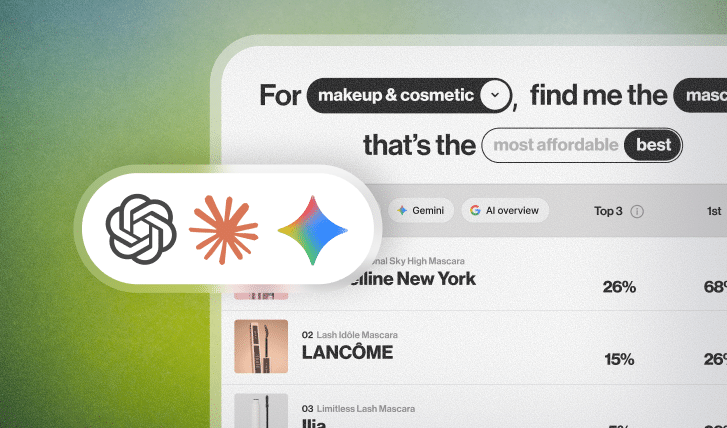
It should also provide powerful analytics, such as a “Reviews Atlas” that gives a health score for your reviews, benchmarks you against competitors, and offers actionable recommendations. Furthermore, strong partnerships with major platforms like Google and TikTok are essential for wide syndication of your reviews, expanding your reach far beyond your own website.
Best Practices for Collecting and Using Reviews
Once you have a platform in place, the next step is to implement a strategy for collecting and leveraging your reviews. Here are some best practices to follow.
Make It Easy to Leave a Review
The more streamlined the process, the more likely customers are to participate. Utilize in-mail review forms that allow customers to submit their feedback directly from their inbox without navigating to your website. The review form itself should be simple and direct. While detailed feedback is valuable, an overly long or complicated form can be a deterrent.
Time Your Review Requests
Avoid sending a review request the moment a product is delivered. Give your customers adequate time to use the product. The ideal timing will vary depending on what you sell. For a simple item like apparel, a few days may be sufficient. For a product that requires longer-term use to see results, such as skincare, waiting a couple of weeks is more appropriate.
Offer an Incentive (Thoughtfully)
While you should never compensate for positive reviews, offering a small incentive for submitting any honest feedback is an effective way to boost participation. This could be a modest discount on a future purchase or entry into a giveaway. Connecting this to a loyalty program by awarding points for reviews creates a powerful synergy between your engagement efforts.
Display Reviews Prominently
Do not isolate your reviews on a separate page. Feature them directly on your product pages, near the “add to cart” button. Use eye-catching widgets that display the aggregate star rating, the total number of reviews, and snippets of the most helpful feedback. Consider creating a dedicated page that showcases all of your reviews in one place, as this can be a potent asset for building brand-level trust.
Respond to All Reviews
Engaging with customer feedback, both positive and negative, demonstrates that you are listening. Thank customers for their positive reviews and professionally address any concerns raised in negative ones. A thoughtful and constructive response to a negative review can often turn a poor experience into a positive one and proves to other shoppers that you are committed to customer satisfaction.
From Feedback to Improvement
The process does not end once a review is published. Your collection of reviews is a goldmine of data. Analyze your reviews to understand common themes. Are customers consistently praising a particular feature? Are there recurring complaints about a certain aspect of your product? This information is direct feedback from the people who matter most. Use it to guide your product development, refine your marketing messages, and ultimately, improve the customer experience you offer.
Building Lasting Relationships with Rewards
While reviews are instrumental in attracting new customers and building initial trust, a well-designed rewards program is key to retention. Customer loyalty programs are about recognizing and appreciating the people who choose to do business with you repeatedly. When you improve the customer experience by making your shoppers feel valued, you create an emotional connection that transcends a simple transaction. This is how you build a community of brand loyalists who will remain with you for the long haul.
The Psychology Behind Loyalty Programs
At its heart, a loyalty program taps into fundamental human psychology. People appreciate being recognized, and they enjoy being rewarded for their actions. A loyalty program formalizes this exchange. It communicates to the customer, “We see you, we value your business, and we want to provide something extra for being part of our community.” This creates a reciprocal relationship where customers feel more invested in your brand’s success.
A well-structured loyalty program can also create a sense of exclusivity and status. By offering different tiers with increasing benefits, you give your most loyal customers something to aspire to. This gamification of the shopping experience can be a powerful motivator, encouraging customers to consolidate their purchases with your brand to unlock better perks.
What to Look for in a Loyalty Platform
Selecting the right platform is crucial for the success of your loyalty program. You need a solution that is flexible, powerful, and intuitive for both your team and your customers.
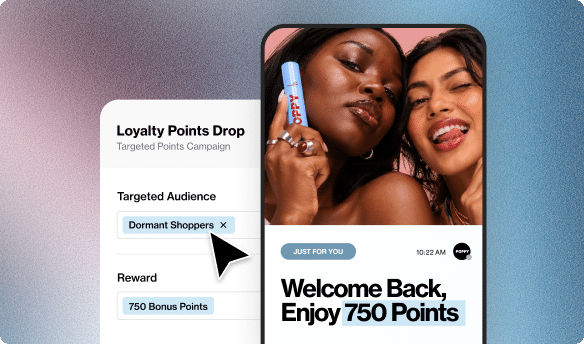
A best-in-class loyalty software like Yotpo Loyalty is designed to help you build a program that encourages repeat purchases and maximizes customer lifetime value. A leading platform should combine flexible technology with expert strategic guidance. Look for a partner with extensive experience in eCommerce loyalty that can help you design a program structure unique to your business model. Robust analytics and reporting are also essential, providing action-oriented insights to help you continuously strengthen your program. Finally, powerful segmentation capabilities are critical for creating truly customized customer journeys.

Designing a Loyalty Program That Resonates
A successful loyalty program is more than just a mechanism for distributing discounts. It should be a thoughtful extension of your brand experience. Here are some key elements to consider during the design process.
Choose the Right Program Structure
There are several types of loyalty programs, and the optimal choice will depend on your business model and customer base.
- Points-Based Programs: This is the most common structure. Customers earn points for every dollar they spend, which they can then redeem for rewards. It is simple, easy to understand, and effective.
- Tiered Programs: Customers unlock new benefits and rewards as they spend more and move up through different tiers. This adds an element of aspiration and makes your most valuable customers feel distinguished.
- Value-Based Programs: These programs align with your customers’ values. For every purchase, you might donate to a charity or contribute to an environmental cause. This can be a powerful way to build a connection with a socially-conscious audience.
Offer a Variety of Rewards
Do not limit your rewards to just discounts. While a percentage off is always appreciated, be creative with your offerings. Consider rewards such as:
- Free shipping
- Early access to new products
- Exclusive access to special events or content
- A complimentary product after a certain number of purchases
- Branded merchandise
The more varied and exciting your rewards are, the more engaged your customers will be.
Make It Easy to Participate
Your loyalty program should be simple to join and easy to understand. Ideally, customers should be automatically enrolled when they create an account. Ensure their points balance and available rewards are clearly visible whenever they log in. The process for redeeming rewards should be seamless and integrated directly into the checkout process.
Promote Your Program Everywhere
Your loyalty program is a key selling point, so ensure customers are aware of it. Promote it on your homepage, on product pages, and in your email marketing. When a customer makes a purchase, inform them of how many points they earned and how close they are to their next reward. The more you communicate the value of your program, the more people will engage with it.
The Long-Term Value of Loyalty
A well-executed rewards program does more than just drive repeat sales. It provides you with a wealth of data about your most valuable customers. By analyzing their purchasing behavior, you can identify your top-selling products, understand which rewards are most popular, and segment your audience for more targeted marketing campaigns. This deep understanding of your customer base is a powerful competitive advantage that will help you continue to improve the customer experience over time.
Conclusion: A Virtuous Cycle of Engagement
Ultimately, product reviews and customer rewards are two sides of the same coin. They are both about building a stronger, more meaningful relationship with your customers. Reviews build the initial trust that encourages a first purchase, while a loyalty program provides the ongoing value that turns that first purchase into a long-term relationship.
When you use these two strategies together, you create a virtuous cycle. A happy, loyal customer is more likely to leave a positive review. That positive review then helps attract new customers, who you can then enroll in your loyalty program. It is a powerful engine for sustainable growth, built on the foundation of a superior customer experience. By investing in best-in-class tools and thoughtful strategies for both reviews and loyalty, you are not just selling a product; you are building a brand that people love.
FAQs: Best Ways to Improve Customer Experience
Why are product reviews so important for an online store?
Product reviews are crucial because they build trust and provide social proof. When potential customers see that others have purchased a product and had a good experience, it gives them the confidence to buy. Reviews offer authentic, unbiased feedback that is often more persuasive than a brand’s own marketing. They also improve your website’s SEO, as fresh, user-generated content is valued by search engines.
How can I encourage more customers to leave reviews?
The best way to get more reviews is to make the process as easy as possible. Use a platform that allows for in-mail review submissions so customers do not have to visit your site. You should also time your review requests appropriately, giving customers enough time to experience the product. Offering a small incentive, such as loyalty points or a discount on a future purchase, can also significantly increase your review submission rate.
Should I be worried about negative reviews?
No, you should not be afraid of negative reviews. In fact, a few less-than-perfect reviews can make your overall review profile appear more authentic. What is important is how you respond to them. Addressing a customer’s concerns publicly and offering a solution shows that you care about customer satisfaction and are committed to making things right. This can be a powerful trust signal for other shoppers.
What makes a good loyalty program?
A good loyalty program is simple to understand, offers rewards that your customers actually want, and makes them feel valued. It should be easy to join and easy to redeem rewards. The best programs go beyond simple discounts and offer experiential rewards, like early access to products or exclusive content. Ultimately, a good program strengthens the emotional connection between the customer and the brand.
How do I choose between a points-based system and a tiered system for my loyalty program?
A points-based system is straightforward and works well for most businesses. It is easy for customers to understand that spending equals points, and points equal rewards. A tiered system is great for encouraging higher spending and making your most valuable customers feel special. It adds an element of gamification. Some of the most effective programs actually combine both, using points as the currency and tiers to unlock better earning rates and exclusive perks.
What are some common mistakes to avoid when launching a loyalty program?
One of the biggest mistakes is making the program too complicated. If customers cannot easily understand how to earn and redeem points, they will not engage. Another common mistake is offering rewards that are not valuable enough to motivate customers. Finally, be sure to promote your program. If you do not tell your customers about it, they will not know to join.
Can reviews and loyalty programs work together?
Absolutely. They are a powerful combination. You can award loyalty points to customers for leaving a review, which incentivizes them to share their feedback. You can then use the data from your loyalty program to identify your most engaged customers and ask them to become brand ambassadors. This creates a positive feedback loop that strengthens customer relationships.
What kind of ROI can I expect from a reviews solution?
The ROI from a reviews solution can be significant. Displaying reviews on product pages can lead to a substantial increase in conversion rates. The user-generated content from reviews can also improve your SEO, driving more organic traffic. Furthermore, the insights you gain from review content can help you improve your products and reduce returns, saving you money in the long run.
How much does a loyalty program typically cost?
The cost of a loyalty program can vary widely depending on the platform you choose and the scale of your business. Most loyalty platforms operate on a subscription model, with different pricing tiers based on your number of customers or orders. When considering the cost, it is important to think about the potential return on investment in terms of increased customer lifetime value and retention.
How do I measure the success of my loyalty program?
There are several key metrics you should track. These include the repeat purchase rate (the percentage of customers who make more than one purchase), customer lifetime value (the total amount a customer spends with you over time), and the redemption rate of your rewards. You should also look at the overall engagement with the program, such as the number of active members.
What are the benefits of using specialized platforms for reviews and loyalty?
Using separate, best-in-class platforms like Yotpo Reviews and Yotpo Loyalty ensures that you are getting the most powerful and specialized features for each function. While integrated suites can seem convenient, they often lack the depth and advanced capabilities of dedicated solutions. Specialized platforms are built to excel at one thing, providing deeper analytics, more customization, and superior strategic support.
How can AI be used in customer reviews?
AI is becoming increasingly important in managing customer reviews. It can be used to help moderate reviews by filtering out spam and inappropriate content. AI-powered tools can also analyze the text of reviews to identify key topics and sentiment, providing you with actionable insights at a glance. Some platforms use AI to generate a summary of reviews, making it easier for shoppers to quickly understand the general feedback.
What is the first step I should take to improve my customer experience with reviews and rewards?
The first step is to research and choose the right technology partners. Look for platforms that are built for eCommerce and have a proven track record of helping brands like yours succeed. Once you have selected your tools, start by focusing on the basics: set up a simple, automated way to request reviews and design a straightforward loyalty program with a few compelling rewards. You can always build and optimize from there.











 Join a free demo, personalized to fit your needs