








Starting an eCommerce business is an exciting venture, brimming with potential. However, securing your first sales can feel like a significant hurdle. You have the product, the passion, and the website – so, what comes next?
This roadmap will guide you through essential eCommerce marketing strategies. We will cover how to attract visitors, convert them into customers, and build relationships that last, setting you on the path to sustainable growth. Let’s begin building your path to those first sales.
Understanding the eCommerce Marketing Landscape
Before diving into selling online, it’s important to understand what “eCommerce marketing” involves. It’s more than just listing products; it’s a dynamic field that is constantly evolving.
What is eCommerce Marketing?
At its core, eCommerce marketing is the practice of using promotional tactics to drive traffic to your online store. The goal is to convert that traffic into paying customers and encourage them to return after their purchase. Think of it as the engine that powers your online business. Effective marketing is not just about making an initial sale; it’s about building a brand, fostering relationships, and creating a loyal customer base. In today’s crowded digital marketplace, a smart eCommerce marketing strategy is what separates thriving businesses from those that barely tread water.
Key Goals of eCommerce Marketing
Effective eCommerce marketing helps you achieve several critical business goals:
- Brand Awareness: Getting your name out there so people know you exist.
- Website Traffic: Drawing potential customers to your online storefront.
- Lead Generation: Capturing information from interested prospects.
- Sales Conversion: Turning browsers into buyers.
- Customer Loyalty & Retention: Encouraging repeat purchases and building long-term relationships. This final goal is crucial for sustainable growth.
Achieving these goals requires a clear plan and consistent effort.
The Modern Customer Journey in eCommerce
Understanding how customers shop online today is essential. The journey is rarely a straight line and usually involves several stages:
- Awareness: The customer becomes aware of a problem or need. Then, they discover your brand as a potential solution.
- Consideration: They research and compare different options, including your products and those of your competitors.
- Decision: They are ready to buy and choose a specific product and brand.
- Purchase: The customer completes the transaction.
- Post-Purchase (Retention): This is where the greatest potential lies. The experience after the sale determines if they become a one-time buyer or a loyal advocate. This stage includes engagement, support, and encouraging repeat business.
Customers interact with your brand across multiple touchpoints—your website, social media, email, SMS, and review sites. A consistent and positive experience across all these channels is crucial for success. In short, eCommerce marketing is your toolkit for guiding potential customers through this journey to foster both sales and long-term loyalty.
Laying Your Marketing Foundation: Before You Launch (Or Relaunch)
Proper preparation is critical in eCommerce marketing. Before you focus on driving traffic, you need to establish a solid foundation. Getting these basics right can make a significant difference in your success.
Defining Your Target Audience & Niche
Who are you trying to reach? A vague answer like “everyone” is inefficient. Defining your target audience and carving out your niche are fundamental first steps.
Create buyer personas, which are detailed representations of your ideal customers based on research and data. Consider their demographics, pain points, shopping habits, and motivations. Knowing who you’re talking to helps you tailor your marketing messages, choose the right channels, and select products they will actually want. This makes your marketing efforts much more effective.
Crafting Your Unique Value Proposition (UVP)
In a crowded market, why should someone buy from you? Your Unique Value Proposition (UVP) is the answer. It’s a clear statement that describes the benefit you offer, how you solve your customer’s needs, and what distinguishes you from the competition.
Is it your unique product selection? Exceptional customer service? Unbeatable prices? Whatever it is, your UVP should be a central part of your marketing. Communicate it clearly and consistently to make your brand memorable.
Setting Up Your eCommerce Store for Marketing Success
Your website is your digital storefront. It needs to be functional and persuasive, not just visually appealing.
- User Experience (UX): Is your site easy to navigate? A clunky or confusing UX will drive visitors away.
- Conversion Rate Optimization (CRO): Design your site to encourage visitors to take action, such as making a purchase. This includes clear product information, compelling visuals, and an intuitive checkout.
- Mobile Responsiveness: A significant portion of online shopping happens on mobile devices. Your store must look and work flawlessly on smartphones and tablets.
- Clear Navigation and Product Pages: Organize your products logically. Your product pages should have high-quality images, detailed descriptions, and transparent pricing.
- Secure and Easy Checkout Process: A complicated or untrustworthy checkout is a major cause of lost sales. Make it simple, secure, and offer multiple payment options.
Platforms like Shopify help businesses create and manage digital stores with tools for website design, product pages, secure payments, and inventory management. While such platforms provide essential tools, enhancing the customer experience often requires additional specialized solutions.
Essential Tools: The eCommerce Marketing Stack
Numerous tools exist to help you manage and optimize your marketing. Here are some essentials for your eCommerce marketing stack:
- Analytics Platform: Tools like Google Analytics help you track website traffic, understand user behavior, and measure campaign performance.
- Email Marketing Platform: Essential for newsletters, promotions, and automated campaigns like welcome series and abandoned cart recovery.
- SMS Marketing Platform: For direct, immediate communication, such as flash sales and urgent updates.
- Customer Review Platform: To collect and showcase social proof, building trust and boosting conversions.
- Loyalty Program Platform: To reward repeat customers and encourage long-term engagement.
Imagine having these tools work together seamlessly. An integrated platform can streamline your efforts and provide a more cohesive experience for your customers. Keep this in mind as you build out your stack. Getting these foundational elements in place sets the stage for effective marketing campaigns that drive sales.
Phase 1: Attracting Your First Visitors – Getting Seen
Your store is polished and ready. Now, how do you get people to see it? This phase is all about generating awareness and driving initial traffic.
Search Engine Optimization (SEO) for eCommerce
Search Engine Optimization (SEO) is the process of optimizing your online store and its content to rank higher in search engine results for relevant keywords. It is a powerful strategy for generating free, ongoing traffic.
Keyword Research for Product & Category Pages
It all starts with keywords—the terms potential customers use when searching for products like yours. Identify these keywords and incorporate them naturally into your product titles, descriptions, and category pages. Tools like Google Keyword Planner can help, but brainstorming what you would search for is also a great starting point.
On-Page SEO Basics
On-page SEO refers to optimizing elements on your website. Key areas to focus on include:
- Title Tags: The clickable headline in search results. Make it compelling and include your main keyword.
- Meta Descriptions: The short summary below the title tag. This is your mini-ad; make it enticing.
- Product Descriptions: Write unique, detailed, and keyword-rich descriptions for each product.
- Image ALT Text: Describe your images for search engines and visually impaired users, using keywords where appropriate.
- Header Tags (H1, H2, H3): Use these to structure your content logically and incorporate keywords.
Some apps available on platforms like Shopify, such as Plug In SEO, offer solutions to streamline these SEO processes by facilitating site audits and providing guidance.
Importance of Site Structure & Technical SEO
A well-organized site makes it easy for both users and search engines to navigate your store. Technical SEO involves aspects like site speed, mobile-friendliness, and ensuring search engines can properly crawl your site. While these may sound complex, many eCommerce platforms handle some of these technical details for you.
Building Early Authority: Content & Backlinks (Briefly)
Search engines favor authoritative websites. Creating valuable content and earning links from other reputable websites can boost your authority over time. This is a long-term strategy, but it’s important to be aware of from the beginning.
Content Marketing for Early Traction
Content marketing is the practice of creating and distributing valuable and relevant content to attract and retain a defined audience—ultimately driving profitable action.
Why Content? (Building trust, attracting organic traffic)
Good content does more than just fill space. It helps you:
- Attract organic traffic by ranking for more keywords.
- Build trust and credibility by showcasing your expertise.
- Educate potential customers about your products.
- Engage your audience and encourage social shares.
Types of Content for New Stores
Start with simple, effective content types:
- Blog Posts: “How-to” guides, product showcases, or answers to common questions.
- Buying Guides: Help customers choose the right product.
- Simple Infographics or Checklists: Visually appealing and easily shareable.
Distributing Your Early Content
Creating content is only half the battle. Share it on:
- Social media platforms relevant to your audience.
- Your email newsletter once you start building a list.
- Consider guest posting on relevant blogs in your niche to expand your reach.
Leveraging Social Media (Organic)
Social media is a powerful tool for eCommerce brands to build community and drive awareness.
Choosing the Right Platforms for Your Brand
Don’t try to be everywhere at once. Focus on the platforms where your target audience is most active, whether that’s Instagram, Facebook, Pinterest, or TikTok.
Building an Initial Following
Building a following takes time. Focus on:
- Posting engaging content regularly (e.g., product photos, behind-the-scenes content).
- Interacting with your followers by responding to comments and messages.
- Using relevant hashtags to increase discoverability.
- Running simple contests or giveaways to boost engagement.
Using Social Media for Traffic & Brand Awareness
Share links to your products and blog posts. Use your social profiles to tell your brand story and reinforce your UVP. It’s a great way to drive traffic to your store and build brand awareness.
The Power of Early User-Generated Content (UGC) with Yotpo Reviews

User-generated content, such as customer reviews and photos, is crucial for building trust and influencing purchasing decisions. Even with low initial sales, gathering reviews is essential.
Yotpo Reviews helps businesses collect and display this powerful social proof. The tool focuses on collecting high-impact reviews with visuals and product details, which can enhance your search visibility and conversion rates. Yotpo Reviews offers features like easy integration, analytics for tracking performance, AI-powered summaries, and syndication to partners like Google and Target. This helps you drive conversions through social proof and integrate customer feedback into your broader marketing strategy.
Phase 2: Converting Visitors into Customers – Making the Sale
Alright, you have visitors on your site, which is a significant first step. Now, the challenge is to convert that interest into action.
Optimizing Your Product Pages for Conversion
Your product pages are your digital sales representatives. They must be persuasive, informative, and trustworthy.
- High-Quality Product Images and Videos: Since customers can’t physically interact with products, visuals are critical. Use clear, high-resolution images from multiple angles. Videos showing the product in use can be very effective.
- Compelling Product Descriptions: Don’t just list features; explain the benefits. How does your product solve the customer’s problem? Use engaging language that resonates with your target audience.
- Clear Call-to-Actions (CTAs): Make it obvious what you want visitors to do. Buttons like “Add to Cart” or “Buy Now” should be prominent and easy to find.
Displaying Social Proof: The Role of Customer Reviews
Social proof in the form of customer reviews is incredibly influential. Research suggests up to 98% of consumers read online reviews before making a purchase. Doesn’t that just show how critical social proof is?
Leveraging Yotpo Reviews for Conversion
A robust solution like Yotpo Reviews is designed to maximize the impact of social proof.
- Collect & Display Reviews: The platform helps you strategically gather and showcase customer feedback, including written reviews, photos, and videos, to boost conversions.
- Build Trust: Displaying star ratings and authentic user experiences increases buyer confidence.
- Customizable Widgets: Yotpo offers a variety of on-site widgets, such as carousels, galleries, and AI-powered summaries, that you can embed on product, category, and home pages for maximum visibility. These widgets include features like smart sorting to help shoppers find the most relevant reviews quickly.
- Sophisticated Moderation: Manage your reviews with tools for manual or automatic approval, spam and profanity filters, and AI-powered suggestions to ensure your content is appropriate and authentic.
- Syndication: Yotpo enables you to share your reviews on crucial channels like Google Shopping, Facebook, and with retail partners like Target, extending the reach of your customer feedback.
While Yotpo Reviews excels as a standalone solution, the review data you collect can also be used to personalize email and SMS communications as part of a broader retention strategy.
Streamlining the Checkout Process
You’ve convinced them to add to cart – don’t lose them now! A long or confusing checkout process is a primary reason for lost sales.
- Minimize the number of steps and form fields.
- Offer a guest checkout option.
- Clearly display shipping costs and delivery times upfront.
- Ensure your checkout is secure and visually trustworthy with SSL certificates and trust badges.
Implementing Cart Abandonment Recovery Strategies
Did you know that the average eCommerce cart abandonment rate hovers around 70%? That’s a lot of potential sales walking out the virtual door! Implementing cart abandonment recovery strategies is crucial. This is especially true for new stores trying to maximize every opportunity.
The idea is to gently nudge shoppers who added items to their cart but didn’t complete the purchase. Automated emails or SMS messages sent shortly after they leave can be highly effective.
Using Yotpo Email Marketing & Yotpo SMS Marketing for Cart Abandonment

This is a prime example where integrated tools are powerful. Yotpo Email Marketing and Yotpo SMS Marketing are designed to work together to address cart abandonment.
- Yotpo Email allows you to send automated, personalized abandoned cart emails. It features tools like Canva integration and AI recommendations to make these emails more effective. When evaluating email platforms, consider ease of use, personalization capabilities, transparent pricing, and strategic support—areas where Yotpo focuses.
- Yotpo SMS Marketing delivers immediate, high-impact reminders via text. It offers targeted automation and boasts impressive open rates. When assessing SMS platforms, look for list growth tools, advanced segmentation options, robust analytics, and global deliverability. Yotpo SMS provides over 180 data points for segmentation and specialized analytics to track performance.
Using both Yotpo Email and SMS within the Yotpo Retention Marketing platform creates a cohesive and more effective approach to recovering lost sales.
Early Paid Advertising Considerations (Optional & Budget-Dependent)
If your budget allows, paid advertising can give you an initial traffic boost.
- Google Ads (Search & Shopping): Target users actively searching for products like yours.
- Social Media Ads (Facebook, Instagram, etc.): Reach specific demographics and interests.
The key here is to start small, target carefully, and test relentlessly. Monitor your results closely to ensure you’re getting a positive return on ad spend (ROAS). Don’t just throw money at it blindly.
Phase 3: Nurturing Customers & Driving Repeat Purchases – Building Loyalty
Congratulations on making your first sales! The journey doesn’t end at the purchase. Customer retention is where many businesses unlock their greatest potential and achieve long-term, sustainable growth.
The Importance of Customer Retention for New Businesses
Why focus on retention so early?
- Cost-Effectiveness: Acquiring a new customer can cost five times more than retaining an existing one.
- Increased Lifetime Value (LTV): Repeat customers tend to spend more over time.
- Word-of-Mouth Marketing: Happy customers become brand advocates, bringing in new business for free.
- Stability: A loyal customer base provides a more predictable revenue stream.
For new businesses, establishing good retention practices early on sets a strong foundation for the future.
Email Marketing for Post-Purchase Engagement & Nurturing
Email remains a powerhouse for building customer relationships and encouraging repeat business. It’s personal, direct, and allows for rich content.
Building Your Email List (Compliantly)
First things first: you need an email list. Always get explicit consent before adding someone to your promotional email list. Common opt-in strategies include:
- Pop-up forms on your website offering a discount for signing up.
- A checkbox during the checkout process (make sure it’s not pre-checked!).
- Landing pages for specific lead magnets (e.g., a free guide).
Welcome Email Series
When someone new subscribes or makes their first purchase, don’t just leave them hanging. A welcome email series is your chance to:
- Thank them and reinforce their decision.
- Introduce your brand story and values.
- Highlight popular products or categories.
- Set expectations for future communications.
- Offer a small incentive for their next purchase.
Post-Purchase Follow-ups (Beyond Transactional)
Transactional emails (order confirmations, shipping updates) are essential. But go beyond that with follow-up emails that add value:
- Requesting Reviews: A few days after they receive their product is a perfect time to ask for a review. You can easily automate this with tools like Yotpo. Link directly to the product they purchased. Yotpo offers customizable, mobile-friendly email templates with simple one-click forms to make responding easy.
- Product Care Tips: Help them get the most out of their purchase.
- Related Product Suggestions: Based on their purchase history, suggest other items they might like.
- Content They Might Find Useful: Share relevant blog posts or guides.
Leveraging Yotpo Email for Effective Campaigns

Yotpo Email is an email platform designed for eCommerce marketers. Key features include:
- Ease of Use: It offers intuitive features like Canva integration and AI-powered recommendations to save time and improve results.
- Strategic Support: Yotpo emphasizes superior service with dedicated strategy and deliverability optimization.
- Integrated Data: A key advantage is its ability to use data from Yotpo Reviews and Loyalty for advanced email personalization and segmentation.
- Platform Synergy: While Yotpo Email is effective as a standalone tool, its capabilities are amplified when used within the broader Yotpo Retention Marketing platform to create cohesive customer journeys.
SMS Marketing for Timely Updates & Promotions
SMS (Short Message Service) marketing offers an immediate and direct line to your customers. With open rates often exceeding 90%, it’s perfect for time-sensitive communications.
Building Your SMS List (Compliantly & With Clear Value Prop)
As with email, you must get explicit consent to send promotional SMS messages. Clearly state the value of opting in, such as exclusive discounts or early access to sales. Yotpo SMS provides a suite of list growth tools, including pop-ups and on-site verification, to help you build your subscriber base effectively and compliantly.
Types of SMS Campaigns for Early Engagement
Keep SMS messages short, to the point, and valuable. Here are some effective campaign types for new businesses:
- Order Updates: Transactional messages like shipping confirmations build trust and keep customers informed.
- Exclusive Discounts for Subscribers: Make your SMS list feel special.
- Flash Sale Announcements: Create urgency and drive immediate traffic.
- Back-in-Stock Alerts: Notify interested customers when a popular item is available again.
- Abandoned Cart Reminders: As discussed earlier, a quick SMS can recover sales.
Leveraging Yotpo SMS for Targeted Campaigns
Effective SMS marketing requires more than basic sending. Yotpo SMS is a specialized eCommerce platform that offers powerful tools for targeting and automation.
- Advanced Segmentation: Yotpo SMS uses over 180 data points for precise targeting based on customer behavior, loyalty status, and purchase history.
- Targeted Automation: It provides over 39 flow triggers for personalized messages at critical moments, such as in a welcome series or abandoned cart flow.
- Performance Insights: The platform offers robust analytics, including RFM analysis and a Retention Dashboard, tailored to measure SMS impact.
- Platform Integration: While powerful as a standalone solution, Yotpo SMS is enhanced when integrated with Yotpo’s Email, Loyalty, and Reviews products for a more holistic retention strategy.
Implementing a Basic Loyalty & Rewards Program
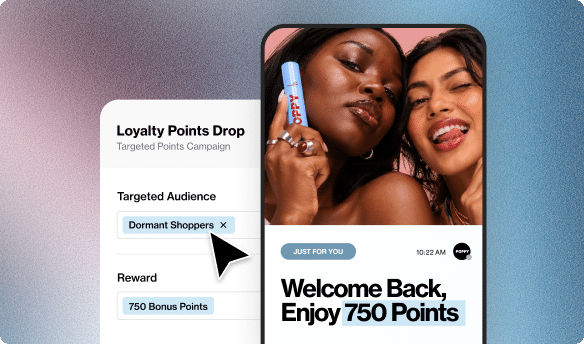
Want to give customers a compelling reason to shop with you again and again? A loyalty and rewards program can be a game-changer. Even for new stores, a simple program can encourage that crucial second purchase and build goodwill.
You can reward customers for various actions:
- Making purchases
- Writing reviews
- Referring friends
- Engaging on social media
- Birthdays or anniversaries
Getting Started with Yotpo Loyalty & Rewards

Setting up a successful loyalty program can be straightforward. Yotpo Loyalty provides an accessible and effective solution for building stronger customer relationships.
- Expert Partnership: Yotpo offers a partnership-driven approach, providing strategic guidance from eCommerce loyalty experts and dedicated Customer Success Managers (CSMs).
- Flexible & Customizable: The platform allows you to create unique loyalty programs with custom points systems, referral programs, and VIP tiers that reflect your brand.
- Data-Driven Optimization: Yotpo Loyalty provides robust and accurate reporting, allowing you to understand program performance and make informed optimizations.
- Platform Integration: While a powerful standalone solution, Yotpo Loyalty’s impact is amplified when integrated with the broader Yotpo Retention Marketing platform. You can use loyalty data to improve targeting in email and SMS campaigns or reward customers with points for submitting reviews, creating a more connected experience.
Measuring Success & Iterating Your Strategy
So, you’re implementing all these great marketing strategies. But how do you know if they’re actually working? And how can you make them better? This is where measuring success and iterating your strategy comes in. Marketing isn’t a “set it and forget it” deal; it’s all about continuous improvement.
Key eCommerce Marketing Metrics for Beginners
Focus on a few key metrics to start:
- Website Traffic: How many people are visiting your store and where are they coming from?
- Conversion Rate: What percentage of visitors make a purchase?
- Average Order Value (AOV): How much does each customer spend per order?
- Customer Acquisition Cost (CAC): How much does it cost to acquire a new customer?
- Customer Lifetime Value (CLV or LTV): How much revenue does a customer generate over their entire relationship with you?
Tracking these metrics will give you a clear picture of what’s working and where you need to make adjustments.
Introduction to Analytics Tools
You’ll need tools to track these metrics:
- Google Analytics: This is the industry standard for website analytics. It’s free and incredibly powerful, though it can have a bit of a learning curve. It helps track traffic sources, user behavior, conversion goals, and much more. Littledata is an app that can enhance Google Analytics tracking for Shopify stores. It provides more detailed insights into checkout steps and customer journeys.
- Platform-Specific Analytics: Most eCommerce platforms (like Shopify) have built-in analytics dashboards. Additionally, your marketing tools will have their own reporting. For example, Yotpo provides dashboards for its Email, SMS, Loyalty, and Reviews products. These allow you to track performance specific to those channels and campaigns. This includes detailed metrics like open rates, click-through rates, conversion rates attributed to specific messages or campaigns, review generation rates, loyalty program engagement, and more.
The Importance of A/B Testing (Even Simple Tests)
How do you know which email subject line or call-to-action is more effective? A/B testing (or split testing) is the answer. You create two versions of an asset, change one variable, and show each version to a segment of your audience to see which performs better.
Even simple A/B tests on email subject lines, CTAs, or SMS copy can lead to significant improvements. Many marketing platforms, including Yotpo Email, have built-in A/B testing features.
Adapting and Evolving Your Roadmap
The eCommerce landscape is always changing. Customer preferences shift. New technologies emerge. Competitors adapt. Your marketing roadmap shouldn’t be set in stone.
- Regularly review your metrics.
- Learn from your successes and failures.
- Stay curious and keep learning about new marketing trends and techniques.
- Be prepared to adjust your strategies based on what the data tells you.
Marketing is an iterative process. The more you measure, test, and learn, the more effective your efforts will become.
Scaling Your Marketing: The Next Steps (Brief Overview)
Once you have a steady stream of sales, you can start scaling your marketing efforts. This is where you build on your successes to take your business to the next level.
- Advanced SEO & Content Strategies: Dive deeper into technical SEO, build comprehensive content hubs, and explore video.
- Expanding Paid Advertising: Increase your budget for successful campaigns and explore new ad platforms.
- Deeper Personalization & Automation: Leverage customer data to create highly personalized experiences across all touchpoints.
- Building a Community: Foster a strong sense of community around your brand through social media groups or forums.
- Exploring New Channels: Consider influencer marketing, affiliate marketing, or brand partnerships.
This is where having a comprehensive marketing platform becomes incredibly valuable. Yotpo is designed as a Retention Marketing platform built for eCommerce. Its integrated suite of solutions for Reviews, Email, SMS, and Loyalty is built to support businesses as they scale. The platform’s focus on data-driven personalization helps you create highly effective experiences that drive growth.
Conclusion: Your Journey to eCommerce Success Starts Now
In conclusion, this roadmap outlines the essential stages of eCommerce marketing: attracting visitors, converting them into customers, and retaining them for lasting loyalty. Achieving your first sales is a significant milestone, marking the start of an ongoing journey. eCommerce success requires consistent effort, a customer-focused approach, and adaptable strategies.
Remember that various tools and platforms, like Yotpo, are available to support you throughout this process, particularly in cultivating strong customer relationships, the foundation of sustainable growth. Embrace this roadmap, implement the strategies, and confidently begin your eCommerce success story.
FAQs
How much should I budget for marketing when I’m just starting out?
When starting, concentrate on affordable or free strategies like on-page SEO, foundational blog content, and organic social media. Opt for tools with free tiers or scalable pricing, such as pay-as-you-go email/SMS marketing and free/starter plans for review and loyalty platforms. Prioritize tools that support growth without significant initial costs, aligning with your niche, products, and business plan.
What’s the single most important marketing activity for a new eCommerce store?
Building a strong foundation is key, starting with a great product, an optimized and user-friendly website, and initial social proof. Early positive customer reviews are crucial for building trust; consider using tools like Yotpo Reviews to gather and display this feedback. Once established, concentrate on mastering one or two manageable acquisition channels rather than overextending your efforts.
How long will it take to see my first sales from these marketing efforts?
Generating significant sales isn’t immediate and depends on numerous variables. These include your niche’s competition, product demand, marketing efforts, pricing, and even chance. SEO often requires months for noticeable impact, whereas paid ads can yield faster results but demand careful financial management. Consistent effort, data analysis, and perseverance are crucial. Don’t be disheartened by slow initial sales.
When should I start focusing on customer retention versus just acquiring new customers?
Prioritize customer retention alongside acquisition. Early customer relationships are key, requiring positive experiences, communication, and basic loyalty gestures to foster repeat business and ensure sustainable growth.











 Join a free demo, personalized to fit your needs