


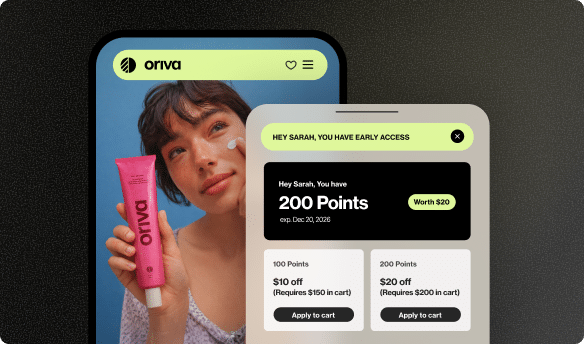







In the current ecommerce landscape, customer acquisition costs are rising, and competition is intensifying. Sustainable growth, therefore, depends on shifting focus from one-off transactions to building long-term customer relationships. The key to this is understanding and increasing ecommerce customer value.
This guide provides an in-depth analysis of five powerful, actionable strategies designed to turn casual shoppers into profitable, loyal customers in 2026.
What Is Ecommerce Customer Value (And Why It Matters More Than Ever)
Before exploring implementation strategies, it’s essential to define customer value in the context of modern ecommerce. It represents a holistic view of the worth a customer brings to a business throughout their entire relationship.
Beyond a Single Sale: Understanding True Customer Value
Consider two customers. The first makes a single $50 purchase. The second buys a $30 item three times a year, leaves a glowing five-star review with photos, and refers to three friends who also become customers. While the first customer provides immediate revenue, the second delivers far greater long-term value.
True customer value is a composite of several elements:
- Monetary Value: The direct revenue a customer generates, often measured by Customer Lifetime Value (CLV).
- Advocacy Value: The customer’s willingness to promote the brand through reviews, social media, and word-of-mouth referrals.
- Feedback Value: The actionable insights provided through reviews and surveys that help improve products and services.
- Retention Value: The probability that a customer will remain loyal, reducing churn and creating a predictable revenue stream.
The Bottom-Line Benefits of High Customer Value
Focusing on increasing customer value directly and positively impacts profitability. The benefits are clear:
- Increased Profitability: Retaining an existing customer is significantly more cost-effective than acquiring a new one.
- Sustainable Growth: A base of high-value, loyal customers provides a stable foundation, making a business less vulnerable to market fluctuations.
- Competitive Advantage: A superior customer experience that builds value is a durable differentiator that is difficult for competitors to replicate.
- Improved Marketing ROI: Satisfied, high-value customers become a brand’s most effective marketing channel, driving high-quality referrals at a minimal cost.
In short, investing in customer value is an investment in the long-term health and success of your business.
Strategy 1: Master Hyper-Personalization Across Every Channel
The era of one-size-fits-all marketing has concluded. Today’s consumers expect personalization as a standard. Sending identical marketing messages to an entire customer base is an outdated and ineffective practice. Hyper-personalization involves using customer data to deliver the right message to the right person at the right time, on the most effective channel.
The Limitations of Generic Marketing
Shoppers are inundated with marketing messages daily. The only way to capture their attention is through relevance. Personalization demonstrates an understanding of a customer’s specific needs, preferences, and history with a brand. This builds a meaningful connection that generic marketing cannot achieve.
How to Implement a Winning Personalization Strategy
A successful personalization strategy can be implemented through three structured steps.
Step 1: Unify Your Customer Data
Effective personalization is built on comprehensive data. It is crucial to gather information from every touchpoint, including:
- Purchase history (products, dates, and order values).
- Browse behavior (pages viewed, products clicked, and abandoned carts).
- Email and SMS engagement (opens, clicks, and unsubscribes).
- Loyalty program status and activity.
- Review submissions and product ratings.
Step 2: Segment Your Audience with Precision
With unified data, you can create meaningful audience segments that move beyond simple demographics. Dynamic segmentation should be based on behavior, such as:
- VIPs: The most frequent, high-spending customers.
- Recent First-Time Buyers: A critical group to nurture for a second purchase.
- Cart Abandoners: Shoppers who demonstrated high intent but did not complete a purchase.
- Brand Enthusiasts: Customers who have left multiple positive reviews.
- At-Risk Customers: Individuals who have not purchased recently and may be at risk of churning.
Step 3: Deploy Personalized Campaigns That Convert
With defined segments, marketing messages can be precisely tailored. For example, you can:
- Send VIPs exclusive early access to new products.
- Offer a special incentive to a first-time buyer to encourage a second purchase.
- Trigger an automated email and SMS flow to recover an abandoned cart.
- Feature a brand enthusiast’s glowing review in a marketing email.
Strategy 2: Build a Thriving Community with User-Generated Content (UGC)
Authentic customer feedback is often more persuasive than brand messaging. User-generated content—including reviews, photos, videos, and Q&A—serves as modern-day word-of-mouth and is a powerful asset for building trust and increasing customer value.
Why Modern Shoppers Trust Each Other More Than Brands
Trust is a foundational element of ecommerce. Today’s shoppers are discerning and often skeptical of traditional advertising. Authentic content from real people provides the social proof necessary to build purchase confidence. Research indicates that up to 98% of consumers read online reviews before making a purchase.
Beyond building trust, UGC delivers additional benefits:
- Increased Conversion Rates: Product pages featuring customer reviews and photos consistently achieve higher conversion rates. A Yotpo study found that 94% of purchases are for products with 4- or 5-star ratings.
- Invaluable Feedback: Reviews offer a direct line of communication with customers, providing insights for product and service improvements.
- Enhanced SEO: A steady stream of fresh, relevant content from reviews signals to search engines that a site is active and authoritative.
A Framework for Generating and Leveraging Authentic UGC
A proactive strategy is required to generate and showcase UGC effectively.
Step 1: Make It Easy to Submit Reviews
To maximize review submissions, the process must be as frictionless as possible. This involves sending review requests at the optimal time after a purchase and ensuring the submission form is simple, mobile-friendly, and quick to complete.
Step 2: Collect High-Impact Visual Content
Visual UGC, such as customer photos and videos, provides a real-world view of a product’s appearance and functionality. Brands should explicitly ask customers to include visual media with their reviews and can incentivize these submissions with loyalty points or discounts.
Step 3: Strategically Display UGC to Maximize Conversions
UGC should be integrated directly into the shopping experience for maximum impact.
- On Product Pages: Prominently display star ratings, written reviews, and photo galleries.
- On Your Homepage: Use a carousel widget to showcase top reviews and build immediate trust.
- In Marketing Campaigns: Feature excerpts from 5-star reviews or compelling customer photos in emails and social media advertisements.
How Yotpo Transforms UGC into a Conversion Engine
Collecting and managing UGC at scale requires a dedicated solution. Yotpo Reviews offers a comprehensive toolkit designed to turn customer content into revenue.
Driving High-Quality Submissions with Yotpo Reviews

Yotpo streamlines the collection process to ensure it is both seamless and effective.
- Automated Requests: Brands can automate review requests via email and SMS, using smart triggers to optimize timing.
- Frictionless Forms: In-mail review forms allow customers to submit feedback directly from their inbox, which significantly increases submission rates.
- Visual UGC Collection: Yotpo simplifies the process for customers to upload photos and videos with their reviews.
While other platforms like Stamped.io or Okendo also facilitate review collection, Yotpo focuses on generating high-impact reviews rich with detail and visuals.
Showcasing Social Proof with Customizable Widgets
After collecting content, Yotpo provides a suite of customizable widgets to display it strategically. Brands can embed star ratings, review carousels, and photo galleries on product pages, homepages, and category pages to boost engagement and provide social proof.
Syndicating Reviews to Expand Your Reach
One of Yotpo’s key features is its extensive syndication network. Through official partnerships with Google, Facebook, TikTok Shop, and major retailers like Target, Yotpo enables brands to push their reviews to all the platforms where their customers shop. This capability increases visibility and credibility, driving more qualified traffic.

The Platform Advantage: Integrating Reviews with Your Marketing
Yotpo Reviews is a powerful standalone solution, but its impact is magnified within the broader Yotpo platform. For instance, data from a 5-star review can automatically segment a customer into an “advocate” group in Yotpo Email or trigger a reward in Yotpo Loyalty. This integration creates a virtuous cycle where UGC drives sales and fuels other retention marketing efforts.
Building a community through UGC is a cornerstone of a modern customer value strategy. By systematically collecting and showcasing authentic reviews and visuals with a specialized tool like Yotpo Reviews, brands can build trust, drive conversions, and create a powerful feedback loop.
Strategy 3: Implement a Strategic Loyalty & Rewards Program
To maximize customer value, brands must provide their best customers with compelling reasons to remain loyal. A well-designed loyalty program is a highly effective method for achieving this, moving beyond transactional discounts to make customers feel recognized and valued.
Moving Beyond Discounts: The Goal of Modern Loyalty
While the core principle of rewarding repeat business remains, modern loyalty strategy has evolved. Today’s programs aim to:
- Increase Purchase Frequency: Encourage customers to make purchases more often.
- Boost Average Order Value (AOV): Motivate customers to spend more per transaction.
- Gather Valuable Data: Deepen the understanding of top customers’ behaviors and preferences.
- Drive Desired Actions: Reward customers for valuable engagements beyond purchases, such as leaving reviews or referring friends.
- Foster an Emotional Connection: Make customers feel like insiders who are part of the brand’s community.
How to Design a Loyalty Program That Creates Raving Fans
A successful loyalty program requires strategic planning.
Step 1: Define Clear Goals for Your Program
The program’s structure should be guided by its primary objectives. Is the goal to increase repeat purchase rate, boost AOV, or generate more reviews? Clear goals are essential.
Step 2: Offer Rewards People Actually Want
The program’s incentives must be compelling enough to motivate action. A mix of rewards often works best:
- Discounts: Percentage-off, dollar-off, or free shipping offers.
- Free Products: A high-value and popular reward option.
- Exclusive Access: Early access to sales events or new product launches.
- Experiential Rewards: Invitations to special brand events.
Step 3: Create Tiers to Encourage Engagement
A tiered program (e.g., Silver, Gold, Platinum) gamifies the experience and encourages customers to increase their spending to unlock greater benefits. Higher tiers provide more valuable rewards and a stronger sense of exclusivity.
Step 4: Promote Your Program Everywhere
A loyalty program should be highly visible. Promote it on the homepage, in email footers, on post-purchase pages, and across social media channels. Clearly communicate the benefits and the ease of joining.
Building a World-Class Loyalty Program with Yotpo
Creating and managing a strategic loyalty program that integrates seamlessly with an ecommerce store requires a specialized platform. Yotpo Loyalty is designed not just as software, but as a strategic partnership to help brands build programs that deliver measurable business results.
A Partnership Approach with Yotpo Loyalty

Many loyalty platforms provide software and leave the strategy to the brand. Yotpo’s approach is different, offering strategic guidance built on extensive market experience. With Yotpo Loyalty, brands gain access to ecommerce loyalty experts and a dedicated Customer Success Manager (CSM) to help design, launch, and optimize their program. This partnership model is a key differentiator from alternatives like Smile or Loyalty Lion, ensuring the implementation of a winning strategy, not just a tool.
Unmatched Flexibility and Customization
Yotpo Loyalty offers deep customization options to create a unique, on-brand experience. Brands can design custom reward structures, create flexible VIP tiers, and establish dynamic point expiration methods to maintain customer engagement. This flexibility allows for the creation of a program that feels like a natural extension of the brand. Customers can be rewarded for a wide range of actions, including creating an account, leaving a review, following on social media, or referring a friend.
The Bigger Picture: Loyalty as a Core Part of Retention Marketing

While Yotpo Loyalty is an effective standalone solution, its value is compounded when used within the integrated Yotpo platform. Data from the loyalty program can inform hyper-personalized segments in Yotpo Email and SMS. A brand can send a targeted campaign to its Gold-tier members or remind a customer via SMS that they are close to their next reward. This synergy elevates the loyalty program from a simple rewards system to a central component of the overall retention marketing strategy.
A strategic loyalty program is essential for maximizing customer value. By moving beyond simple discounts and creating an engaging, tiered program with Yotpo Loyalty, brands can increase retention, boost AOV, and foster a community of loyal advocates.
Strategy 4: Deliver Proactive and Seamless Customer Communications
The customer relationship does not conclude at the point of purchase. The post-purchase experience is a significant and often overlooked opportunity to build trust and increase customer value. Proactive, helpful, and timely communication during this phase can convert a one-time buyer into a repeat customer.
Why the Post-Purchase Experience Is a Goldmine
Customers are highly engaged immediately following a purchase. They have entrusted the brand with their money and are eagerly awaiting their product. This is a critical moment to reinforce their decision. A seamless post-purchase experience:
- Reduces Buyer’s Remorse: Confirms the customer made a smart choice.
- Builds Trust and Confidence: Demonstrates reliability and transparency.
- Decreases Customer Service Inquiries: Proactively answers common questions like “Where is my order?”
- Sets the Stage for the Next Purchase: A positive experience encourages repeat business.
Key Touchpoints for Proactive Communication
Brands should plan to communicate with customers at several key moments after a purchase.
Order & Shipping Confirmations
At a minimum, send an immediate order confirmation via email or SMS, followed by another notification once the order ships. These messages should include order details, the expected delivery date, and a tracking link.
Timely Updates and Delay Notifications
This is an opportunity to stand out. In the event of an unexpected shipping delay, a proactive message explaining the situation builds significant trust. Honesty and transparency are paramount.
Post-Purchase Check-ins and Review Requests
Communication should continue after delivery.
- Delivery Confirmation: Notify the customer that their package has arrived.
- Usage Tips: A few days later, send an email with advice on how to get the most out of their new product.
- Review Request: After an appropriate interval, trigger a request for a product review.
Strategy 5: Leverage Customer Data for Smarter, Profitable Decisions
The previously discussed strategies—personalization, UGC, loyalty, and communication—are all powered by data. To maximize customer value, brands must move beyond intuition and leverage customer data to make smarter, more profitable decisions.
Why Gut Feelings Aren’t Enough for Sustainable Growth
While intuition may suffice in the early stages of a business, scaling requires data-driven insights to understand who the best customers are, what they want, and how to acquire more like them. A data-driven approach allows brands to:
- Allocate Marketing Budgets Effectively: Focus spending on the channels and segments that deliver the highest return.
- Optimize the Customer Experience: Identify friction points and opportunities for improvement in the customer journey.
- Make Smarter Product Decisions: Use customer feedback and purchasing trends to inform the product development roadmap.
- Predict Future Behavior: Identify which customers are likely to become VIPs and which are at risk of churning.
The Data That Matters Most for Boosting Customer Value
A comprehensive view requires analyzing a combination of data points.
Purchase History and Frequency
This foundational data includes:
- Dates of first and last purchases.
- Purchase frequency.
- Average order value.
Customer Feedback and Sentiment
Analyzing data from reviews and surveys reveals powerful insights into product quality, customer service, and overall brand perception.
Engagement Across Channels
Tracking interactions outside of purchases—such as email open rates, SMS click-through rates, and loyalty point redemptions—provides a more complete picture of customer engagement.
How Yotpo Provides Actionable eCommerce Insights
Many analytics platforms report on past events. Yotpo’s analytics are designed to explain why events occurred and recommend next steps, providing actionable insights for retention marketing.
Gaining Deeper Insights with Reviews Analysis
Yotpo Reviews offers analytics that go beyond simple ratings. The platform’s tools, including the Reviews Atlas, help brands understand sentiment and key topics within customer feedback. This allows for the rapid identification of recurring themes, such as “great quality” or “slow shipping,” providing a direct roadmap for operational and product improvements.

Conclusion: Turning Shoppers into Lifelong Customers
Boosting ecommerce customer value in 2026 is not about a single solution but about implementing a holistic retention marketing strategy. It requires an understanding that the customer relationship extends far beyond the checkout.
By mastering hyper-personalization, building a community with UGC, implementing a strategic loyalty program, delivering seamless communications, and leveraging deep customer data, brands can create a superior experience that fosters genuine loyalty. These five strategies are interconnected, with each one amplifying the others.
By focusing on the entire customer journey and providing compelling reasons for customers to return, brands will not only increase customer value but also build a more resilient, profitable, and respected brand.
FAQs
How does customer value differ from customer lifetime value (CLV)?
This is an important distinction. Customer Lifetime Value (CLV) is a predictive metric focused specifically on the total net profit a customer is expected to generate over their entire relationship with a brand. It is a monetary calculation. Customer Value, conversely, is a broader concept. It includes the monetary component (CLV) but also incorporates non-monetary contributions, such as a customer’s influence as a brand advocate (through reviews and referrals) and their role in providing feedback for product improvement. CLV can be considered a key component of overall customer value.
Which of these strategies should a new ecommerce brand focus on first?
For a new brand, the immediate priorities should be to build trust and encourage a second purchase. Based on this, two strategies are recommended for initial focus:
- Building Community with UGC (Strategy 2): Begin collecting and displaying product reviews as early as possible. Social proof is essential for a new brand seeking to establish credibility. Yotpo Reviews provides an efficient platform to initiate this process.
- Delivering Proactive Communications (Strategy 4): Perfect the post-purchase experience from the outset. Use tools like Yotpo Email to automate order and shipping confirmations. This builds immediate trust and signals that the brand is professional and reliable.
Once a steady stream of orders and reviews is established, the brand can layer on more advanced personalization and a loyalty program.
Can I implement these strategies without a large development team?
Yes. A primary advantage of an integrated platform like Yotpo is that its solutions are designed for ecommerce marketers, not developers. For example, Yotpo’s email editor features a drag-and-drop interface with Canva integration, while SMS automations and loyalty program rules are managed through an intuitive dashboard. Although a one-time setup is required to integrate the platform, the day-to-day management, campaign creation, and analysis are self-serve functions for marketing teams.
How long does it take to see a meaningful increase in customer value?
The timeframe varies by brand, but results can be observed relatively quickly. Some strategies yield faster returns. For instance, strategically displaying customer reviews with Yotpo Reviews widgets can lead to an almost immediate lift in conversion rates.
More comprehensive strategies, such as building a tiered loyalty program, require more time to demonstrate their full impact, as they are designed to influence customer behavior over months, not days. The key is to approach it as a continuous process of optimization. Consistent application of these strategies will lead to a steady, cumulative increase in repeat purchase rate, AOV, and overall customer value.











 Join a free demo, personalized to fit your needs