


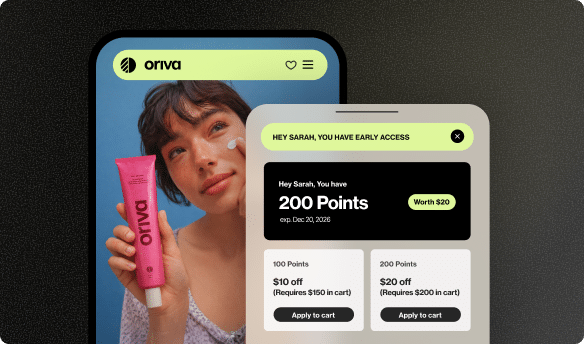







The classic “buy ten, get one free” punch card was once a staple of customer loyalty. In today’s competitive eCommerce landscape, however, that transactional model is no longer enough. Modern consumers have limitless options and expect more than simple discounts. They want recognition, a sense of community, and experiences that affirm their value to a brand. The paradigm has shifted from earning points to earning a meaningful place in a brand’s world.
This guide examines this evolution, moving beyond transactional rewards toward an era of building genuine, lasting relationships.
Key Takeaways
- Move Beyond Transactions: Modern loyalty is about creating emotional connections and community, not just offering discounts.
- Personalization is Paramount: One-size-fits-all rewards are obsolete. Successful programs use data to offer personalized perks through structures like VIP tiers.
- Reward Engagement, Not Just Purchases: Acknowledge and incentivize actions like writing reviews, sharing content, and referring friends to build a stronger brand ecosystem.
- Experiences Create Advocates: Memorable, exclusive experiences often create more lasting value and word-of-mouth marketing than simple price reductions.
- Technology is a Partner: Implementing a sophisticated, future-proof loyalty strategy requires a powerful and flexible technology partner built for the complexities of modern eCommerce.
Why Modern Customer Loyalty Solutions Are Critical for eCommerce Growth
In eCommerce, it’s easy to get preoccupied with acquiring new customers. While customer acquisition is essential, focusing on it exclusively is an unsustainable strategy. Data consistently shows that acquiring a new customer is significantly more expensive than retaining an existing one. This is where a modern loyalty strategy becomes a powerful engine for growth, not a cost center.
Consider the direct impact on your key business metrics:
- Increased Customer Lifetime Value (LTV): Loyal customers purchase more frequently. A well-designed program encourages repeat business, transforming one-time shoppers into a reliable source of revenue.
- Higher Average Order Value (AOV): Loyalty programs often use tiers and incentives that encourage customers to spend more to unlock the next level of rewards, such as free shipping or exclusive products.
- Improved Conversion Rates: A thriving community of loyal customers provides powerful social proof. Features like displaying a reviewer’s VIP status next to their comment can significantly enhance credibility and encourage new shoppers to convert.
- Reduced Customer Churn: An effective loyalty program gives customers a reason to stay. They’ve invested in your brand by earning points and achieving status, making them less likely to be swayed by a competitor.
Ultimately, shoppers want to feel seen and appreciated. A modern loyalty solution provides the framework for building this emotional connection at scale, turning passive buyers into passionate brand advocates.
Understanding The Pillars of Modern Loyalty
The future of customer loyalty is a sophisticated structure supported by several key pillars. Moving beyond a simple points-for-purchase system requires a strategy that is personal, experiential, and deeply connected to your brand’s identity. Let’s examine the five pillars that define a successful, future-proof loyalty solution.
Pillar 1: Personalized & Tiered Rewards
The “one-size-fits-all” approach to rewards is obsolete. Your most valuable, long-term customer shouldn’t receive the same generic coupon as a first-time buyer. Personalization involves rewarding customers based on their unique relationship with your brand.
Beyond Generic Discounts
Effective personalization leverages customer data—like purchase history and browsing behavior—to offer highly relevant rewards. If a customer consistently buys from your sustainable product line, grant them early access to the next eco-friendly collection. This level of targeting shows you’re paying attention and makes the customer feel understood.
The Power of VIP Tiers
One of the most effective methods for personalization is a tiered program. Similar to an airline’s frequent flyer status, tiers tap into the human desire for status and exclusivity. By creating levels like Bronze, Silver, and Gold, you give customers a clear path toward greater rewards. A tiered system introduces a gamified element to shopping and gives your most loyal customers the recognition they deserve.
Pillar 2: Experiential Loyalty
What’s more memorable: a $5 discount or an invitation to an exclusive online workshop with the brand’s founder? While discounts are effective, they are often forgotten. Experiences, in contrast, create lasting emotional connections. These are the “money-can’t-buy” perks that transform customers into genuine brand advocates.
Here are some examples of compelling experiential rewards:
- Exclusive Access: Offer early access to new collections or limited-edition products.
- Community Events: Host members-only virtual events, like a styling session or a Q&A with your design team.
- Content & Education: Provide access to a library of premium tutorials, e-books, or behind-the-scenes footage.
Pillar 3: Engagement-Based Loyalty
If you only reward purchases, you are recognizing just one aspect of a customer’s value. A modern loyalty program understands that engagement is as important as transactions. Rewarding customers for interacting with your brand deepens their connection and encourages behaviors that contribute to growth.
Consider rewarding customers for actions like:
- Writing a product review.
- Sharing user-generated content (UGC).
- Referring a friend.
- Following your brand on social media.
- Completing a profile with their birthday or preferences.
By rewarding these actions, you are training your customers to be active participants in your brand’s ecosystem.
Pillar 4: Community & Values Alignment
Today’s consumers don’t just buy products; they align with brands that reflect their values. A forward-thinking loyalty program can be a powerful tool for demonstrating that your brand represents something more than just profit.
Align your program with your brand’s values:
- Sustainability: Allow customers to redeem points for a charitable donation to an environmental cause.
- Charitable Giving: Let customers donate their points to a charity your brand supports.
- Social Causes: Partner with non-profits that align with your mission and offer customers opportunities to support them.
When customers see that their engagement contributes to a greater good, their loyalty is elevated to an emotional allegiance.
Pillar 5: Seamless Omnichannel Integration
A customer’s experience with your loyalty program must be consistent across every channel. A disjointed experience where points don’t sync or status isn’t recognized can quickly erode trust. An integrated loyalty program should work harmoniously across your eCommerce store, email, SMS, and physical locations.
Putting Theory into Practice: Building Your Loyalty Program
Understanding the pillars of modern loyalty is the first step. The next is implementation. Choosing the right technology partner is crucial for building a sophisticated, engaging program that delivers results. A platform like Yotpo Loyalty provides the framework and strategic support to build the kind of sophisticated program discussed.

Yotpo Loyalty is designed as a strategic partnership to help brands maximize customer lifetime value. Its strength lies in its combination of a flexible, easy-to-use platform with expert guidance. Brands gain access to a team of eCommerce loyalty specialists who help design and optimize a program framework, from launch to ongoing iteration.
The platform excels at helping brands implement the core pillars of modern loyalty:
- Personalized & Tiered Rewards: The platform allows for highly customized and branded VIP tiers and offers a wide range of reward types beyond simple discounts, including free products and exclusive access. Robust and accurate reporting dashboards give marketers true insight into shopper behavior without inflating results.
- Engagement-Based Loyalty: With Yotpo, you can reward a wide range of engagement activities, not just purchases. This includes incentivizing customers to write reviews—a powerful synergy with Yotpo Reviews, where a customer’s VIP status can be displayed next to their review to boost social proof and conversion.
Actionable Best Practices for Your 2026 Loyalty Strategy
Ready to build a loyalty program that resonates with modern consumers? Here are five actionable best practices to guide your strategy.
- Start with Clear Goals. Before designing any rewards, define what you aim to achieve. Do you want to increase your repeat purchase rate by 20% or boost your AOV by $15? Your objectives will dictate the program’s structure.
- Ask Your Customers What They Value. Don’t assume you know what will excite your audience. Use simple surveys or social media polls to ask them directly. You might discover they value early access to products far more than a standard discount.
- Ensure Simplicity and Visibility. A confusing loyalty program will go unused. The rules should be easy to understand. Promote your program prominently across your site and in post-purchase communications.
- Actively Market Your Program. A loyalty program is a product in its own right and requires marketing. Regularly remind customers of their points balance and available rewards through email, SMS, and social media.
- Measure, Analyze, and Optimize. Use your platform’s analytics to track key performance indicators (KPIs). Identify which rewards are most popular and whether your top-tier members are spending more. Use this data to continually refine your offerings.
Conclusion
The future of customer loyalty belongs to brands that move beyond simple, transactional point systems to build genuine, emotion-driven relationships. Success hinges on creating a sense of community, rewarding engagement as much as spending, and offering personalized experiences that make every customer feel valued. This is how you transform one-time buyers into lifelong, passionate advocates.
Building this type of program requires a powerful, flexible, and data-driven technology partner. To bring these strategies to life, you need a solution built for the complexities of modern eCommerce. A platform like Yotpo not only provides the sophisticated tools to create personalized, tiered, and engagement-based programs but also offers the strategic partnership to ensure your success. By investing in a modern loyalty solution, you are investing in the single most important asset for sustainable growth: your customers.
Frequently Asked Questions
What’s the first step to creating a loyalty program?
The first step is to define clear goals. Before you think about points or rewards, decide what you want the program to achieve. Are you trying to increase purchase frequency, boost average order value, or drive more customer reviews? Your goals will shape every other decision you make.
How do I name my loyalty program tiers?
Choose names that reflect your brand’s identity and create a sense of aspiration. Avoid generic names like “Bronze, Silver, Gold.” Instead, get creative! A coffee brand might use “New Brew, Regular, Barista,” while a fashion brand could use “Insider, Stylist, Icon.”
Are points the only way to reward customers?
Not at all! While points are a popular and effective tool, modern loyalty programs incorporate a mix of rewards. Think about experiential perks like early access to new products, invitations to exclusive online events, or free shipping upgrades.
How can I promote my new loyalty program?
Market it like a new product launch! Announce it on your homepage with a banner, send a dedicated email to your customer list, post about it on social media, and include information in your order confirmation messages. Make it visible and exciting.
What’s a common mistake brands make with loyalty programs?
One of the biggest mistakes is “set it and forget it.” A loyalty program isn’t a passive tool; it needs to be actively managed and promoted. Regularly analyze its performance, introduce new rewards, and remind customers of the value you’re offering to keep it engaging.
Can loyalty programs work for B2B eCommerce?
Yes, absolutely. While the rewards might differ, the core principles are the same. A B2B loyalty program could offer perks like tiered discounts on bulk orders, early access to new product lines, or dedicated account manager support for top-tier members.
How do values-based rewards work?
Values-based rewards connect your program to a cause your customers care about. For example, you can allow members to redeem their points for a donation to a specific charity or plant a tree for every referral they make. This builds a deeper, more emotional connection.
What’s the difference between a tiered program and a simple points program?
A simple points program rewards everyone the same way (e.g., 1 point per dollar spent). A tiered program creates different levels of status based on spending or engagement. This gamifies the experience, giving customers a goal to strive for and allowing you to offer your best perks to your most valuable customers.
How often should I update my loyalty program?
It’s a good practice to review your program’s performance quarterly and consider making updates once or twice a year. This could involve refreshing the rewards, adding a new way to earn points, or running a special promotion. This keeps the program fresh and top-of-mind for your customers.
What role does data play in a modern loyalty program?
Data is the engine. It allows you to personalize rewards based on a customer’s purchase history, segment your members for targeted campaigns (e.g., sending a special offer to your VIPs), and measure the program’s return on investment (ROI) to make smarter decisions.
Is it better to offer a percentage discount or a fixed amount discount?
It depends on your goals. Fixed amount discounts (e.g., “$10 off”) often feel more tangible and can be very effective at driving a first-time redemption. Percentage discounts (e.g., “15% off”) can encourage a higher average order value, as the total savings increase with the cart size. It’s often best to offer a mix of both.
How can I integrate my loyalty program with my physical stores?
This requires an omnichannel approach where your point-of-sale (POS) system is connected to your online loyalty platform. This ensures a seamless experience, allowing customers to earn and redeem points whether they’re shopping on your website or in a brick-and-mortar location.
Why is “community” so important for customer loyalty today?
Community transforms the customer-brand relationship from transactional to relational. When customers feel like they are part of a group of like-minded people, their loyalty deepens. A loyalty program can be the foundation for this community, offering a space for connection, feedback, and shared identity.











 Join a free demo, personalized to fit your needs