













In the digital marketplace, your brand’s reputation is a foundational asset. The collective voice of your customers online has a direct and powerful impact on your bottom line, serving as the modern equivalent of word-of-mouth, amplified exponentially.
A strong reputation does more than attract new buyers; it is a critical ingredient for building lasting customer loyalty. When shoppers trust your brand, they are more likely to become repeat customers and advocates. This article explores how strategic online reputation management is the key to fostering that deep, profitable connection.
Key Takeaways: Online Reputation Management
- Reputation Drives Trust: A positive online reputation, built on authentic customer reviews and feedback, is the foundation of trust, which is essential for converting new shoppers and retaining existing ones.
- Reviews are a Cornerstone: Actively collecting, managing, and displaying customer reviews is the most powerful method for managing your online reputation and showcasing social proof.
- Loyalty and Reputation are Linked: A strong reputation encourages repeat purchases, while a dedicated loyalty program can generate the positive experiences that fuel excellent reviews.
- Active Engagement is Crucial: Responding to all feedback, both positive and negative, demonstrates that you value your customers and strengthens their loyalty to your brand.
- Choosing the Right Tools Matters: Specialized tools for reviews and loyalty can automate key processes, provide deeper insights, and help you build a stronger, more resilient brand.
What is Online Reputation Management?
To effectively manage a brand’s digital presence, one must first understand online reputation management (ORM). This is the process of monitoring, influencing, and managing how your brand is perceived across the internet. It involves listening to conversations about your brand and actively participating to shape a positive narrative. This strategy is not about concealing negative feedback, but rather about building an authentic presence based on transparency and genuine customer experiences.
Effective ORM involves several key activities:
- Monitoring mentions: Tracking what is being said about your brand on review sites, social media, forums, and blogs.
- Collecting customer feedback: Proactively encouraging customers to share their experiences through reviews and surveys.
- Engaging with your audience: Responding to comments, reviews, and questions in a timely and professional manner.
- Showcasing positive content: Highlighting excellent reviews, user-generated content (UGC), and positive press to reinforce your brand’s strengths.
- Addressing negative feedback: Handling criticism constructively to resolve issues and demonstrate your commitment to customer satisfaction.
In essence, ORM is the art and science of ensuring that when a potential customer searches for your brand, they find a narrative of a trustworthy business that consistently delivers on its promises.
The Foundation of Loyalty: Trust and Social Proof
Why does reputation have such a significant impact on loyalty? The principle is rooted in a single, powerful human emotion: trust.
Before the internet, consumers relied on recommendations from friends and family. Today, they turn to the collective wisdom of online reviewers. Studies consistently show that the vast majority of consumers read online reviews before making a purchase. They are seeking social proof—the psychological phenomenon where people assume the actions of others reflect the correct behavior.
When a shopper observes that hundreds of people have purchased a product and left positive feedback, it achieves several objectives:
- Reduces Perceived Risk: Purchasing a new product involves uncertainty. Positive reviews act as a safety net, assuring the shopper that others have had a good experience.
- Builds Credibility: A steady stream of authentic reviews demonstrates that you are an established, legitimate business with real customers.
- Creates an Emotional Connection: Reviews often contain stories about how a product solved a problem or how a great service experience made a difference. This storytelling helps new shoppers connect with your brand on a personal level.
Without this foundation of trust, loyalty is impossible. A customer might take a chance on a brand with a spotty reputation once, but they are unlikely to return. Lasting loyalty is built when a customer’s positive experience aligns perfectly with the positive reputation they encountered online.
Powering Reputation with Customer Reviews
If trust is the foundation, then customer reviews are the building blocks. They are the single most important element of your online reputation. However, a passive approach is insufficient. Brands need a strategy to actively generate, manage, and showcase high-quality reviews. This is where a dedicated reviews platform becomes an indispensable asset for any serious eCommerce business.
Collecting High-Impact Reviews
Not all reviews are created equal. The goal is to collect detailed, authentic reviews enriched with content that helps other shoppers make informed decisions. This includes visual content like photos and videos, which are incredibly persuasive. In fact, shoppers are significantly more likely to make a purchase after seeing customer photos.
A best-in-class solution like Yotpo Reviews is designed specifically to capture these kinds of high-impact reviews. It helps brands turn customer feedback into assets that drive conversions. The process begins with intelligent review requests. By sending automated, customizable emails at the optimal post-purchase moment, you make it exceptionally easy for customers to share their thoughts.

Yotpo enhances the feedback you receive with features such as:
- Photo and Video Reviews: Customers can easily upload visual content directly within the review form, providing powerful social proof.
- Community Q&A: This allows potential buyers to ask questions that are answered by past customers, creating a helpful, community-driven resource on your product pages.
- Smart Prompts: Using AI, the platform can suggest relevant topics for reviewers to discuss, guiding them to provide the specific, detailed information that future shoppers find most valuable.
By focusing on collecting quality content, you build a rich tapestry of social proof that addresses customer questions, overcomes objections, and builds unshakable trust.
Strategically Displaying Reviews for Maximum Impact
Once you have collected compelling reviews, they must be displayed where they will have the most influence. Your reviews should be integrated throughout the shopping journey to guide customers toward a confident purchase.
This is another area where a specialized platform provides significant advantages. Yotpo Reviews offers a suite of customizable, on-site widgets designed to boost engagement and conversions:
- Customizable Galleries: Showcase your best visual UGC in beautiful, eye-catching galleries on your homepage, category pages, or product pages.
- Review Highlights: Extract the most compelling quotes from reviews and feature them prominently.
- AI-Powered Summaries: An AI Reviews Summary widget can analyze all reviews for a product and present a concise summary of key themes, saving shoppers valuable time.
- Smart Filters: Allow shoppers to easily filter reviews by topic, rating, or product attributes, helping them find the most relevant information quickly.
By strategically placing this user-generated content, you transform your website from a simple catalog into a dynamic, trust-building experience.
From Positive Reputation to Lasting Loyalty
A strong reputation is highly effective for acquiring new customers, but its true power lies in its ability to foster loyalty. When a customer’s first purchase experience meets or exceeds the expectations set by your online reviews, you have laid the groundwork for a long-term relationship.
This is where loyalty programs become essential. A well-designed program gives customers a compelling reason to return, turning a one-time buyer into a repeat customer and, eventually, a brand advocate. The connection between reputation and loyalty is a two-way street: a great reputation drives the initial purchase that leads to loyalty, while a great loyalty program creates the happy, engaged customers who leave positive reviews.
Designing a Loyalty Program that Builds Advocates
Modern loyalty programs are about more than earning points; they are about creating a cycle of engagement that makes customers feel valued. A top-tier solution like Yotpo Loyalty gives brands the flexibility to build a unique, branded program that aligns with their business goals.
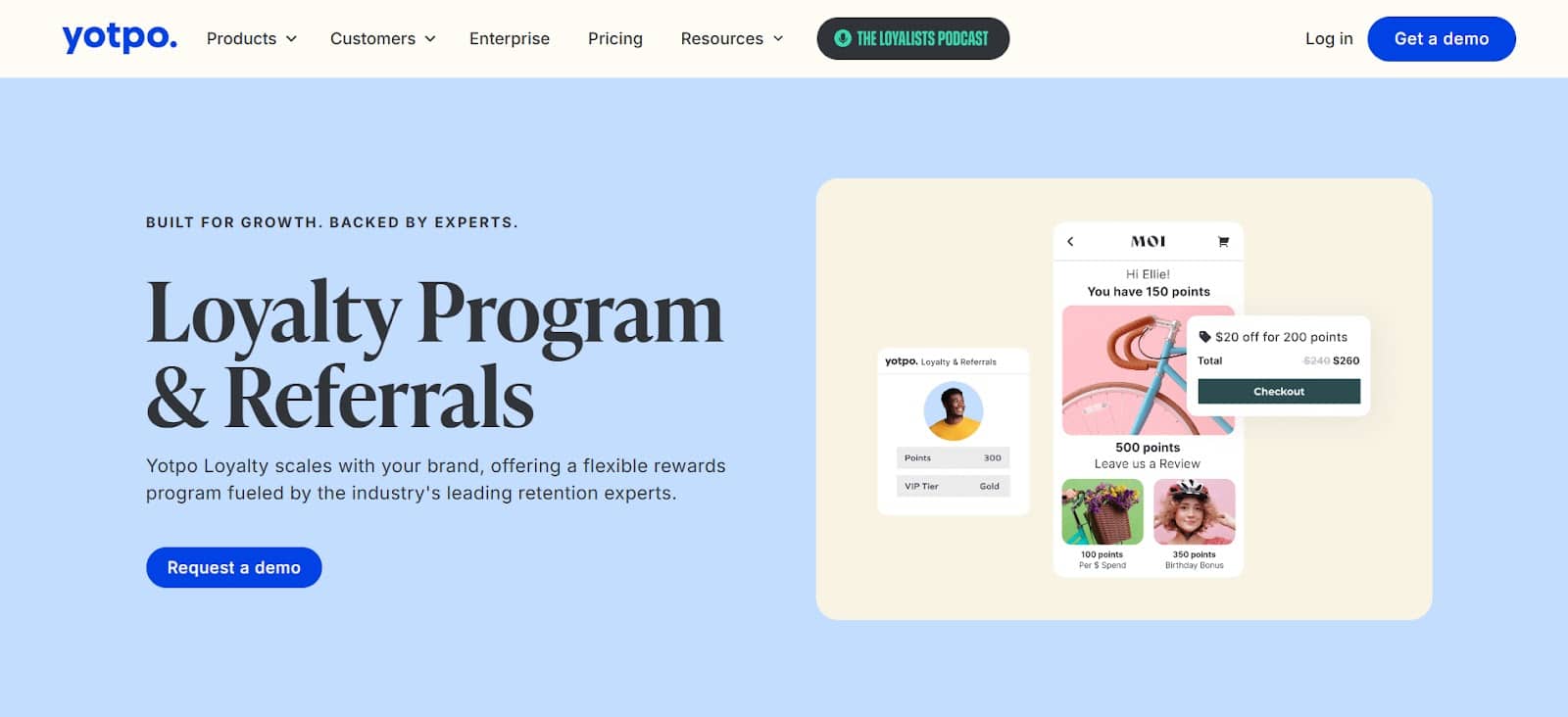
With a platform like Yotpo Loyalty, you can move beyond simple transactional rewards and build a more sophisticated program that includes:
- Tiered VIP Programs: Reward your best customers with exclusive perks, early access to sales, and special recognition to encourage repeat business.
- Diverse Earning Opportunities: Allow members to earn points for actions that build your community and reputation, such as writing reviews, sharing on social media, or referring friends.
- Personalized Rewards: Use data to offer rewards that are truly valuable to your customers, such as a free product or a special birthday gift.
- Referral Programs: Turn your loyal customers into a powerful acquisition channel by incentivizing them to spread the word.
A key advantage of a powerful loyalty platform is the ability to segment your customers. Yotpo Loyalty provides robust analytics and segmentation capabilities, allowing you to create customized journeys for different customer groups and ensure every communication feels relevant and personal.
The Synergy Between Reviews and Loyalty
The most effective strategies emerge when you connect your reputation management efforts with your loyalty initiatives. For instance, with Yotpo, you can seamlessly reward loyalty points to customers who leave a review. This simple synergy creates a powerful feedback loop:
- A customer makes a purchase.
- They receive an invitation to join your loyalty program and an incentive to leave a review.
- They leave a detailed review, earning points for their contribution.
- This high-quality review helps convert a new shopper.
- The customer uses their points on a future purchase, reinforcing their loyalty.
- The cycle continues.
This integration strengthens both your reputation and your retention efforts simultaneously.
The Active Component of ORM: Engagement and Responsiveness
A critical part of online reputation management is active engagement. Your reputation is shaped not only by what customers say but also by how you respond. Engaging with customer feedback is your opportunity to control the narrative and demonstrate your commitment to customer satisfaction.
Responding to Positive Reviews
Replying to a 5-star review is a valuable opportunity. When you thank a customer for their positive feedback, you make that individual feel appreciated, which reinforces their loyalty. Additionally, you show every potential customer who reads that review that you are an engaged and caring brand. A simple, personalized thank you can have a lasting impact.
Handling Negative Reviews with Grace
No brand is perfect, and negative reviews are inevitable. How you handle them defines your reputation. Ignoring negative feedback can signal to other shoppers that you are indifferent to customer problems.
Instead, view negative reviews as an opportunity to improve. Follow these steps to turn a negative situation into a positive one:
- Respond Quickly and Publicly: Acknowledge the customer’s issue promptly to show you are attentive.
- Apologize and Empathize: Begin by apologizing for their negative experience and show empathy for their frustration.
- Take the Conversation Offline: Offer to resolve the specific issue privately. Provide a customer service email or phone number to prevent a lengthy public exchange.
- Learn from the Feedback: Use negative reviews as a source of valuable information to improve your products or operations.
When potential customers see you handle criticism professionally, it often builds more trust than a page of flawless reviews.
Choosing the Right Tools for Reputation and Loyalty
Managing your online reputation and building a loyalty program manually is not feasible for a growing business. To execute these strategies effectively, you need specialized tools that can automate processes, provide deep insights, and scale with your brand. It is important to consider platforms built specifically for the demands of eCommerce.
A premier reviews solution should excel at collecting high-quality content, including photos and videos, and provide a suite of customizable widgets to display this social proof across your site. Look for AI-powered tools that can help you derive deeper insights from customer feedback.
Similarly, a modern loyalty platform must be flexible and data-driven. The best solutions allow you to create unique, branded experiences that foster an emotional connection with customers. Key features include tiered VIP programs, a wide range of earning opportunities beyond purchases, and robust segmentation for personalized campaigns.
By investing in the right technology, you can build a powerful engine for growth where a stellar reputation and deep customer loyalty work together to create a resilient, profitable brand.
Conclusion: Your Reputation is Your Most Valuable Asset
In today’s competitive digital landscape, your online reputation is more than just a rating; it’s the engine of customer loyalty. By proactively managing your brand’s narrative through authentic customer reviews, you build the essential foundation of trust. Engaging with feedback shows you value your customers, strengthening their connection to your brand. When combined with a strategic loyalty program, a stellar reputation creates a powerful cycle of acquisition and retention. This isn’t a passive activity but a core business strategy. Investing in the right tools for reviews and loyalty is investing in sustainable, long-term growth for your business.
FAQs: Online Reputation Management
What is the first step in creating an online reputation management strategy?
The first step is to conduct a reputation audit. You need to understand your current standing. Search for your brand name on Google, check major review sites in your industry, and examine conversations on social media. This initial research will provide a baseline and help you identify the areas that need the most attention, whether it’s a lack of reviews, a few prominent negative comments, or a minimal social presence.
How can I encourage more customers to leave reviews?
The key is to make the process as simple as possible. First, automate your review requests to ensure you are asking at the optimal time after a purchase. Second, consider offering a small incentive, like loyalty points or a discount on a future purchase. Finally, explain why their feedback is important. A simple message like, “Your review helps other shoppers make informed decisions,” can be very effective.
Should I respond to every single review I receive?
While it’s a great goal, it may not be practical for brands receiving hundreds of reviews daily. Prioritize your responses. You should always aim to respond to all negative or critical reviews. For positive reviews, engage with a significant portion of them, especially those that are particularly detailed or enthusiastic. A personalized thank you can turn a happy customer into a lifelong fan.
How can I deal with fake or malicious reviews?
This is a challenging but important issue. First, never engage in a public argument. Most review platforms have a process for flagging and reporting reviews that violate their terms of service. Follow the platform’s process to request removal. In your public response, remain professional. You might state, “We have no record of this customer in our system, but we would be happy to investigate this further if they would contact our support team directly.”
How long does it take to build a positive online reputation?
Building a strong reputation is a long-term commitment. It requires consistent effort over time. You may start seeing positive changes within a few months of implementing a proactive review collection strategy, but creating a truly resilient and trusted brand reputation can take a year or more. Consistency in delivering great products and service is crucial.
What are the most important metrics to track for ORM?
You should track both quantitative and qualitative metrics. Key quantitative metrics include your average star rating, the total number of reviews, and your review conversion rate. For qualitative metrics, analyze the sentiment of your reviews. Are customers generally satisfied? What are the common themes or topics they mention? This feedback is invaluable for improving your business.
Can a good reputation really help with my website’s SEO?
Absolutely. Search engines like Google aim to provide the most relevant and trustworthy results. Customer reviews are a powerful signal of trust and authority. A high volume of recent, positive reviews can help your product pages rank higher in search results. Furthermore, Google Seller Ratings, which are aggregated from review sources, can add stars to your Google Ads, potentially increasing your click-through rate.
What role does social media play in online reputation management?
Social media is a major component of ORM. It’s where many customers voice their opinions, ask questions, or share their experiences. It is essential to monitor your social channels closely, respond to comments and messages quickly, and share positive user-generated content. An active, engaging social media presence helps build a community and shows that your brand is accessible and authentic.
How does user-generated content (UGC) differ from standard reviews?
User-generated content is a broad category that includes reviews but also encompasses any brand-related content created by customers. This most often refers to customer photos and videos. While a written review is powerful, a photo of a real customer using and enjoying your product provides a different, often more impactful, form of social proof.
Is it a good idea to gate reviews, meaning only showing positive ones?
No, this practice can destroy customer trust. Transparency is key. Shoppers are savvy, and a page with only flawless 5-star reviews can appear suspicious or censored. A mix of reviews, including some critical ones that you have responded to professionally, is actually more credible and shows you are a real business committed to addressing issues.
How can I leverage my reputation in my marketing campaigns?
Your positive reputation is one of your best marketing assets. Use quotes from top reviews in your email newsletters and social media posts. Create ad campaigns that feature customer photos and videos. Add star ratings and review counts to your product ads. By weaving social proof into all of your marketing channels, you amplify its power and build trust at every customer touchpoint.
What’s the biggest mistake brands make with online reputation?
The biggest mistake is being reactive instead of proactive. Many brands wait until a reputation crisis occurs before paying attention. By then, it is much harder to resolve the problem. The best approach is to be proactive from day one by consistently delivering great service and actively managing your feedback channels.
How do loyalty programs contribute to a better reputation?
Loyalty programs create a base of highly engaged, satisfied customers. These are the customers most likely to leave positive reviews, recommend you to friends, and defend your brand online. The program itself becomes a positive talking point. When customers feel appreciated and rewarded, they are more likely to share those positive feelings publicly, directly contributing to a stronger online reputation.


 Join a free demo, personalized to fit your needs