


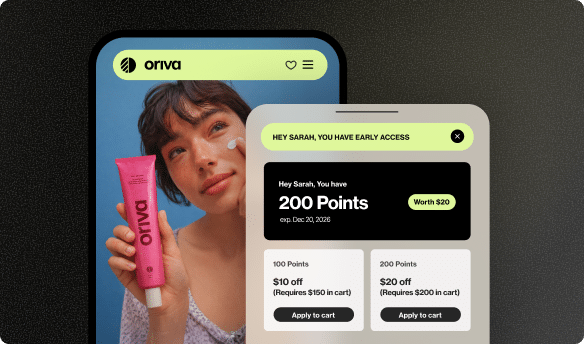







Choosing the right loyalty software is a pivotal decision that can shape the future of your customer relationships and drive sustainable growth. In a competitive eCommerce landscape where attracting new customers is increasingly expensive, the focus has shifted. The real advantage is found in turning first-time buyers into lifelong brand advocates who purchase again and again.
A well-designed loyalty program is your most powerful tool for achieving this. With numerous options available, the challenge lies in identifying the software that truly fits your brand, effectively engages your customers, and delivers a tangible return on investment.
Key Takeaways
- Define Clear Goals: Before evaluating software, determine your primary objectives. Are you focused on increasing repeat purchase rates, boosting average order value (AOV), or cultivating a community of brand advocates? Your strategic goals will dictate the necessary features.
- Understand Your Customer: Analyze what motivates your audience. Do they value transactional benefits like discounts, or are they more interested in exclusive product access and a sense of community? The most successful loyalty programs are tailored to the specific desires of the customers they serve.
- Prioritize Essential Features: Seek software with robust capabilities in core areas such as points and rewards systems, VIP tiers, referral programs, deep branding customization, and seamless integrations with your existing eCommerce and marketing technology stack.
- Focus on the User Experience: The program must be intuitive and easy for customers to understand, join, and interact with. A complicated or clunky interface will suppress engagement before it has a chance to build.
- Select a Strategic Partner, Not Just a Vendor: Leading loyalty software providers offer more than technology. They deliver expert guidance, strategic support, and data-driven insights to help you construct and scale a successful program.
- Avoid Common Pitfalls: Steer clear of frequent mistakes like offering generic rewards, failing to adequately promote your program, choosing a system that cannot scale with your business, and neglecting the valuable data your program generates.
Why a Loyalty Program Is No Longer Optional
In the early days of eCommerce, the primary focus was on customer acquisition. Brands allocated the majority of their budgets to advertising and marketing campaigns designed to attract as many new buyers as possible. While acquisition remains a necessary component of growth, the market has matured. Today, forward-thinking brands understand that customer retention is the cornerstone of profitability.
Consider economics. Your existing customers already know and trust your brand. They have had a positive experience with your products. It costs significantly less to encourage a subsequent purchase from them than it does to convince a stranger to buy from you for the first time. This is the strategic imperative for a loyalty program.
A loyalty program formalizes and enhances the relationship you have with your customers. It provides a structured framework for recognizing and rewarding them for their repeat business, transforming transactional interactions into long-term, emotional connections. The benefits are substantial:
- Increased Customer Lifetime Value (CLTV): Loyal customers purchase more frequently and tend to spend more per transaction. By incentivizing repeat business, you directly increase the total revenue each customer contributes over their entire relationship with your brand.
- Higher Engagement: A loyalty program provides a reason for customers to interact with your brand outside of the buying cycle. They might log in to check their points balance, explore available rewards, or refer a friend. Each touchpoint reinforces their connection to your brand.
- Valuable Zero-Party Data: Your loyalty program is a rich source of zero-party data. You gain insights into your customers’ purchasing habits, which rewards they find most appealing, and who your most valuable brand advocates are. This information enables the creation of more personalized and effective marketing strategies.
- Enhanced Brand Advocacy: When customers feel valued, they are more likely to become vocal proponents of your brand. An effective loyalty program, particularly one with a robust referral component, can transform your best customers into a powerful and authentic marketing channel.
Ultimately, a loyalty program is an investment in your most valuable asset: your customers. Now, let’s explore how to choose the software that will help you maximize that investment.
How to Choose the Right Loyalty Software: A Step-by-Step Guide
Selecting loyalty software can appear complex, but structuring the process into logical steps brings clarity. By following this guide, you can confidently evaluate your options and choose a solution that aligns with your brand’s unique strategic requirements.
Step 1: Define Your Goals and Objectives
Before scheduling any demonstrations, you must first define what you intend to accomplish. A loyalty program can serve multiple purposes, and your primary goals will determine which software features are critical. Convene with your team to answer these foundational questions:
- What is our main objective? Are you trying to increase purchase frequency, boost the average order value, reduce customer churn, or build a more engaged community around your brand?
- What specific metrics will we use to measure success? Define your key performance indicators (KPIs) from the outset. These could include repeat purchase rate, CLTV, customer satisfaction scores, or the number of successful referrals.
- Who is the target audience for this program? Are you aiming to engage your entire customer base, or is the focus on rewarding your most valuable, high-spending customers?
Once you have clear, measurable goals, you have established a framework for evaluating different software options. For instance, if increasing AOV is your primary goal, you will need to prioritize software that allows for sophisticated tiered rewards that motivate customers to spend more to unlock superior perks.
Step 2: Understand Your Customers and What Motivates Them
Your loyalty program exists for your customers; therefore, it must be designed with their preferences at its core. A program that resonates with a beauty brand targeting Gen Z may not be suitable for a home goods store with an older, more established demographic.
Invest time in researching your customer base through surveys, analysis of past purchase data, and industry trend reports. Seek to understand:
- What kind of rewards do they value? Are they primarily motivated by transactional benefits like discounts and free shipping, or would they be more excited by experiential rewards like early access to new products, exclusive content, or invitations to special events?
- How do they prefer to interact with brands? Are they highly active on social media, responsive to email marketing, or more likely to engage with on-site notifications during their shopping journey?
- What is their current purchasing behavior? How often do they buy, and what is their typical spending threshold? This information is vital for designing a program with achievable and motivating reward milestones.
The deeper your understanding of your customers, the better positioned you will be to create a loyalty program that they will actively use. The right software will provide the flexibility to build a program that speaks directly and compellingly to your audience.
Step 3: Identify the Key Features You Need
With your goals and customer insights established, you can now construct a checklist of essential software features. While every business has unique needs, there are several core capabilities that any high-performing loyalty platform should offer.
Points and Rewards Structure
This is the engine of your program. Your software should provide maximum flexibility in determining how customers earn points and the variety of rewards for which they can redeem them.
- Earning Rules: Look for the ability to award points for a wide range of engagement activities beyond purchases. Can you reward customers for creating an account, subscribing to your newsletter, following your brand on social media, or leaving a product review? The more avenues for earning points, the more engaged your customers will be.
- Redemption Options: The platform should support a diverse array of reward types. This could include fixed-amount discounts, percentage-based discounts, free shipping, or even complimentary products. Offering a mix of redemption options maintains interest and appeals to a broader range of customer preferences.
VIP Tiers
A tiered system is a powerful motivator for customers to increase their spending and engagement. As customers ascend through tiers, they unlock progressively more valuable benefits. Your software should enable you to:
- Create custom tiers with unique names and branding that align with your brand identity.
- Set clear entry criteria for each tier, based on metrics such as points earned, total amount spent, or purchase frequency.
- Offer tier-specific rewards, such as exclusive discounts, early access to sales, a higher points-earning multiplier, or unique experiential perks.
Referral Program
Your most satisfied customers can become your most effective marketers. An integrated referral program makes it simple for them to advocate for your brand. Look for software that:
- Provides unique, easily shareable referral links or codes for each customer.
- Facilitates a two-sided incentive, rewarding both the referrer for their advocacy and the new customer for their first purchase.
- Tracks referral performance with detailed analytics so you can identify and further engage your top brand advocates.
Customization and Branding
Your loyalty program must feel like a seamless extension of your brand, not a generic, third-party application. The software must offer robust customization capabilities.
- On-Site Elements: You must be able to customize the look and feel of all on-site widgets, pop-ups, and the dedicated loyalty program page to perfectly match your website’s design system, including colors, fonts, and imagery.
- Email Communications: The ability to fully customize all loyalty-related emails—such as points balance updates and reward notifications—is crucial for maintaining a consistent and professional brand voice.
Integrations
Your loyalty software does not operate in isolation. It must connect seamlessly with the other critical tools in your technology stack. Verify the existence of deep, reliable integrations with:
- Your eCommerce Platform: This is non-negotiable. The software must integrate flawlessly with Shopify, BigCommerce, Adobe Commerce, or your platform of choice.
- Your Email Service Provider (ESP) and SMS Marketing Tool: This allows you to syndicate loyalty data into your broader marketing communications, enabling highly personalized and timely messaging.
- Other Marketing Tools: Look for integrations with platforms for reviews, subscriptions, and customer support to create a unified and cohesive customer journey.
Analytics and Reporting
Effective program management is impossible without robust measurement. The right loyalty software will provide actionable insights into your program’s performance.
- Key Metrics Dashboard: You need an intuitive dashboard that clearly displays key performance indicators such as enrollment rate, redemption rate, and the revenue directly attributable to program members.
- Customer Segmentation: The ability to segment your customer base on attributes like loyalty status, purchase history, and tier level is exceptionally powerful. This allows you to execute highly targeted and relevant campaigns.
- ROI Tracking: The software should make it straightforward to calculate and demonstrate the return on investment your loyalty program is delivering to the business.
Step 4: Evaluate the Software Provider
With a clear checklist of required features, you can begin to evaluate specific providers. This is the stage for scheduling demos to see the software in action. When assessing your options, it’s crucial to look beyond just the feature set and consider the company behind the technology.
A premier choice like Yotpo approaches loyalty as a strategic partnership. Yotpo Loyalty is engineered not just as a tool, but as a growth engine for your business. It’s built on the philosophy that a successful program is about more than points; it’s about creating a virtuous cycle of engagement that drives repeat purchases and maximizes customer lifetime value.

With Yotpo, you gain access to a team of eCommerce loyalty experts who leverage deep market experience to help you architect a dynamic program tailored to your unique business model and goals. This “extension of your team” approach, which includes strategic guidance from a dedicated Customer Success Manager, is a significant differentiator.
Step 5: Consider Your Budget and Potential ROI
Loyalty software pricing models vary, so it is important to understand the different structures and find one that aligns with your financial plan. Common pricing structures include:
- Tiered pricing based on the number of monthly orders or active customers.
- Flat monthly subscription fees.
- Usage-based pricing.
However, you must look beyond the direct cost and analyze the potential return on investment. A platform that commands a higher price point but provides superior strategic guidance and more advanced features could generate significantly more revenue than a less expensive, more basic option. Use provider case studies and your own business metrics to project the potential lift in repeat purchases, AOV, and CLTV.
Step 6: Plan for Implementation and Support
The most powerful software is ineffective if it is difficult to implement or if support is unavailable when needed. As you evaluate providers, inquire specifically about:
- The onboarding process: Do they offer a dedicated implementation specialist to ensure a smooth and correct setup?
- Ongoing support: What are the support channels and hours of availability? Can you reach a knowledgeable support team by phone, email, or live chat? Is a dedicated customer success manager included in your plan?
- Strategic guidance: Does the provider offer proactive advice and best practices to help you optimize your program over time? This can be a major differentiator and is a key reason to consider a partner who makes strategic success a core part of their offering.
Common Mistakes to Avoid When Choosing and Launching a Loyalty Program
Understanding best practices is only half the equation. It is equally important to be aware of common pitfalls. Here are some of the most frequent mistakes brands make with their loyalty programs.
1. Choosing a Solution That Can’t Scale
At the outset, a simple, low-cost loyalty application might seem sufficient. However, you must consider your future needs. As your business grows, will that application handle an increased volume of orders and customers? Will it offer the advanced features you will eventually require, such as API access for custom development or complex segmentation? Selecting a platform that can scale with your business from the beginning will prevent the significant disruption of a future program migration.
2. Offering Generic, Uninspiring Rewards
A program based on the simple premise of “earn 1 point for every dollar spent and get $5 off at 500 points” is functional but uninspired. Your customers encounter this basic structure frequently. To truly differentiate your brand, you must offer rewards that are unique, compelling, and valuable to your specific customer base. Consider incorporating experiential rewards, early product access, or exclusive content.
3. Creating a Confusing Customer Experience
If customers find your program difficult to understand or use, they will disengage. The earning and redemption processes must be straightforward and intuitive. Your on-site messaging should be exceptionally clear, and customers must be able to easily access their points balance and see the rewards for which they are eligible.
4. Forgetting to Promote Your Program
You can design the most brilliant loyalty program, but if no one is aware of it, it cannot succeed. A comprehensive promotional plan is essential. Announce the program to your email subscribers, create engaging content for social media, feature a prominent banner on your homepage, and empower your customer service team to mention it in their interactions.
5. Ignoring the Data
Your loyalty program will generate a continuous stream of valuable customer data. Do not let it go underutilized. Regularly review your program’s performance in your analytics dashboard. Which rewards are most popular? Who are your most engaged members? Are there friction points in the customer journey? Use these insights to continuously test, refine, and improve your program.
6. Prioritizing Price Over Value
It can be tempting to select the lowest-priced software option, but this is often a false economy. A low-cost solution may lack the critical features, dedicated support, and strategic guidance necessary to build a truly effective and profitable program. When evaluating your options, focus on the total value and potential ROI, not just the monthly fee. The right partner will help you generate a return that far exceeds the cost of the software.
Conclusion
Choosing the right loyalty software is a strategic decision that will have a lasting impact on your business. By methodically defining your goals, understanding your customers, and carefully evaluating your options, you can find a solution that not only meets your technical requirements but also serves as a true partner in your growth.
Remember, the objective is not merely to implement a tool; it is to build a program that cultivates genuine, enduring loyalty. Look for a provider with deep eCommerce expertise, a demonstrated commitment to your success, and a platform that offers the flexibility to create an experience as unique as your brand. With the right software and a thoughtful strategy, you can transform your customers into a thriving community of brand advocates who will fuel your growth for years to come.
Frequently Asked Questions
How do I measure the success of my loyalty program?
Measuring success begins with the strategic goals you defined at the outset. You should consistently track key performance indicators (KPIs) such as repeat purchase rate, customer lifetime value (CLTV), average order value (AOV), and customer churn rate. The best loyalty software provides a robust analytics dashboard that simplifies the monitoring of these metrics and the calculation of your program’s overall return on investment (ROI).
What’s the difference between a points-based system and a tiered system?
A points-based system is the foundational mechanic of most loyalty programs, where customers earn points for actions like purchases or reviews and redeem them for rewards. A tiered system is a strategic layer built on top of that. It segments customers into levels (e.g., Bronze, Silver, Gold) based on their spending or engagement. As customers advance to higher tiers, they unlock superior perks, such as an accelerated points-earning rate or exclusive sales access. The most effective programs strategically combine both systems.
Can loyalty software integrate with my existing marketing tools?
Yes, and this is an absolute requirement for a modern program. Seamless integration is critical for operational efficiency and creating a cohesive customer experience. Your loyalty software must connect deeply with your eCommerce platform to track purchases and with your email and SMS marketing platforms to enable personalized communications based on a customer’s loyalty status, points balance, and tier level.
How much customization should I expect from loyalty software?
You should expect a high degree of deep customization. Your loyalty program must present as a core, integrated part of your brand experience. Look for software that allows you to fully customize the on-site widgets, the dedicated loyalty landing page, and all related email communications to perfectly align with your brand’s fonts, colors, and established voice.
What kind of support should I look for from a software provider?
Look for a provider that functions as a strategic partner, not merely a vendor. This includes a comprehensive onboarding process, responsive 24/7 technical support, and, ideally, a dedicated customer success manager. A superior partner provides ongoing strategic guidance, sharing best practices and data-driven insights to help you continuously optimize your program for maximum performance.
How do I encourage customers to sign up for my loyalty program?
A proactive promotional strategy is essential. Ensure the program is highly visible on your website with clear calls-to-action. Offer an immediate incentive for enrollment, such as a one-time bonus of welcome points. Promote the program consistently across all your marketing channels, including email newsletters, social media, and even within transactional communications like order confirmations.
What are some non-monetary rewards I can offer?
Non-monetary or experiential rewards are incredibly effective for building a strong emotional connection with your brand. Consider offering early access to new product launches, invitations to exclusive online or in-person events, access to a private community forum, or a complimentary consultation with one of your product experts.
How often should I communicate with my loyalty program members?
Communication should be regular but strategic. Send automated emails for key milestones such as earning points, unlocking a new tier, or when a new reward is available. A monthly points balance update is also an effective tactic to keep the program top-of-mind and encourage members to return to your site to engage with their benefits.
Is a referral program considered part of a loyalty program?
Yes, a referral program is a powerful and synergistic component of a comprehensive loyalty strategy. It leverages the trust and advocacy of your existing loyal customers to acquire new, high-intent customers. The best loyalty software includes an integrated referral module that simplifies the process of sharing, tracking, and rewarding successful referrals.
How long does it take to see results from a new loyalty program?
Initial results, such as a surge in sign-ups and engagement, can often be observed within the first few weeks of launching and promoting your program. However, the more significant, long-term benefits—such as a measurable increase in customer lifetime value and repeat purchase rate—typically become evident over the first three to six months as members have more time to fully engage with the program’s structure.
Can I offer different rewards to different customer segments?
The most advanced loyalty platforms support this capability. By leveraging sophisticated segmentation, you can create and deploy targeted offers for distinct customer groups. For example, you might run a special bonus point event exclusively for your VIP tier members or send a unique “win-back” reward to customers who have not purchased in a while.
Should my loyalty program be free to join?
For the vast majority of eCommerce brands, the core loyalty program should be free to join. This approach removes any friction or barrier to entry and encourages the broadest possible participation. While some brands experiment with a paid, premium tier for their most dedicated fans, the base program should always remain accessible to all customers.
What is the single biggest mistake to avoid with a loyalty program?
The most significant mistake is adopting a “set it and forget it” mentality. A loyalty program is not a passive tool; it is a dynamic marketing engine that requires ongoing strategic management. You must continuously promote it, analyze the data it generates, and iterate on your rewards and earning rules to keep it fresh, engaging, and aligned with your customers’ evolving expectations.











 Join a free demo, personalized to fit your needs