


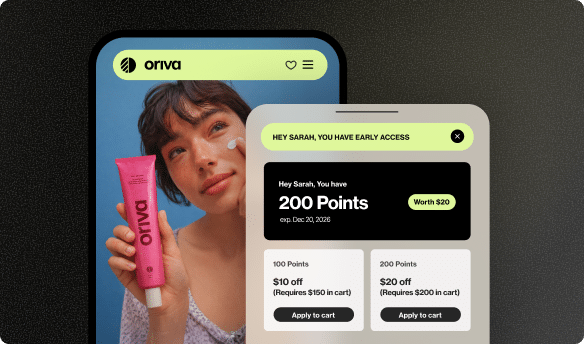






In today’s crowded eCommerce landscape, acquiring new customers is a significant investment. Industry analysis consistently shows it costs at least five times more to attract a new customer than to retain an existing one. This reality is compelling smart brands to shift their focus from acquisition-at-all-costs to building genuine customer loyalty.
Customer loyalty represents the ongoing emotional and transactional relationship between a customer and a brand. It shows up as a customer’s willingness to repeatedly purchase from and engage with that brand over its competitors. This is more than just a repeat purchase. It’s a deliberate choice driven by trust, positive experiences, and a sense of connection. This guide explores the strategies to transform one-time buyers into lifelong advocates.
Key Takeaways
- Loyalty is a Spectrum: Customer loyalty ranges from fragile, habit-based behavior to deep, emotional connections. The goal is to move customers toward emotional loyalty.
- Proven Strategies Drive Retention: Effective tactics include points-based programs, tiered VIP structures, personalized rewards, community building, referral programs, and exceptional customer service.
- Strategy Over Software: A successful loyalty program requires more than just a tool. It demands a strategic partner who provides expertise in design, launch, and optimization.
- Yotpo Loyalty Excels: Yotpo Loyalty provides unmatched flexibility, robust reporting, and a dedicated partnership model to help brands build customized, profitable loyalty programs.
- Top Brands Offer Valuable Lessons: Brands like Starbucks, Sephora, and Nike demonstrate the power of gamification, exclusivity, and community in building lasting loyalty.
The Core Types of Customer Loyalty
To build loyalty effectively, it’s essential to understand its different forms. Loyalty exists on a spectrum, from simple repeat behavior to a deep emotional bond. Differentiating between these types allows you to tailor your strategies to cultivate the most valuable and resilient connections with your customers.
Behavioral Loyalty (The Habitual Buyer)
Behavioral loyalty is rooted in habit. These customers buy from you repeatedly, but their rationale is often practical rather than emotional. This behavior may be driven by convenience, consistent pricing, or simply the absence of a compelling reason to switch.
- Key Driver: Convenience, price, or inertia.
- Characteristics: High repeat purchase frequency but low emotional attachment.
- Risk Level: High. These customers are susceptible to being poached by competitors offering better pricing, superior convenience, or an attractive introductory offer.
While behavioral loyalty provides a foundation, it is the most fragile form. The strategic objective should be to convert this habitual behavior into a more durable, emotion-based relationship.
Emotional Loyalty (The Brand Advocate)
This form of loyalty is the ultimate goal for brands. Emotional loyalty thrives when customers have a genuine, positive feeling toward your brand. They don’t just purchase your products; they believe in your brand’s mission and values. They trust you, recommend you to their social circles, and are significantly more forgiving when service issues arise.
- Key Driver: Positive experiences, shared values, and a strong sense of connection.
- Characteristics: High repeat purchase rates, consistent engagement, and active advocacy.
- Risk Level: Low. These customers demonstrate high resilience to competitor offers.
Emotional loyalty cultivates true brand advocates who deliver immense value far beyond their individual purchasing power.
Attitudinal Loyalty (The Rational Choice)
Attitudinal loyalty is a conscious commitment based on a customer’s positive perception of a brand’s unique value proposition. These customers have evaluated their options and concluded that your brand consistently delivers the best quality, value, or service for their needs. Their loyalty stems from sustained satisfaction and trust.
- Key Driver: Perceived value, satisfaction, and trust in the brand’s offerings.
- Characteristics: A stated preference for your brand and a clear intention to repurchase.
- Risk Level: Medium. A noticeable decline in quality or a substantially superior offer from a competitor could influence their decision.
Cognitive Loyalty (Top-of-Mind Preference)
Cognitive loyalty is based on a customer’s knowledge and beliefs about a brand. It is the most rational form of loyalty, where a choice is made because it is the most logical or convenient option based on available information. This often arises from brand familiarity.
- Key Driver: Information, familiarity, and convenience.
- Characteristics: The brand is the first to come to mind when a need arises.
- Risk Level: Medium to High. If a competitor presents superior factual advantages, the customer may be inclined to switch.
Understanding these types reveals a clear path for eCommerce brands: the primary mission is to elevate fragile behavioral and cognitive loyalty into robust attitudinal and emotional loyalty through deliberate, strategic initiatives.
Proven Strategies for Building Lasting Customer Loyalty
Developing a loyal customer base is not a matter of chance. It requires a thoughtful strategy that provides consistent value and fosters a genuine connection. Here are six proven strategies that successful eCommerce brands employ to convert casual shoppers into devoted fans.
Strategy 1: Implement a Points-Based Loyalty Program
Points-based programs are the most common type of loyalty program because they are intuitive for customers and effective for brands. The core principle is a straightforward value exchange: customers who spend more, earn more.
Best Practices for Points Programs
- Ensure Simplicity: The earning and redemption processes must be clear. For instance, “Earn 1 point for every $1 spent. 100 points = $10 off.”
- Offer Multiple Earning Opportunities: Reward customers for valuable actions like creating an account, subscribing to a newsletter, leaving a review, or following the brand on social media.
- Make Rewards Attainable: Offer a balanced mix of smaller, easily achievable rewards and larger, aspirational ones.
- Visualize Progress: Display a customer’s progress toward their next reward using a visual indicator, like a progress bar.
How Yotpo Loyalty Excels with Points-Based Systems
A basic points program is a solid start, but a strategic one drives substantial growth. Yotpo Loyalty is engineered to build these effective programs. It enables you to establish a wide variety of “earning rules” that extend far beyond simple purchases. You can reward customers for social follows, review submissions, birthdays, and more to create a rich, engaging ecosystem.
Yotpo offers extensive customization to ensure your points program aligns perfectly with your brand’s financial goals and customer behavior. You maintain full control over the earn-and-burn ratios, ensuring the program remains profitable while delivering value. This flexibility allows you to construct a simple yet powerful points system that serves as the foundation for a more profound loyalty strategy.

Strategy 2: Create a Tiered VIP Program
Tiered programs elevate the gamification of points systems by introducing a sense of exclusivity and status. Customers unlock new levels of benefits as their spending or engagement increases. This approach taps into the universal desire for recognition and makes your most valuable customers feel genuinely distinguished.
Best Practices for Tiered Programs
- Design Tiers to be Aspirational yet Achievable: The entry-level tier should be easily accessible. Higher tiers should require a significant commitment but remain attainable.
- Offer Meaningful Benefits: Ensure the perks of each tier are genuinely valuable and represent a clear improvement over the tier below.
- Clearly Communicate Tier Benefits: Develop a dedicated landing page that professionally illustrates the tiers and the advantages of each one.
- Recognize and Celebrate Advancement: When a customer achieves a new tier, acknowledge their milestone with a congratulatory email.
Building Dynamic Tiers with Yotpo Loyalty
This is another area where a strategic loyalty platform provides a distinct advantage. With Yotpo Loyalty, you can design highly customized VIP tiers based on various metrics, including points earned, amount spent, or even the number of purchases.
Yotpo’s flexible framework allows you to create unique and compelling tier benefits that resonate with your specific audience. You can implement perks such as tier-specific points multipliers (e.g., Gold members earn 1.5x points), exclusive product access, or differentiated shipping thresholds. Furthermore, Yotpo provides robust reporting to help you analyze the behavior of customers in each tier, enabling you to optimize your program for maximum engagement.
Strategy 3: Offer Personalized Rewards and Experiences
In an era of generalized marketing, personalization is a key differentiator. Generic, one-size-fits-all rewards feel impersonal. Rewards tailored to an individual customer’s preferences and behavior are far more effective.
Best Practices for Personalized Rewards
- Leverage Customer Data: Utilize purchase history, browsing data, and declared preferences to deliver relevant rewards.
- Celebrate Milestones: Acknowledging the anniversary of a customer’s first purchase with a special reward is a simple yet powerful gesture.
- Provide “Choose Your Own Reward” Options: Grant customers a sense of control by allowing them to select their own reward from a curated list.
- Utilize Surprise and Delight: Occasionally send an unexpected reward to a loyal customer without a specific trigger.
Yotpo’s Data-Driven Approach to Personalization
Yotpo Loyalty is engineered to enable this deep level of personalization. The platform allows you to segment customers based on a rich set of data points, including purchase frequency, average order value, and VIP tier.
This capability facilitates the creation of targeted campaigns and the delivery of dynamic, personalized rewards. For example, you can launch a campaign offering double points on a specific product category exclusively to customers who have previously purchased from it. This data-driven approach ensures your personalization efforts are both meaningful for the customer and profitable for your business.
Strategy 4: Foster a Community Around Your Brand
The most loyal customers are not just buying a product; they are aligning with an identity. Building a community around your brand provides a space for these customers to connect with like-minded individuals and with your team. This transforms the customer-brand relationship from purely transactional to participatory.
Best Practices for Community Building
- Establish a Central Hub: This could be a private Facebook group, a dedicated forum on your website, or a Discord server.
- Encourage and Feature UGC: Actively solicit photos and stories from customers using your products. Feature the best submissions on your social media channels.
- Facilitate Meaningful Conversations: Engage with your community. Ask questions, conduct polls, and respond to comments to show you are listening.
- Provide Exclusive Content: Offer your community members access to content unavailable elsewhere, such as behind-the-scenes footage or sneak peeks of upcoming products.
Strategy 5: Leverage Referrals and Word-of-Mouth
Your most loyal customers can be your most effective marketers. A recommendation from a trusted friend carries far more weight than any advertisement. A formal referral program incentivizes this natural word-of-mouth process.
Best Practices for Referral Programs
- Offer a Two-Sided Incentive: Reward both the referrer and the new customer. For example, “Give $20, Get $20.”
- Ensure Effortless Sharing: Provide customers with a unique referral link that is easy to copy and share.
- Promote Your Program Actively: Feature it prominently on your website, in post-purchase emails, and within your loyalty program dashboard.
- Track and Analyze Performance: Monitor which customers are driving the most referrals and which channels are most effective.
Structuring High-Impact Referrals with Yotpo
A successful referral program requires robust tracking and a seamless user experience. Yotpo Loyalty allows you to easily create and manage sophisticated referral programs. You can customize the rewards for both the advocate and their friend, choosing from points, discounts, or even free products.
The platform provides each customer with a unique, shareable link and tracks every step of the process, from the initial share to the completed purchase. This ensures that rewards are distributed accurately and automatically. By integrating referrals directly into your loyalty framework, Yotpo helps you build a self-sustaining cycle of customer acquisition and retention.
Strategy 6: Provide Exceptional Customer Service
This final strategy is the foundation upon which all other loyalty efforts are built. A brand can have the best loyalty program in the world, but poor customer service will undermine any progress. Every interaction is an opportunity to either strengthen or erode trust.
Best Practices for Service-Driven Loyalty
- Be Accessible: Offer support through multiple channels (email, phone, live chat) and make it easy for customers to find help.
- Be Responsive: Acknowledge inquiries quickly. Speed demonstrates respect for the customer’s time.
- Empower Your Team: Give your support agents the authority to resolve problems without unnecessary escalation.
- Listen and Empathize: Train your team to listen carefully and respond with genuine empathy.
By mastering these strategies, you can create a comprehensive ecosystem that nurtures every type of loyalty, systematically converting first-time buyers into lifelong brand advocates.
Real-World Examples of Customer Loyalty from Top Brands
Theory is valuable, but seeing these strategies implemented successfully provides powerful insight. Let’s analyze how some of the world’s leading brands have built loyalty programs that create legions of devoted fans.
Example 1: Starbucks Rewards (The Gamification Master)
Starbucks has developed one of the most recognized and effective loyalty programs globally. Its success is rooted in its brilliant application of gamification and a seamless mobile experience.
- Strategy: A hybrid points and tiered system, deeply integrated into a mobile application.
- Key Success Factors: Frequent “Double Star Days” and personalized challenges encourage specific purchasing behaviors. The integration of payment and ordering within the app creates a frictionless experience.
Example 2: Sephora Beauty Insider (The Tiered Titan)
Sephora’s Beauty Insider program is a masterclass in building a tiered system that fosters aspiration and community. It functions less like a discount program and more like an exclusive club.
- Strategy: A free-to-join, three-tiered program (Insider, VIB, Rouge) based on annual spend.
- Key Success Factors: The VIB and Rouge tiers establish a clear status hierarchy. Experiential rewards, such as makeovers or unique product bundles, build powerful emotional loyalty.
Example 3: Amazon Prime (The Convenience King)
While not a traditional loyalty program, Amazon Prime is arguably the most powerful example of building loyalty through overwhelming value and convenience.
- Strategy: A paid subscription model that offers a massive bundle of benefits.
- Key Success Factors: Free, fast shipping removes a key point of friction in online shopping. The sheer volume of benefits makes the annual fee feel like an exceptional deal.
Example 4: Nike Membership (The Community Builder)
Nike has strategically shifted from merely selling products to building a direct-to-consumer relationship through its free membership program.
- Strategy: A free membership program focused on community, content, and exclusive access.
- Key Success Factors: The primary driver is not price reduction but access to products and experiences that non-members cannot obtain. Providing high-quality training apps builds deep emotional loyalty.
Example 5: Chewy (The Emotional Connector)
The online pet supply retailer Chewy builds exceptional loyalty not through a formal points program, but through personalized and empathetic customer service that consistently exceeds expectations.
- Strategy: Service-driven loyalty built on surprising and delighting customers.
- Key Success Factors: Highly personal, analog gestures like hand-painted pet portraits create powerful emotional moments. These acts of kindness generate incredible organic buzz and word-of-mouth marketing.
Building a World-Class Loyalty Program: A Strategic Approach
Having examined the strategies and real-world examples, the next step is to translate these insights into a successful program for your brand. It is critical to recognize that a loyalty program is not merely a piece of software; it is a strategic business initiative.
Why a Strategic Partner Matters More Than Just Software
A common misstep is for brands to select a simple loyalty application, implement a basic points system, and then wonder why it fails to drive meaningful results. This “set-it-and-forget-it” approach misses the fundamental purpose of a loyalty initiative. To cultivate lasting loyalty, you need a partner who brings both eCommerce and loyalty expertise to the table.
Yotpo Loyalty operates as a strategic partner, not just a software provider. The key differentiator is the combination of a highly flexible and customizable platform, deep data insights, and dedicated strategic support from eCommerce loyalty experts. With years of market experience, the Yotpo team helps you design, launch, and optimize a program tailored to your specific business goals. This approach is architected for brands that view loyalty as a central business strategy to increase customer lifetime value. While many tools can help you launch a program, the combination of a powerful platform and deep strategic expertise is what delivers superior results.
The Yotpo Advantage: Integrating Best-in-Class Solutions
A powerful loyalty program is a cornerstone of any retention strategy. Its impact is magnified when it is deeply integrated with the other best-in-class tools you use to communicate with customers.
While Yotpo Loyalty is an incredibly powerful standalone solution, its effectiveness is amplified when it operates in concert with other tools, such as Yotpo Reviews. Connecting these two solutions creates a seamless, cohesive customer experience that drives retention across all touchpoints.

Loyalty + Reviews: Rewarding Authentic Feedback
With Yotpo, you can automatically reward customers with loyalty points for leaving a review. You can even offer bonus points for reviews that include a customer photo or video. This establishes a virtuous cycle: you incentivize the creation of high-impact social proof, which in turn helps convert new customers, who can then be enrolled in your loyalty program. This integration ensures you are delivering more value to your customers and getting more value from them in return.
Conclusion: Your Next Steps in Building Lasting Loyalty
Customer loyalty is no longer a peripheral concern. In the highly competitive world of eCommerce, it is the most durable path to sustainable, profitable growth. By moving beyond purely transactional relationships to build genuine connections, you create a resilient business capable of thriving in any market condition.
Success involves understanding the different types of loyalty, implementing proven strategies, and choosing a platform that can support your strategic ambitions. The goal remains the same: to make your customers feel seen, valued, and appreciated. When you succeed, they will not just buy from you; they will become your most powerful advocates.
Frequently Asked Questions
What is the difference between customer loyalty and customer retention?
While related, these terms are distinct. Customer retention is a metric that measures the percentage of customers who continue to purchase from you over a given period. It is a measure of behavior. Customer loyalty is the underlying reason for that behavior. It includes the positive emotional and attitudinal connection that makes a customer choose your brand, even when other options exist.
How do I measure the success of my loyalty program?
You should track a combination of program-specific and business-level metrics. Key performance indicators (KPIs) include:
- Repeat Purchase Rate: The percentage of customers who make a second purchase or more.
- Customer Lifetime Value (LTV): The total revenue a customer is projected to generate. A successful program will measurably increase this value.
- Redemption Rate: The percentage of earned points that are redeemed for rewards. A higher rate indicates strong engagement.
- Program ROI: A comparison of the program’s cost to the incremental revenue generated by loyalty members. Yotpo Loyalty provides detailed dashboards to track these crucial metrics.
How much does a customer loyalty program cost to implement?
The cost can vary widely depending on the platform chosen and the structure of your rewards. Simple applications may have low monthly fees, while more strategic platforms represent a greater investment in growth. The most significant ongoing cost is typically the margin on the rewards themselves. It is crucial to model your program’s economics to ensure it remains profitable. A strategic partner like Yotpo will help you design a program that is both engaging and financially sustainable.
Can a small business create an effective loyalty program?
Absolutely. Loyalty is not exclusive to large corporations. A small business can create a highly effective program by focusing on personalization and emotional connection. A simple points program that rewards engagement (like social follows and reviews) and offers attainable rewards can be very powerful. The key is to begin with a clear strategy and select a platform that can scale with your business as it grows.
How does Yotpo Loyalty integrate with other eCommerce platforms?
Yotpo Loyalty is designed for seamless integration with all major eCommerce platforms, including Shopify, Shopify Plus, Adobe Commerce (Magento), and BigCommerce. It also supports custom-built sites via a comprehensive set of APIs. The integration process is engineered to be straightforward, allowing you to synchronize customer, order, and product data without requiring complex development resources.
What’s the first step to creating a loyalty program?
Start with a clear goal. Do you want to increase purchase frequency, raise average order value, or drive more referrals? Defining your primary objective will help you choose the right program structure (e.g., points, tiers, or a hybrid) and the most effective rewards for your customers.
How do I make my VIP tiers feel exclusive?
Exclusivity is about offering benefits that cannot be easily obtained otherwise. Think beyond simple discounts. Offer early access to new products, invitations to members-only events (digital or in-person), exclusive content, or a higher level of customer service. The key is to make members feel like true insiders.
Should I reward customers for actions other than purchases?
Yes, this is a great way to boost engagement. Rewarding actions like writing a review, following on social media, or referring a friend encourages customers to interact with your brand between purchases. This builds a stronger relationship and keeps your brand top-of-mind.
What’s the difference between behavioral and emotional loyalty?
Behavioral loyalty is transactional and based on habit or convenience (e.g., “I always buy this coffee because it’s on my way to work”). It’s fragile. Emotional loyalty is a deeper connection based on trust, shared values, and positive experiences (e.g., “I only buy from this brand because I love what they stand for”). This is the most durable form of loyalty.
How can I get customer feedback on my loyalty program?
Don’t be afraid to ask! Send out surveys to your members asking what they like, what they don’t, and what rewards they’d love to see. You can even offer a small number of loyalty points as an incentive for completing the survey. This feedback is invaluable for optimizing your program over time.
Are paid loyalty programs a good idea?
They can be, but they require a very strong value proposition. Programs like Amazon Prime work because the perceived value of the benefits (free shipping, streaming, etc.) far exceeds the annual fee. If you consider a paid program, ensure the exclusive perks are substantial and clearly communicated.
How often should I communicate with my loyalty members?
Find a balance. You want to keep them informed about their points balance, tier status, and new rewards without spamming their inbox. Monthly summary emails, notifications when they’re close to a reward, and special announcements for their tier are all effective touchpoints.
Can a referral program really drive new customer acquisition?
Yes, a well-structured referral program can be one of your most effective acquisition channels. A recommendation from a friend is highly trusted. By offering a two-sided incentive (a reward for the referrer and a discount for the new customer), you create a powerful, organic growth engine.





 Join a free demo, personalized to fit your needs