








In the competitive landscape of e-commerce, customer acquisition is merely the first step. The real challenge and opportunity lie in retention. A robust customer loyalty strategy is a critical asset, and a customer loyalty management system is the engine that drives lasting, profitable relationships. This guide provides an in-depth analysis of the benefits, leading software solutions, and strategic frameworks for building a program that facilitates measurable growth.
Key Takeaways
- Retention is Key: In today’s e-commerce market, retaining existing customers is more cost-effective and essential for sustainable growth than acquiring new ones.
- More Than Just Rewards: A customer loyalty management system is a strategic tool for identifying, engaging, and rewarding a brand’s most valuable customers to encourage repeat business and advocacy.
- Core Benefits: Implementing a loyalty system boosts customer retention, increases Customer Lifetime Value (CLV), helps gather valuable first-party data, and creates brand advocates through referrals.
- Essential Features: Look for software with flexible program structures (points, tiers, referrals), robust data and analytics, seamless e-commerce integrations, and an intuitive user experience for both customers and administrators.
- Strategic Partnership Matters: Choosing the right system involves finding a partner, not just a tool. A provider that offers expert guidance and strategic support, like Yotpo, can be crucial for long-term success.
What is a Customer Loyalty Management System?
To begin, it’s important to clarify the function and scope of a modern loyalty platform. It is a strategic tool that extends far beyond a simple rewards program.
Beyond Simple Rewards: A Definition
A customer loyalty management system is a comprehensive software solution that enables businesses to create, manage, and analyze customer loyalty programs. It moves beyond transactional discounts to strategically identify and engage a brand’s most valuable customers. The objective is to incentivize repeat purchases and inspire customers to become active brand advocates.
This system functions as the central hub for all retention efforts. It tracks customer behavior, manages reward allocation, segments audiences, and provides the necessary data to personalize the entire customer journey.
How Does a Customer Loyalty Management System Work?
The system operates on a foundational principle: rewarding valuable customer behaviors. A typical workflow proceeds as follows:
- Customer Action: A customer performs a designated action, such as making a purchase, writing a review, referring a new customer, or engaging with the brand on social media.
- Data Capture: The loyalty system, integrated with the e-commerce platform (e.g., Shopify, BigCommerce), captures this action and updates the corresponding customer profile.
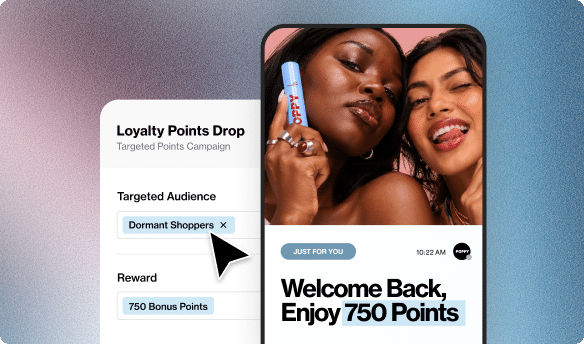
- Reward Allocation: According to predefined rules, the system automatically allocates rewards, which could be points, advancement to a new VIP tier, or an exclusive discount.
- Communication: The system notifies the customer about their new reward or status through integrated marketing channels.
- Redemption: The customer can redeem their rewards on a future purchase, which establishes a positive feedback loop that encourages continued engagement.
Why Now is the Time to Invest in Loyalty
The e-commerce environment has undergone a fundamental shift. Rising customer acquisition costs and expanding consumer choice have made retention paramount. In this context, focusing on an existing customer base is essential for achieving sustainable growth.
A well-executed loyalty program, powered by a capable management system, directly addresses these market dynamics. It shifts focus inward, helping brands maximize the value of every customer relationship. In short, a customer loyalty management system is a strategic platform that automates the process of rewarding and retaining valuable customers, effectively transforming transactional shoppers into a community of loyal advocates.
The Core Benefits of a Customer Loyalty Management System
Implementing a loyalty management system delivers tangible benefits that positively impact the entire business. It is an investment that yields significant returns in customer retention, profitability, and brand equity.
Boost Customer Retention and Reduce Churn
The most immediate benefit is a measurable improvement in customer retention. Loyalty programs provide a compelling incentive for customers to return rather than seek alternatives. Industry data suggests that acquiring a new customer can be five times more expensive than retaining an existing one. By rewarding repeat business, brands build customer “stickiness” that significantly improves retention rates and reduces churn.
Increase Customer Lifetime Value (CLV)
Customer Lifetime Value (CLV) represents the total revenue a business can anticipate from a single customer over the entire relationship. Loyalty programs are a highly effective mechanism for increasing CLV through several avenues:
- Higher Purchase Frequency: Customers who are earning toward a reward are more likely to consolidate their purchases with a single brand.
- Higher Average Order Value (AOV): Tiered programs and bonus-point incentives can encourage larger purchases as customers strive to reach specific spending thresholds or unlock greater rewards.
- Cross-selling and Upselling: Loyalty programs can be used to introduce customers to new products or categories by offering exclusive rewards for trying them.
Gather Valuable First-Party Data
Amid growing data privacy regulations and the deprecation of third-party cookies, first-party data has become a critical asset. A loyalty program is an excellent method for collecting this information ethically. Customers willingly provide contact details, demographic information like birthdays, and product preferences upon signing up.
This repository of zero-party and first-party data is invaluable for personalizing marketing campaigns, informing product development, and creating more relevant customer experiences.
Create Brand Advocates and Drive Referrals
A brand’s most loyal customers are also its most effective marketers. A loyalty management system provides the infrastructure to formalize and scale word-of-mouth marketing. By integrating a referral program into the loyalty structure, brands can systematically reward customers for bringing in new business. This creates a cost-effective and highly trusted customer acquisition channel.
Enhance the Overall Customer Experience
A loyalty program enables brands to offer a differentiated customer experience. It moves the relationship beyond transactions to foster a sense of community and recognition. Non-transactional benefits can include:
- Early access to new product releases
- Exclusive member-only content
- Invitations to special events
- Access to VIP customer support
These perks transform the shopping experience, making customers feel like valued insiders and fostering deep emotional loyalty.
Key Features to Look For in a Loyalty Management Software
Not all loyalty platforms provide the same level of capability. When evaluating options, it is essential to identify a system with the flexibility, power, and insights required to build a program that aligns with business objectives and customer motivations.
Program Structure and Customization
The foundation of a successful loyalty program is a flexible structure. The software should provide the freedom to design an experience that reflects the brand identity.
- Points-Based Systems: The most common model, where customers earn points for purchases and other valuable actions. The system should allow for customized earning and redemption rules.
- Tiered VIP Programs: Tiers introduce gamification and exclusivity, encouraging continued engagement. A capable system allows for custom tier names, entry requirements, and unique perks for each level.
- Referral Programs: The software should include a native referral module that facilitates seamless sharing and automates reward distribution for both the advocate and the new customer.
- Flexible Reward Options: The platform should support a variety of rewards beyond simple discounts, including fixed-dollar amounts, free shipping, free products, and experiential rewards.
Data & Analytics Capabilities
A loyalty program generates a wealth of data; however, this data is only useful if it produces actionable insights.
- Robust Customer Segmentation: The ability to segment audiences based on loyalty data—such as VIP tier, point balance, or purchase frequency (RFM analysis)—is critical for targeted marketing.
- Performance Dashboards and Reporting: An intuitive dashboard should provide a clear, at-a-glance view of program health, tracking key metrics like ROI, member engagement, and redemption rates.
- ROI and CLV Tracking: A superior system will help calculate the program’s return on investment (ROI) and demonstrate its direct impact on increasing Customer Lifetime Value (CLV).
Integration and Omnichannel Experience
The loyalty program must connect seamlessly with the rest of the technology stack to create a cohesive experience.
- Seamless E-commerce Platform Integration: A deep, reliable integration with the brand’s e-commerce platform (e.g., Shopify, BigCommerce, Adobe Commerce) is an essential requirement.
- Connection with Marketing Platforms: To effectively promote the program, the system must integrate with key marketing tools. This enables automated notifications and allows for loyalty data, like point balances, to be inserted into messages.
- Point-of-Sale (POS) Integration: For brands with a physical retail presence, POS integration is necessary to ensure a consistent omnichannel experience for earning and redeeming rewards.
User Experience (for both Customer and Admin)
The system must be intuitive and easy to use for all stakeholders.
- Easy-to-Understand Customer Interface: The customer-facing elements, such as a dedicated loyalty page or widget, should be clean, well-designed, and clearly explain the program’s benefits.
- Intuitive Admin Dashboard for Management: The backend interface for program managers should be logical and user-friendly, simplifying the process of configuring rules, viewing analytics, and managing members.
Choosing the Right Customer Loyalty Management System for Your Brand
With a clear understanding of key features, you can evaluate the specific software options available. The optimal choice will depend on your business goals, technical resources, and the desired level of strategic support.
A Deep Dive into Yotpo Loyalty

Yotpo offers a sophisticated loyalty and referrals solution engineered to drive strategic and profitable growth. The solution is built upon a foundation of partnership and deep e-commerce expertise.
Built for Strategic Growth, Not Just Points
A key differentiator for Yotpo is its partnership approach. Unlike platforms that simply provide a set of tools, Yotpo pairs brands with e-commerce loyalty experts and dedicated Customer Success Managers (CSMs) who offer strategic guidance. This collaboration ensures the program is designed to meet specific business objectives, such as increasing AOV or improving repeat purchase rates, setting it up for success from the outset.
Unmatched Flexibility and Customization
Yotpo Loyalty provides extensive flexibility, allowing brands to create unique loyalty experiences that reflect their identity. This includes granular control over:
- Custom Earning Rules: Brands can reward customers for a wide range of actions beyond purchases, including writing reviews or engaging on social media.
- Advanced Tiering: The platform supports the design of sophisticated VIP programs with custom rules and a mix of transactional and non-transactional perks.
- Dynamic Segmentation: The system’s robust segmentation capabilities allow for the creation of different experiences for different customer groups.
- Flexible Rewards: A wide array of redemption options are supported, from standard discounts to exclusive access and experiential rewards that build emotional loyalty.
Powerful Data and Actionable Insights
Yotpo provides robust and accurate reporting tools that help brands understand program performance and prove its value. The analytics dashboard offers a clear view of key metrics like ROI, member engagement, and the impact on customer behavior. These insights are designed to be actionable, helping managers continuously optimize the program for better results.
A Standalone Powerhouse with Valuable Synergies
Yotpo Loyalty is an effective, best-in-class solution on its own. A business can implement the loyalty program alone and achieve significant improvements in customer retention, CLV, and engagement. Its strategic support model and deep customization capabilities provide immense value as a standalone product.
For brands that also use Yotpo Reviews, additional value can be unlocked. For instance, brands can automatically reward customers with loyalty points for leaving a review, increasing the volume of valuable user-generated content and strengthening both initiatives.

How to Build a Successful Customer Loyalty Program: A Framework
Launching a loyalty program requires a thoughtful, strategic approach. This framework outlines the steps for building a program that resonates with customers and delivers measurable results.
Step 1: Define Your Goals
Before any design work begins, you must establish clear objectives. These goals should be specific, measurable, achievable, relevant, and time-bound (SMART). Examples include:
- Increase repeat purchase rate by 15% within 12 months.
- Increase Average Order Value (AOV) by 10%.
- Generate 500 new customers via referrals in the next fiscal quarter.
- Increase user-generated review submissions by 25%.
Step 2: Understand Your Customers
It is critical to know who you are building the program for. Analyze existing customer data to understand their motivations and behaviors.
- Identify your best customers using RFM (Recency, Frequency, Monetary) analysis.
- Determine what motivates them—whether it is discounts, exclusivity, or early access.
- Identify pain points in the customer journey; for example, if shipping costs are a common issue, free shipping could be a powerful reward.
Step 3: Choose the Right Loyalty Program Model
Based on your goals and customer insights, select the appropriate model for your brand.
- Points Program: Excellent for encouraging a wide range of behaviors. It is most effective for brands with high purchase frequency.
- Tiered Program: Ideal for creating aspiration and making your best customers feel recognized. This model works well for brands with a higher AOV.
- Paid Program: A strong option for delivering significant, immediate value to your most committed customers in exchange for a membership fee.
- Hybrid Program: A common approach that combines a points system with VIP tiers to leverage the benefits of both models.
Step 4: Design Your Earning and Redeeming Structure
The details of your program’s economy are critical. The structure must be:
- Simple: Customers should immediately understand how to earn and redeem rewards.
- Valuable: The rewards must be perceived as worth the effort required to obtain them.
- Attainable: Customers should be able to reach their first reward relatively quickly to experience success and remain engaged.
Step 5: Promote Your Program Everywhere
A program’s success depends on awareness. A comprehensive launch and promotion plan is necessary.
- On-Site: Use banners, pop-ups, and a dedicated landing page to explain the program and drive sign-ups.
- Marketing Channels: Announce the program to your marketing lists and create automated onboarding flows for new members.
- Post-Purchase: Use order confirmation pages and emails to remind customers of the points they have earned.
- Social Media: Run campaigns to build awareness and showcase exclusive member perks.
Step 6: Measure, Analyze, and Optimize
A loyalty program is not a static initiative. Use your loyalty management system’s analytics dashboard to track progress against the goals established in Step 1 and make data-driven adjustments to improve performance over time.
Common Challenges in Loyalty Management (And How to Overcome Them)
While highly effective, loyalty programs have potential challenges. Awareness of these issues allows for the design of a more resilient program.
Challenge 1: Lack of Customer Engagement
A common issue is launching a program that customers do not use. This typically stems from a few core problems.
- The Problem: The program is too complex, its value is unclear, or the rewards are perceived as unattainable.
- The Solution:
- Prioritize Simplicity: Ensure the process for earning and redeeming points is straightforward.
- Communicate Value: Use marketing channels to consistently remind customers of the program’s benefits and their progress.
- Offer Quick Wins: Structure the program so that new members can earn an initial reward quickly to create momentum.
Challenge 2: The Program Is Not Profitable
A poorly designed program can negatively impact profit margins by becoming an uncontrolled discount system.
- The Problem: The reward structure is overly generous, providing too much value without requiring sufficient spending or engagement.
- The Solution:
- Model ROI Carefully: Before launching, use historical sales data to model the program’s potential financial impact.
- Focus on Profitability: The goal is to reward the most profitable behaviors, not just drive revenue.
- Incorporate Non-Monetary Rewards: Balance monetary discounts with low-cost, high-value experiential perks like early access or exclusive content to build loyalty without eroding margins.
Challenge 3: Complex Technical Integration
A loyalty program must integrate with an e-commerce platform and other systems. Faulty integrations can create a poor customer experience.
- The Problem: The loyalty software has weak or unreliable integrations, causing data synchronization errors or workflow failures.
- The Solution:
- Prioritize Proven Integrations: Choose a customer loyalty management system with a deep, proven integration with your specific e-commerce platform.
- Evaluate the Ecosystem: Look for a solution with a robust ecosystem of pre-built integrations with other essential marketing tools.
- Leverage Vendor Support: Select a vendor known for strong technical and strategic support to help navigate any integration complexities.
The Future of Customer Loyalty
The field of customer loyalty is continuously evolving. The programs of the past are making way for more sophisticated, personalized, and emotionally resonant experiences.
Hyper-Personalization
Generic, one-size-fits-all programs are becoming less effective. The future lies in using rich loyalty data to create hyper-personalized experiences, including unique rewards and communications tailored to an individual’s purchase history and preferences.
Experiential Rewards
While transactional rewards like discounts remain relevant, a key differentiator is the move toward experiential rewards—perks that cannot be easily purchased. Examples include invitations to exclusive events or early access to new products. These experiences create a deeper, emotional connection to the brand.
Integration with AI and Machine Learning
Artificial intelligence is poised to revolutionize loyalty by analyzing vast amounts of data to predict churn risk, recommend optimal rewards, and identify potential VIPs. Loyalty platforms will become more proactive, using machine learning to power smarter, more personalized customer interactions.
Emotional Loyalty over Transactional Loyalty
Ultimately, the objective is to move beyond purely transactional relationships. Transactional loyalty is fleeting, as a customer may leave for a better price. Emotional loyalty is enduring, as the customer feels a genuine connection to the brand’s mission and community. The most successful future programs will be those that foster this deeper connection.
Conclusion: Your Next Step Towards Building Lasting Customer Relationships
A customer loyalty management system is no longer optional for ambitious e-commerce brands; it is a fundamental component of a modern retention strategy. By fostering repeat business, increasing customer lifetime value, and turning shoppers into advocates, a well-executed loyalty program provides a defensible competitive advantage.
Success depends on choosing a flexible, data-driven system and executing a clear strategy. The process begins with defining goals, understanding customers, and designing a valuable experience. Crucially, brands should select a technology partner that provides not just software, but also the strategic guidance necessary to navigate complexities and unlock profitable growth. By placing loyalty at the core of the customer experience, brands invest in their long-term health and success.
FAQs
How much does a customer loyalty management system cost?
The cost varies based on the provider, features, and business size. Entry-level plans may start in the low hundreds of dollars per month, while enterprise solutions with advanced customization and dedicated support represent a more significant investment. You should evaluate pricing based on the potential return on investment.
How do I measure the ROI of my loyalty program?
Measuring the return on investment (ROI) involves comparing the program’s financial gains against its costs. Gains are measured by tracking metrics like increased Customer Lifetime Value (CLV), higher Average Order Value (AOV), and improved purchase frequency among members versus non-members. Costs include software fees and the value of redeemed rewards. A capable loyalty system will provide a dashboard to help calculate and visualize this ROI.
Can a loyalty program work for a small business?
Yes, absolutely. A loyalty program enables competition with larger retailers by fostering strong, personal customer relationships. For a small business, every repeat customer is immensely valuable. A well-designed program can significantly boost retention and drive word-of-mouth growth through referrals.
What is the difference between a loyalty program and a rewards program?
While the terms are often used interchangeably, there’s a strategic distinction. A rewards program is typically transactional, offering discounts for purchases. A true loyalty program has a broader objective. It uses rewards but also focuses on building an emotional connection through recognition (like VIP tiers), community, and exclusive experiences to foster a long-term relationship.
What’s the first step to creating a loyalty program?
The very first step is to define clear, measurable goals. Before you think about points or tiers, ask yourself what you want to achieve. Do you want to increase repeat purchases, raise the average order value, or drive more referrals? Your goals will shape every other decision you make.
How do VIP tiers work?
VIP tiers create a sense of aspiration and exclusivity. Customers move up through tiers (e.g., Bronze, Silver, Gold) based on specific criteria, such as annual spending or points accumulated. Each higher tier unlocks better rewards, like higher point multipliers, exclusive products, or priority support, making your best customers feel valued.
What are some good non-monetary rewards?
Non-monetary (or experiential) rewards are powerful because they build an emotional connection. Great examples include early access to new products, invitations to members-only online events, exclusive content like tutorials or behind-the-scenes looks, and VIP customer service lines.
How long does it take to see results from a loyalty program?
You can see initial results like sign-ups and engagement within the first few weeks of a strong launch. However, measuring a significant impact on key metrics like Customer Lifetime Value and retention rates typically takes 6 to 12 months, as these are long-term indicators.
Can I customize the look of my loyalty program?
Yes, leading loyalty software provides extensive customization options. You should be able to tailor the on-site widgets, dedicated loyalty page, and email communications to match your brand’s fonts, colors, and overall aesthetic for a seamless customer experience.
Should my loyalty program be free or paid?
For most e-commerce brands, a free-to-join program is the best approach to maximize participation. Paid programs, like Amazon Prime, work best when you can offer substantial, immediate, and high-value benefits (like free 2-day shipping) that justify the membership fee.
What’s the difference between a points-based and a tiered program?
A points-based program is purely transactional: you do an action, you get points. A tiered program is relationship-based: your status with the brand improves over time. Many of the most successful programs are hybrids, using points as the currency and tiers to reward long-term loyalty.
How do referral programs fit into loyalty?
Referral programs are a natural and powerful extension of a loyalty program. They formalize word-of-mouth marketing by rewarding your most loyal customers for bringing in new business. It’s a win-win: the advocate earns points, and you acquire a new customer with a lower acquisition cost.
How do I prevent fraud in my loyalty program?
To prevent abuse, you can implement rules like delaying points for referrals until the new customer makes a purchase, setting limits on how many times certain actions can be rewarded, and monitoring for suspicious activity like self-referrals from the same IP address. A robust loyalty system will have built-in tools to help manage this.











 Join a free demo, personalized to fit your needs