


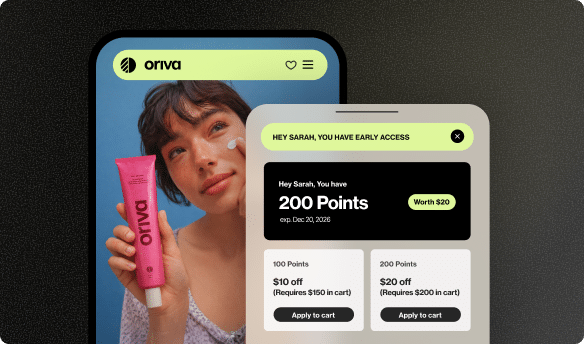







Customer loyalty is no longer a secondary objective. It’s a core pillar of sustainable growth for any eCommerce business. With rising customer acquisition costs, savvy brands are focusing their resources on retention. They accomplish this by building powerful loyalty programs that convert one-time shoppers into lifelong brand advocates. This guide explores the strategies used by top companies, examines the technology that powers their success, and breaks down what makes a loyalty program effective in 2026.
Key Takeaways
- Retention is More Profitable: Acquiring a new customer costs up to five times more than keeping an existing one. A 5% increase in retention can boost profits by 25% to 95%.
- Build Emotional Connections: The best loyalty programs offer more than discounts. They create a community and make members feel like valued insiders through personalization and exclusive perks.
- Technology is a Strategic Partner: The right loyalty platform should offer deep customization, robust data analytics, and expert strategic support to help you design a program that reflects your brand and meets your goals.
- Planning is Crucial for Success: A successful launch requires clear goals, a deep understanding of your customers, a well-designed program structure, and a comprehensive promotion plan.
Why Customer Loyalty is Non-Negotiable in Modern eCommerce
For years, many online stores focused mainly on acquiring new customers. The digital landscape has shifted, however. Relying only on acquisition is an expensive and often unpredictable strategy. True, sustainable growth comes from the customers who already know and trust your brand. This is where a well-designed loyalty program becomes one of your most valuable assets.
The Economics of Retention vs. Acquisition
The financial argument for customer retention is compelling. Acquiring a new customer can cost five times more than retaining an existing one. Furthermore, repeat customers tend to spend more often and in greater amounts. Industry data consistently shows that increasing customer retention by just 5% can boost profits by a range of 25% to 95%.
This trend makes sense when you consider the customer journey. A returning customer has already overcome the biggest barrier: trusting your brand enough to make a first purchase. The goal is no longer to convince a stranger but to nurture an existing relationship. A loyalty program provides a structured way to do this, incentivizing repeat purchases and directly increasing the lifetime value (LTV) of your customer base.
Beyond Transactions: Building Emotional Connections
The most effective loyalty programs offer more than just discounts. They cultivate a community and foster a real emotional connection between the customer and the brand. A great program makes members feel like insiders—part of an exclusive group.
You can accomplish this through personalization, exclusive access to products, and rewards that go beyond simple price cuts. When customers feel valued, they are more likely to become vocal advocates for your brand. They share their positive experiences, generating powerful and authentic word-of-mouth marketing. In short, focusing on customer loyalty represents a key shift from a transactional mindset to a relational one. This is essential for building a resilient brand in any market.
What to Look for in a Loyalty Program Solution
Choosing the right technology to power your loyalty program is a critical business decision. The solution you select determines the flexibility, effectiveness, and scalability of your program. It’s not just about offering points. It’s about creating a seamless customer experience and gathering actionable insights for your team. A modern loyalty solution must provide the tools for true strategic growth.
Key Features of a High-Impact Loyalty Solution
- Customization and Flexibility: Your loyalty program should be a unique reflection of your brand, not a generic template. A top-tier solution lets you fully customize its appearance and structure. This includes creating unique names for tiers, designing diverse rewards, and defining how customers earn points.
- Strategic Support and Expertise: Launching a successful loyalty program can be complex. The best technology providers act as partners, not just software vendors. Look for a company that offers dedicated support from eCommerce experts who can provide strategic guidance. This partnership helps you design a program aligned with your business goals.
- Data and Analytics: A powerful loyalty solution must provide robust and accurate reporting to help you measure your return on investment (ROI). It should track key metrics like repeat purchase rate, customer lifetime value, and member engagement. These insights help you optimize your strategy.
- Seamless Integration Capabilities: Your loyalty program doesn’t exist in a vacuum. It needs to connect with the rest of your marketing technology. The ability to integrate with your reviews solution, for example, is crucial. This lets you create cohesive customer journeys, like rewarding members for leaving feedback.
- Effortless User Experience: A program is only effective if customers use it. The experience must be effortless for both your team and your members. The backend should be intuitive to manage, while signing up, earning points, and redeeming rewards should be simple and engaging.
In summary, the right solution is flexible, supportive, and data-driven. It empowers you to build a unique program that strengthens customer relationships and delivers measurable business results.
A Deep Dive into Yotpo Loyalty: The Strategic Partner Approach

Yotpo offers a best-in-class loyalty solution designed specifically for the challenges of modern eCommerce. It’s built on a foundation of deep market experience and a commitment to client success, making it more than just a tool—it’s a growth partnership.
The approach is centered on forming a strategic partnership to help you build the most effective loyalty program possible. This begins with a team of eCommerce loyalty experts who provide guidance from day one. Instead of just providing software, Yotpo offers proactive advice based on extensive market experience, helping you set clear goals, structure tiers, and analyze performance for the best possible ROI.
Every brand is unique, and Yotpo Loyalty provides an exceptional level of flexibility, allowing you to create an experience that truly reflects your brand identity. You can design completely custom loyalty programs that go far beyond generic “points-for-purchase” models. The platform’s robust reporting dashboard also gives you a clear view of all essential metrics, helping you understand how the program influences customer behavior and drives growth.
Case Studies: Top Companies Winning with Loyalty Programs
Examining successful loyalty programs in action provides valuable insight. Top brands skillfully blend technology, strategy, and customer understanding to create experiences that drive impressive results.
Sephora’s Beauty Insider: The Gold Standard of Tiered Programs
Sephora’s Beauty Insider program is a masterclass in using tiers to motivate customer behavior. The program has three levels—Insider, VIB, and Rouge—each unlocked by a specific annual spending amount. Its effectiveness comes from aspirational rewards, a sense of community, and using data to personalize offers and product recommendations.
Starbucks Rewards: Mastering the Gamified Experience
Starbucks has turned buying coffee into an engaging, gamified experience through its mobile-first loyalty program. The program is built around earning “Stars” for purchases, which can be redeemed for free items. Its success lies in its convenience through a seamless mobile app, personalized challenges, and offers based on purchase history.
Princess Polly: Building a Community with Yotpo Loyalty
Online fashion retailer Princess Polly uses Yotpo Loyalty to create a program that aligns perfectly with its young, digitally-native audience. Their “Princess Polly Rewards Club” fosters a sense of community by rewarding engagement across multiple touchpoints. They reward members for actions like social media follows and product reviews, creating an on-brand experience with strategic tiers that drive higher customer lifetime value.
DSW’s VIP Program: The Power of Personalization
Designer Shoe Warehouse (DSW) shows how a loyalty program can deliver exceptional personalization. Their DSW VIP program is structured to make every member feel recognized and valued. Key elements include flexible rewards, targeted offers based on purchase data, and exclusive access to events and sales, reinforcing the feeling of being a valued insider.
How to Launch Your Own Successful Loyalty Program: A Step-by-Step Framework
Launching a successful program requires careful planning and a strategic approach. Follow this step-by-step framework to ensure success from day one.
Step 1: Define Your Goals Before you design your program, you must define your objectives. Your goals will shape every decision you make. Common goals include increasing repeat purchase rates, boosting average order value (AOV), improving customer lifetime value (LTV), or gathering more user-generated content. Choose one or two primary goals to maintain focus.
Step 2: Understand Your Customers A program that works for one audience might not resonate with another. Analyze your customer data to understand their behavior and preferences. Identify what they buy, what they value, and where they engage with your brand. This understanding will help you design genuinely appealing perks.
Step 3: Design Your Program Structure This phase involves designing the core elements of the program.
- Choose a Structure: Decide between a simple points-based system, a tiered program, or a hybrid model. Tiers are often more effective at driving long-term engagement.
- Name Your Program: Select a creative, on-brand name that sounds exclusive and exciting.
- Determine Earning Rules: Define how customers will earn points. Consider both transactional actions like purchases and non-transactional actions like referrals or social follows.
- Create Your Rewards: Offer a mix of rewards, such as discounts, free shipping, exclusive products, or early access to sales.
Step 4: Choose the Right Technology Partner Your technology partner is critical to your program’s success. You need a solution that is flexible, offers robust analytics, and integrates with your existing tools. More importantly, choose a partner that provides strategic support. A solution like Yotpo Loyalty provides not only the tools to build a custom program but also the expert guidance to ensure it succeeds.
Step 5: Promote Your Program A great program is useless if customers don’t know about it. Plan a comprehensive launch strategy using email campaigns, on-site promotions with banners and landing pages, and social media announcements. Encourage new customers to sign up immediately after a purchase to maximize enrollment.
Step 6: Measure, Analyze, and Optimize Launching your program is just the beginning. For long-term success, you must continuously monitor performance and make adjustments. Track the key performance indicators (KPIs) you defined in Step 1, gather feedback from members, and test new rewards or promotions to refine your strategy over time.
Conclusion: Investing in Loyalty is Investing in Growth
In the competitive eCommerce landscape, the most successful brands build real, lasting relationships with their customers. A well-executed loyalty program is no longer just a marketing tactic; it’s a central pillar of a profitable retention strategy. By making your customers feel valued, you can transform them from one-time buyers into passionate brand advocates who drive sustainable growth.
The journey begins with a clear strategy and a powerful technology partner. By defining your goals, understanding your customers, and choosing the right solution, you can create a program that delivers real, measurable results.
Frequently Asked Questions
What makes a loyalty program successful?
A successful loyalty program goes beyond just offering discounts. It needs to be valuable to the customer, easy to understand and use, and aligned with your brand. The most effective programs create a sense of exclusivity and make customers feel genuinely appreciated for their business.
How do I choose a name for my loyalty program?
Your program’s name should be creative, on-brand, and exciting. Think about your target audience. Names like “The Insider Club,” “VIP Rewards,” or something unique to your brand can make customers feel like they are part of a special community, which encourages them to join.
What are some non-transactional ways to reward customers?
You can build a stronger community by rewarding customers for more than just purchases. Consider offering points for actions like writing a product review, following your brand on social media, referring a friend, or even on their birthday. These actions increase engagement and strengthen their connection to your brand.
How do VIP tiers work in a loyalty program?
VIP tiers create an aspirational path for your customers. Members are placed into different levels (e.g., Bronze, Silver, Gold) based on how much they spend or engage over a certain period. As they move up to higher tiers, they unlock more valuable and exclusive perks, which motivates them to continue shopping with you.
How can I effectively promote my new loyalty program?
A multi-channel promotion strategy is key. Announce the launch through email and SMS campaigns to your existing customers. Use eye-catching banners and create a dedicated landing page on your website. Post about it on your social media channels and consider running a launch promotion, like offering bonus points for signing up in the first week.
What’s the difference between a loyalty program and a referral program?
A loyalty program is designed to reward existing customers for their repeat business and engagement. A referral program specifically rewards customers for bringing in new customers. While they have different goals, a referral component is often a powerful feature within a broader loyalty program.
How important is customization for a loyalty program?
Customization is critical. A generic, one-size-fits-all program won’t stand out. The ability to customize the branding, tier names, earning rules, and rewards ensures the program feels like an authentic extension of your brand experience. This helps build a stronger emotional connection with your customers.
Can loyalty programs work for B2B businesses?
Yes, absolutely. While the rewards might be different, the core principles are the same. A B2B loyalty program can reward clients for repeat orders, referrals, or long-term partnerships. Rewards might include service credits, early access to new products, or exclusive industry insights rather than simple discounts.
What key metrics should I track to measure success?
To measure your program’s ROI, you should track metrics like Repeat Purchase Rate, Customer Lifetime Value (LTV), and Average Order Value (AOV) for members versus non-members. You should also monitor program-specific metrics like enrollment rate and reward redemption rate.
How does a loyalty program increase customer lifetime value?
A loyalty program increases LTV by encouraging repeat purchases and fostering a deeper brand relationship. By offering valuable rewards and exclusive perks, you give customers a compelling reason to choose your brand over competitors. This leads to more frequent shopping and a higher overall spend during their time as a customer.
How can I prevent customers from losing interest in my program?
Keep your program fresh and engaging. Introduce new rewards or limited-time promotions periodically. Use email or SMS to remind members of their point balance and notify them of exclusive offers. Personalizing communication based on a member’s tier or purchase history also helps maintain their interest.
Should my loyalty program be free to join?
For most eCommerce brands, a free-to-join loyalty program is the best approach. It removes any barriers to entry and encourages the maximum number of customers to sign up. Some brands experiment with a paid VIP tier that offers premium benefits, but the base program should almost always be accessible to everyone.
How does Yotpo’s strategic support help build a better program?
Yotpo provides a dedicated team of loyalty experts who act as strategic partners. They offer guidance based on their experience with thousands of eCommerce brands. This support helps you with everything from initial program design and goal setting to ongoing analysis and optimization, ensuring your program is built for long-term success.











 Join a free demo, personalized to fit your needs