








Imagine you’re planning a really cool event, like a school play or a big birthday party. You wouldn’t just wake up on the day and hope everything falls into place, would you? Of course not! You’d make a plan: when to practice, who to invite, what food to get, and when to send out invitations. A promotional calendar for a business works in much the same way.
It’s like a special map or schedule that helps businesses plan out all their exciting sales, new product announcements, and other important messages they want to share with their customers throughout the year. Having one ensures everything happens smoothly, on time, and gets noticed. It helps a business tell its story and share its special offers in a super organized way, making sure customers hear all the good news!
Why Businesses Really Need a Promotional Calendar
You might be thinking, “Why bother with all that planning? Can’t a business just decide what to do each week?” Well, while that might work for a tiny lemonade stand, bigger businesses, especially ones that sell things online, need a good plan. Here’s why a promotional calendar is such a smart tool:
Staying Super Organized
Running a business involves a lot of moving parts. There are products to make, websites to update, and customers to chat with. Without a calendar, it’s easy for things to get messy. A promotional calendar acts like a helpful checklist and reminder system. It lays out exactly what needs to happen and when, so everyone on the team knows their role. This means fewer surprises and less rushing around at the last minute.
Saving Time and Money
When you plan ahead, you can often do things more efficiently. Imagine trying to bake a cake without knowing what ingredients you need. You’d probably make extra trips to the store! In business, this means having to pay extra for rush jobs or missing out on good deals. With a promotional calendar, you can buy advertising space in advance, prepare your social media posts early, and get your teams ready without any frantic dashes. This smart planning helps businesses save precious time and money.
Making Sure Messages Are Consistent
Have you ever heard someone say one thing and then say something totally different the next day? It can be confusing! Businesses want to avoid this with their customers. A promotional calendar helps a business make sure all its messages, whether they are about a sale or a new product, sound the same and make sense together. This helps customers understand what the business is all about and builds trust.
Planning for Busy Times (and Quiet Ones Too!)
Think about holidays like Christmas or Mother’s Day. Stores get super busy then! A good promotional calendar helps a business get ready for these big events by planning special promotions and messages well in advance. It also helps them think about quieter times of the year and plan something fun to keep customers interested, like a mid-summer sale. This way, they’re always ready, no matter the season.
For example, getting ready for a huge shopping day like Black Friday requires weeks, if not months, of planning. You need to decide on the deals, get your website ready for more visitors, and even plan how you’ll follow up with all your new customers. A calendar ensures no important step is missed, which is key to boosting your ecommerce conversion rate.
Tracking What Works Best
After a promotion, how do you know if it was a success? Was it the best sale ever, or did it just fizzle out? With a promotional calendar, businesses can easily look back at what they did and see what worked well and what didn’t. This helps them make smarter decisions for future promotions, making them even better next time. It’s like learning from your past games to become a better player!
In short, a promotional calendar is a business’s secret weapon for staying organized, saving resources, sending clear messages, preparing for anything, and constantly improving. It’s a tool that brings big benefits!
What Goes Into a Promotional Calendar?
So, what exactly do you write down in this magical calendar? It’s more than just marking “SALE!” on a random Tuesday. A useful promotional calendar includes several important pieces of information. Let’s break them down:
- Dates: This is pretty straightforward! When will the promotion start and end? It could be a single day, a week, or even a whole month.
- Promotions: What’s the special offer or message? Is it a “buy one, get one free” deal, a new product launch, a holiday message, or a chance to earn extra loyalty points?
- Channels: Where will customers see this promotion? Will it be on social media, in an email, on the business’s website, or maybe even in a text message?
- Content Ideas: What will the actual message say? What pictures or videos will be used? For instance, a new clothing line might need stylish photos, while a sale on toys might need fun, playful graphics.
- Goals: What does the business hope to achieve with this promotion? Is it to sell more of a certain item, get more people to visit the website, or encourage customers to join a loyalty program?
- Audience: Who are you trying to reach with this promotion? Is it new customers, existing loyal customers, or maybe people who bought a specific type of product before? Knowing your audience helps tailor the message.
- Team Member/Tasks: Who is responsible for making this promotion happen? This helps ensure everyone knows their role and nothing gets forgotten.
Each of these pieces works together to create a clear plan for every promotion. Without them, it would be like having a treasure map but no “X” to mark the spot!
How to Build Your Own Promotional Calendar (Step-by-Step)
Building a promotional calendar might seem like a big job, but if you break it down into steps, it’s totally manageable. Think of it like putting together a giant puzzle – one piece at a time!
Step 1: Look at the Whole Year
Start with a yearly calendar. You can use a big physical calendar, a spreadsheet on your computer, or even a special online tool. Look at the whole year ahead and get a general idea of the seasons and major events.
Step 2: Mark Important Dates
Now, go through the year and mark all the big days that are important to your business. This might include:
- Major holidays (like Christmas, Valentine’s Day, or Mother’s Day)
- Sales seasons (like Black Friday or Cyber Monday)
- Any special anniversaries for your business
- Dates when you plan to launch a brand new product
These are your anchor points – the moments you definitely want to plan something around.
Step 3: Think About Your Customers
Who are your customers, and what do they like? When are they most likely to be shopping for what you sell? For example, if you sell warm coats, your customers will be thinking about them more in the fall and winter, not so much in the summer. Understanding your customers helps you plan promotions that they’ll actually care about.
Step 4: Choose Your Promotions
Now, start filling in the spaces around your important dates. What kind of promotions will you run? Will it be a “20% off everything” sale? A special gift with purchase? Or maybe a unique offer just for your most loyal customers?
Consider different types of promotions to keep things exciting. This is where you might plan to invite customers to leave product feedback or offer special points through a loyalty program.
Step 5: Decide Where to Share (Channels)
Once you know what your promotion is, think about where you’ll tell people about it. Will it be posted on Instagram, Facebook, TikTok? Will you send an email to your customer list? Maybe put a banner on your website? Different channels work best for different messages and different audiences.
Step 6: Plan Your Messages (Content Ideas)
This is where you start thinking about the actual words and pictures you’ll use. If it’s a sale, what’s the catchy headline? If it’s a new product, what are the coolest features to highlight? It’s helpful to draft ideas for social media posts, email headlines, and website banners.
You can even plan to showcase user-generated content (UGC), which are real photos and videos from your customers, as part of your content strategy. This can be super persuasive!
Step 7: Assign Tasks and Check In
Make sure you know who is doing what for each promotion. Who writes the email? Who designs the social media graphic? Who makes sure the website is ready? Then, regularly check in to make sure everything is on track. It’s like having a team captain making sure everyone is playing their part.
Step 8: Review and Adjust
A calendar isn’t set in stone! Things can change. Maybe a new product launch gets delayed, or a competitor starts a big sale. Your calendar should be flexible enough to adjust. After each promotion, look back: Did it work? Did you reach your goals? What could be better next time? This helps you learn and make your next promotions even more successful.
Following these steps will help any business create a powerful promotional calendar that guides their marketing efforts throughout the year, making sure they connect with customers effectively.
Types of Promotions You Can Plan
When you’re filling up your promotional calendar, you’ll find there are many different kinds of promotions you can use. Each one has a different purpose and can help you reach different goals. Here are some popular types:
Sales and Discounts
These are probably the most common. Think “25% off all shoes” or “Buy one, get one half price.” Sales are great for getting people excited to buy, clearing out old inventory, or attracting new customers. They often see a big boost in activity on a business’s website.
New Product Launches
When a business has something new and amazing to share, a promotional calendar helps plan the big reveal! This involves getting customers excited before the product even comes out, announcing it with a splash, and then following up to make sure everyone knows how great it is. You might even gather early interest by letting loyal customers know first.
Holiday Campaigns
As we talked about, holidays are huge for businesses. Campaigns around holidays like Valentine’s Day, Halloween, or summer breaks often involve special themed products, gift guides, or festive discounts. These promotions help businesses tap into the spirit of the season and connect with customers’ emotions.
Loyalty Programs
These promotions are all about rewarding your best customers. Businesses often plan campaigns to encourage people to join their loyalty program, earn more points, or redeem special rewards. For instance, a “Double Points Weekend” could be a fun way to boost engagement. Programs like Yotpo Loyalty are designed to help businesses build these strong, lasting relationships with their customers, turning one-time buyers into lifelong fans. You can learn more about how to set up effective loyalty programs.
Asking for Reviews
Did you know that what other customers say about a product is super important? People trust reviews from other shoppers. Your promotional calendar can include times to ask customers for their feedback, especially after they’ve bought something and had a chance to try it out. Tools like Yotpo Reviews make it easy for businesses to collect and display these important thoughts from customers, helping new buyers feel confident in their choices. It’s a smart move to plan how and when to ask customers for reviews to build social proof.
User-Generated Content (UGC) Campaigns
This is about encouraging customers to share their own photos or videos using your products. Imagine seeing a real person wearing a shirt you like, rather than just a professional model. It feels more authentic, right? A promotional calendar can plan for contests or campaigns that ask customers to share their creative content. Yotpo Visual UGC helps businesses gather and use these amazing customer photos and videos to show off their products in a real and relatable way, often leading to more sales. Using Visual UGC can truly reinvent how customers see and interact with your brand.
Referral Programs
These are promotions that encourage your current customers to tell their friends about your business. Often, both the existing customer and the new friend get a reward. This is a powerful way for businesses to grow because people trust recommendations from friends and family. Planning these out helps expand your customer base.
By mixing and matching these different types of promotions, a business can keep its marketing exciting, engage customers in various ways, and work towards different goals throughout the year.
Making Your Promotional Calendar Even Better
Having a basic promotional calendar is great, but there are ways to make it even more powerful and effective. Think of it as upgrading your party plan from good to amazing!
Using Customer Feedback to Plan
Your customers are a treasure trove of information! What do they like? What do they wish you had? By listening to their feedback, especially through product reviews and ratings, you can plan promotions that they’ll truly appreciate. For instance, if many customers are asking for a certain product feature, you could plan a launch for that feature and highlight how it came from their suggestions.
Tools like Yotpo Reviews don’t just help collect feedback; they help you understand what your customers are saying, which can directly inspire your next big promotion. Displaying these reviews can also help with your ecommerce customer experience.
Building Loyalty with Special Offers
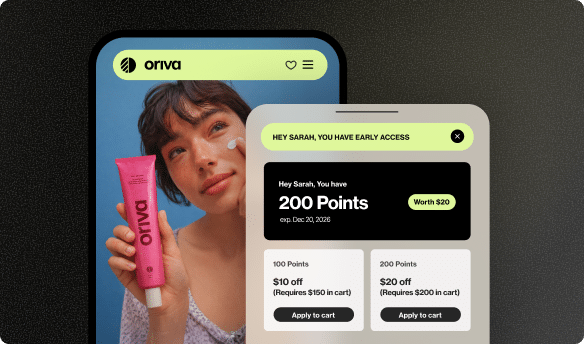
Don’t just chase new customers; remember to treat your existing ones like gold! Your promotional calendar should include special promotions just for your most loyal fans. This could be exclusive early access to sales, bonus loyalty points, or unique gifts. These gestures make customers feel special and encourage them to keep coming back. A strong loyalty program is a fantastic way to identify and reward these valuable customers, and Yotpo Loyalty provides robust tools to do just that, helping you maintain a high level of ecommerce retention.
Sharing Real Customer Stories and Visuals
People love stories, especially real ones. When customers share photos and videos of themselves using your products, it’s incredibly powerful. Plan to collect and showcase these “user-generated content” (UGC) pieces throughout your promotional calendar. For example, during a summer clothing promotion, you could feature customer photos of them enjoying your outfits on vacation. This makes your promotions feel more authentic and trustworthy.
Yotpo Visual UGC helps businesses collect, curate, and display these fantastic customer visuals, making your promotions more engaging and effective. You can see how real customers are using your products, which builds trust and inspires others to buy.
Understanding Your Customers Better
The more you know about your customers, the better your promotions will be. Look at things like what they usually buy, when they shop, and what messages they respond to. This data can help you schedule the right promotions for the right people at the right time. For example, if you notice a group of customers always buys from your “eco-friendly” collection, you can plan a special promotion just for them focusing on new sustainable products.
Understanding the consumer decision-making process can truly shape how you schedule and target your promotions, leading to higher conversion rates.
By adding these smart strategies to your promotional calendar, you’re not just scheduling events; you’re building deeper connections with your customers and making every promotion count.
Common Challenges and How to Overcome Them
Even with the best planning, sometimes things don’t go exactly as expected. That’s normal! Businesses often face a few challenges when using a promotional calendar, but luckily, there are ways to handle them.
Sticking to the Plan
Challenge: Sometimes, it’s tempting to change things at the last minute or ignore the calendar entirely. This can happen if a new idea pops up or if someone feels rushed. But constantly changing plans can make things chaotic and waste the effort put into planning.
Solution: The key is to make the calendar a team effort. Everyone involved should understand why the calendar is important and agree to stick to it as much as possible. Hold regular, quick meetings to review what’s coming up and make sure everyone is on board. Think of it like following a recipe – if everyone adds ingredients at different times, the cake might not turn out right!
Being Flexible
Challenge: On the flip side, sometimes you need to be flexible! A sudden big event (like a major sporting event or even bad weather) might affect customer behavior. Or maybe a competitor launches a surprise sale. Being too rigid with your calendar can mean missing out on opportunities or reacting too slowly.
Solution: Build some “flex time” into your calendar. Don’t pack every single day with a promotion. Leave a few gaps each month where you can quickly put together a responsive campaign if needed. Regularly review the news and what competitors are doing. If you need to make a change, make sure you understand the reason and communicate it clearly to your team. A flexible calendar is a living document, not a stone tablet!
Measuring Success
Challenge: After a promotion ends, how do you know if it was a good idea? It’s easy to look at sales numbers, but sometimes success isn’t just about how much money you made right away.
Solution: Before each promotion starts, clearly define what “success” looks like. Is it more website visitors? More new customers? More people joining your loyalty program? More product reviews? For example, if you plan to launch a new product, maybe success means getting 50 new ecommerce product reviews within the first week. Then, after the promotion, look at those specific things. Tools that help you track customer interactions, like those from Yotpo, can give you a clear picture of how well your promotions are doing, helping you with marketing campaign measurement.
By anticipating these challenges and having a plan to overcome them, businesses can keep their promotional calendars running smoothly and get the most out of their efforts.
Conclusion
So, what have we learned about a promotional calendar? It’s much more than just a list of dates. It’s a smart, strategic tool that helps businesses big and small plan their marketing efforts, stay organized, and connect with their customers in meaningful ways. From planning sales and launching new products to building loyalty and collecting valuable customer feedback, a well-thought-out calendar can make all the difference.
By knowing what to include, how to build it step-by-step, and how to tackle common challenges, any business can master the art of promotional planning. It helps them prepare for big moments, adapt to changes, and constantly learn what works best. Ultimately, a promotional calendar is a powerful roadmap for success, helping businesses grow and delight their customers throughout the year.










 Join a free demo, personalized to fit your needs