








What is a Marketing Automation Platform?
Imagine you own a super cool online store where you sell amazing toys. Every day, lots of kids and grown-ups visit your store. Now, imagine trying to do everything by hand: sending a “welcome” message to every new visitor, reminding someone they left a toy in their shopping cart, sending a special discount for a birthday, and asking every single customer if they liked their new toy after it arrives. That sounds like a lot of work, right? It would take up all your time!
This is where a Marketing Automation Platform comes in. Think of it as your super-smart, always-on helper for your online store. It’s a special computer program that does all those repetitive, but very important, marketing jobs for you. It works behind the scenes, making sure your customers feel special and helping your business grow, all without you having to lift a finger for every single task. It’s like having a robot assistant that knows exactly what to say and when to say it to make your customers happy and keep them coming back.
What is Marketing Automation, Really?
At its heart, marketing automation is about using technology to handle tasks that would normally take a lot of human effort. It’s not about making marketing less personal; it’s about making it more personal and more efficient. Instead of sending the same message to everyone, a marketing automation platform helps you send the *right* message to the *right* person at the *right* time.
Let’s break it down with some simple examples:
- Welcome Messages: When someone signs up for your newsletter, the platform can automatically send them a friendly “Welcome to our toy family!” email.
- Shopping Cart Reminders: If a customer puts a toy in their online cart but doesn’t buy it, the platform can automatically send a polite reminder a few hours later. Maybe they just got distracted!
- Birthday Wishes: If you know a customer’s birthday, the platform can automatically send them a “Happy Birthday!” message with a special treat, like a small discount.
- Product Follow-ups: After a customer buys a new toy, the platform can wait a few days and then automatically ask them if they love it or if they’d like to share their thoughts.
Why is this so helpful for businesses? Well, it saves a huge amount of time. Instead of a person having to remember to send all these messages individually, the platform does it instantly and accurately. It also means you can reach many more people and make each one feel like you’re talking directly to them. This helps build stronger connections with customers, which is fantastic for any online store. Ultimately, it helps stores operate more smoothly and concentrate on finding new cool toys to sell!
How Does a Marketing Automation Platform Work?
So, how does this smart helper actually do all these things? It’s pretty clever! A marketing automation platform works by following a set of rules, like a recipe or a flowchart. These rules are usually set up by the business owner.
Here’s a peek into its “brain”:
1. It Gathers Information
First, the platform collects information about your customers. This isn’t about anything secret; it’s just about how they interact with your store. For instance, it might notice:
- Which pages they visit on your website.
- What items they add to their shopping cart.
- What they’ve bought before.
- If they’ve opened your emails.
This information helps the platform understand what each customer might be interested in. Think of it like a helpful shop assistant remembering what type of toys a child usually looks at.
2. It Uses Rules and Triggers
Next, you set up “if this, then that” rules. These are called triggers and actions.
- Trigger: Something a customer does (or doesn’t do). For example, “If a customer adds a LEGO set to their cart…”
- Action: What the platform does in response. “…then send them an email reminding them about their cart.”
You can set up all sorts of triggers and actions. If a customer visits your “stuffed animals” section five times, the platform might automatically add them to a group that likes stuffed animals. If they haven’t bought anything in three months, it might send them a special “we miss you!” discount.
3. It Groups Customers (Segmentation)
One of the coolest things a platform does is customer segmentation. This means it can automatically sort your customers into different groups based on their behavior or what they like. For example, you might have groups like:
- “New Visitors”
- “Repeat Buyers”
- “People who love action figures”
- “Customers who haven’t bought in a while”
This allows the platform to send different, highly personalized messages to each group. Instead of sending a message about action figures to someone who only buys dolls, you can make sure each person gets content relevant to them. It’s like having different aisles in your toy store for different interests.
4. It Keeps Track of Everything (Analytics)
The platform also acts like a super-organized notebook. It tracks how well all these automated messages and actions are working. Did customers open the welcome email? Did the cart reminder lead to a sale? This information, called analytics, helps you understand what’s successful and what could be improved, allowing your marketing efforts to get smarter over time.
By following these steps, a marketing automation platform helps businesses connect with their customers in a meaningful way, making sure no one feels forgotten and everyone receives information that matters to them.
Key Benefits of Using a Marketing Automation Platform
Using a marketing automation platform brings a lot of cool advantages to online stores, making them more successful and their customers happier. Here are some of the biggest benefits:
Saving Time and Effort
Imagine having to manually send thousands of emails or track every customer’s birthday. It would be impossible! A marketing automation platform takes all those repetitive tasks off your plate. This frees up business owners and their teams to focus on other important things, like finding new products, creating exciting marketing ideas, or helping customers with specific questions. It’s like having an extra team member who works tirelessly 24/7.
Personalized Experiences for Customers
Everyone likes to feel special, right? A marketing automation platform helps businesses provide a personalized experience to each customer. Instead of generic messages, customers receive emails, recommendations, or offers that are specifically tailored to their interests and past behavior. If someone only looks at superhero toys, they won’t get emails about board games. This makes customers feel understood and valued, which is a huge step toward building loyalty.
Building Stronger Customer Relationships
When customers receive relevant and timely messages, they feel more connected to a brand. A platform helps businesses stay in touch consistently, whether it’s through a helpful welcome series, a loyalty program update, or a request for feedback. This consistent, personalized communication helps build trust and a strong relationship over time. When customers trust a brand, they are more likely to come back and even tell their friends about it!
Growing Your Business
All these benefits add up to one big one: helping your business grow. By saving time, making customers happier, and keeping them engaged, a marketing automation platform helps online stores sell more products and keep customers returning again and again. It helps turn one-time buyers into loyal fans, which is essential for long-term success. A higher eCommerce conversion rate is often a direct result of these smart tactics.
Understanding Your Customers Better
Finally, a marketing automation platform provides valuable insights. Through its analytics and reporting features, you can see which marketing efforts are working well and which ones might need a tweak. You learn what your customers respond to, what they like, and what encourages them to buy. This knowledge is incredibly powerful and helps businesses make smarter decisions for the future. It’s like having a secret decoder ring for customer behavior!
Important Features You’ll Find in a Marketing Automation Platform
Not all marketing automation platforms are exactly alike, but many share a set of powerful features that help businesses connect with their customers. Let’s explore some of these key tools.
Customer Segmentation Tools
This is like having a super-smart sorting hat for your customers. As we discussed, customer segmentation allows you to divide your audience into smaller groups based on things like what they’ve bought, how often they visit your site, their location, or even their age. With these tools, you can ensure that messages about new robot toys only go to the customers who love robots, and not to those who prefer art supplies. This makes your marketing much more effective and personal.
Automated Campaign Workflows
This is where the “automation” really shines. Campaign workflows let you set up a series of actions that happen automatically based on specific triggers. It’s like creating a “Choose Your Own Adventure” story for each customer.
For example, a workflow could be:
- Trigger: Customer makes their first purchase.
- Action 1: Send a thank-you email immediately.
- Action 2: Wait 7 days.
- Action 3: Send an email asking for a product review.
- Action 4: If no review is given, send a gentle reminder email after another 3 days.
These workflows save countless hours and ensure every customer gets a consistent experience.
Analytics and Reporting
How do you know if all your automated efforts are actually working? That’s where analytics and reporting come in. This feature provides dashboards and reports that show you important numbers like:
- How many people opened your automated emails.
- How many people clicked on links in those emails.
- Which automated campaigns led to sales.
- How many customers are joining your loyalty program.
These insights are crucial for understanding what’s successful and how you can make your marketing even better over time. It helps you measure your marketing campaign measurement effectively.
Website Personalization
Some advanced platforms can even change what a customer sees on your website based on who they are! If a customer often looks at puzzles, the website might automatically show them a banner with new puzzles, even if they’re on the homepage. This makes the shopping experience feel much more tailored and helpful, almost like the website knows exactly what you’re looking for.
Connecting with Other Tools (Integrations)
Most online businesses use several different tools – perhaps one for their online store itself, another for managing shipping, and another for customer service. A great marketing automation platform can connect with these other tools. This means all your customer information can flow smoothly between different systems, making everything work together like a well-oiled machine. This is super important because it creates a unified view of your customer and helps prevent information from being stuck in separate places.
By combining these powerful features, a marketing automation platform becomes an incredibly valuable asset for any online business looking to grow and create happier customers.
Yotpo and Marketing Automation: Making Customers Happy and Loyal
Now that we understand what a marketing automation platform does, let’s explore how tools like Yotpo help online stores make their customers happy and loyal through smart, automated processes. Yotpo focuses on two incredibly important areas: building trust with customer reviews and rewarding loyalty.
Building Trust with Reviews
Imagine you’re looking to buy a new toy, and you see two options. One has lots of happy comments and high ratings from other kids and parents, while the other has nothing. Which one would you choose? Most likely, the one with positive comments! This is the power of customer reviews and User-Generated Content (UGC).
Reviews are a form of word-of-mouth marketing that builds trust because they come from real people who have actually used the product. Yotpo Reviews is a best-in-class platform specifically designed to help online stores automate the process of collecting, managing, and showcasing these valuable reviews.
Here’s how it helps with automation:
- Automated Review Requests: After a customer buys a product, Yotpo Reviews can automatically send them an email asking for their feedback. You don’t have to manually track every purchase and send individual emails. This makes gathering ecommerce product reviews incredibly efficient.
- Displaying Reviews Everywhere: Once reviews are collected, the platform automatically displays them on your product pages, homepage, and even in search results (like Google Seller Ratings). This means shoppers instantly see what others think, helping them make faster decisions and increasing your ecommerce conversion rate.
- Collecting Visual UGC: Beyond just text, Yotpo also helps you gather photos and videos from customers – this is called Visual UGC. Seeing real people use a product is very convincing, and Yotpo makes it easy to collect and show this content automatically, effectively reinventing visual UGC.
By automating the collection and display of reviews, businesses automatically build trust and social proof, which are huge factors in a customer’s consumer decision-making process. It’s a key part of an effective ecommerce marketing funnel.
Rewarding Loyalty with Yotpo
After someone buys a toy from your store, how do you make sure they come back again and again? That’s where a great loyalty program comes in. Yotpo Loyalty is a best-in-class loyalty software that helps businesses create exciting programs to reward their best customers and keep them engaged.
Here’s how it uses automation to build loyalty:
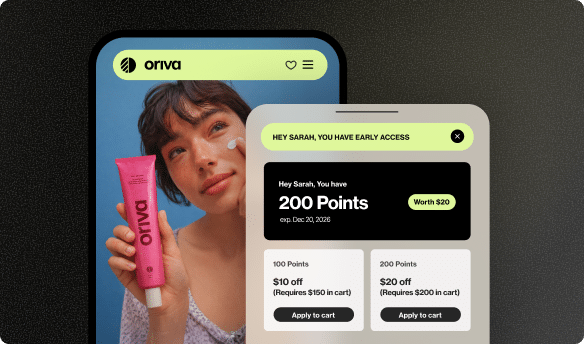
- Automated Points and Rewards: Customers can earn points for various actions – like making a purchase, celebrating a birthday, or even referring a friend. Yotpo Loyalty automatically tracks these points and lets customers redeem them for discounts, free gifts, or exclusive experiences. This is a powerful tool for customer retention and helps answer the question of what is ecommerce retention.
- Tiered VIP Programs: You can create different levels (like Bronze, Silver, Gold) in your loyalty program. As customers earn more points, they automatically move up to higher tiers, unlocking better perks and making them feel even more special. Yotpo Loyalty handles all the tracking and transitions automatically. This is fundamental for best loyalty programs.
- Personalized Engagement: The platform can automatically send messages to customers about their points balance, new rewards available, or special VIP offers. This keeps them engaged and reminds them of the benefits of being a loyal customer.
Yotpo Loyalty is designed to automate the mechanics of rewarding your customers, transforming one-time buyers into lifelong fans. It helps build a robust product loyalty system.
How Reviews and Loyalty Can Work Together
While Yotpo Reviews and Yotpo Loyalty are powerful products on their own, they can also create a fantastic synergy for your online store. Imagine this: a customer buys a toy. Yotpo Reviews automatically asks them to share their thoughts. If they write a review, Yotpo Loyalty can automatically reward them with points! This encourages customers to share their experiences and rewards them for doing so, creating a positive loop that benefits both the customer and the business. This interaction helps cultivate stronger ecommerce customer experience.
By using these specialized, best-in-class solutions, businesses can automate crucial aspects of marketing that build trust and foster loyalty, all contributing to a successful online store.
Choosing the Right Platform for Your Business
Picking the right marketing automation platform is a bit like choosing the perfect pair of shoes – it needs to fit your business perfectly! With so many options out there, it can seem a little tricky, but if you focus on a few key things, you’ll find the best match.
Consider Your Needs
First, think about what you want the platform to do for you. Are you mainly looking to automate welcome messages and birthday greetings? Do you need to manage a big loyalty program? Do you want to collect tons of customer photos and reviews? Make a list of your most important “must-haves.” For example, if collecting customer reviews and managing a loyalty program are top priorities, then systems like Yotpo Reviews and Yotpo Loyalty would be high on your list because they excel in those specific areas.
Ease of Use
A powerful platform is only good if you can actually use it! Look for a platform that has a friendly, easy-to-understand interface. You shouldn’t need to be a computer genius to set up an automated email or create a new customer segment. Many platforms offer helpful guides and tutorials to get you started, making the process smoother.
Scalability (Can It Grow With You?)
Your business today might be small, but hopefully, it will grow big and successful! Make sure the platform you choose can grow with you. Can it handle more customers, more products, and more complex marketing campaigns as your business expands? You don’t want to have to switch platforms every year. Think about your long-term plans.
Integration Capabilities
Remember how we talked about connecting with other tools? This is super important. Your online store likely uses systems for handling orders, processing payments, and maybe even a customer service chat. The best marketing automation platforms can easily “talk” to these other systems. This seamless connection, or integration, ensures all your customer data is in one place and that your marketing efforts are always based on the most up-to-date information.
Support
Even the easiest-to-use platforms can sometimes present a challenge. When you have a question or run into a problem, you want to know that help is available. Look for platforms that offer good customer support, whether it’s through online chat, email, or a helpful knowledge base. Knowing you have support makes a big difference.
By carefully considering these points, you can choose a marketing automation platform that will be a true asset to your online store, helping you automate tasks, delight customers, and ultimately, grow your business successfully.
Real-World Examples: How Stores Use Automation
Let’s look at some everyday scenarios where online stores use marketing automation platforms to make their customers happy and their lives easier. These examples show how smart automation can lead to real results.
| Scenario | Automated Action | Benefit to Business & Customer |
|---|---|---|
| New Customer Signs Up for Newsletter | Platform automatically sends a “Welcome to our family!” email with a small first-purchase discount code. | Benefit: Makes new customers feel welcomed immediately. The discount encourages a first purchase, helping with customer acquisition. |
| Customer Puts Toy in Cart but Doesn’t Buy | Platform waits a few hours, then automatically sends a polite reminder email showing the items they left behind. | Benefit: Helps recover potentially lost sales (known as abandoned cart recovery). Customers might have simply been distracted and appreciate the reminder. |
| Customer’s Birthday | Platform automatically sends a “Happy Birthday!” email with a special discount code or a small gift. | Benefit: Delights the customer and strengthens their connection with the brand. It encourages them to celebrate by making a purchase, boosting sales. |
| Customer Buys a Product | Platform waits a week (enough time for delivery and use), then automatically sends an email asking for a product review and a photo. | Benefit: Efficiently gathers valuable user-generated content (UGC) like reviews and photos, which builds trust for future shoppers. Yotpo Reviews excels at this. |
| Loyal Customer Reaches VIP Status | Platform automatically sends a notification announcing their new VIP status and the exclusive perks they’ve unlocked (e.g., free shipping, early access to sales). | Benefit: Rewards and recognizes loyal customers, making them feel valued. This significantly increases the chances of them making repeat purchases and staying loyal. Yotpo Loyalty manages these VIP tiers. |
| Customer Refers a Friend | Platform automatically tracks the referral and applies a discount or loyalty points to both the referrer and the new customer when the friend makes a purchase. | Benefit: Encourages referral marketing and brings in new customers through trusted recommendations, reducing customer acquisition cost. |
These examples clearly show how automation isn’t about being robotic; it’s about being smart, timely, and personalized in a way that would be impossible to achieve manually. This leads to happier customers and more successful businesses.
The Future of Marketing Automation
What’s next for marketing automation? Well, it’s only going to get smarter and more helpful! We’re already seeing amazing advancements, and the future promises even more exciting possibilities.
One big area of growth is in Artificial Intelligence (AI). Imagine a platform that doesn’t just follow rules you set, but actually learns from customer behavior over time. It could start to predict what a customer might want to buy next, or even figure out the absolute best time to send a message for maximum impact. This means even more personalized experiences for shoppers, making them feel truly understood.
Another trend is even deeper personalization and customization. Future platforms will likely be able to create truly unique journeys for every single customer, almost like having a dedicated personal shopper who knows all their preferences and quirks. This could extend beyond just emails to personalized website layouts, specific product recommendations, and even tailored customer service interactions.
The goal remains the same: to make the customer journey as smooth, enjoyable, and relevant as possible. As technology evolves, marketing automation platforms will continue to empower online stores to build stronger relationships with their customers, making every interaction count. It’s all about creating fantastic experiences that turn shoppers into enthusiastic, long-term fans.
Conclusion
So, what is a marketing automation platform? In simple terms, it’s your smart, tireless helper for your online business. It handles all those important, repetitive marketing tasks automatically, allowing you to focus on the bigger picture – like finding incredible new products for your customers.
We’ve learned how these platforms work by gathering information, following rules, segmenting customers, and tracking results. We also saw the huge benefits they bring, like saving time, offering personalized experiences, building stronger customer relationships, and ultimately, helping your business grow.
Tools like Yotpo Reviews and Yotpo Loyalty are fantastic examples of how specific aspects of marketing automation can be used to great effect. Yotpo Reviews helps automate the crucial process of collecting and displaying customer feedback, building trust and social proof. Yotpo Loyalty automates the rewarding of loyal customers, making sure they feel valued and keep coming back for more. These products showcase how specialized automation can enhance customer satisfaction and drive repeat business.
By choosing the right platform and using its features wisely, any online store can transform its marketing efforts from a manual chore into an efficient, personalized, and highly effective system. It’s about working smarter, not harder, to keep your customers happy and your online store thriving in the exciting world of e-commerce.










 Join a free demo, personalized to fit your needs