








How do you measure the emotional impact of loyalty?
Imagine you have a favorite toy, a game, or even a special snack. You don’t just like it a little; you love it! You feel happy when you see it, excited when you use it, and you might even tell all your friends about it. That strong, good feeling? That’s the emotional impact of loyalty, and it’s super important for businesses too.
For online stores, loyalty isn’t just about someone buying from them once or twice. It’s about how customers feel about the brand. Do they trust it? Do they feel special? Are they excited when a new product comes out? These feelings are like secret ingredients that make a customer stick around for a long, long time, often telling others about their great experience. Figuring out these feelings can be a bit like solving a puzzle, but it’s a puzzle worth solving to build a really strong business. If you want to dive deeper into keeping customers happy, you might find some useful tips on how to improve customer retention.
What Does “Emotional Impact” Even Mean?
When we talk about “emotional impact” in the world of online shopping, we’re talking about the good feelings a brand creates for its customers. Think about it: Does a customer feel joyful when their package arrives? Do they feel trusted because the brand stood by its promise? Do they feel a sense of belonging because they’re part of a special club?
These aren’t just fuzzy feelings; they’re powerful drivers of how people act. When you feel good about something, you’re more likely to do it again, right? The same goes for shopping. Positive emotions make customers want to come back, share their experiences, and become true fans of a brand.
The Hidden Power of Positive Emotions
Positive emotions are like superpowers for businesses. When customers feel genuinely happy, excited, or trusting towards a brand, they:
- Stay Longer: They won’t jump to a competitor just for a small discount. Their emotional connection keeps them coming back.
- Spend More: They feel comfortable trying new things from the brand because they trust it.
- Become Advocates: They tell their friends and family, sharing their positive feelings and helping the brand grow naturally. This kind of word-of-mouth marketing is incredibly powerful.
- Are More Forgiving: If a small mistake happens, an emotionally loyal customer is more likely to understand and give the brand another chance.
Understanding and nurturing these positive feelings is key to building a loyal customer base that truly champions your brand.
Traditional Ways We Measure Loyalty (And Why They’re Not Enough)
For a long time, businesses looked at numbers to figure out if customers were loyal. These numbers tell part of the story, but they don’t tell the whole story about how customers truly feel.
Looking at What Customers Do
Some of the usual ways businesses measure loyalty include:
- Repeat Purchases: How many times does a customer buy from the same store? If they keep coming back, it must mean something good, right?
- Average Order Value (AOV): How much money does a customer typically spend each time they buy? Higher spending might mean they’re comfortable and confident with the brand.
- Purchase Frequency: How often does a customer buy? A customer who buys once a month is often more loyal than someone who buys once a year.
- Customer Lifetime Value (CLTV): This is a big one! It tries to guess how much money a customer will spend with a brand over their entire relationship. A high CLTV suggests a very loyal customer.
These numbers are definitely helpful for understanding what is eCommerce retention, and they give a good picture of customer behavior.
The Missing Piece: The “Why” Behind the “What”
Here’s the thing: these numbers only tell us what customers are doing, not why they’re doing it. Someone might buy again because they found a good discount, not because they feel a deep connection to the brand. They might spend a lot because they needed a specific item, not because they love the company. This is where measuring emotional impact comes in. We need to peek behind the curtain of purchases and try to understand the feelings driving those actions.
Digging Deeper: How to Measure Emotional Impact
So, how do you measure something as tricky as feelings? It’s not like you can put a feeling on a scale! But there are smart ways to listen, watch, and ask questions to get a clearer picture of how customers feel. This helps businesses understand the true emotional pulse of their customer base.
Asking Directly: Surveys and Feedback
One of the best ways to understand how someone feels is to simply ask them! Businesses use different kinds of surveys and feedback tools to do this.
Net Promoter Score (NPS): The “Would You Recommend?” Question
Imagine you just saw a really cool movie. Your friend asks, “Hey, how likely are you to tell someone else to see that movie?” The NPS works similarly. It asks customers:
“On a scale of 0 to 10, how likely are you to recommend [Brand Name] to a friend or colleague?”
- Promoters (9-10): These are your super fans! They love your brand and will happily tell others. They feel excited and loyal.
- Passives (7-8): They’re happy enough, but not overly enthusiastic. They like your brand but might not go out of their way to recommend it. Their feelings are neutral.
- Detractors (0-6): These customers are unhappy and might even tell others not to use your brand. Their feelings are negative or frustrated.
The NPS helps you understand the overall feeling customers have about your brand and their willingness to spread the word.
Customer Satisfaction (CSAT): “How Happy Are You?”
CSAT is more about how happy a customer is with a specific experience, like receiving a product or talking to customer service. It might ask:
“How satisfied were you with your recent purchase?”
Often, it’s a simple scale from “Very Unsatisfied” to “Very Satisfied,” or even just a few happy-to-sad emoji faces. This helps measure immediate feelings of contentment or frustration.
Open-Ended Questions: Letting Customers Share Their Story
Sometimes, the best insights come from letting customers speak freely. Questions like:
- “What did you love most about your experience?”
- “How does [Product Name] make you feel?”
- “Is there anything that made you feel frustrated?”
These questions allow customers to express their genuine emotions in their own words, giving businesses a rich understanding of their feelings. Businesses use tools like Yotpo Reviews to make it easy for customers to share these detailed thoughts and feelings. Yotpo Reviews is designed to make it easy for businesses to collect and display customer opinions. These aren’t just star ratings; customers can share detailed experiences, often infused with strong emotions about their purchases. Learning how to ask customers for reviews effectively is a great way to gather this valuable emotional feedback.
Watching What Customers Say (Without Asking Directly)
Customers don’t always need a survey to tell you how they feel. They’re often sharing their emotions in other ways, and smart businesses pay attention!
Social Media Listening: The Digital Water Cooler
Think of social media like a giant digital water cooler where everyone is chatting. Customers talk about brands all the time – what they love, what they dislike, what they’re excited about. By “listening” to these conversations on platforms like Instagram, TikTok, or Facebook, businesses can pick up on emotional cues. Are people celebrating a new product? Complaining about a service issue? Sharing their happiness with a recent purchase? This public feedback is a goldmine for understanding feelings.
User-Generated Content (UGC): Real Stories from Real People
When customers take their own photos or videos of a product and share them online, that’s called User-Generated Content (UGC). This isn’t just about showing off; it’s a powerful display of emotional connection. If someone takes the time to pose with your product, share their unboxing experience, or create a video review, they’re showing genuine excitement, pride, and trust in your brand.
Yotpo Reviews helps businesses gather not just text reviews but also photos and videos from customers. This kind of UGC is a powerful way to see the positive feelings customers have for a brand, as they voluntarily share their experiences. It’s like they’re saying, “Look how much I love this!” If you’re curious about how this works, you can explore more about Visual UGC Reinvented and how Yotpo Visual UGC can help businesses showcase these authentic customer stories.
Tracking Actions that Show Deeper Connection
Sometimes, what customers *do* can reveal their emotional loyalty even more than what they say. Certain actions are strong signals of a deep, positive connection with a brand.
Loyalty Programs: More Than Just Discounts
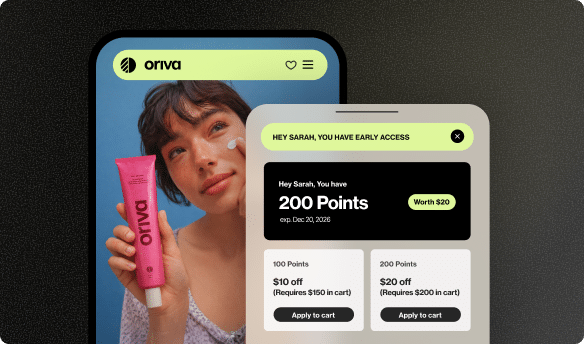
Many businesses have loyalty programs where customers earn points or rewards. But a truly great loyalty program isn’t just about saving money; it’s about making customers feel special and appreciated. When a loyalty program gives customers exclusive access to new products, personalized birthday treats, or special events, it creates strong positive emotions like:
- Appreciation: “They remember me!”
- Exclusivity: “I’m part of something special!”
- Value: “They genuinely care about my experience.”
These feelings make customers more likely to stay loyal because they feel connected, not just because they’re getting a deal. With Yotpo Loyalty, businesses can create special programs that make customers feel truly valued. It’s about more than just earning points; it’s about building a sense of belonging and appreciation. Customers feel good when they are recognized for their support, and Yotpo Loyalty provides the tools to foster these positive emotions through personalized rewards and exclusive experiences. You can find out more about best loyalty programs and how they work, as well as specific loyalty use cases.
Referrals: When Customers Become Your Biggest Fans
Imagine your friend tells you about a really cool new video game or a delicious snack. You trust your friend, so you’re probably more likely to try it, right? That’s the power of a referral. When a customer loves a brand so much that they tell their friends and family about it, they are acting as a brand ambassador.
This action speaks volumes about their emotional loyalty. They’re not just happy; they’re happy enough to put their own reputation on the line to recommend the brand. This indicates a very deep level of trust and belief in the product or service. Learning what a referral code is and how referral programs work can show you how businesses encourage and track this powerful form of emotional advocacy.
Putting It All Together: A Holistic View
To truly understand the emotional impact of loyalty, businesses can’t just look at one thing. It’s like trying to understand a whole puzzle by only looking at one piece. Instead, the best approach is to combine all these different measurements – the numbers (like repeat purchases) and the feelings (from surveys, social media, and loyalty programs). This gives a complete picture of why customers are loyal.
By bringing quantitative (number-based) and qualitative (feeling-based) data together, businesses can create a more accurate “customer loyalty score.” This score doesn’t just say, “They bought five times,” but also, “They feel excited and proud to be a customer.”
Here’s a quick look at how different actions can point to emotional loyalty:
| Customer Action | Emotional Impact Indication | Measurement Tool/Method |
|---|---|---|
| Buys again and again | Trust, Satisfaction | Purchase History, CLTV |
| Leaves a glowing review | Joy, Satisfaction, Advocacy | Yotpo Reviews, CSAT surveys |
| Shares photos of product on social media | Excitement, Pride, Belonging | Yotpo Visual UGC, Social Media Listening |
| Refers a friend | Deep Trust, Advocacy, Belief | Referral Programs (like those enhanced by Yotpo Loyalty) |
| Participates in a loyalty program | Appreciation, Belonging, Value | Yotpo Loyalty program engagement data |
By looking at all these pieces, a brand can truly understand the emotional connection it has with its customers.
Why Measuring Emotional Loyalty Helps Your Business Grow
Understanding feelings might seem like a soft skill, but for businesses, it’s a powerful tool for growth and success. When you measure the emotional impact of loyalty, you’re not just collecting data; you’re gaining insights that can transform your business.
Building Stronger Connections
Knowing how your customers feel allows you to speak to their hearts. If you know they love the sense of community your brand offers, you can create more ways for them to connect. If they value trust and reliability, you can emphasize those qualities in everything you do. This builds a much deeper, more personal connection than just offering discounts.
Creating True Brand Advocates
Customers who are emotionally connected aren’t just buyers; they become your biggest cheerleaders. They spread positive word-of-mouth marketing without you even asking, sharing their love for your brand with everyone they know. These advocates are incredibly valuable because people trust recommendations from friends more than any advertisement.
Better Products and Services
When you understand the emotions behind customer feedback, you can make smarter decisions. If customers are consistently expressing frustration about a certain feature, you know exactly what to improve. If they’re overflowing with joy about a specific product, you know to offer more of what they love. This helps you build products and services that truly resonate with your audience.
Long-Term Success
Emotionally loyal customers are incredibly valuable for a business’s long-term health. They tend to stick around longer, spend more over time, and are less sensitive to price changes. They are the foundation of a stable and growing business. Understanding this connection is a key part of the new eCommerce growth model, where retention and relationship building are prioritized.
Final Thoughts: The Heart of Your Business
Measuring the emotional impact of loyalty might seem complex, but it’s really about listening to your customers and understanding what makes them tick. It’s about recognizing that every purchase, every review, and every shared photo comes with a feeling attached.
By using tools like Yotpo Reviews to capture authentic feedback and user-generated content, and Yotpo Loyalty to build programs that foster deep connections, businesses can truly get a handle on how customers feel. This understanding allows them to not just sell products, but to build lasting relationships that are good for both the customers and the business. Ultimately, a great eCommerce customer experience is built on understanding and responding to these emotions, leading to powerful Yotpo success stories.










 Join a free demo, personalized to fit your needs