


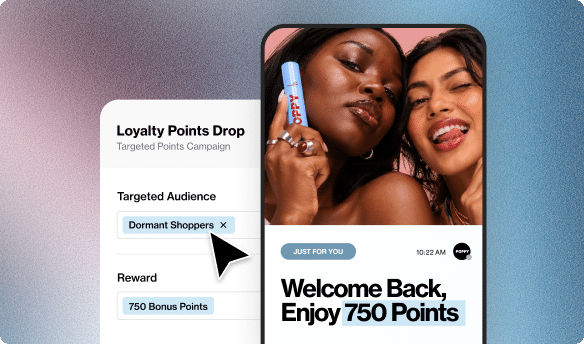







Ecommerce marketing is the practice of using promotional strategies to drive traffic to an online store, converting that traffic into paying customers, and retaining those customers post-purchase. This process extends beyond a single transaction; it involves building a brand and fostering relationships that encourage shoppers to return. In a crowded digital marketplace, a strong ecommerce marketing strategy separates a thriving online business from one that fails to gain visibility. The ultimate goal is to create a loyal customer base that not only makes repeat purchases but also becomes a powerful voice for your brand.
Key Takeaways: What is Ecommerce Marketing
- Ecommerce marketing is a holistic process. It involves attracting, converting, and retaining customers using a variety of digital channels like SEO, content marketing, social media, and paid ads.
- Customer loyalty is the new battleground. With rising customer acquisition costs, focusing on retention and increasing Customer Lifetime Value (CLTV) is more profitable and sustainable for long-term growth.
- Trust is the foundation of loyalty. Building trust starts with social proof. Leveraging authentic customer reviews is one of the most effective ways to give new shoppers the confidence to make a purchase.
- Loyalty programs formalize the customer relationship. They provide a structured way to recognize and reward repeat customers, creating a cycle of engagement that encourages repeat business and turns happy customers into brand advocates.
- The right tools are essential. Specialized solutions for reviews and loyalty help brands automate and optimize their strategies, providing deep analytics to measure success and make data-driven decisions.
What Exactly Is Ecommerce Marketing?
So, what is ecommerce marketing? At its most fundamental level, it is the strategic engine that powers an online store. It’s a multi-faceted approach that uses a variety of digital channels to reach potential customers wherever they are online. Unlike traditional marketing, ecommerce marketing is highly data-driven. Every click, view, and purchase can be tracked, allowing you to understand what’s working and what isn’t, so you can fine-tune your efforts for maximum impact.
The process can be broken down into three main stages:
- Awareness & Acquisition: This is the top of the funnel, where you introduce your brand to new audiences and draw them to your website. The primary goal here is to generate qualified traffic.
- Consideration & Conversion: Once a potential customer lands on your site, the focus shifts to nurturing their interest and guiding them toward making a purchase. This involves creating a seamless user experience, providing valuable product information, and building trust.
- Retention & Loyalty: After the first purchase, the work isn’t over. This stage is dedicated to encouraging repeat business and turning one-time buyers into loyal advocates. It is arguably the most critical stage for sustainable growth.
To execute these stages effectively, marketers rely on a toolkit of different strategies and channels.
Key Channels in Ecommerce Marketing
A successful ecommerce strategy rarely relies on a single channel. Instead, it integrates multiple channels to create a comprehensive plan that reaches customers at different touchpoints in their journey.
- Search Engine Optimization (SEO): This is the practice of optimizing your online store to rank higher in search engine results for relevant keywords. When a customer searches for a product you sell, you want your store to appear on the first page. Effective SEO drives high-quality, organic traffic from people who are actively looking for what you offer.
- Content Marketing: This involves creating and sharing valuable content like blog posts, videos, guides, and infographics. The goal isn’t to sell directly but to educate, entertain, and build a relationship with your audience. For example, a skincare brand might create a blog post on “The 5 Best Ingredients for Dry Skin,” subtly featuring its own products.
- Social Media Marketing: Platforms like Instagram, Facebook, TikTok, and Pinterest are powerful tools for ecommerce brands. They allow you to build a community, engage with customers directly, showcase your products visually, and run targeted advertising campaigns.
- Paid Advertising: This includes pay-per-click (PPC) ads on search engines (like Google Ads) and paid social media ads. Paid advertising offers a way to get your brand in front of a highly specific audience quickly. You can target users based on their demographics, interests, and even past online behavior.
- Affiliate Marketing: This is a performance-based model where you partner with affiliates (like bloggers or influencers) who promote your products to their audience. You pay them a commission for every sale they generate, making it a low-risk way to expand your reach.
- Influencer Marketing: Similar to affiliate marketing, this involves collaborating with influencers who have a dedicated following. An endorsement from a trusted influencer can serve as powerful social proof and introduce your brand to a new, engaged audience.
All these channels work in concert. A potential customer might discover your brand through an Instagram ad, read a blog post on your site to learn more, and then make a purchase after seeing positive reviews. The key is to create a consistent and compelling experience across all touchpoints.
The Big Shift: From Acquiring Customers to Keeping Them
For a long time, the primary focus of ecommerce marketing was on acquisition. The objective was to get as many new customers as possible. But the digital landscape has evolved. Advertising costs are rising, and competition is fierce. It now costs significantly more to acquire a new customer than it does to retain an existing one.
This reality has forced a major shift in thinking. Leading brands now understand that sustainable growth comes from building long-term relationships with the customers they already have. This is where the concept of Customer Lifetime Value (CLTV) becomes critical. CLTV is a metric that predicts the total revenue a business can expect from a single customer account throughout their relationship.
Why is focusing on CLTV so important?
- Profitability: Repeat customers tend to spend more over time and are less expensive to market to. A small increase in customer retention can lead to a significant increase in profitability.
- Predictability: A loyal customer base provides a more predictable revenue stream, making it easier to forecast and plan for future growth.
- Advocacy: Loyal customers are more likely to recommend your brand to friends and family, effectively becoming a free and highly effective marketing channel.
The entire goal of modern ecommerce marketing is shifting from simply making a sale to creating an experience that keeps customers coming back. This is where loyalty enters the picture. But loyalty isn’t something you can ask for; it must be earned.
How to Build Customer Loyalty with Ecommerce Marketing
Building customer loyalty is a deliberate process that starts from the very first interaction a shopper has with your brand. It’s about creating an experience that is trustworthy, rewarding, and feels personal. Two of the most powerful tools for achieving this are customer reviews and formal loyalty programs.
Start with Trust: The Power of Customer Reviews
Consider the typical online purchase process. Shoppers rarely click “add to cart” without deliberation. Instead, they seek out product reviews to validate their decision. They want to see what other people—real people—have to say about the product. Was the quality good? Did it fit true to size? Was the shipping fast?
This is social proof in action. It’s the principle that people will conform to the actions of others under the assumption that those actions are reflective of the correct behavior. In ecommerce, reviews are the most potent form of social proof. They build trust and credibility in a way that no branded marketing message ever can. Up to 98% of consumers read online reviews before making a purchase, which shows just how deeply embedded this behavior is in the modern shopping journey.
However, simply having reviews isn’t enough. The quality and presentation of those reviews matter. This is where a dedicated reviews solution can make a huge difference.
Yotpo Reviews

Yotpo Reviews is a solution designed specifically to help ecommerce brands turn customer feedback into a powerful asset for driving conversions. It focuses not just on collecting a high volume of reviews, but on collecting high-impact reviews and displaying them in a way that guides shoppers toward a confident purchase.
- Collecting Reviews That Convert: Yotpo helps you capture reviews enriched with compelling visuals and detailed insights. Its AI-powered Smart Prompts encourage reviewers to touch on high-converting topics, while in-mail review requests make it incredibly easy for customers to leave feedback directly from their inbox. Brands using these in-mail requests can generate up to six times more reviews.
- Strategic Display: The platform offers a variety of customizable on-site widgets to display reviews in the most effective way. You can use carousels, photo galleries, and even an AI-powered Reviews Summary to help shoppers quickly digest the most important feedback. Showing this kind of user-generated content can increase conversion rates by as much as 161%.
- Deeper Insights: Yotpo provides analytics that go beyond simple star ratings. You can analyze sentiment around specific topics to uncover actionable insights that can inform your product development and marketing strategies.
- Syndication: It also extends the impact of your reviews beyond your website. With partnerships with Google, Facebook, TikTok, and major retailers, Yotpo helps you syndicate your reviews, ensuring that shoppers encounter trusted social proof wherever they are searching or shopping. This can increase the click-through rate on Google Shopping Ads by 24%.
By strategically collecting and showcasing authentic customer feedback, you build a foundation of trust that is essential for the first step toward loyalty.
Formalize the Relationship: Creating Loyalty & Referral Programs
Once you’ve earned a customer’s trust and they’ve made a purchase, the next step is to give them a compelling reason to come back. This is where a formal loyalty program comes in. A loyalty program is a marketing strategy that recognizes and rewards customers who purchase or engage with a brand on a recurring basis.
It transforms the transactional nature of ecommerce into a relational one. It makes customers feel valued and gives them tangible benefits for their continued business. The most effective loyalty programs go beyond simple discounts. They create a sense of community and exclusivity that fosters a deeper emotional connection with the brand.
Yotpo Loyalty

Yotpo Loyalty is a solution designed to help brands build customized, on-brand loyalty and referral programs. It’s built with the flexibility to create unique experiences that drive repeat purchases and increase customer lifetime value. The focus is on partnership, providing not just the software but the strategic guidance needed to build a program that evolves with your business.
- Flexibility and Customization: Yotpo offers a wide range of campaign options. You can reward customers for purchases, social media follows, leaving reviews, and more. It provides easy-to-use tools to build branded loyalty pages and on-site elements that feel like a natural extension of your store.
- Advanced Segmentation: You can create truly personalized experiences by segmenting your customers. This allows you to offer exclusive perks to your most valuable shoppers through VIP tiers, creating a sense of aspiration and rewarding your best customers.
- Robust Analytics and Reporting: Yotpo believes in conservative, accurate reporting that gives you true insights into shopper behavior. Its dashboards help you track key metrics for rewards, VIP tiers, referrals, and revenue, so you can understand what’s driving performance and where there are opportunities for improvement.
- Strategic Support: Yotpo positions itself as an extension of your team. With experience from launching thousands of programs, their team of loyalty experts provides guidance on everything from the initial program framework to ongoing strategy and iteration.
For example, you could use Yotpo Loyalty to create a tiered program where customers unlock new benefits like free shipping or early access to sales as they spend more. You could also run a referral program that rewards existing customers for bringing in new ones, turning your loyal fans into a powerful acquisition channel. It’s also here that a natural synergy appears; brands can use Yotpo Loyalty to award points to customers for leaving high-quality feedback with Yotpo Reviews, creating a virtuous cycle of engagement and social proof.
Actionable Strategies for a Loyalty-Focused Marketing Plan
Knowing the tools is one thing; implementing a cohesive strategy is another. Here’s how you can weave loyalty-building tactics into your broader ecommerce marketing efforts.
Implement Comprehensive Personalization
Today’s customers expect personalization. They want brands to understand their preferences and provide relevant offers. Use the data you collect from your loyalty program and purchase history to tailor your marketing messages.
- Segmented Email Campaigns: Avoid sending the same email to everyone. Create segments based on loyalty status, purchase history, and engagement level. Send your VIPs exclusive offers. Send reminders to customers with points that are about to expire.
- Personalized Product Recommendations: Use on-site tools to recommend products based on a customer’s past purchases. You can frame these as “Just for You” or “Because you loved X, you might also like Y.”
Create Aspirational VIP Tiers
A tiered loyalty program is one of the most effective ways to encourage repeat purchases. By creating different levels with increasingly valuable rewards, you give customers something to strive for.
- Make the Benefits Clear: Have a dedicated landing page that clearly explains the benefits of each tier. This could include things like higher point earning rates, exclusive access to new products, free shipping, or even a dedicated customer service line.
- Celebrate Milestones: When a customer moves up to a new tier, acknowledge it. Send them a congratulatory email and make them feel special. This reinforces their decision to be loyal to your brand.
Empower Your Customers to Be Advocates
Your most loyal customers are your best marketers. A referral program gives them a structured and rewarding way to spread the word about your brand.
- Offer a Two-Sided Incentive: The most successful referral programs reward both the referrer and the new customer. For example, give the existing customer $10 in points and the new customer a 10% discount on their first order.
- Make it Easy to Share: Provide customers with a unique referral link that they can easily share via email, social media, or messaging apps. The less friction there is, the more likely they are to participate.
Think Beyond Discounts with Experiential Rewards
While discounts are always appreciated, they aren’t the only way to reward loyalty. Experiential rewards can create a much stronger emotional connection and make your program feel more unique.
- Early Access: Give your loyal customers a sneak peek at new collections or the first chance to shop a big sale.
- Exclusive Content: Offer access to behind-the-scenes content, tutorials, or Q&A sessions with your team.
- Community Events: Host a digital or in-person event exclusively for your loyalty members. This builds a sense of community and makes them feel like insiders.
How to Measure the Success of Your Efforts
Like any marketing strategy, it’s crucial to track your performance to understand what’s working. When focusing on loyalty, you need to look beyond vanity metrics like traffic and likes. Here are the key metrics that matter:
- Customer Retention Rate (CRR): This is the percentage of existing customers who continue to do business with you over a given period. It’s a direct measure of how well you’re keeping your customers.
- Repeat Purchase Rate (RPR): This measures the percentage of customers who have made more than one purchase. A high RPR indicates that customers are satisfied and find value in your products.
- Customer Lifetime Value (CLTV): As mentioned earlier, this is the total amount a customer is expected to spend with your brand. Increasing CLTV is the ultimate goal of any loyalty-focused strategy.
- Loyalty Program Engagement Rate: This tracks how many of your customers are actively participating in your loyalty program (earning and redeeming points). It tells you how compelling your program is.
- Net Promoter Score (NPS): This is a metric based on a single question: “How likely are you to recommend our brand to a friend or colleague?” It measures customer satisfaction and loyalty on a scale of 0-10.
Advanced platforms like Yotpo provide invaluable support in this area, offering built-in analytics dashboards that simplify metric tracking and deliver actionable insights without requiring advanced data science expertise. You can quickly see how your reviews are impacting conversion rates or how your loyalty program is affecting your repeat purchase rate.
Conclusion
So, what is ecommerce marketing? At its core, it’s the art and science of building relationships in a digital world. While attracting new customers will always be part of the equation, the most resilient and profitable brands are those that master the art of retention. They understand that the journey doesn’t end at the checkout. In fact, that’s where the real opportunity begins.
By building a foundation of trust with authentic social proof and then nurturing that relationship with a rewarding loyalty program, you can create a powerful engine for sustainable growth. You transform one-time shoppers into repeat buyers, and repeat buyers into passionate brand advocates. In the competitive landscape of modern ecommerce, that’s not just a good strategy—it’s the key to long-term success.
FAQs: What is Ecommerce Marketing
What is the first step in creating an ecommerce marketing strategy?
The first step is to define your target audience. You need to have a deep understanding of who your ideal customer is, what they care about, and where they spend their time online. All your marketing efforts, from the content you create to the channels you use, should be tailored to this audience.
How do customer reviews impact SEO?
Customer reviews can significantly boost your SEO efforts. They provide a constant stream of fresh, user-generated content for your product pages, which search engines favor. Reviews also naturally incorporate long-tail keywords that real customers use to search, helping you rank for a wider variety of terms. Furthermore, having review ratings (rich snippets) appear in search results can dramatically increase your click-through rate.
Should my business offer a loyalty program?
If your business relies on repeat purchases, then a loyalty program is almost always a valuable strategy. It provides a structured way to increase customer retention and lifetime value. Even for businesses with less frequent purchase cycles, a loyalty program can help keep your brand top-of-mind and encourage referrals.
What’s the difference between a loyalty program and a referral program?
A loyalty program rewards customers for their own continued engagement with your brand, such as making repeat purchases or following you on social media. A referral program specifically rewards customers for bringing new customers to your business. Most comprehensive loyalty solutions allow you to run both types of programs simultaneously.
How much does ecommerce marketing cost?
The cost of ecommerce marketing can vary dramatically. It depends on the channels you use, the scale of your campaigns, and whether you handle it in-house or hire an agency. Some strategies, like SEO and content marketing, require more of a time investment upfront, while others, like paid advertising, require a direct budget. The key is to start small, measure your return on investment, and scale what works.
How does personalization improve customer loyalty?
Personalization makes customers feel seen and valued. When you use customer data to provide relevant product recommendations, tailored offers, and personalized communication, it shows that you understand their needs. This creates a more meaningful connection and makes them less likely to switch to a competitor.
What are some common mistakes to avoid in ecommerce marketing?
A common mistake is focusing too much on acquisition while neglecting retention. Another is not having a clear understanding of your target audience, which leads to generic and ineffective messaging. Finally, many brands fail to track their metrics properly, making it impossible to know what is actually driving results.
Can a small business compete with large ecommerce brands?
Absolutely. Small businesses can often compete by being more nimble and authentic. They can build a strong community on social media, provide exceptional and personal customer service, and focus on a niche market. Leveraging tools for reviews and loyalty can also help them build the same kind of trust and engagement that larger brands do.
What makes a good loyalty program reward?
A good reward is something that is both valuable to the customer and sustainable for your business. While discounts are common, consider offering experiential rewards like early access to new products, exclusive content, or free gifts. The best rewards make your customers feel special and part of an exclusive club.
How long does it take to see results from ecommerce marketing?
It depends on the channel. Paid advertising can generate traffic and sales almost immediately. On the other hand, SEO and content marketing are long-term strategies that can take several months to gain traction. A balanced strategy typically includes a mix of both short-term and long-term tactics.
What is Customer Lifetime Value (CLTV)?
Customer Lifetime Value is a metric that predicts the total net profit a company can expect to make from a single customer over the entire duration of their relationship. It’s a crucial metric for understanding the long-term value of your retention efforts.
How can I encourage customers to leave reviews?
The best way is to make it as easy as possible. Use a tool that sends automated, mobile-friendly review request emails. Offering a small incentive, like loyalty points or entry into a giveaway, can also significantly increase your review submission rate. Timing is also important; ask for the review after the customer has had enough time to experience the product.
Is social media marketing effective for all ecommerce businesses?
For most ecommerce businesses, yes. The key is to be on the platforms where your target audience is most active. A brand targeting Gen Z will have a very different social media strategy than one targeting baby boomers. Visual platforms like Instagram and Pinterest are particularly effective for product-based businesses.











 Join a free demo, personalized to fit your needs