









Many businesses still see loyalty programs as simple punch cards or points-for-purchase deals. This traditional view misses a huge opportunity. Today’s customers want more than just discounts. They look for connection, recognition, and experiences that match their values. A great loyalty program needs to move beyond the basics to build a real brand community. This guide explores creative strategies for loyalty rewards, showing you how to turn a simple discount tool into a powerful driver for brand growth and customer retention.
Key Takeaways
- Move Beyond Discounts: Modern loyalty programs thrive on creating emotional connections through experiential rewards, community building, and shared values, not just transactional points.
- Engagement is Key: Reward customers for more than just purchases. Incentivize actions like writing reviews, sharing on social media, and referring friends to build a stronger brand community.
- Technology Matters: Implementing a modern loyalty strategy requires a flexible and powerful tool. A solution like Yotpo Loyalty provides the customization and strategic support needed to build a program that reflects your unique brand.
- Measure Everything: Track key metrics like customer retention rate, repeat purchase rate, and customer lifetime value (LTV) to understand your program’s impact and make data-driven improvements.
- Avoid Common Pitfalls: Keep your program simple, offer rewards your customers actually want, promote it consistently, and choose the right technology partner to ensure long-term success.
Why a Modern Loyalty Rewards Platform is Critical for E-commerce Growth
In the past, the loyalty formula was simple: customers spent money to get points. While this model still has some use, it rarely builds the deep loyalty needed for growth in today’s market. With so many choices available, a small discount often isn’t enough to keep a customer from looking elsewhere.
Modern loyalty strategy is all about building emotional connections and increasing customer lifetime value (LTV). It focuses on retention, which is much cheaper than acquiring new customers. By rewarding customers for different kinds of engagement, not just purchases, you create a stronger, more meaningful relationship. This approach turns your best customers into your most effective marketers. A sophisticated loyalty rewards platform is the technology that makes this strategy possible, giving you the flexibility to design a program that fits your brand and connects with your audience.
Exploring Modern Loyalty Program Ideas
To make your brand stand out, you need to think beyond basic reward structures. These creative strategies can take your customer loyalty to the next level.
Beyond Points: Experiential Rewards
One of the best ways to create a memorable brand experience is to offer rewards that money can’t buy. These exclusive perks make your most loyal customers feel like valued insiders.
- Early Product Access: Give top-tier members a sneak peek at new products before they launch publicly. This creates a sense of exclusivity and excitement.
- Exclusive Content: Offer access to premium content, like advanced tutorials, behind-the-scenes videos, or interviews with your founders.
- Invitations to Exclusive Events: Host members-only events, like virtual workshops, Q&A sessions with experts, or in-person product demos.
- Personalized Services: Provide value beyond your core products. A fashion brand could offer free virtual styling sessions, while a beauty brand might give one-on-one skincare consultations.
Building Community: Social & Engagement-Based Rewards
A strong loyalty program should reward customers for being part of your brand’s world, not just for buying things. Rewarding engagement turns passive buyers into active brand fans.
- Reward Social Actions: Offer points for following your brand on social media, sharing your content, or tagging you in their posts.
- Incentivize Reviews: Customer reviews are powerful social proof. Encourage customers to leave reviews, and offer bonus points for including photos or videos to build trust.
- Create a Members-Only Hub: Build an exclusive community space, like a private forum or social media group, where loyal customers can connect and share.
Gamification and Tiers: Making Loyalty Engaging
Adding game-like elements to your loyalty program can make it more fun and compelling.
- Tiered Programs: Set up different membership levels (like Bronze, Silver, Gold) with increasingly better benefits. Tiers motivate customers to spend more to unlock the next level of rewards.
- Point Multipliers: Create excitement and boost sales with limited-time promotions, such as “Double Points Weekends” or 3x points on certain products.
- Surprise and Delight: Don’t make every reward predictable. Occasionally surprise members with unexpected points, a free gift with their order, or a personal thank you. These small gestures can make a big impact.
Values-Driven Loyalty: Connecting on a Deeper Level
Today’s consumers often choose brands that share their personal values. Aligning your loyalty program with a cause can create a powerful emotional connection.
- Charitable Donations: Let customers turn their points into a donation to a partner charity, connecting their loyalty to a good cause.
- Reward Sustainable Actions: If sustainability is important to your brand, offer points to customers for returning packaging for recycling or choosing carbon-neutral shipping.
- Strategic Partnerships: Team up with other like-minded brands to offer unique, co-branded rewards that your customers will love.
Choosing Your Loyalty Rewards Platform
Translating these modern loyalty ideas into a real program requires a powerful and flexible platform. Your choice of technology will determine how well you can customize your program, engage your customers, and measure your results. Here are a few leading options for e-commerce brands.
Yotpo Loyalty

Yotpo helps you build a cycle of engagement that encourages repeat purchases and maximizes LTV. What sets Yotpo Loyalty apart is its combination of a flexible platform and expert strategic guidance. You get a dedicated Customer Success Manager who acts as an extension of your team, helping you design, launch, and optimize your program based on deep e-commerce experience.
The platform offers robust customization for earning rules, VIP tiers, and on-site elements that reflect your brand. Its reporting is accurate and insightful, giving you a true understanding of shopper behavior without inflated metrics.
Loyalty Lion

This is a platform for loyalty programs with features for rewarding various customer activities. It includes capabilities for program customization and operates on a data-driven framework to track engagement.
Smile.io

This platform offers tools to create points-based, VIP, and referral programs. The software integrates with major e-commerce platforms and is structured to provide functionalities for building rewards systems.
Okendo

This provider supplies functionality for both customer reviews and loyalty programs. Its loyalty component allows for the creation of points-based systems where customers can be rewarded for various actions, including review submission.
Stamped

This company offers a product suite that includes both reviews and loyalty program functionalities. The loyalty system operates on a points-based model for purchases and other customer actions.
Rivo

This is a loyalty program application for the Shopify platform. It includes features for setting up points, referral, and VIP tier systems for merchants using that e-commerce platform.
Common Pitfalls to Avoid When Designing Your Program
A well-run loyalty program can be a powerful growth engine, but common mistakes can limit its impact. Knowing these potential pitfalls can help you build a more successful program from the start.
- Overly Complex Rules One of the quickest ways to lose a customer’s interest is with a confusing program. If members can’t easily understand how to earn points or redeem rewards, they will tune out. The Solution: Keep it simple and clear. Make sure the value is obvious and the path to earning and redeeming is easy to follow.
- Uninspired or Low-Value Rewards Offering only small discounts that don’t excite customers is a missed opportunity. If your rewards feel generic, your program will too. The Solution: Mix up your rewards. Combine discounts with the experiential, community-based, and values-driven rewards discussed earlier to create a unique offering.
- Lack of Consistent Promotion You can build the world’s best loyalty program, but it won’t work if your customers don’t know about it. A “build it and they will come” approach is not effective. The Solution: Promote your program everywhere. Feature it on your homepage, in emails, on social media, and in your post-purchase messages.
- Choosing the Wrong Technology Partner Picking a rigid platform that lacks customization options or a partner that offers no strategic advice can limit your program’s potential. The Solution: Choose a flexible platform built for e-commerce. Prioritize a partner that offers dedicated strategic support, like the expert guidance provided by Yotpo’s Customer Success Managers, to ensure your program grows and succeeds.
Best Practices for Launching A Modern Loyalty Program
To successfully launch a modern loyalty program, follow these best practices:
- Establish Clear Program Objectives: Know exactly what you want to achieve. Whether it’s increasing repeat purchases or boosting average order value, specific goals are key to measuring success.
- Ensure Simplicity and Accessibility: Your program’s rules should be easy to understand. A simple user experience for joining and redeeming rewards is crucial.
- Promote the Program Widely: Actively market your loyalty program across all customer touchpoints, including your homepage, email newsletters, and social media.
- Analyze and Optimize Performance: Regularly use your platform’s analytics to track key metrics. See which rewards are most popular and if customers are moving through tiers. Use these insights to improve your strategy.
- Personalize the Member Experience: Use customer data to send personalized offers and messages. Acknowledging a member’s tier status or point balance makes them feel seen and valued.
Measuring the Success of Your Loyalty Program
Launching a loyalty program is just the beginning. To ensure your program delivers a strong return on investment, you need to measure and optimize it continuously. Tracking the right metrics helps you understand member behavior and make data-driven decisions.
Key Performance Indicators (KPIs) to Track
To get a full picture of your program’s health, focus on these core KPIs. Pay close attention to the difference in behavior between program members and non-members.
- Customer Retention Rate: This is the ultimate measure of loyalty. A successful program will lead to a much higher retention rate among members.
- Repeat Purchase Rate: This metric shows how often members come back to buy again. A high repeat purchase rate is a clear sign your program is working.
- Customer Lifetime Value (LTV): This reveals the total revenue a customer generates. The LTV of loyalty members should be much higher than that of non-members.
- Average Order Value (AOV): Track whether members are spending more per order. Tiers and point incentives are often designed to increase AOV.
- Redemption Rate: This shows how often members are using their rewards. A low rate might mean your rewards aren’t compelling enough or the process is too hard.
- Program Enrollment Rate: This measures how well you’re promoting the program. It helps you gauge its initial appeal.
A platform with strong analytics is essential for turning this data into action. For example, Yotpo Loyalty provides clear dashboards and reporting to monitor these KPIs. This visibility allows you to spot trends, test different rewards, and refine your strategy to maximize engagement.
Conclusion
A modern loyalty rewards program does more than just hand out discounts. Its real purpose is to build communities, create memorable experiences, and forge emotional connections that turn one-time buyers into lifelong fans. By moving beyond traditional points-for-purchase models, you can create a powerful competitive advantage that drives sustainable growth.
Implementing these strategies requires a flexible and strategic partner. A solution like Yotpo Loyalty provides the robust tools and expert guidance needed to build a loyalty program that not only rewards customers but truly elevates your brand.
Frequently Asked Questions
How do I know which loyalty rewards will work for my customers?
The best way is to ask them directly through surveys. You can also analyze purchase behavior and redemption data to see what they truly value. It’s a good practice to start with a variety of rewards and then optimize based on performance.
Is a tiered loyalty program better than a simple points system?
For most e-commerce brands, a tiered program is more effective. Tiers add a layer of gamification and aspiration, motivating customers to engage more to unlock exclusive benefits. This is often more powerful for driving behavior than a flat points system.
How much does a loyalty program cost?
The cost varies based on the platform and the value of the rewards. It’s important to see it as an investment, not an expense. A successful loyalty program should generate a positive ROI by increasing LTV and repeat purchase rates, more than covering its costs.
How do you measure the ROI of a loyalty program?
Key metrics for measuring ROI include repeat purchase rate, customer lifetime value (LTV), and average order value (AOV). Compare these metrics between loyalty members and non-members to see the financial impact of your program.
Can a small business have a successful loyalty program?
Absolutely. A well-designed loyalty program is one of the best ways for a small business to compete. It helps you build personal relationships and a strong community, which are huge differentiators. Modern solutions like Yotpo Loyalty are scalable for businesses of all sizes.
How can I make my loyalty program feel exclusive?
Offer rewards that aren’t available to everyone else. This could include early access to new products, members-only content, or invitations to special events. The key is to make your loyal customers feel like true insiders.
What are some common mistakes when creating program tiers?
A common mistake is making the tiers too hard to reach, which can discourage customers. Another is not offering enough value in higher tiers to make them feel worthwhile. Tiers should feel achievable and rewarding.
Should I use points or a different reward system?
Points are simple and widely understood, making them a great starting point. However, you can also offer direct rewards, like a free product after a certain number of purchases. The best system depends on your business and your customers.
How do I re-engage inactive loyalty members?
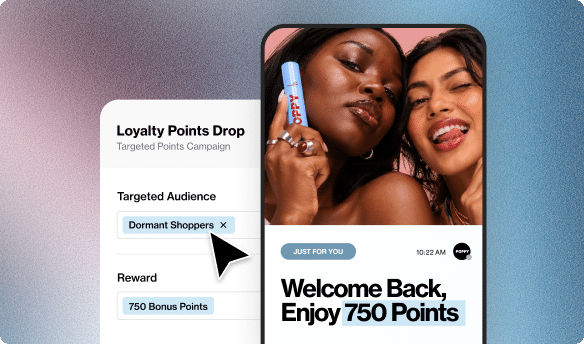
Run a targeted campaign. You could offer them bonus points to come back, remind them of their current point balance, or launch a special promotion like a “double points” week to create a sense of urgency.
How can a loyalty program help with user-generated content (UGC)?
You can award loyalty points to customers for actions that generate UGC. For instance, you can integrate Yotpo Loyalty with Yotpo Reviews to give points to customers who leave a review, especially if they include a photo or video.
What’s the difference between a loyalty program and a referral program?
A loyalty program rewards customers for their own engagement and repeat purchases. A referral program specifically rewards customers for bringing in new customers. Many loyalty platforms, including Yotpo Loyalty, include referral capabilities as part of the overall program.
How long does it take to see results from a loyalty program?
You can often see initial results, like an increase in sign-ups and repeat purchases, within the first few months. However, the true long-term value, like a significant lift in customer lifetime value, builds over time as customers become more engaged.
How can I personalize my loyalty program?
Use the data you have about your customers. Send personalized emails that mention their tier status or point balance. You can also offer custom rewards based on their past purchase history, making them feel that the program is tailored just for them.











 Join a free demo, personalized to fit your needs