


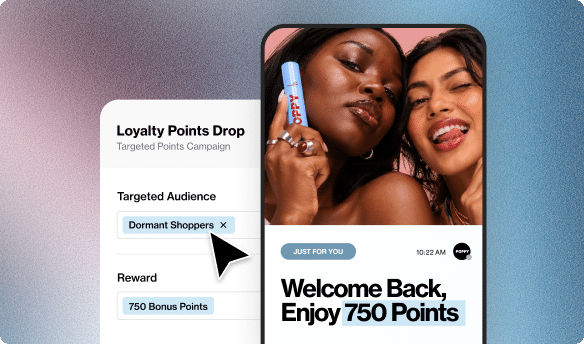







Encouraging customer loyalty requires more than a simple “thank you” after a purchase. You need a sophisticated strategy to build genuine, lasting connections with your audience. A reward point system for customers is one of the most effective tools for achieving this.
This guide provides a comprehensive overview of how to design, build, and measure a successful reward program that drives retention and growth for your eCommerce business.
Key Takeaways
- Boosts Key Metrics: A well-designed reward point system increases customer retention, average order value (AOV), and customer lifetime value (CLV).
- Design is Crucial: Start by defining clear goals and a budget. Then, decide on diverse ways for customers to earn points through both purchases and brand engagement.
- Technology Matters: Choosing the right loyalty software is critical. Look for a platform with deep customization, robust analytics, and features built specifically for eCommerce.
- Promotion is Essential: A successful launch requires a multi-channel promotional strategy using email, social media, and on-site banners to drive enrollment.
- Optimization is Ongoing: Continuously track key metrics like retention and redemption rates. Use the data to A/B test rewards and refine your program for better performance.
What Is a Reward Point System and Why Does Your eCommerce Store Need One?
Before we get into the details of implementation, it’s important to understand the core concept and strategic value of a reward point system. This foundational knowledge will help you build a program that resonates with your customers and delivers measurable business results.
Defining the Reward Point System
A reward point system operates on a straightforward value exchange. Customers perform specific, desired actions, and in return, your brand issues points. These points function as a unique currency within your brand’s ecosystem. Customers can redeem them for tangible rewards like discounts, free products, or exclusive access to sales.
This model can work as a standalone loyalty program or serve as the base for a more complex structure, such as a VIP tiered program. In a tiered system, accumulating points helps customers climb to higher status levels, unlocking more valuable perks.
The Tangible Business Benefits of a Point-Based System
Implementing a reward point system is a strategic business decision that drives significant growth. Here are the main benefits:
- Increased Customer Retention: The primary benefit is fostering loyalty. When customers feel valued and have accumulated points, they have a compelling reason to make future purchases with your brand instead of a competitor.
- Higher Average Order Value (AOV): Ever added an extra item to your cart to qualify for free shipping? A reward system works similarly to motivate higher spending. When customers are close to a point threshold for a reward, they are often inclined to increase their order value to reach it.
- Improved Customer Lifetime Value (CLV): By encouraging repeat purchases and increasing AOV, a reward system directly contributes to the total revenue a customer generates over their relationship with your brand. A higher CLV is a key indicator of a healthy, sustainable business.
- Valuable Customer Data: Every point-earning or redemption activity provides valuable behavioral data. This allows you to analyze purchasing habits, frequency, and reward preferences, which is critical for personalizing marketing campaigns.
- Cost-Effective Marketing: It’s no secret that acquiring a new customer is more expensive than retaining an existing one. A loyalty program is an efficient marketing engine focused on nurturing your current customer base, turning it into a reliable source of recurring revenue.
In short, a well-executed reward point system is a proven strategy for fostering loyalty, increasing key revenue metrics, and strengthening your brand.
The Foundation: How to Design Your Reward Point System
A successful program is the result of careful planning and a deep understanding of your customers and business objectives. This section breaks down the essential steps for designing an effective system.
Step 1: Defining Your Goals and Budget
First, establish clear objectives for your program. What are you trying to achieve? Your goals will inform every decision that follows. Are you aiming to:
- Increase customer purchase frequency?
- Boost the generation of user-generated content (UGC), such as reviews?
- Drive more customer referrals?
- Improve customer retention by a specific percentage?
With clear goals in place, you must set a realistic budget. This should account for the cost of the rewards and any platform or software fees. It is also critical to manage “points liability”—the total monetary value of all unredeemed points. A sound financial strategy is necessary to ensure the program remains sustainable.
Step 2: Deciding How Customers Earn Points
This step is where you can get creative and align actions directly with your business goals. A balanced program should reward both transactional and engagement-based actions.
Transactional Actions: These are directly tied to purchasing.
- Make a purchase: A standard rule, like “1 point per $1 spent,” is simple for customers to understand.
- Spend over a certain amount: Offering bonus points for orders exceeding a specific value can effectively increase AOV.
- Purchase specific products: Use bonus points as a strategic tool to promote new items or clear out overstocked inventory.
Engagement Actions: These reward customers for interacting with your brand beyond just buying something.
- Create an account: This gives an immediate benefit to a new customer and helps you capture their information for future marketing.
- Celebrate a birthday: A small point gift on a customer’s birthday is a highly effective personal touch.
- Follow on social media: Increase your community size by rewarding followers on Instagram, Facebook, TikTok, and other platforms.
- Write a product review: This is an excellent way to generate valuable social proof. You can offer bonus points for reviews that include photos or videos.
- Refer a friend: Turn your loyal customers into brand advocates by rewarding them for bringing new shoppers to your store.
Platforms built for eCommerce can create a powerful synergy between these activities. For example, a loyalty solution can integrate with a reviews solution. This allows you to automatically award loyalty points when a customer submits a review, encouraging them to generate the user-generated content that helps drive new sales.
Step 3: Determining Point Value and Redemption Options
The value of your program’s points is determined by the quality of the rewards. First, establish a clear point value that is easy to understand. A straightforward calculation, such as 100 points = $1 discount, makes the value proposition immediately clear.
Next, develop a diverse menu of rewards to appeal to different customer motivations. Consider offering:
- Discounts: Percentage-off or fixed-dollar-off coupons are always popular.
- Free shipping: This is a high-impact reward that can reduce cart abandonment.
- Free products: Offer exclusive items or best-sellers as premium rewards.
- Exclusive access: Provide members-only early access to new product launches or sales.
- Charitable donations: Allow customers to convert their points into a donation to a partner charity.
Step 4: Structuring VIP Tiers (Optional but Recommended)
A tiered system introduces elements of gamification and aspiration. Customers advance through defined levels (e.g., Bronze, Silver, Gold) based on points accumulated or total spending, which motivates continued engagement.
Each tier should unlock progressively more valuable perks, such as:
- Higher point multipliers (e.g., Silver members earn 1.25 points per $1).
- Exclusive rewards unavailable to lower tiers.
- Early access to sales and promotions.
- Dedicated customer service channels.
While managing a sophisticated tiered program can be complex, dedicated loyalty platforms simplify the process. Yotpo Loyalty, for instance, provides a flexible framework for building robust VIP tiers. You can define tier entry requirements based on metrics like points earned, amount spent, or number of purchases and fully customize the benefits for each level. This allows you to design a unique and aspirational customer journey that keeps your most valuable customers engaged.
Building Your Program: Choosing the Right Technology
With your program designed, selecting the right technology is the next critical step. The main decision is whether to build a custom solution or use specialized software.
DIY vs. Loyalty Program Software
A Do-It-Yourself (DIY) approach can be tempting, but it presents considerable challenges. Custom builds are often time-consuming, difficult to scale, and typically lack the advanced features and analytics available in professional software.
Using a dedicated loyalty program platform is almost always the more strategic choice. These solutions are built for rapid implementation and come equipped with robust features, powerful analytics, and essential integrations that are difficult to replicate with a homegrown system.
What to Look for in a Loyalty Platform
When evaluating loyalty software, prioritize the following key features:
- Easy Customization and Branding: The platform must allow for full customization to align with your brand’s visual identity.
- Diverse Earning & Redemption Rules: Look for flexibility in configuring how customers earn points and the types of rewards available.
- VIP Tier Management: If a tiered program is part of your strategy, ensure the software can support its complexity.
- Robust Analytics and Reporting: The ability to measure program performance, member behavior, and ROI is non-negotiable.
- eCommerce Platform Integrations: Seamless integration with your eCommerce platform (e.g., Shopify, Adobe Commerce) is essential for efficiency.
- Integrations with Other Marketing Tools: Your loyalty platform should connect with your email, SMS, and reviews solutions.
Why a Platform Built for eCommerce Matters
This is where a solution like Yotpo Loyalty demonstrates its distinct advantages. It is more than just software; it is a best-in-class loyalty and referrals solution designed as a strategic partnership. Brands gain access to a dedicated Customer Success Manager and a team of eCommerce loyalty experts who provide guidance from design to optimization.

Yotpo Loyalty offers exceptional flexibility with highly configurable earning rules, a wide array of rewards, sophisticated VIP tiers, and flexible point expiration methods.
It also provides robust, conservative reporting that delivers a clear understanding of your program’s ROI, tracking key metrics like repeat purchase rate and member spending. Choosing a dedicated, eCommerce-focused platform like Yotpo is a critical decision for building a loyalty program that can scale and deliver long-term business value.
Launching and Promoting Your Reward Point System
A well-designed reward program will only succeed if customers know about it. A strategic launch and consistent promotion are essential for driving enrollment and engagement.
Creating a Dedicated Landing Page
Your reward program needs a home on your website. This should be a clear, visually appealing, and comprehensive landing page that explains all the details. Key elements include:
- A benefit-driven headline like “Get Rewarded for Your Loyalty.”
- An explanation of how members can earn points.
- A showcase of available rewards.
- A clear call-to-action (CTA) for signing up.
- An FAQ section to address common questions.
Announcing the Launch
Plan a multi-channel campaign to announce your new program.
- Email Marketing: Send a dedicated announcement to your email subscriber list.
- SMS Marketing: Deliver a concise message to SMS subscribers with a direct link to the landing page.
- Social Media: Create posts and stories to announce the program across all your social channels.
- On-site Banners & Pop-ups: Use your website’s real estate to capture visitor attention.
Ongoing Promotion Strategies
A loyalty program requires continuous reinforcement.
- Integrate reminders: Include member point balances and tier status in email newsletters and transactional emails.
- Send triggered campaigns: Use email and SMS automation to notify customers when they have enough points for a reward or when points are about to expire.
- Run special promotions: Keep things exciting with “double point” events to stimulate sales during slower periods.
- Empower your team: Ensure your customer service reps are knowledgeable about the program.
A strong launch followed by consistent promotion is crucial for turning a new program into a core business driver.
Real-World Examples of Effective Reward Point Systems
Analyzing successful programs from leading brands can provide valuable insights for your own strategy.
Example 1: The Beauty Brand (Sephora’s Beauty Insider)

Sephora’s Beauty Insider program is a benchmark for aspirational, tiered loyalty systems.
- Structure: Customers earn one point per dollar spent. The program features three tiers: Insider, VIB, and Rouge, each requiring a higher annual spend.
- What They Do Well: Sephora offers a diverse rewards bazaar where points can be redeemed for product samples, discounts, or exclusive experiences. The tiers create a powerful sense of aspiration and status.
Example 2: The Apparel Brand (Nike’s NikePlus)

Nike’s program prioritizes community and experiences over simple discounts.
- Structure: The NikePlus program is free to join and grants members access to a wide range of benefits, with a focus on exclusive access.
- What They Do Well: Nike uses its program to cultivate a strong community. Members receive early access to new product releases, expert advice, and invitations to exclusive events.
Example 3: The Subscription Box (Ipsy’s Glam Bag)

Ipsy strategically uses its point system to fuel growth and gather product feedback.
- Structure: Members primarily earn points for engagement, such as reviewing the products in their monthly box and referring friends.
- What They Do Well: By incentivizing reviews, Ipsy collects extensive data on product preferences, which allows them to personalize future shipments.
Measuring Success and Optimizing Your Program
Long-term success depends on continuous measurement and data-driven optimization.
Key Metrics to Track
Monitor these Key Performance Indicators (KPIs) to evaluate your program’s effectiveness.
- Customer Retention Rate: Track the percentage of customers who make a second, third, or fourth purchase after joining.
- Repeat Purchase Rate: Compare the purchase frequency of loyalty members against that of non-members.
- Redemption Rate: This metric indicates if your rewards are motivating. A low rate may mean you need to re-evaluate your offerings.
- Program ROI: Calculate whether the incremental profit generated by members exceeds the program’s costs.
- Enrollment Rate: Steady growth in membership is a sign of a healthy and appealing program.
How to Optimize for Better Performance
Use performance data to make informed adjustments.
- Survey your members: Actively solicit feedback to understand what they value.
- A/B test your rewards: Experiment with different reward types and values.
- Run special promotions: Use double point events to analyze what drives engagement.
- Adjust your thresholds: If VIP tier attainment is too low, consider adjusting the entry requirements.
Conclusion: Start Building Lasting Customer Relationships
A reward point system is a strategic investment in long-term, profitable customer relationships. By carefully designing your program, selecting the right technology, promoting it effectively, and continuously optimizing its performance, you can build a powerful engine for retention and sustainable growth. The goal is to show customers you value their business and give them compelling reasons to choose your brand again and again.
Frequently Asked Questions
How much does it cost to start a reward point system?
The cost varies based on the platform you choose and the value of the rewards you offer. Loyalty software platforms offer tiered pricing plans designed to scale with your business. It’s best to view this cost as an investment, weighing it against the projected return from increased customer retention and lifetime value.
Will a reward system devalue my brand by offering too many discounts?
This is a valid concern that you can manage through strategic program design. An effective reward system isn’t about constant discounting; it’s about rewarding specific behaviors. Customers must earn their rewards. You can also balance monetary rewards with non-monetary perks, like exclusive access to products, which enhance the brand experience without diminishing its perceived value.
How long should it take for customers to earn their first reward?
The ideal timeframe strikes a balance between being achievable and valuable. The first reward should be attainable enough to keep new members motivated but not so immediate that it feels insignificant. A common best practice is to structure the program so a customer can earn a small reward after their second or third purchase.
Can a reward point system work for a small business?
Yes, a reward system can be highly effective for a small business. Establishing a loyalty program early helps you cultivate a dedicated customer base, which is a significant competitive advantage. Modern loyalty platforms are scalable, allowing a small business to start with a simple system and add more complex features like VIP tiers as it grows.
Should my loyalty points expire?
Yes, implementing a point expiration policy is a good practice. It creates a sense of urgency, encouraging customers to redeem their points and make another purchase. It also helps you manage your program’s financial liability. A common approach is to have points expire after 12 months of inactivity.
How do I handle points for returned or refunded orders?
Your loyalty platform should automatically deduct points when an order is returned or refunded. This prevents abuse of the system and ensures that points are only awarded for completed purchases. Clearly state this policy in your program’s terms and conditions.
What’s the best way to name a loyalty program?
Choose a name that reflects your brand’s personality and the program’s value. Simple names like “[Brand] Rewards” are clear, while creative names like “The Insider’s Club” can make it feel more exclusive. Whatever you choose, make sure it’s easy to remember and understand.
How can I prevent fraud in my referral program?
Look for a loyalty platform with built-in fraud prevention tools. These features can block self-referrals, limit the number of referrals from a single IP address, and flag suspicious activity for manual review, protecting your program’s integrity.
What are some good rewards besides discounts?
Non-monetary rewards can be very powerful. Consider offering exclusive access to new products, invitations to members-only events (virtual or in-person), free samples, or the ability to donate points to a charity. These perks build a stronger emotional connection to your brand.
How do I communicate changes to my loyalty program?
Be transparent and proactive. Announce any significant changes to your program’s earning rules or rewards well in advance via email and on your program’s landing page. Explain the reasoning behind the changes to maintain trust with your members.
What’s the difference between a points program and a tiered program?
A points program is the foundation where customers earn points for actions. A tiered program is an additional layer on top of that. In a tiered program, customers unlock new levels of status and benefits based on their accumulated points or spending, which adds an element of gamification and aspiration.
How can I re-engage inactive loyalty members?
Use segmentation to identify members who haven’t made a purchase or earned points in a while. Target them with a special “we miss you” campaign offering bonus points on their next purchase or a small point gift to remind them of the program’s value.
Are there any legal considerations for a rewards program?
Yes, it’s important to have clear and accessible terms and conditions. This document should outline how points are earned, their value, redemption rules, expiration policies, and how you handle returns. This transparency protects both you and your customers.
How can I make my program feel more exclusive?
Offer “money-can’t-buy” experiences. This could be early access to sales, a dedicated customer service line for top-tier members, or exclusive content. The goal is to make members feel like they are part of a special community.
What are the most common mistakes brands make with loyalty programs?
The biggest mistakes include making the program too complicated, offering rewards that aren’t valuable or attainable, and failing to promote the program effectively after its launch. A successful program is simple, valuable, and always top-of-mind for customers.
Can I integrate my loyalty program with my mobile app?
Absolutely. A strong loyalty platform should offer APIs or SDKs that allow for seamless integration with your mobile app. This creates a better user experience, allowing customers to check their point balance and redeem rewards directly from their phones.
How do I measure the ROI of my loyalty program?
To calculate ROI, compare the increase in profit from loyalty members to the total cost of the program. Key metrics to track include the lift in average order value and purchase frequency for members versus non-members. A robust analytics dashboard is essential for this.











 Join a free demo, personalized to fit your needs