


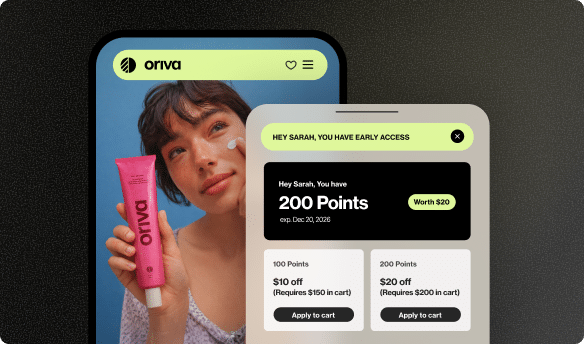







In the competitive world of eCommerce, it’s cheaper to keep a customer than to find a new one. With customer acquisition costs on the rise, a brand’s long-term success depends on turning one-time buyers into lifelong fans. The best tool for this job is a well-run loyalty program. However, just having a program isn’t enough. You need a dynamic loyalty program marketing strategy to turn it into a real engine for growth. This guide gives you ten actionable strategies, expert tips, and real-world examples to help you build a program that builds genuine, lasting relationships.
Key Takeaways
- Strategy is Key: A loyalty program is the structure, but a loyalty marketing strategy is the active plan to promote and optimize it for business goals like higher retention and LTV.
- Build a Strong Foundation: Before marketing your program, you must define clear goals, understand your customer segments, and choose the right program structure.
- Choose a Powerful Platform: Your program’s success depends on the technology behind it. A flexible and strategic platform is essential for customization, analytics, and growth.
- Promote Everywhere: Make your program visible across the entire customer journey, from your homepage and product pages to your email and social media channels.
- Personalize the Experience: Use customer data to offer personalized rewards, celebrate milestones, and create targeted communications that make members feel valued.
- Measure and Optimize: Continuously track key metrics like Customer Retention Rate (CRR), Redemption Rate, and ROI to understand performance and make data-driven improvements.
What Exactly is a Loyalty Program Marketing Strategy?
It’s important to know the difference between a loyalty program and a loyalty marketing strategy. A loyalty program is the structure—the system of points, tiers, and rewards you offer customers. A loyalty program marketing strategy, on the other hand, is the complete plan you use to promote, manage, and optimize that program to hit specific business goals. The program is the framework. The strategy is the active process of communication, engagement, and analysis that gets results. An effective strategy turns a simple discount system into a community hub that builds a deep, emotional connection with your brand.
Why Your eCommerce Brand Needs a Loyalty Marketing Strategy
The data clearly shows why a strong loyalty strategy is a must for sustainable growth. First, think about the high cost of getting new customers. Relying only on paid ads is an expensive game. A loyalty program shifts the focus to an asset you already have: your current customer base. This is vital because research shows that increasing customer retention by just 5% can boost profits by 25% to 95%.
Beyond the direct financial impact, an effective strategy delivers many benefits:
- Increased Customer Lifetime Value (LTV): Loyal members spend more, more often, over a longer time.
- Higher Average Order Value (AOV): Customers often add more to their cart to reach the next reward.
- Improved Customer Retention Rate (CRR): You give customers a compelling reason to come back.
- Valuable Zero-Party Data Collection: You can reward members for sharing their preferences, which helps you personalize their experience.
- Creation of Brand Advocates: Your most loyal members become your best marketers, driving powerful word-of-mouth referrals.
In short, a great loyalty marketing strategy doesn’t just give back to your customers. It builds a more resilient and profitable business.
Foundational Steps: Before You Market Your Program
Before you start a full-scale promotion, you need to lay a solid foundation. Skipping these early steps can weaken your program from the start.
Step 1: Define Clear, Measurable Goals
What exactly do you want your loyalty program to achieve? Without clear goals, you can’t measure success. Start by identifying your main objectives. Are you trying to:
- Increase your repeat purchase rate by 15% in the next six months?
- Boost your average order value by $10?
- Grow your SMS subscriber list by 20%?
- Drive more user-generated content by rewarding customers for leaving reviews?
Your goals will shape every part of your program, from its structure to your marketing messages.
Step 2: Understand Your Customer Segments
A one-size-fits-all loyalty program delivers average results. You need to understand who your customers are and what motivates them. Customer segmentation is a powerful way to do this. A common method is RFM analysis, which groups customers based on:
- Recency: How recently did they buy?
- Frequency: How often do they buy?
- Monetary: How much do they spend?
This analysis helps you find key segments like your VIPs (who you want to spoil), new customers (who you need to engage), and at-risk customers (who you need to win back).
Step 3: Choose the Right Loyalty Program Structure
Once you know your goals and customers, you can pick a program structure that fits both. The most common models include:
- Points-Based Programs: Customers earn points for purchases and other actions, which they redeem for rewards. It’s simple and effective.
- Tiered Programs: These programs gamify the experience. Customers unlock new tiers and benefits as they spend more.
- VIP/Paid Programs: Customers pay a fee for premium, always-on benefits like free shipping. This creates a highly committed group.
- Value-Based Programs: These programs connect with customers on an emotional level, like letting them redeem points for a charity donation.
Step 4: Select a Powerful Loyalty Platform
Your loyalty program is only as good as the technology that powers it. You need a platform that is flexible, provides deep analytics, and supports your success.
Yotpo helps you build a cycle of engagement that encourages repeat purchases and maximizes LTV. With Yotpo Loyalty, you get a team of eCommerce loyalty experts who use their market experience to guide you in building a dynamic program. The platform itself is highly flexible, allowing you to create unique and branded loyalty experiences that are easy to launch and iterate on.

It offers the most robust analytics and reporting in the market, with action-oriented insights to help you identify risks and opportunities. Its segmentation capabilities also allow for truly customized customer journeys.
10 Actionable Loyalty Program Marketing Strategies
Here are ten proven strategies to turn your loyalty program into a high-performing marketing asset.
1. Promote Your Program Everywhere, All the Time
A common mistake is failing to promote a loyalty program enough. If customers don’t know it exists, they can’t join. You need to make your program highly visible across the entire customer journey. Actionable Tactics:
- Homepage: Feature a prominent banner or pop-up.
- Dedicated Landing Page: Create a page that explains how the program works.
- Product Pages: Include reminders like, “Earn 50 points with this purchase.”
- Shopping Cart & Checkout: Use in-cart messaging like, “You are only $10 away from a $5 reward!”
- Transactional Emails: Add a block to your order and shipping confirmation emails.
- Marketing Channels: Include a link in your email footers and social media bios.
Yotpo in Action: A platform like Yotpo Loyalty simplifies this. It offers a suite of on-site modules you can embed across your website, from homepage pop-ups to a dedicated loyalty page. This ensures that wherever a customer is, your program’s benefits are front and center.
2. Create a Seamless and Engaging Onboarding Experience
The first interaction sets the tone. The moment a customer joins is a key chance to build excitement and show them how to get the most value. Your goal is to make joining easy and immediately rewarding. Actionable Tactics:
- Offer an Instant Reward: Give customers bonus points just for creating an account.
- Simplify Sign-Up: Ensure the sign-up process is frictionless.
- Launch a Welcome Series: Send a dedicated email that explains how to earn points and what the rewards are.
3. Personalize Rewards and Communications
Personalization is now an expectation. A generic loyalty program feels impersonal. Use your data to make members feel seen, understood, and valued. Actionable Tactics:
- Celebrate Milestones: Automatically send bonus points for a customer’s birthday or their first purchase anniversary.
- Send Point Balance Reminders: Trigger automated messages when a customer has enough points to redeem a reward.
- Create Targeted Offers: Segment your members and send them offers based on their past behavior.
Yotpo in Action: This is a core strength of Yotpo Loyalty. The platform’s dynamic segmentation lets you create unique experiences for different customer groups. You can define tiers with distinct benefits or build segments based on purchase history or engagement level. This helps you deliver relevant messages that feel like a personal perk.
4. Leverage Tiers to Drive Aspiration and Exclusivity
Tiered programs are powerful because they appeal to the desire for status. By creating levels with increasingly valuable benefits, you gamify the shopping experience. Actionable Tactics:
- Give Your Tiers Compelling Names: Go beyond “Bronze, Silver, Gold.” Use names that fit your brand.
- Offer Meaningful, Aspirational Benefits: Higher tiers must have genuinely better rewards, like early access to new products or free shipping on all orders.
- Visualize Progress: Show customers how close they are to the next tier with a simple progress bar.
5. Go Beyond Transactional Rewards with Experiences
While discounts are effective, the most memorable programs offer experiential rewards. These exclusive experiences create a deep emotional connection. Actionable Tactics:
- Exclusive Events: Invite top members to a digital launch party or an in-person workshop.
- Influence and Input: Let members vote on a new product color or t-shirt design.
- High-Value Giveaways: Offer entry into a raffle for a big-ticket item.
- Exclusive Content: Provide access to members-only tutorials or guides.
Yotpo in Action: Offering unique experiences requires a flexible platform. Yotpo Loyalty is designed to support the creation of unique, custom rewards that go far beyond simple coupons, allowing you to build a reward structure that is as unique as your brand.
6. Build a Community Around Your Loyalty Program
The strongest programs make members feel like they belong to an exclusive club. This sense of community turns customers into advocates. Actionable Tactics:
- Create a Members-Only Space: Launch a private Facebook Group or Discord server.
- Use Unique Naming and Hashtags: Give your program a special name and encourage a unique hashtag on social media.
- Feature Your Members: Spotlight a “member of the month” in your newsletter.
7. Integrate Loyalty with Your Other Marketing Channels
Your loyalty program shouldn’t operate alone. Weave it into all your other marketing efforts to create a cohesive customer experience. Actionable Tactics:
- Email & SMS Marketing: Send personalized point balance updates, reward notifications, and exclusive offers.
- Reviews & UGC: Create a powerful feedback loop by rewarding customers with loyalty points for sharing their experiences.
Yotpo in Action: When your marketing tools work together, you unlock powerful benefits. For example, you can create a powerful synergy by using Yotpo Loyalty and Yotpo Reviews together. You could automatically award points to any customer who leaves a 5-star review, which not only encourages more feedback but also deepens loyalty. While each Yotpo product is a best-in-class standalone solution, using them together can unlock a new level of strategic marketing.
8. Launch a Powerful Referral Program
The most trusted spokesperson for your brand is a happy customer. A referral program empowers your most loyal members to become your best marketing channel. Actionable Tactics:
- Offer a Two-Sided Incentive: Reward both the advocate and their friend (e.g., “Give $10, Get $10”).
- Make Sharing Effortless: Provide a referral link that is easy to copy and share.
- Promote it to Your Best Customers: Target your most loyal members and invite them to become brand ambassadors.
Yotpo in Action: A modern loyalty platform should have this built-in. Yotpo Loyalty includes robust referral program capabilities, making it simple to set up, manage, and track a two-sided incentive program.
9. Actively Engage Members Outside of Purchases
Effective loyalty extends beyond transactions. Reward customers for a wider range of interactions to keep your brand top-of-mind. Actionable Tactics:
- Reward Social Engagement: Award points for following your brand on social media.
- Incentivize Subscriptions: Give points for subscribing to your SMS list or email newsletter.
- Gather Zero-Party Data: Provide points for completing a customer profile.
10. Continuously Test, Measure, and Optimize
Your loyalty program is not a “set it and forget it” initiative. It needs ongoing attention and optimization based on customer feedback and performance data. Actionable Tactics:
- A/B Test Your Offers: Experiment with different reward types and values.
- Survey Your Members: Don’t guess what your customers want—ask them.
- Monitor Key Metrics: Keep a close eye on your program’s performance.
Yotpo in Action: To optimize effectively, you need clear data. Yotpo Loyalty provides robust, accurate reporting that helps you understand your program’s performance. Many plans also include a dedicated Customer Success Manager (CSM) who acts as a strategic guide, helping you analyze data and implement best practices.
Measuring Your Success: Key Loyalty Program Metrics
Tracking the right metrics is essential for understanding the impact of your strategy. Focus on these key performance indicators (KPIs):
- Customer Retention Rate (CRR): The primary indicator of success. It measures the percentage of customers who continue to shop with you.
- Repeat Purchase Rate: Tracks the percentage of customers who have made more than one purchase.
- Customer Lifetime Value (LTV): Are your program members more valuable than non-members over time?
- Redemption Rate: Measures how many of the points you issue are being redeemed. A low rate may mean your rewards aren’t compelling.
- Program ROI: Compare the incremental revenue generated by members against the cost of rewards and the platform.
Conclusion: From Transactional to Relational
In today’s crowded eCommerce market, competing on price isn’t a sustainable strategy. The brands that win are those that build lasting relationships with their customers. A smart loyalty program marketing strategy is your most effective tool for this. By moving beyond simple rewards and focusing on personalization, exclusivity, and community, you can turn your program into a powerful engine for growth.
Frequently Asked Questions
How long does it take to see results from a loyalty program?
You can see initial results, like more account creations, almost immediately. But measuring the impact on core metrics like LTV and CRR typically takes three to six months to gather enough data to see clear trends.
What is the biggest mistake brands make with their loyalty programs?
The most common mistake is being passive. Many brands launch a program and then fail to actively market it or analyze its performance. A loyalty program needs constant promotion and optimization to be effective.
Can a loyalty program work for a business with a low purchase frequency?
Yes. For brands that sell items people don’t buy often (like furniture), the strategy should focus more on non-transactional engagement. Reward customers for writing reviews, referring friends, or engaging on social media. This keeps your brand top-of-mind.
How much should we give away in rewards?
There is no universal figure, as it depends on your profit margins and AOV. A common starting point is a reward value equal to 1-5% of a customer’s spending. The best approach is to model different scenarios and use a flexible platform that lets you test and adjust.
How do I choose rewards that my customers will actually want?
Start by analyzing your sales data to see what your best-sellers are. You can also survey your members directly to ask what they find valuable. Offering a mix of discounts, free products, and exclusive experiences usually works well.
What’s the best way to announce the launch of a new loyalty program?
A multi-channel approach is best. Announce it with a homepage banner, send a dedicated email blast to your entire customer list, and post about it on all your social media channels. Offer a special sign-up bonus for a limited time to create urgency.
Should my loyalty program be free to join?
For most eCommerce brands, a free-to-join program is the best way to maximize participation. Paid or VIP programs can be very effective, but they are typically best for brands with a highly engaged, pre-existing customer base that is willing to pay for premium perks.
How can I re-engage inactive loyalty members?
Segment your inactive members and create a targeted “win-back” campaign. You can send them an email with an exclusive offer, remind them of their current points balance, or give them a small number of bonus points to encourage them to come back.
Is it better to offer a percentage discount or a dollar-off coupon?
This often depends on your AOV. Dollar-off coupons can feel more tangible and are often more effective at driving action for lower-priced items. Percentage discounts can be more appealing for higher-priced purchases. A/B testing is the best way to see what resonates with your audience.
How can I make my loyalty program feel exclusive?
Use tiers to create a sense of achievement and offer benefits that can’t be bought. Things like early access to sales, exclusive products, or personal invitations to events make top-tier members feel like true insiders.
What is a “surprise and delight” tactic in a loyalty program?
This involves giving unexpected rewards to members. It could be sending a small gift to your top 100 customers or randomly giving bonus points to members on their half-birthday. These unannounced perks create memorable moments and build strong emotional connections.
How important is a dedicated landing page for my program?
It’s very important. A dedicated page acts as the central hub for all information about your program. It should clearly explain how to earn points, what the tiers are, what rewards are available, and answer common questions. This transparency builds trust and encourages sign-ups.
Can I change my loyalty program after it has launched?
Yes, and you should. Your program should evolve based on performance data and customer feedback. Just be sure to communicate any major changes clearly and well in advance to your members to avoid confusion or frustration.











 Join a free demo, personalized to fit your needs