


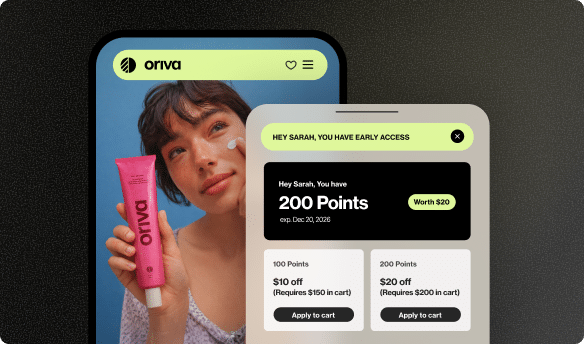







In the competitive world of ecommerce, it’s easy to focus all your energy on finding new customers. But what about the ones you already have? Your existing customers are your most valuable asset. Building their loyalty is the key to long-term growth. This is where ecommerce loyalty software comes in as a powerful strategic tool. It gives you a framework to encourage repeat purchases, boost customer lifetime value, and turn happy shoppers into your biggest fans. By balancing how you attract new customers with how you keep existing ones, you can unlock serious, sustainable growth.
Key Takeaways
- Retention is Growth: Sustainable ecommerce success comes from retaining existing customers, not just acquiring new ones. Loyalty software is a primary tool for achieving this.
- Psychology Matters: Effective loyalty programs work by tapping into core human drivers like reciprocity, gamification, and the desire for exclusivity to build an emotional connection with your brand.
- Measure What Matters: Loyalty software directly impacts key business metrics, including Customer Lifetime Value (CLV), customer retention rates, and Average Order Value (AOV).
- Choose a Strategic Partner: The best loyalty software offers deep integrations, brand customization, robust analytics, and expert strategic support to ensure your program’s success.
- Launch Strategically: A successful loyalty program requires a phased approach: start with clear goals and planning, implement the technology, promote it heavily at launch, and continuously optimize based on data.
What Exactly is Ecommerce Loyalty Software?
At its heart, ecommerce loyalty software is the digital evolution of the old-fashioned “buy ten, get one free” punch card. But it’s much more sophisticated and strategic. It’s a specialized platform built to reward customers for their continued business, giving them a structured reason to come back again and again.
More Than a Punch Card: Defining Modern Loyalty Programs
Unlike those paper cards, modern loyalty programs are about building real relationships, not just rewarding transactions. This software lets you create a branded, seamless experience that plugs right into your online store. It tracks customer behavior, automates reward delivery, and gives you the data you need to understand what really motivates your audience. The main goal is to make customers feel valued and give them compelling reasons to choose your brand every time.
The Core Components of Ecommerce Loyalty Software
While every loyalty program can be tailored, most are built from a few key parts that you can adjust to fit your brand’s goals.
- Points-Based Systems: This is the most common model. Customers earn points for actions like making a purchase, writing a review, or following you on social media. They can then cash in these points for discounts, free products, or other perks. Its simplicity makes it a great place to start.
- Tiered Programs: Tiers add a bit of fun by letting customers unlock new levels of status and better benefits as they spend or engage more. These tiers, often named something like “Silver,” “Gold,” or “Platinum,” offer increasingly better rewards. This creates a powerful drive for customers to climb the ladder and makes your best customers feel special.
- Referral Marketing: Who are your best marketers? Your happiest customers. Modern loyalty software usually includes a referral program, making it easy for customers to share a unique link with friends. When a new customer buys something through that link, both the referrer and the new shopper get a reward. It’s a win-win.
- Personalized Rewards and Experiences: The real magic of today’s loyalty software is personalization. Instead of just offering generic discounts, you can give rewards based on a customer’s shopping history or loyalty status. Think early access to new products, a personalized birthday gift, or exclusive content. It shows you’re paying attention.
In short, ecommerce loyalty software provides the tools to build and run a program that rewards buying behavior while also building genuine, long-term customer relationships.
The Psychology of Loyalty: Why These Programs Work
Great loyalty programs connect with customers because they tap into basic human psychology. They align with our natural desire for recognition, reward, and a sense of belonging. Understanding these psychological drivers helps you design a program that builds true brand affinity.
The Principle of Reciprocity
Reciprocity is the idea that people tend to respond to a positive action with another positive action. When your brand gives a customer points or a surprise discount, it triggers this instinct. The customer feels a natural urge to give back, maybe by making another purchase or leaving a great review. A loyalty program formalizes this cycle of giving and receiving, creating a positive loop that strengthens the customer relationship.
The Power of Gamification
Gamification means adding game-like elements to things that aren’t games to boost engagement. Ecommerce loyalty software is great at this. It uses points, badges, progress bars, and levels to make shopping feel less like a transaction and more like a fun challenge. Customers get satisfaction from earning points and unlocking rewards, which makes interacting with your brand more memorable and encourages them to come back more often.
The Feeling of Exclusivity
Feeling like part of an exclusive club is a strong motivator. Tiered loyalty programs are especially good at creating this feeling. As customers move up through the tiers, they get benefits that aren’t available to everyone, like free shipping or early access to sales. This VIP treatment validates their loyalty, makes them feel like insiders, and strengthens their connection to your brand.
Building an Emotional Connection
Ultimately, the best loyalty programs go beyond transactions to build a real emotional connection. When customers feel a brand truly appreciates their business, they’re much more likely to become attached. Personalized rewards and feeling like part of a community all help build this bond. An emotionally connected customer isn’t just a repeat buyer; they’re a true advocate.
By using these psychological principles, loyalty programs create a powerful framework that shapes customer behavior and builds lasting brand loyalty.
The Tangible Business Impact: How Loyalty Software Drives Repeat Sales
While the psychology is interesting, the real test of a loyalty program is its effect on your bottom line. A well-run program isn’t just a marketing expense; it’s a powerful engine for revenue growth. It directly impacts key ecommerce metrics, leading to more repeat sales and a healthier business.
Increasing Customer Lifetime Value (CLV)
Customer Lifetime Value (CLV) is the total revenue you can expect from a single customer over the course of your relationship. Loyalty programs are one of the best ways to increase CLV. They give customers reasons to buy more often (to earn rewards) and spend more each time (to hit new benefit levels). By boosting both purchase frequency and average order value, a loyalty program significantly increases the lifetime value of every customer.
Boosting Customer Retention Rates
It costs a lot more to get a new customer than to keep an existing one. Loyalty programs are designed specifically to improve retention. Research consistently shows that even a small 5% increase in customer retention can lead to a profit increase of 25% to 95%. By giving customers clear reasons to stick with your brand, a loyalty program has a huge impact on profitability.
Encouraging Higher Average Order Value (AOV)
Getting customers to add more to their cart is a direct path to more revenue. Loyalty programs are great at encouraging this. You can structure your program to offer bonus points for hitting certain spending thresholds. Simple messages like, “You’re only $10 away from free shipping!” are very effective. It motivates customers to add one more item to unlock a reward, directly boosting AOV.
Turning Customers into Brand Advocates
The ultimate goal of a loyalty program is to create customers who are so happy they actively promote your brand. In a world full of ads, a recommendation from a friend is more powerful than ever. Ecommerce loyalty software helps you create referral programs that reward both the advocate and the new customer. This strategy encourages word-of-mouth marketing at scale, bringing in new, high-value customers for a very low cost.
Choosing the Right Ecommerce Loyalty Software: Key Features and Considerations
Once you’ve decided on a loyalty strategy, the next big step is picking the right software. The market has plenty of options, but they aren’t all the same. To choose a solution that will grow with your business and give you a real return on your investment, you need to look at a few key things.
Deep Integration Capabilities
Your loyalty software can’t be an island. It needs to connect smoothly with your other key systems. A solid integration with your ecommerce platform—whether it’s Shopify, BigCommerce, or another major system—is a must-have. Also, consider how it works with your other marketing tools. The best loyalty solutions integrate with email, SMS, and customer review platforms to create a more unified experience. This synergy unlocks the program’s full potential.
Flexibility and Customization
Your brand is unique, and your loyalty program should be too. Look for platforms that give you deep customization options. You should have full control over the look and feel of your program, from colors and fonts, to the layout. The right software will also let you create custom rules for earning and redeeming rewards that align with your specific business goals.
Robust Analytics and Reporting
You can’t improve what you don’t measure. A powerful loyalty platform must give you clear, actionable insights. The analytics dashboard should make it easy to track key metrics like member enrollment, redemption rates, and the program’s overall return on investment (ROI). The best platforms help you understand customer behavior, so you can see which rewards are most popular and continuously optimize your program.
Strategic Support and Expertise
Software is just a tool. Its value often depends on the people behind it. This is especially true for loyalty, where strategy is key. Look for a provider that acts as a strategic partner. Do they have experience with brands like yours? Can they offer best-practice advice? An experienced partner can help you avoid common mistakes and make smart decisions that speed up your program’s success.
A Closer Look at Yotpo Loyalty

Yotpo Loyalty is designed for brands looking to build a sophisticated, high-ROI retention program. It stands out by pairing a flexible and highly customizable platform with expert strategic guidance. Yotpo’s team acts as an extension of yours, helping you design, launch, and optimize a program that gets real results. Its robust analytics provide deep, actionable insights, and its ability to create unique, on-brand experiences is a major advantage.
Step-by-Step: How to Launch a Successful Ecommerce Loyalty Program
Launching a loyalty program can feel like a big project, but breaking it down into clear steps makes it much more manageable. A structured approach ensures you cover all your bases before you go live.
Phase 1: Strategy and Planning
This first step is the most important. The decisions you make here will shape your entire program.
- Define Your Goals: Be specific. Instead of just “increase sales,” aim to “increase our repeat purchase rate by 15% in six months.” Clear goals will guide your design and help you track success.
- Understand Your Customers: What really motivates your audience? Do they want discounts or exclusive access to products? Use purchase data and surveys to figure out what rewards will be most appealing.
- Choose a Program Structure: Based on your goals and customer insights, decide on a structure. Will a simple points system, a tiered program, or a mix of both work best for your brand?
- Outline Earning and Redemption Rules: Get into the details. How many points do customers get for a purchase? What are those points worth? Keep it simple and clear.
Phase 2: Implementation and Setup
Now, you’ll turn your strategy into a real program using your chosen software.
- Select and Integrate Your Loyalty Software: Choose the platform that best fits your strategy. Follow the provider’s instructions to connect it to your ecommerce store and other marketing tools.
- Design Your On-Site User Experience: Customize every part of your loyalty program that customers will see, from the explainer page to the customer dashboard. Make sure it all matches your brand’s look and feel.
- Prepare Your Launch Communications: Write the emails, social media posts, and on-site banners you’ll use to announce the program. Get everything ready in advance for a smooth launch.
Phase 3: Launch and Promotion
It’s time to introduce the program to your customers.
- Go Live: Activate the program in your software’s dashboard. Do one last check on your site to make sure everything is working correctly.
- Announce the Program: Send out your prepared email campaign to your existing customers. Consider giving them some starting bonus points to thank them for their past loyalty and get them engaged right away.
- Promote Heavily: Make sure your program is easy to find. Feature it on your homepage, in your site’s header, on social media, and in your regular marketing emails.
Phase 4: Analysis and Optimization
A loyalty program isn’t something you can set and forget. The best programs are always evolving.
- Monitor Your KPIs: Regularly check your analytics dashboard to see how you’re tracking against the goals you set in Phase 1.
- Gather Customer Feedback: Ask your members what they think. Find out which rewards they like best and if anything is confusing. Use this feedback to make improvements.
- A/B Test Different Promotions: Use your software to test different offers. Does a “double points weekend” work better than a coupon? Let data guide your strategy.
- Continuously Refine Your Strategy: Use your data and feedback to make ongoing adjustments. A successful loyalty program should grow with your business and your customers.
Common Pitfalls to Avoid with Your Loyalty Program
While launching a loyalty program is a great move, a few common mistakes can weaken its impact. Knowing these challenges ahead of time can help you design a program that delivers real value.
- Overly Complex Rules: If customers can’t easily understand how to earn and redeem rewards, they’ll check out. Keep the rules simple and intuitive. Clarity is key.
- Low-Value Rewards: The rewards you offer have to be desirable and feel achievable. If a customer has to spend a huge amount to get a small discount, they’ll lose interest. The reward should feel worth the effort.
- Lack of Promotion: This is one of the most common mistakes. You can have the best loyalty program in the world, but it won’t work if no one knows about it. Promote your program everywhere.
- Neglecting Data Analysis: Your loyalty software gives you a ton of valuable data. Use it. Regularly check your analytics to see what’s working and what’s not. Use these insights to make smart optimizations.
Conclusion: Loyalty is the Future of Ecommerce Growth
In today’s crowded digital marketplace, it’s easy to get caught up in the chase for new customers. While that’s important, the most successful ecommerce brands are the ones that have mastered customer retention. Building a loyal customer base is no longer just a nice-to-have; it’s essential for sustainable success.
Ecommerce loyalty software gives you the framework to make this happen. It helps you move beyond one-off sales to build real, lasting relationships with your customers. By rewarding their business and personalizing their experience, you create powerful reasons for them to come back, leading to higher customer lifetime value and a community of advocates who will champion your brand. An investment in loyalty is an investment in a more stable and profitable future.
How much does ecommerce loyalty software cost?
The cost varies depending on the provider, features, and your business size. Some platforms have entry-level plans with monthly fees based on your number of orders or customers, making them affordable for smaller businesses. More advanced enterprise plans with deep customization and dedicated support will cost more. It’s best to see it as an investment in retention and look for a provider that offers clear ROI tracking.
How long does it take to see results from a loyalty program?
You might see a bump in sign-ups right after launch, but the real value of a loyalty program shows up over time. You can often see an increase in repeat purchase rates within the first few months. A bigger impact on metrics like customer lifetime value usually becomes clear after six to twelve months, once customers have had time to engage with the program.
Can a loyalty program work for a small or new business?
Absolutely. A loyalty program can be a great tool for a new business trying to turn its first customers into a loyal community. It helps you stand out and gives early customers a reason to stick with you. Many software providers offer scalable plans that are affordable for growing businesses.
What’s the difference between a loyalty program and a referral program?
They often come in the same software, but they do different jobs. A loyalty program is about retention. It rewards existing customers for their repeat business. A referral program is about acquisition. It encourages your current customers to bring new customers to your business. The best strategies use both.
How do I choose the right rewards for my customers?
Start by understanding your customers and your profit margins. Low-margin businesses might stick to smaller, achievable rewards like free shipping or small discounts. High-margin businesses can offer more valuable rewards. Look at your customer data to see what they buy most often. You can also survey your customers to ask them directly what they’d like to see.
Should I use a points-based system or a tiered system?
It depends on your goals. A points-based system is simple and works well for most businesses. It’s easy for customers to understand and is great for encouraging repeat purchases. A tiered system is better for building long-term loyalty and making your best customers feel special. It adds a layer of gamification that can be very effective. Some brands even use a hybrid of both.
How can I promote my loyalty program effectively?
Promotion is crucial. Make it visible everywhere. Announce it with a dedicated email campaign and on social media. Feature it prominently on your homepage with a clear call-to-action. Add information about it to your site’s header or footer, on product pages, and in your transaction emails. The more visible it is, the more people will join.
What are some creative ways to reward customers beyond discounts?
Think about what would make your customers feel special. You could offer early access to new products or sales, exclusive content like tutorials or behind-the-scenes looks, or experiential rewards like an invitation to a virtual event. You can also offer a “points for a cause” option where customers can donate their points to a charity.
How do I measure the ROI of my loyalty program?
Your loyalty software’s analytics dashboard is the best place to start. Track key metrics like the repeat purchase rate of members versus non-members, the average order value of members, and the customer lifetime value. You can also track the redemption rate to see how engaged members are. These numbers will help you see the direct financial impact of your program.
Can a loyalty program help me collect more customer reviews?
Yes, it’s a great synergy. You can reward customers with loyalty points for leaving a review after they make a purchase. This incentivizes them to share their feedback, which helps you gather more user-generated content and social proof. When paired with a tool like Yotpo Reviews, this strategy becomes even more powerful and seamless.
What is the most important factor for a successful loyalty program?
Simplicity. If your program is confusing, customers won’t use it. The rules for earning and redeeming points should be crystal clear. The value proposition should be easy to understand at a glance. No matter how creative your rewards are, if the process isn’t simple, you’ll struggle to get engagement.
Should my loyalty program be free to join?
For most ecommerce brands, yes. A free-to-join program, often called a standard loyalty program, removes any barrier to entry and encourages wide participation. Some brands experiment with paid or subscription-based VIP programs, but these are typically best for established businesses with a highly engaged customer base that is willing to pay for premium benefits.
How often should I update my loyalty program?
A loyalty program shouldn’t be completely static. It’s a good idea to review its performance quarterly. Look at your data and customer feedback to see what’s working. You don’t need to make huge changes all the time, but running special promotions, like a “double points weekend” or adding a new reward, can keep the program fresh and interesting for your members.











 Join a free demo, personalized to fit your needs