








Customer acquisition alone is insufficient for sustainable success. The most significant growth potential lies in customer retention, which is the focus of loyalty marketing. A well-designed loyalty program transcends simple discounts; it cultivates a meaningful connection between a brand and its customers. This process transforms one-time buyers into repeat purchasers and, ultimately, into enthusiastic brand advocates. By rewarding customers for their continued business, you create a powerful incentive for them to choose your brand over competitors consistently.
Key Takeaways
- Customer Retention is Crucial: Loyalty marketing is fundamental to long-term business success, emphasizing the retention of existing customers who are demonstrably more profitable than newly acquired ones.
- Diverse Program Structures: There is no universal solution for loyalty programs. They can be points-based, tiered, paid (VIP), or value-based, with the optimal choice depending on the specific brand and its customer base.
- Strategy is Essential: A successful loyalty program requires a clear strategy that includes defining goals, understanding the target audience, offering relevant rewards, and delivering a personalized experience.
- Effective Measurement Informs Success: To understand a program’s impact, it is crucial to track key metrics such as Customer Lifetime Value (CLV), repeat purchase rate, redemption rate, and overall Return on Investment (ROI).
- Technology as an Enabler: Modern loyalty programs rely on sophisticated software to manage points, tiers, rewards, and analytics, creating a seamless experience for both the business and the customer.
- Personalization as a Driver of Engagement: Tailoring rewards and communications based on customer data and behavior enhances the program’s perceived exclusivity and value, thereby boosting participation.
- Building Emotional Connection: The most effective programs extend beyond transactional benefits to build an emotional connection, often by creating a sense of community around the brand.
Defining the Loyalty Marketing Program
Essentially, a loyalty marketing program is a strategic approach designed to encourage repeat business. It is a structured system that rewards customers for their continued engagement with a brand. This can be understood as a formal mechanism for acknowledging and rewarding customers for choosing your brand.
However, its function extends beyond simple appreciation. These programs are built on the principle that the more a customer interacts with a brand—whether through purchases, reviews, or referrals—the more value they should receive in return. This value can manifest in various forms, including discounts, exclusive product access, complimentary merchandise, or special services.
The primary objective is not merely to drive the next sale but to foster a deeper, long-term relationship. By making customers feel recognized, appreciated, and valued, a brand builds a foundation of trust and loyalty that transcends the transactional nature of a purchase. When customers feel they are part of an exclusive group, they are more likely to become brand advocates, generating positive word-of-mouth and driving new business. This creates a powerful cycle of engagement that can transform a customer base into a thriving community.
The Strategic Importance of a Customer Loyalty Program
Investing in a customer loyalty program is not merely an optional feature; it is a strategic business imperative with a significant return on investment. Data consistently demonstrates that retaining existing customers is far more cost-effective than acquiring new ones. Depending on the industry, new customer acquisition can be five to 25 times more expensive than customer retention.
Here are the primary reasons these programs are critical for modern businesses:
- Increased Customer Lifetime Value (CLV): Loyal customers purchase more products, more frequently. A loyalty program directly incentivizes this behavior. By offering structured rewards for repeat purchases, a business can systematically increase the total revenue a single customer generates over their lifetime. A modest increase in customer retention can yield a substantial increase in profitability.
- Higher Average Order Value (AOV): Loyalty programs can be structured to motivate customers to spend more per transaction. For instance, offering bonus points or access to a new tier after reaching a specific spending threshold encourages shoppers to increase their cart size. This is a simple yet effective method for boosting AOV.
- Valuable Data Collection: These programs are an invaluable source of customer data. They provide direct insight into the identity of a brand’s most valuable customers, their purchasing habits, and their buying cycles. This first-party data is essential for personalizing marketing campaigns, tailoring product recommendations, and informing strategic business decisions. It provides a clear picture of customer motivations, enabling a business to serve them more effectively.
- Enhanced Brand Advocacy: Satisfied, loyal customers often become a brand’s most effective marketers. A well-structured loyalty program provides them with additional reasons to discuss the brand, refer friends and family, and share positive reviews on social media. This organic, word-of-mouth marketing is incredibly powerful and builds trust in a way that traditional advertising cannot replicate.
- Competitive Differentiation: In a saturated market, a compelling loyalty program can serve as a key differentiator. When products and pricing are comparable across competitors, the customer experience becomes paramount. A program that offers unique, valuable rewards makes a brand the more attractive option and gives customers a compelling reason to remain loyal.
Types of Customer Loyalty Programs
Selecting the appropriate structure for a loyalty program is a critical decision. The chosen model should align with the brand’s identity, business goals, and customer preferences. Several popular types of loyalty programs exist, each with distinct mechanics and benefits.
1. Points-Based Programs
This is the most conventional and straightforward type of loyalty program. Customers earn points for specific actions, primarily purchases, but also for other forms of engagement such as writing reviews or social media interactions. These points can be redeemed for rewards, such as discounts, free products, or special offers.
- Mechanism: Customers typically earn a set number of points for each dollar spent (e.g., $1 = 10 points). Upon accumulating a sufficient number of points, they can exchange them for a reward.
- Effectiveness: The structure is easy for customers to comprehend and for businesses to manage. It provides a clear, immediate incentive for making a purchase and encourages continued engagement through the accumulation of points.
2. Tiered Programs
Tiered programs expand on the points-based system by establishing levels of loyalty. Customers advance through different tiers based on their spending or point accumulation. Each successive tier unlocks a new set of more valuable benefits and rewards.
- Mechanism: A customer might begin in a “Silver” tier and, after reaching a certain spending threshold, advance to “Gold” and then “Platinum.” Benefits could range from basic discounts at the lowest tier to exclusive perks like complimentary shipping, early access to new products, and private event invitations at the highest tiers.
- Effectiveness: Tiers create a sense of aspiration and exclusivity, motivating customers to increase their spending to reach the next level and unlock superior rewards. This gamifies the shopping experience and makes the most loyal customers feel uniquely valued.
3. Paid or VIP Programs
In a paid loyalty program, customers pay a recurring fee (monthly or annually) for immediate access to a suite of exclusive benefits. Amazon Prime is the most prominent example of this model.
- Mechanism: Customers subscribe by paying a fee to join the VIP program. In return, they receive instant and ongoing perks unavailable to other customers, such as free expedited shipping, members-only discounts, or exclusive content.
- Effectiveness: A paid program fosters strong psychological commitment. Because customers have made a financial investment, they are more inclined to shop with the brand to maximize the value of their membership. This model also generates a predictable, recurring revenue stream.
4. Value-Based Programs
This type of program aims to build an emotional connection with the customer by aligning with their personal values. Instead of offering purely transactional rewards, a value-based program might facilitate a donation to a charity of the customer’s choice for every purchase made.
- Mechanism: A portion of the customer’s purchase amount is converted into a charitable donation. The brand partners with non-profit organizations, allowing customers to feel that their spending contributes to a cause they support.
- Effectiveness: This approach resonates with socially conscious consumers who want their purchasing decisions to have a positive impact. It builds a deeper level of brand loyalty by connecting on a shared set of values, elevating the relationship beyond products and price.
Proven Strategies for a Successful Loyalty Program
Launching a loyalty program is only the initial step. To ensure it resonates with customers and delivers tangible business value, a well-defined strategy is required. A successful program is more than a collection of rewards; it is a meticulously designed customer experience. The following are proven strategies to guide its development and implementation.
Establish Clear and Measurable Goals
The first step is to define the program’s objectives. What specific outcomes does the business seek to achieve? Potential goals include:
- Increasing customer retention by a specific percentage.
- Boosting the average order value (AOV).
- Encouraging more frequent purchases.
- Driving more customer reviews and user-generated content.
Clear, measurable goals enable the design of a focused and effective program. They also provide a benchmark for evaluating performance and demonstrating ROI.
Develop a Deep Understanding of Your Audience
A generic approach is seldom effective. To create a program that customers will value, it is essential to understand their motivations. Utilize existing customer data to answer key questions:
- Who are the most loyal customers? What are their demographics and purchasing habits?
- What types of rewards would they find most valuable? Are they motivated by discounts, exclusive products, or unique experiences?
- What are their preferred communication channels?
Conducting surveys and analyzing purchase history can yield valuable insights. The more a brand understands its audience, the better it can tailor the program to their preferences, making it feel personal and relevant.
Select the Right Rewards
The rewards offered are the core of any loyalty program. They must be both desirable to customers and sustainable for the business. An effective rewards strategy often incorporates a mix of different incentive types:
- Transactional Rewards: These are the most common and include percentage discounts, fixed-amount coupons, and free shipping. They are effective because they offer clear and immediate financial value.
- Experiential Rewards: These are non-monetary perks that create a unique brand experience. Examples include early access to new products, invitations to exclusive events, or personalized styling advice. These rewards build an emotional connection and differentiate the program.
- Emotional Rewards: These connect with customers on a personal level. Examples include recognizing a customer’s birthday with bonus points or making a charitable donation on their behalf. Such gestures can have a significant impact on a customer’s perception of the brand.
Personalize the Experience
In the current market, personalization is an expectation. The data collected from a loyalty program should be used to create a more tailored experience for each member.
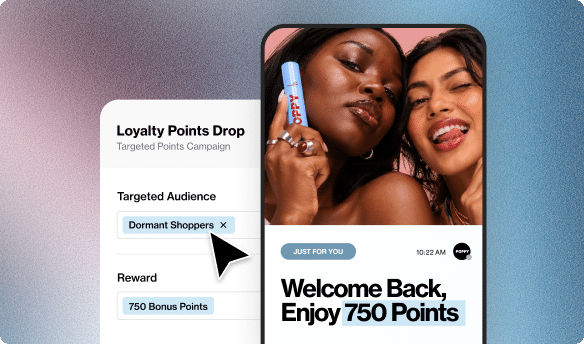
- Audience Segmentation: Group customers based on their tier, purchase history, or engagement level. This allows for the delivery of targeted offers and communications to each segment. For example, a special offer could be sent for a product category a customer frequently browses but has not yet purchased.
- Personalized Recommendations: Utilize purchase data to recommend relevant products or send reminders for reordering consumable items.
- Acknowledge Milestones: Celebrate the customer’s journey with the brand by acknowledging anniversaries of their membership or their advancement to a new tier with a special message and a small reward.
Ensure Simplicity and Engagement
A loyalty program should be simple to understand and easy to use. Unnecessary complexity will lead to disengagement.
- Clear Communication: Use clear and concise language to explain the program’s mechanics, including how points are earned and how rewards are redeemed. This information should be easily accessible on the brand’s website.
- Seamless User Experience: Integrate the program seamlessly into the website and checkout process. Customers should be able to view their points balance and available rewards without difficulty.
- Program Promotion: Actively promote the loyalty program across all marketing channels, including the website homepage, email newsletters, social media, and even packaging inserts.
By implementing these strategies, a business can create a loyalty program that not only rewards customers but also builds lasting relationships that drive sustainable growth.
Examples of Top Loyalty Marketing Programs
Analyzing successful loyalty programs can provide valuable inspiration and practical ideas for strategy development. The following brands have demonstrated mastery in building customer loyalty by offering compelling value and creating exceptional experiences.
Yotpo Loyalty

Yotpo Loyalty is engineered as a best-in-class solution for eCommerce brands focused on fostering long-term customer relationships. The platform moves beyond basic points and rewards to provide a robust framework for building a dynamic and engaging loyalty cycle. Its primary objective is to maximize customer lifetime value by encouraging repeat purchases in a manner that is uniquely tailored to each brand’s business model and customer base.
A key differentiator of Yotpo Loyalty is its combination of a flexible platform with expert strategic support. Brands gain access to a team of eCommerce loyalty specialists who leverage extensive experience to guide the construction of a powerful program. This hands-on approach encompasses everything from initial framework strategy to technical implementation and ongoing optimization.
Core strengths of the Yotpo Loyalty solution include:
- Deep Analytics and Reporting: Yotpo delivers action-oriented insights that help brands understand program performance, identify potential risks, and uncover opportunities for improvement. The reporting is designed to be accurate and conservative, providing marketers with a true representation of shopper behavior without inflated metrics.
- Flexibility and Customization: The platform is built for agility, empowering brands to create unique, on-brand loyalty experiences. This includes customizable loyalty pages and on-site elements that can be launched and edited with ease, ensuring the program can evolve alongside the brand.
- Advanced Segmentation: Yotpo enables brands to create dynamic customer segments, which allows for the development of highly customized journeys. This level of targeting makes each shopper feel that their experience is personalized, ensuring that rewards and communications are consistently relevant.
- Strategic Partnership: With Yotpo, brands receive more than just software; they gain a dedicated team of Customer Success Managers who specialize in eCommerce. These experts partner with the brand’s team to analyze performance, iterate on program strategy, and facilitate the adoption of new features to keep the program fresh and effective.
Loyalty Lion

Loyalty Lion is a data-driven platform designed to help eCommerce merchants increase customer loyalty and engagement. It offers a range of features aimed at building stronger emotional connections with customers that extend beyond transactional rewards.
The platform emphasizes personalization and analytics to help brands understand the drivers of repeat purchases. Its features allow for the creation of customized loyalty programs with points, tiers, and rewards, and it integrates with major eCommerce platforms.
Smile.io

Smile.io is a widely used loyalty program provider that simplifies the process for small to medium-sized businesses to create engaging reward programs. Known for its user-friendly interface and rapid setup, the platform offers three primary program types: points, referrals, and VIP tiers.
Brands can use Smile.io to reward customers for a variety of actions, fostering a sense of community. The platform provides customization options to align the program with a brand’s visual identity and integrates with numerous other eCommerce tools.
Okendo

Okendo is a customer marketing platform with a strong focus on generating and leveraging reviews, though it also offers loyalty and referral features. The platform is designed to help brands use customer-generated content to build trust and drive sales.
Its loyalty component is built to work synergistically with its review capabilities, allowing brands to reward customers for activities like leaving reviews and sharing user-generated content, thereby creating a virtuous cycle of social proof.
Stamped

Stamped provides a suite of customer marketing tools that includes loyalty and rewards alongside its well-regarded reviews and ratings solution. The platform is designed to help brands build social proof and increase customer retention through an integrated system.
Stamped’s loyalty program features a points-based system, VIP tiers, and customizable rewards, utilizing AI to assist with review management and provide a comprehensive toolkit for building brand credibility.
Rivo

Rivo offers a comprehensive solution for Shopify stores, combining a loyalty program, referral marketing, and product reviews into a single platform. It is designed as an all-in-one tool for merchants seeking to enhance customer engagement and retention.
Rivo’s loyalty features include points, tiers, and multiple ways to reward customers. The platform is built for ease of use and quick setup, making it accessible for businesses of various sizes within the Shopify ecosystem.
How to Measure the Success of Your Loyalty Program
A loyalty program is an investment, and its performance must be tracked to ensure it is delivering a positive return. Measuring success requires analyzing key performance indicators (KPIs) that reveal the program’s influence on customer behavior and its impact on the bottom line.
The following are essential metrics for tracking:
1. Customer Retention Rate (CRR)
This fundamental metric measures the percentage of customers who continue to do business with a brand over a specific period. A successful loyalty program should produce a measurable increase in this rate.
- Calculation: CRR = ((Number of Customers at End of Period – Number of New Customers Acquired) / Number of Customers at Start of Period) x 100
2. Repeat Purchase Rate (RPR)
This metric measures the percentage of customers who have made more than one purchase. It serves as a direct indicator of the loyalty program’s effectiveness in encouraging customers to return.
- Calculation: RPR = (Number of Customers with More Than One Purchase / Total Number of Customers) x 100
3. Redemption Rate
The redemption rate indicates how many of the issued points or rewards are being used by customers. A low redemption rate may suggest that the rewards are not compelling, the redemption process is too complex, or that customers are unaware of their benefits. A healthy redemption rate signals an engaged customer base.
- Calculation: Redemption Rate = (Number of Rewards Redeemed / Number of Rewards Issued) x 100
4. Customer Lifetime Value (CLV)
CLV represents the total revenue a customer is expected to generate throughout their entire relationship with a brand. A primary goal of a loyalty program is to increase this value. The CLV of loyalty program members should be tracked and compared to that of non-members; a higher CLV for members is a strong indicator of success.
5. Program ROI (Return on Investment)
Ultimately, a business must determine if the financial benefits of its loyalty program outweigh the costs. Calculating the ROI provides a clear answer. The “return” encompasses the additional revenue generated by program members, while the “investment” includes all associated costs (e.g., software fees, reward costs, marketing expenses).
- Calculation: Program ROI = ((Additional Revenue from Program – Program Costs) / Program Costs) x 100
By regularly monitoring these metrics, a business can gain a deep understanding of its program’s performance. This data-driven approach enables informed adjustments and continuous optimization to deliver superior results for both customers and the business.
Conclusion
In a consumer landscape characterized by abundant choice, a well-executed loyalty marketing program is no longer a discretionary expense but a strategic necessity. It is the most effective method for a brand to differentiate itself in a crowded market, build genuine customer relationships, and create a sustainable competitive advantage. By moving beyond simple, transactional incentives to focus on creating genuine value, a brand can transform first-time buyers into lifelong advocates.
The process begins with a clear strategy that involves understanding customers, selecting the right program type, and offering rewards that resonate. However, a loyalty program is not a static initiative; it requires ongoing attention, measurement, and optimization. By consistently tracking key metrics and soliciting customer feedback, a business can ensure its program remains fresh, engaging, and effective.
The ultimate objective is to create a cycle of loyalty where customers feel appreciated and, in return, reward the brand with their continued business and vocal support. This powerful partnership drives growth, fosters community, and builds a brand that commands genuine affinity
Frequently Asked Questions (FAQ)
What is the main purpose of a loyalty program?
The main purpose of a loyalty program is to retain existing customers and encourage repeat business. By rewarding customers for their continued patronage, brands aim to build stronger, long-term relationships, which increases customer lifetime value and creates passionate brand advocates.
How long does it take to see results from a loyalty program?
While you might see some initial engagement right after launch, it typically takes a few months to see significant results. Meaningful changes in metrics like customer retention rate and repeat purchase rate usually become apparent after 6 to 12 months, once customers have had enough time to engage with the program and accumulate rewards.
What are the most common mistakes brands make with loyalty programs?
The most common mistakes include making the program too complicated for customers to understand, offering rewards that aren’t valuable or relevant to the target audience, poor promotion of the program, and failing to use the collected data to personalize the customer experience.
Can a small business benefit from a loyalty program?
Absolutely. Loyalty programs can be incredibly effective for small businesses. They help small brands compete with larger retailers by building a strong, local community and fostering personal relationships. A simple, well-designed program can be a cost-effective way to drive repeat business and word-of-mouth marketing.
Should rewards in a loyalty program expire?
This is a topic of debate. Expiring points can create a sense of urgency, encouraging customers to redeem them sooner. However, it can also create a negative customer experience if points expire without adequate warning. If you choose to have points expire, it’s crucial to communicate the policy clearly and send reminders to customers.
How much does it cost to implement a loyalty program?
The cost can vary widely depending on the complexity of the program and the software platform you choose. Costs typically include a monthly or annual subscription fee for the loyalty software, the cost of the rewards themselves, and any marketing expenses associated with promoting the program.
What’s the difference between a loyalty program and a referral program?
A loyalty program rewards existing customers for their own repeat purchases and engagement with the brand. A referral program, on the other hand, specifically rewards existing customers for bringing in new customers. The two are often used together as part of a broader customer retention strategy.
How do I get customers to sign up for my loyalty program?
Promote it everywhere. Feature it on your website’s homepage, create a dedicated landing page explaining the benefits, promote it via email and social media, and have your customer service team mention it. Offering a small sign-up bonus, like 50 free points, can also be a powerful incentive.
Is a points-based or a tiered program better?
It depends on your business and your customers. A points-based system is simple and works well for brands with frequent, smaller purchases. A tiered program is often better for brands with a wide range of customer spending levels, as it effectively motivates customers to spend more to unlock higher-status perks.
How can I make my loyalty program stand out from competitors?
Focus on personalization and unique experiential rewards. Go beyond simple discounts and offer things that your competitors don’t, such as early access to new products, invitations to members-only events, or personalized gifts. Building an emotional connection through shared values can also be a powerful differentiator.
Can I change my loyalty program after it has launched?
Yes, and you should. A loyalty program should evolve over time. Use customer feedback and performance data to make adjustments. You might add new rewards, change the points structure, or introduce new tiers. Just be sure to communicate any significant changes clearly to your members to avoid confusion or frustration.
What role does technology play in a modern loyalty program?
Technology is essential. Modern loyalty software platforms automate the tracking of points and rewards, manage customer data, enable personalization through segmentation, and provide the analytics needed to measure the program’s success. This technology ensures a seamless experience for both the customer and the business.
What is the single most important element of a successful loyalty program?
While many elements are important, the most crucial is customer value. If your customers do not perceive the rewards and benefits of the program as valuable and attainable, they will not engage with it. Every decision you make should be centered on providing genuine value to your members.











 Join a free demo, personalized to fit your needs