








In the competitive landscape of eCommerce, customer acquisition is merely the first step. The primary challenge lies in retention. Customer retention is the cornerstone of sustainable growth, and a well-designed loyalty program can be an exceptionally powerful tool. However, traditional “buy ten, get one free” models are no longer sufficient.
Today’s consumers expect personalized, engaging experiences that affirm their value to a brand. This is where innovative loyalty programs become essential, transforming casual buyers into lifelong brand advocates.
The Evolution of Customer Loyalty
The nature of customer loyalty has fundamentally changed. Previously driven by habit and convenience, it is now rooted in an emotional connection. Shoppers have limitless options available instantly. Why should they choose your brand, not just once, but repeatedly?
The answer is found in building a relationship. Modern loyalty programs move beyond simple transactional rewards. They cultivate a sense of community, deliver exclusive value, and recognize customers for their engagement, not just their spending. These programs are strategic assets for gathering first-party data, understanding customer behavior, and driving profitable, long-term growth.
Why Standard Loyalty Programs Are Falling Short
Many brands still utilize basic, points-for-purchase systems. While these can be moderately effective, they often present several common challenges:
- They’re Generic: A one-size-fits-all approach fails to resonate with individual customer needs and preferences.
- They’re Passive: Customers may accumulate points but do not feel actively engaged with the brand.
- They Lack Immediate Value: The time required to earn a meaningful reward can be lengthy, causing customers to lose interest.
- They’re Easily Copied: If a loyalty program is indistinguishable from competitors’, it ceases to be a competitive advantage.
To achieve meaningful differentiation, brands must think beyond conventional methods and develop a program as unique as their identity.
9 Innovative Loyalty Program Ideas to Drive Retention
To elevate your customer retention strategy, consider these nine innovative loyalty program concepts designed to build a dedicated community and drive repeat business.
1. Tiered Programs That Offer Experiential Rewards
Tiered loyalty programs are a proven strategy because they are effective. By establishing different levels of membership, you gamify the shopping experience and provide customers with a clear path for advancement. The key to innovation in this area is to move beyond simple discounts and offer experiential rewards—exclusive benefits that cannot be purchased.
How It Works
Customers advance through tiers based on metrics like spending or engagement over a defined period. Each tier unlocks a new set of benefits, with the highest tiers receiving the most exclusive perks.
- Entry-Level Tier (e.g., Bronze): This tier is easily accessible and offers foundational benefits, such as a birthday reward or early access to sales. The objective is to engage customers and demonstrate the program’s value.
- Mid-Level Tier (e.g., Silver): As customers increase their engagement, they unlock more significant benefits, including free shipping, an accelerated points-earning rate, or access to exclusive content.
- Top-Level Tier (e.g., Gold/VIP): This tier is reserved for unique, high-value experiences. Examples include personal styling sessions, invitations to brand-hosted events, a dedicated customer service line, or influence in future product development.
Why It’s Effective
Experiential rewards forge a deep emotional connection with your brand. They make your most valuable customers feel like insiders and members of an exclusive community. This form of recognition fosters a degree of loyalty that a simple discount cannot replicate. It transforms customers from transactional buyers into genuine brand advocates.
Getting Started with a Tiered Program
- Define Your Tiers: Begin with three to four tiers for clarity. Assign them creative names that align with your brand identity.
- Set Clear Entry Requirements: Establish the criteria for reaching each tier. This is often based on annual spend but can also incorporate points earned or other engagement metrics.
- Brainstorm Your Rewards: The strategic element is determining your rewards. Consider what your ideal customer would truly value. Identify unique experiences you can offer that competitors cannot.
- Promote Your Program: Ensure customers are aware of the loyalty program and the distinct benefits of each tier. Highlight the top-tier rewards to create aspiration and drive engagement.
In essence, tiered programs with experiential rewards elevate loyalty from a transaction to a relationship, giving your best customers a compelling reason to remain engaged.
2. Gamified Loyalty Programs for Enhanced Engagement
Gamification leverages the universal appeal of competition and achievement by applying game-like elements—such as points, badges, and leaderboards—to non-game contexts. When integrated into loyalty programs, it can significantly increase customer engagement and make brand interactions more dynamic and enjoyable.
How It Works
Instead of solely rewarding purchases, a gamified program incentivizes a broad range of customer actions. This can include:
- Completing a Profile: Award points for providing personal information, which simultaneously enriches your customer data.
- Writing a Review: Encourage user-generated content by rewarding customers for sharing their feedback.
- Social Media Engagement: Offer points for following your brand on social platforms, sharing content, or tagging a friend.
- Completing Challenges: Create weekly or monthly challenges, such as trying a new product category or making a specific number of purchases, with bonus points as the reward.
You can also incorporate elements like surprise “spin-to-win” wheels for discounts or digital badges that customers can collect and display.
Why It’s Effective
Gamification taps into intrinsic human desires for achievement and competition. It transforms earning rewards into an accomplishment rather than a passive process. By rewarding engagement, you encourage customers to interact with your brand across multiple touchpoints, deepening their connection and ensuring your brand remains top-of-mind. This consistent interaction is fundamental to building lasting loyalty.
Implementing Gamification
- Identify Key Engagement Actions: Determine which customer behaviors you wish to encourage beyond just making a purchase.
- Assign Point Values: Decide the point value for each action. Higher-value actions, such as referring a friend, should yield greater rewards.
- Incorporate Visual Elements: Use progress bars, badges, and other visual cues to show customers their proximity to the next reward.
- Keep it Fresh: Regularly introduce new challenges and rewards to maintain excitement and prevent the program from becoming repetitive.
Gamified loyalty programs convert passive point collection into an active, enjoyable experience, fostering a more dynamic and enduring customer relationship.
3. Value-Based Programs That Align with a Cause
Modern consumers are increasingly drawn to brands that reflect their personal values. A value-based loyalty program transcends transactional benefits to connect with customers on a deeper, more meaningful level. It demonstrates that your brand is committed to a purpose beyond profit.
How It Works
In a value-based program, customers are given the option to use their loyalty points to support a cause they believe in. This can involve:
- Donating Rewards: Allow customers to convert their points into a monetary donation to a partner charity.
- Environmental Initiatives: For every set number of points redeemed, your brand commits to an environmental action, such as planting a tree through a partnership with an ecological organization.
- Supporting Local Communities: Partner with local charities or community initiatives and empower customers to direct their rewards to these causes.
The key to success is selecting causes that are authentically aligned with your brand’s mission and values.
Why It’s Effective
A value-based program builds a powerful emotional bond. It allows customers to feel positive about their purchasing decisions, knowing they are contributing to a beneficial impact. This can serve as a significant differentiator in a crowded market. It attracts and retains customers who are loyal not only to your products but also to what your brand represents. This approach transforms shopping into an act of shared purpose.
Launching a Value-Based Initiative
- Choose Your Cause(s): Select one or more charitable partners that resonate with your brand and target audience. Authenticity is critical.
- Integrate It into Your Program: Position the donation option as a clear and simple choice for customers during reward redemption.
- Communicate the Impact: Regularly share updates on the collective impact your customers have achieved. For example, “This month, our loyalty members donated enough to provide 1,000 meals to families in need.”
- Promote Your Partnership: Feature your value-based program prominently in your marketing materials. It provides a compelling brand story.
By aligning your loyalty program with a greater cause, you offer a reward that transcends discounts and builds a community around shared values.
4. Paid (VIP) Loyalty Programs for Premium Perks
Although it may seem counterintuitive to charge for membership in a loyalty program, it can be an exceptionally effective strategy for the right brand. A paid or VIP program is centered on offering a premium experience with such significant value that customers willingly pay a subscription fee for access, similar to the model used by Amazon Prime.
How It Works
Customers pay a monthly or annual fee to join the VIP program. In return, they receive immediate access to a suite of high-value benefits not available to non-members. These could include:
- Free Shipping on All Orders: This is often a primary motivator for enrollment.
- Exclusive Discounts: A standing discount on all purchases (e.g., 10% off).
- Early Access: Priority access to new product launches and sales events.
- A Welcome Gift: A high-value item provided upon signing up.
- Exclusive Content or Services: Access to members-only tutorials, events, or consultations.
Why It’s Effective
A paid loyalty program fosters a strong psychological commitment. When customers invest their own money, they are inherently motivated to maximize the value of their membership, which often leads to more frequent purchases and a higher average order value.
This model also enables you to offer more substantial benefits than would be feasible with a free program. It creates a clear distinction between casual shoppers and your most dedicated fans, making VIPs feel genuinely valued. The recurring revenue from membership fees also provides a stable and predictable income stream.
Is a Paid Program Right for You?
A paid program is most suitable for brands that:
- Experience a High Purchase Frequency: Customers must believe they will shop often enough to justify the fee.
- Offer High-Value Benefits: The perceived value of the perks must significantly exceed the cost of membership.
- Have an Established, Loyal Customer Base: A core group of enthusiastic brand fans is necessary for initial adoption.
If your business meets these criteria, a paid VIP program could be a transformative element of your retention strategy.
5. Personalized Rewards Based on Customer Data
In an era defined by personalization, a generic rewards catalog represents a significant missed opportunity. Innovative loyalty programs leverage customer data to deliver personalized rewards that are more relevant, enticing, and effective.
How It Works
By analyzing a customer’s purchase history, browsing behavior, and profile information, you can tailor loyalty offerings to their individual preferences. This can manifest in several ways:
- Personalized Product Recommendations: Offer bonus points for purchasing a product that complements a previous acquisition.
- Category-Specific Discounts: If a customer frequently purchases from a specific category, provide them with exclusive discounts on those items.
- Surprise and Delight: Use data to identify your most valuable customers and surprise them with unexpected rewards, such as a complimentary product you know they will appreciate.
- Tiered Offers: Create promotions that are unlocked once a customer reaches a certain spending threshold in their favorite category.
Why It’s Effective
Personalization demonstrates a genuine understanding of your customers. It makes them feel recognized and valued as individuals. When a reward is highly relevant, its redemption rate increases, driving repeat purchases and strengthening the customer’s connection to your brand.
This approach also facilitates more strategic promotions. Instead of deploying site-wide discounts that can erode profit margins, you can deliver targeted offers that are more cost-effective and generate a higher impact.
Leveraging Data for Personalization
- Collect the Right Data: Ensure you are tracking key data points, including purchase history, product views, and cart additions.
- Segment Your Audience: Group customers based on their behaviors and preferences, creating segments such as “frequent buyers,” “high AOV shoppers,” or “fans of a specific product line.”
- Use a Powerful Loyalty Platform: A sophisticated loyalty platform is essential for implementing personalized rewards at scale.
Yotpo Loyalty, for instance, is designed with this kind of flexibility in mind. It allows for dynamic segmentation, enabling you to create highly targeted campaigns based on a wide range of customer attributes.

The platform’s robust reporting and insights provide a deep understanding of your customers, allowing you to deliver the right offer to the right person at the right time. This strategic approach is supported by a team of eCommerce loyalty experts who provide guidance on crafting the most effective personalized campaigns.
By harnessing the power of data, you can create a loyalty program that feels like a personalized dialogue with each customer.
6. “Surprise and Delight” Unpredictable Rewards
While consistency is valuable, predictability can diminish excitement. The “surprise and delight” strategy involves rewarding customers unexpectedly, creating memorable moments of joy that foster deep emotional loyalty.
How It Works
These are rewards that customers have not anticipated and have not necessarily “earned” through a specific action. They are gestures of goodwill that demonstrate appreciation for their business. Examples include:
- A Complimentary Gift with an Order: Randomly include a small, unexpected gift in a customer’s package.
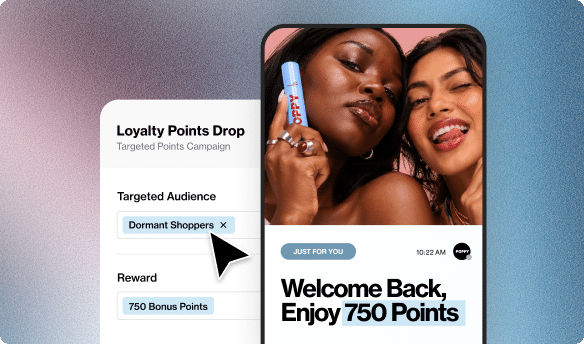
- An Unannounced Point Drop: Add a surprise bonus of points to the accounts of all loyalty members.
- A Personal Thank You Note: For top customers, a handwritten thank you note can have a significant impact.
- A Shipping Upgrade: Unexpectedly upgrade a customer’s shipping to an expedited service at no additional cost.
Why It’s Effective
Unexpected rewards generate a powerful emotional response because they feel more genuine than a standard, transactional reward. These moments are highly shareable; customers are likely to tell their friends or post on social media about their positive experience, generating valuable word-of-mouth marketing for your brand. “Surprise and delight” makes customers feel individually recognized and appreciated. It is a simple but highly effective method for building strong, lasting relationships.
Implementing a “Surprise and Delight” Strategy
- Set a Budget: Determine how much you are willing to invest in these spontaneous rewards. A significant impact can be achieved even with a modest budget.
- Identify Opportunities: Look for moments in the customer journey where a small surprise could be particularly effective, such as a customer’s second purchase or their one-year anniversary with your brand.
- Empower Your Team: Grant your customer service team the autonomy to issue small rewards to resolve issues or acknowledge exceptionally loyal customers.
- Maintain Spontaneity: The effectiveness of “surprise and delight” hinges on its unpredictability. If it occurs too frequently, it becomes an expectation rather than a pleasant surprise.
A degree of unpredictability can add significant excitement to your loyalty program and effectively communicate your appreciation for your customers.
7. Community-Focused Programs and Forums
Often, the most valuable reward you can offer is a sense of belonging. A community-focused loyalty program creates a dedicated space where your customers can connect with each other and your brand, united by a shared passion for your products or mission.
How It Works
This type of program extends beyond rewards to cultivate a genuine brand community. Key elements might include:
- An Exclusive Forum or Social Group: Create a private Facebook group, Discord server, or on-site forum where members can ask questions, share tips, and interact.
- Member-Only Content: Provide access to exclusive blog posts, tutorials, webinars, or behind-the-scenes content.
- User-Generated Content Campaigns: Run contests that encourage customers to share photos or videos of them using your products, and feature the best submissions.
- Brand Ambassador Programs: Invite your most passionate customers to become brand ambassadors, offering them early access to products and a platform to share their enthusiasm for your brand.
Why It’s Effective
A strong community creates a formidable competitive advantage. When customers feel part of a tribe, they are far less likely to switch to a competitor. The community itself becomes a valuable resource, providing social proof, mutual support, and a shared sense of identity. It also serves as an invaluable feedback loop, offering insights from your most engaged customers that can help you improve your products and marketing.
Building Your Brand Community
- Choose Your Platform: Select a platform for your community that is convenient and familiar to your target audience.
- Seed the Conversation: Initiate activity by posting engaging content, asking questions, and encouraging discussion.
- Moderate and Participate: A community requires active nurturing. Assign a dedicated team member to moderate the community and participate in conversations.
- Integrate It with Your Loyalty Program: Offer loyalty points for community participation, such as starting a discussion thread or answering another member’s question.
By building a community, you provide customers with a reason to remain loyal that extends far beyond your products.
8. Referral Programs That Reward Both Parties
Your most satisfied customers are your most effective marketers. A referral program formalizes word-of-mouth marketing by rewarding existing customers for introducing new ones. The most successful referral programs are mutually beneficial: the referrer receives a reward, the new customer receives a discount, and your business acquires a valuable new customer.
How It Works
The structure is typically straightforward:
- A current customer (the referrer) receives a unique referral link or code.
- They share this link with a friend (the referred party).
- The friend uses the link to make their first purchase, receiving an introductory discount (e.g., $10 off).
- After the friend’s purchase is complete, the referrer receives a reward (e.g., $10 in store credit or 1,000 loyalty points).
Why It’s Effective
Referral programs are incredibly powerful because they operate on a foundation of trust. A recommendation from a friend is significantly more persuasive than traditional advertising. Customers acquired through referrals often have a higher lifetime value and exhibit greater loyalty than those acquired through other channels. This is also a highly cost-effective marketing strategy, as you only pay for marketing that results in a successful conversion.
Creating a Successful Referral Program
- Make it a Double-Sided Incentive: Rewarding both the referrer and the new customer dramatically increases the likelihood that the offer will be shared and redeemed.
- Keep it Simple: The process for sharing and redeeming a referral must be as effortless as possible.
- Promote it Heavily: Ensure your customers are aware of your referral program. Promote it on your website, in email communications, and across your social media channels.
- Use a Reliable Platform: Tracking referrals can be complex. A robust loyalty and referral platform is essential to ensure that rewards are distributed accurately and automatically.
Yotpo Loyalty offers a sophisticated referrals solution that is straightforward to implement and manage. It provides the flexibility to create custom referral campaigns that align with your brand, and its comprehensive reporting simplifies tracking the program’s success. The strategic support from Yotpo’s team can also help you optimize your referral strategy for maximum impact.
A well-executed referral program can transform your customer base into a powerful engine for growth.
9. Integrating Loyalty with Your Entire Marketing Stack
The most innovative loyalty programs do not operate in isolation. They are deeply integrated with a brand’s entire marketing ecosystem, creating a seamless and personalized customer experience at every touchpoint.
How It Works
This strategy involves connecting your loyalty program data with your other marketing channels, such as email, SMS, and on-site personalization. This enables you to:
- Create Hyper-Targeted Segments: Use loyalty data (e.g., tier status, point balance, reward history) to build powerful segments for your email and SMS campaigns. For example, you could send a special offer exclusively to VIP members or a reminder to customers nearing their next reward.
- Personalize On-Site Experiences: Display a customer’s point balance on the homepage or show personalized product recommendations based on their loyalty status.
- Incorporate Loyalty into Automated Flows: Add loyalty-related triggers to your abandoned cart or post-purchase automation. For instance, you could remind a customer of the points they would earn by completing their purchase.
- Reward Engagement Across Channels: Award loyalty points for actions taken in other channels, such as signing up for SMS alerts or clicking a link in an email.
Why It’s Effective
Integrating your loyalty program with your other marketing tools creates a powerful synergy. Each channel reinforces the others, resulting in a cohesive and consistent customer journey. This level of personalization makes your marketing more relevant and effective, ultimately driving higher customer lifetime value. It is the distinction between using a collection of disparate marketing tools and operating a truly unified retention marketing platform.
Choosing the Right Loyalty Program for Your Brand
Determining which of these innovative loyalty program ideas is best suited for your business depends on several factors:
- Your Brand Identity: Your loyalty program should be a natural extension of your brand. A luxury brand might favor an exclusive, paid VIP program, while a brand focused on sustainability would be an ideal fit for a value-based program.
- Your Customers: Understand what motivates your target audience. Are they driven by discounts, exclusive access, or a sense of community? Use surveys and customer data to gain these insights.
- Your Business Goals: Define what you aim to achieve. Is your primary objective to increase purchase frequency, boost average order value, or generate more user-generated content?
- Your Technical Capabilities: Some of these concepts, particularly those involving deep personalization, require a powerful and flexible loyalty platform.
It is often wise to start small and iterate. You could launch with a simple tiered program and later incorporate gamified elements or a referral component. The most critical factor is to create a program that is authentic to your brand and provides tangible value to your customers.
Conclusion
The dynamics of customer loyalty have shifted. To capture the long-term allegiance of today’s consumers, brands must move beyond generic, transactional programs and create experiences that are personalized, engaging, and emotionally resonant.
Whether you choose to implement a tiered program with experiential rewards, a gamified system that enhances engagement, or a value-based program that aligns with a cause, the objective remains the same: to make your customers feel valued and provide them with a compelling reason to choose your brand repeatedly.
By investing in an innovative loyalty program, you are not merely adopting a marketing tactic; you are investing in the long-term, sustainable growth of your business.
FAQs
How do I measure the success of my loyalty program?
You should track a variety of key performance indicators (KPIs) to measure the success of your loyalty program. These include the Customer Retention Rate, Repeat Purchase Rate, Loyalty Program Enrollment Rate, Reward Redemption Rate, and Customer Lifetime Value (CLV). A successful program should show positive trends across these metrics.
How much does it cost to implement a loyalty program?
The cost of a loyalty program can vary widely based on its complexity and the chosen platform. Key costs include the Platform Costs for the software and the Cost of Rewards, which is the value of the benefits offered. It is essential to model the financial impact of your rewards to ensure the program’s profitability.
Can a small business benefit from a loyalty program?
Certainly. Loyalty programs are highly effective for small businesses. They can help a smaller company compete with larger retailers by building strong, personal customer relationships. A loyalty program is a powerful way to convert local shoppers into a loyal community of advocates and drive repeat business.
How do I get customers to sign up for my loyalty program?
Effective promotion is crucial for enrollment. Key strategies include promoting the program prominently on your website with banners and a dedicated landing page, using email marketing to invite subscribers, announcing the program on social media, and encouraging in-store sign-ups. Offering an immediate sign-up bonus, such as a discount or free points, is also a highly effective tactic.





 Join a free demo, personalized to fit your needs