


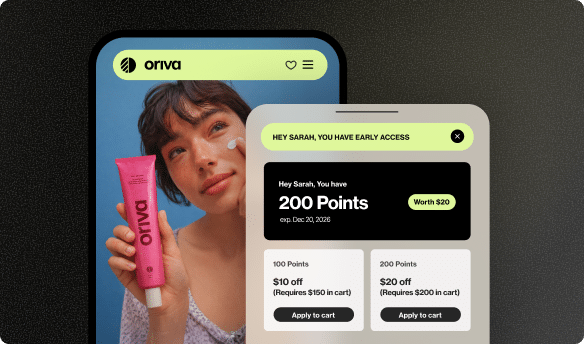







The battle for customer attention is intense. For years, the primary focus was on acquisition—attracting new customers. However, savvy brands now recognize that true, sustainable growth stems from retention. The goal is not just the initial sale, but the subsequent purchases and the lasting relationship built along the way. This is where a well-designed loyalty program, powered by strategic ecommerce loyalty program software, becomes an indispensable asset.
Key Takeaways
- Retention is More Profitable: Acquiring a new customer costs up to five times more than retaining an existing one. A small 5% boost in retention can increase profits by 25-95%.
- Build Emotional Connections: Loyalty programs transform transactional relationships into emotional ones, fostering a community of brand advocates.
- Gather First-Party Data: Programs are an effective way to ethically collect customer data for powerful personalization as third-party cookies phase out.
- Essential Features Matter: Look for software with flexible points and rewards, VIP tiers, referral programs, and robust analytics to measure ROI.
- Choose a Strategic Partner: The right provider offers more than just software. They provide expert guidance and support to ensure your program’s success.
Why Your Ecommerce Brand Needs a Loyalty Program (More Than Ever)
A loyalty program should not be considered a mere “nice-to-have.” In an era of escalating acquisition costs and evolving consumer behavior, it is a fundamental component of a resilient business strategy. A loyalty program transforms customer relationships from purely transactional to relational, forging a bond that extends beyond pricing.
The Economics of Customer Retention vs. Acquisition
The data supporting retention is compelling. Acquiring a new customer can cost five times more than retaining an existing one. Furthermore, a mere 5% increase in customer retention can boost profits by 25% to 95%.
Existing customers are also more inclined to convert and typically have a higher average order value (AOV). They already trust your brand and are familiar with the quality of your products. A loyalty program provides a tangible and compelling reason for them to return, directly impacting your bottom line.
Building an Emotional Connection with Your Brand
A loyalty program is more than just a discount system; it is a communication tool that demonstrates to customers that their business is valued. By offering exclusive perks, early access to sales, or personalized rewards, you cultivate a sense of belonging and make them feel like insiders. This fosters an emotional connection that transcends the simple act of a purchase, turning shoppers into a community of brand advocates who feel seen and appreciated.
Gathering Valuable First-Party Data
As the use of third-party cookies diminishes, first-party data has become the gold standard for effective personalization. A loyalty program serves as an excellent mechanism for ethically collecting this data. When customers enroll, they willingly share information about their preferences, purchase history, and engagement patterns. This enables you to create highly targeted marketing campaigns, personalized product recommendations, and customer experiences that resonate deeply.
In short, a loyalty program is a strategic investment that yields significant returns by increasing customer lifetime value (LTV), fostering brand affinity, and providing crucial data for sustained growth.
Core Components of Effective Ecommerce Loyalty Program Software
Not all loyalty programs are created equal. The software you select should offer a flexible toolkit to construct a program that reflects your brand identity and engages your target audience. Here are the core components to consider.
- Points & Rewards Systems: This is the most prevalent type of loyalty program for a simple reason: it is easy to understand and highly effective. Customers earn points for specific actions and can redeem them for various rewards. This includes rewarding points for every dollar spent and for non-transactional engagements like following on social media or writing a product review.
- Tiered Programs: Tiered programs introduce an element of gamification to the loyalty experience. Customers unlock new levels of status and benefits as they spend more or engage more frequently. Tiers appeal to the human desire for achievement and exclusivity, motivating customers to increase their spending to reach the next level.
- Referral Programs: Your most satisfied customers are your most effective marketers. A built-in referral program facilitates the process of turning them into active brand advocates. Typically, this involves a “give-get” model, where both the referrer and the new customer receive a reward.
- VIP & Exclusive Perks: The most effective loyalty programs make their members feel valued. Your software should allow you to offer perks that extend beyond simple discounts, such as early access to new products, invitations to exclusive events, or complimentary shipping.
- Analytics and Reporting: How do you determine if your program is successful? Robust analytics are essential. Your software must provide a clear, intuitive dashboard that tracks key performance indicators (KPIs), including program ROI, member enrollment rates, and repeat purchase rates.
Choosing Your Loyalty Software Partner
With numerous options available, selecting the right ecommerce loyalty program software can seem daunting. The key is to find a partner that aligns with your specific strategic objectives.
Yotpo Loyalty

Yotpo Loyalty is positioned as a strategic partner for brands aiming to build a program that drives tangible business results. With deep experience in the ecommerce space since 2016, Yotpo offers more than just a flexible platform; it provides a partnership approach. Clients are paired with dedicated Customer Success Managers (CSMs) who are loyalty experts. They offer guidance on everything from program design and launch to ongoing optimization to meet specific business goals.
The platform is built for unmatched flexibility and customization, allowing brands to design a unique, fully branded experience. You can customize everything from the name of your points to the on-site widgets. Yotpo also provides robust, accurate reporting and analytics tools that offer clear, conservative insights into program performance without inflating results. This data-driven approach helps you make informed decisions to continuously improve your program’s effectiveness and turn one-time shoppers into lifelong customers.
Common Pitfalls to Avoid When Launching a Loyalty Program
Launching a loyalty program is an exciting endeavor, but a few common missteps can impede its success. Being aware of these potential pitfalls in advance can help you design a program that customers appreciate and that delivers a strong return on investment.
- Making Rewards Unattainable: If customers feel they must spend a significant amount to earn a minor reward, they will quickly disengage. The value proposition must be clear, and the rewards must feel achievable.
- A Confusing User Experience: Complexity is the enemy of engagement. If customers cannot easily find their points balance, understand how the program works, or figure out how to redeem rewards, they will likely abandon it.
- Lack of Promotion: You could develop the best loyalty program in the world, but if no one is aware of its existence, it will not succeed. A “build it and they will come” approach is ineffective.
- Ignoring Your Data: Launching your program is just the beginning. Many brands make the mistake of implementing it and then neglecting it, missing out on crucial opportunities for optimization.
By avoiding these common mistakes, you can ensure your loyalty program starts strong and continues to deliver value for both your customers and your business over the long term.
Conclusion: Your Next Step Towards Building Customer Loyalty
In today’s ecommerce environment, focusing on customer retention is not just a good idea—it is essential for profitable growth. A well-executed loyalty program is your single most effective tool for fostering the repeat business and brand affinity that transform casual shoppers into lifelong fans.
We have covered why you need a program, what components to look for in ecommerce loyalty program software, and how to choose a strategic partner that can help you succeed. The key takeaway is that the right software is more than a set of features; it is a strategic investment in your customer relationships. By choosing a flexible, data-driven platform and avoiding common pitfalls, you can build a loyalty program that delights your customers and delivers a measurable return for your brand.
Frequently Asked Questions
How much does ecommerce loyalty program software typically cost?
Pricing for loyalty software varies widely. Some platforms offer basic, entry-level plans for a low monthly fee, while more advanced, enterprise-level solutions have custom pricing based on your number of customers or orders. It is important to look beyond the price tag and consider the total value, including the level of strategic support, customization, and integration capabilities offered.
Can a loyalty program work for a small business?
Absolutely. A loyalty program can be incredibly effective for small businesses. It helps you build a strong community around your brand and compete with larger retailers on something other than price. By rewarding your best customers, you can foster the word-of-mouth marketing that is so crucial for a growing business.
How do I measure the ROI of my loyalty program?
To measure ROI, you need to compare the incremental lift in revenue and profit from program members against the total cost of the program (software fees + cost of rewards). Key metrics to track include the repeat purchase rate, average order value (AOV), and customer lifetime value (LTV) of loyalty members versus non-members. Robust reporting from your software is essential for this.
What’s the difference between a points-based program and a tiered program?
A points-based program is a simple system where customers earn points for actions (like purchases) and redeem them for rewards. A tiered program is a more advanced structure where customers “level up” to different tiers (e.g., Bronze, Silver, Gold) based on their spending or engagement. Each tier unlocks a new set of exclusive benefits, creating a powerful incentive for customers to increase their loyalty to reach the next status level. Many of the most effective programs use a hybrid model, combining both points and tiers.
What kind of rewards can I offer besides discounts?
Think beyond coupons! You can offer free products, exclusive access to new collections, complimentary shipping, branded merchandise, or even experiential rewards like invitations to special events. The best rewards are those that align with your brand and provide genuine value to your target audience.
How do I get customers to sign up for my loyalty program?
Promotion is key. Announce your program prominently on your website homepage, in your navigation bar, and on product pages. Send dedicated emails to your subscriber list, mention it in post-purchase communications, and promote it on your social media channels. Make the sign-up process simple and clearly communicate the benefits of joining.
Should my loyalty points expire?
This is a strategic decision. Point expiration can create a sense of urgency, encouraging customers to redeem their rewards and make another purchase. However, it can also create a negative experience if not communicated clearly. If you implement an expiration policy, ensure the rules are simple and you send multiple reminders to customers before their points expire.
Can I reward customers for actions other than purchases?
Yes, and you absolutely should. Rewarding non-transactional engagements is a great way to build a community and keep members active. You can award points for actions like writing a product review, following your brand on social media, sharing user-generated content, or celebrating a birthday.
How important is branding and customization for my loyalty program?
It’s critical. Your loyalty program is an extension of your brand. It should look and feel like a seamless part of your website, not a generic third-party add-on. Look for software that allows you to customize colors, fonts, imagery, and even the names of your points and tiers to create a unique and on-brand experience.
What is a “referral program” and how does it work with loyalty?
A referral program incentivizes your existing customers to refer their friends. Typically, the referring customer gets a reward (like loyalty points) when the friend makes their first purchase, and the friend often receives a discount as well. It’s a powerful way to acquire new, high-quality customers through word-of-mouth marketing.
How can a loyalty program help me collect more product reviews?
You can create a powerful synergy by offering loyalty points to customers who leave a product review. This simple incentive can significantly increase the volume of user-generated content on your site. Some platforms even allow you to offer bonus points for reviews that include a photo or video, which are especially valuable for social proof.
What are VIP tiers and why are they effective?
VIP tiers create a gamified experience where customers unlock more valuable benefits as they spend more. For example, a “Gold” member might get free shipping and early access to sales, while a “Silver” member does not. This motivates customers to increase their spending to reach the next level, fostering long-term engagement and higher LTV.
Do I need a dedicated manager for my loyalty program?
While not always necessary for very small businesses, having someone responsible for analyzing the program’s performance and optimizing it is a good idea. This is why choosing a software provider that offers a dedicated customer success manager can be so valuable, as they act as an extension of your team and provide strategic guidance.





 Join a free demo, personalized to fit your needs