









![Best Customer Loyalty Card System: Software & Guide [2026]](https://www.yotpo.com/wp-content/uploads/2025/09/Loyalty-2-Blog-image-16-1024x480.png)

The paper punch cards of the past, once a staple of local businesses, have been replaced by a far more sophisticated strategy. Today, a customer loyalty card system is a powerful digital engine for e-commerce brands aiming to drive repeat business, build lasting customer relationships, and unlock significant growth. A well-executed loyalty strategy is no longer optional—it is an essential component for any brand focused on long-term success. This guide explains why and how to implement one effectively.
Key Takeaways
- Digital Evolution: Modern loyalty systems have moved beyond simple punch cards to become data-rich tools that track purchases, reward diverse engagements, and provide deep customer insights.
- Core Business Benefits: A successful loyalty program directly boosts customer retention, lifetime value (LTV), repeat purchase rates, and average order value (AOV) while building a strong brand community.
- Essential Features: When choosing a system, look for points-based and tiered programs, diverse reward options, VIP tiers, referral program integration, advanced personalization, and robust analytics.
- Strategic Partnership is Key: The best loyalty solutions offer more than just software. They provide expert guidance to help you design, launch, and optimize your program for maximum return on investment.
- Launch for Success: A successful launch depends on clear goals, a deep understanding of your customers, a well-defined program structure, and a consistent promotion strategy.
What is a Customer Loyalty Card System? The Digital Evolution
A customer loyalty system is a marketing strategy designed to encourage repeat business by rewarding customers for their continued engagement. The modern interpretation of this concept, however, has moved far beyond a simple digital punch card to become a cornerstone of retention marketing.
From Paper Punch Cards to Powerful Software
The transition from physical cards to integrated software represents a significant leap in capability. Traditional punch cards were a one-dimensional tool that tracked a single action to offer a single reward. They were inefficient, provided no actionable data, and failed to identify a business’s most valuable customers.
Digital loyalty systems have fundamentally changed the paradigm. By integrating the “card” into a customer’s digital account, they unlock a new realm of possibilities:
- Automated Tracking: Purchases and other engagement activities are tracked automatically, eliminating manual processes.
- Diverse Engagement: Brands can now reward customers for a wide range of value-driving actions, including writing reviews, referring friends, and engaging on social media.
- Data Collection: Every interaction becomes a valuable data point, forming the foundation for modern personalization and strategic marketing.
Why Modern E-commerce Brands Need More Than Just a “Card”
To view a loyalty program as merely a digital card is to miss its strategic importance. For today’s e-commerce businesses, a loyalty system must be a fully integrated component of the marketing stack. It is not simply about distributing discounts; it is about understanding and influencing customer behavior throughout the entire lifecycle.
A modern customer loyalty system is a data-driven powerhouse that helps you identify your most valuable customers, understand their preferences, and create personalized experiences that make them feel recognized. This is the core of a relationship-building engine designed not just to acquire customers, but to cultivate their long-term loyalty.
The Core Benefits of Implementing a Digital Loyalty System
A well-executed loyalty program directly impacts your bottom line and builds a more resilient brand. It is a strategic investment with measurable returns across key business areas.
Boosting Customer Retention and Lifetime Value (LTV)
It is a fundamental marketing principle that acquiring a new customer is significantly more expensive than retaining an existing one. Loyalty programs are among the most effective tools for improving customer retention. By offering tangible value in exchange for continued business, you give customers a compelling reason to remain with your brand.
This focus on retention directly increases Customer Lifetime Value (LTV). When customers make more frequent purchases over a longer period, their total value to your business grows exponentially. A loyalty program is the mechanism that nurtures and maximizes this long-term relationship.
Increasing Repeat Purchase Rates and Average Order Value (AOV)
Loyalty programs create powerful incentives that drive repeat purchases. The simple act of earning points toward a future reward is a strong motivator, but strategic elements like tiered programs amplify this effect.
When a customer is close to reaching a new VIP tier, they are often motivated to spend more to unlock the associated exclusive benefits. This behavior naturally increases their Average Order Value (AOV). Similarly, offering bonus points for purchasing specific products or during promotional periods can drive immediate sales and encourage higher purchase frequency.
Gathering Valuable Customer Data and Insights
Every action a customer takes within your loyalty program provides a wealth of actionable data. You can track:
- Purchase frequency and history
- Average order value
- Product affinities
- Engagement with marketing campaigns
- Reward redemption patterns
This data is invaluable for moving beyond generic, one-size-fits-all marketing. It enables you to segment your audience and create highly personalized offers, such as sending a special promotion for a product a customer has viewed multiple times or offering bonus points on their birthday. This level of personalization is a key differentiator for successful brands.
Building a Stronger Brand Community
A loyalty program transforms the customer relationship from merely transactional to deeply relational. It fosters a sense of belonging and makes customers feel like valued insiders. When they become part of an exclusive group with special privileges, they develop a stronger emotional connection to your brand.
This community aspect is incredibly powerful. These loyal members are more likely to become brand advocates, spreading positive word-of-mouth and promoting your brand organically. They become a valuable extension of your marketing efforts through authentic advocacy.
In summary, a digital loyalty system is a multifaceted tool that boosts key e-commerce metrics by fostering long-term customer relationships and providing the data needed for intelligent, personalized marketing.
Key Features to Look For in a Customer Loyalty System
Not all loyalty platforms are created equal. When evaluating your options for a customer loyalty card system, it is crucial to select a solution that offers the flexibility, power, and insights your brand needs to succeed. Here are the essential features to prioritize.
Points-Based and Tiered Programs
These are the foundational structures of most modern loyalty programs.
- Points-Based Programs: Customers earn points for specific actions and redeem them for rewards. The psychology is simple and effective because it provides a clear sense of progression and reward.
- Tiered Programs: This structure creates a sense of aspiration and exclusivity. Customers unlock new levels of benefits as their spending or engagement increases, motivating them to deepen their relationship with the brand to gain access to superior rewards.
An ideal loyalty platform allows you to run either of these programs or a hybrid model that combines both for maximum impact.
Diverse Reward Options
Discounts are effective, but they should not be your only reward. The best loyalty systems allow you to offer a creative and diverse range of incentives, such as:
- Free products or samples
- Exclusive access to new collections
- Complimentary shipping with no minimum spend
- Branded merchandise
- Experiential rewards, such as invitations to special events
A varied reward structure lets you cater to different customer motivations and keeps your program fresh and engaging.
VIP Tiers and Experiential Rewards
Your top customers generate a disproportionate amount of revenue and deserve special recognition. A robust loyalty system should allow you to create exclusive VIP tiers for your most valuable shoppers. These tiers should focus on delivering exceptional value that makes these customers feel truly appreciated.
Experiential rewards are particularly effective for this segment. They are memorable, create a strong emotional bond, and are difficult for competitors to replicate.
Referral Program Integration
A loyal customer who becomes a brand advocate is an invaluable asset. Your loyalty platform should include a built-in referral program to turn your happiest customers into a powerful acquisition channel.
Typically, both the referrer and the new customer receive an incentive, creating a win-win scenario. This is one of the most cost-effective and highest-converting customer acquisition strategies available.
Advanced Segmentation and Personalization
The true power of a modern loyalty system lies in its ability to enable deep segmentation and personalization. Your platform must be able to collect and analyze customer data to create granular segments based on:
- Spending habits and VIP tier
- Past purchases and product affinities
- Point balances and redemption history
- Last purchase date
With these segments, you can create personalized campaigns, such as a “double points” promotion for VIPs or a “we miss you” offer for customers who have lapsed. This level of targeting dramatically increases marketing effectiveness.
Robust Analytics and Reporting
If you cannot measure your program’s performance, you cannot optimize it. A top-tier loyalty platform will provide a comprehensive analytics dashboard to track key performance indicators (KPIs) like:
- Program ROI: A clear measure of profitability.
- Repeat Purchase Rate: An indicator of the program’s impact on retention.
- Redemption Rate: A measure of customer engagement with rewards.
- Customer Lifetime Value (LTV): A metric for tracking long-term value creation.
Clear and accurate reporting allows you to make data-driven decisions to continuously optimize your program for better results.
Seamless Integrations with Your E-commerce Stack
Your loyalty program does not exist in a vacuum. It must communicate seamlessly with the other tools in your e-commerce stack, including your:
- E-commerce Platform (Shopify, BigCommerce, etc.)
- Email Marketing Platforms
- Reviews & UGC Platforms
- Helpdesk Software
These integrations create a cohesive customer experience and unlock powerful synergies, transforming a siloed feature into a fully integrated component of your growth strategy.
Choosing a platform with these core features ensures you have a flexible, powerful, and data-rich system that can grow with your brand and deliver a significant return on investment.
A Deep Dive into Yotpo Loyalty: The Strategic Choice for E-commerce
When selecting a customer loyalty card system, it is essential to distinguish between platforms designed to simply fulfill a function and those engineered to be a strategic growth partner. Yotpo Loyalty is a next-generation loyalty solution, enhanced with AI to help you build profitable, long-term customer relationships.
![most successful loyalty programs examples analysis 2025 google docs 1 Best Customer Loyalty Card System: Software & Guide [2026] 1](https://www.yotpo.com/wp-content/uploads/2025/09/most-successful-loyalty-programs-examples-analysis-2025-google-docs-1.jpg "most successful loyalty programs examples analysis 2025 google docs 1 Best Customer Loyalty Card System: Software & Guide [2026] 2")
Why Yotpo Loyalty is More Than Just a Tool—It’s a Partnership
A key differentiator for Yotpo Loyalty is its partnership approach. Many loyalty solutions are purely self-service tools, leaving brands to navigate the complex strategy of program design and optimization alone. Yotpo recognizes that technology is only one part of the equation.
Brands that partner with Yotpo gain access to a team of e-commerce loyalty experts, including dedicated Customer Success Managers (CSMs) who provide strategic guidance tailored to specific business goals. They help you design a program that resonates with your customers and aligns with your brand, drawing from years of market experience and data from thousands of successful programs. This strategic support is invaluable for maximizing program ROI and avoiding common pitfalls.
Building Your Program: Unmatched Flexibility and Customization
Yotpo Loyalty is engineered for flexibility, enabling you to create unique loyalty experiences that stand out. You are not confined to rigid templates but are empowered with the freedom to design a program that perfectly reflects your brand.
This deep customization extends to every aspect of your program:
- Custom Campaigns: Run time-based promotions, offer bonus points on specific products, and create unique earning opportunities that align with your marketing calendar.
- Tiered Structures: Design VIP tiers with custom names, entry requirements, and perks that create a powerful sense of aspiration.
- Point Expiration: Implement flexible point expiration policies to create urgency and encourage repeat purchases without frustrating customers.
This level of control ensures your loyalty program feels like an authentic extension of your brand, not a generic, third-party feature.
Driving Engagement with Data-Driven Personalization
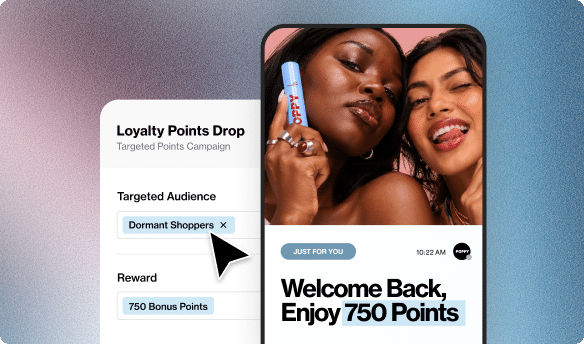
At its core, Yotpo Loyalty is powered by a robust data engine that enables sophisticated personalization. The platform allows for dynamic segmentation, giving you the ability to group customers based on a wide range of attributes, including purchase history, tier status, and engagement level.
This capability allows you to:
- Deploy targeted promotions to your highest-spending VIPs.
- Trigger automated win-back campaigns for at-risk customers.
- Delight customers with personalized birthday rewards.
The ability to tailor the experience to the individual customer makes your marketing more relevant, effective, and impactful.
Measuring Success with Robust Reporting and Insights
Yotpo provides an accurate and comprehensive reporting dashboard that gives you a clear view of your program’s performance. You can easily track essential metrics like program ROI, repeat purchase rate, and customer lifetime value. The platform moves beyond surface-level data to provide actionable insights you can use to optimize your strategy.
This commitment to detailed analytics means you can confidently measure the impact of your loyalty program on your bottom line and make data-driven decisions to improve its effectiveness over time.
Standalone Power, Platform Synergy
It is crucial to understand that Yotpo Loyalty is a powerful and effective solution even when used on its own. Any e-commerce brand can implement Yotpo Loyalty as a standalone product and achieve significant results in customer retention and engagement.
However, its value is amplified when used with other best-in-class solutions. For example, a powerful synergy emerges when pairing Loyalty & Reviews. You can automatically award loyalty points to customers for leaving a review with Yotpo Reviews. This creates a powerful incentive to generate more user-generated content (UGC), which in turn helps convert new shoppers.
In essence, Yotpo Loyalty provides the strategic guidance, deep customization, and data-driven insights necessary to build a best-in-class loyalty program that drives real business growth.
![most successful loyalty programs examples analysis 2025 google docs Best Customer Loyalty Card System: Software & Guide [2026] 3](https://www.yotpo.com/wp-content/uploads/2025/09/most-successful-loyalty-programs-examples-analysis-2025-google-docs.jpg "most successful loyalty programs examples analysis 2025 google docs Best Customer Loyalty Card System: Software & Guide [2026] 4")
Choosing the Right Loyalty Platform
As you research loyalty platforms, you will encounter a market with a variety of providers. When evaluating your options, move beyond checklists and ask strategic questions that reveal what will truly drive success for your brand. This is where the difference between a simple tool and a strategic partner becomes apparent.
Strategic Support vs. Self-Service
The first major consideration is the level of human expertise you will receive. Ask yourself: Does the platform offer dedicated strategic guidance from experts to help me design, launch, and optimize my program, or is it primarily a self-service tool? A platform that provides a dedicated CSM, as Yotpo does, acts as a partner invested in your success. This proactive guidance and market expertise is something a purely self-service tool cannot replicate.
Depth of Customization and Branding
Your loyalty program must feel like a seamless extension of your brand. Consider this: How deeply can I customize the program to match my brand’s unique identity? Can I move beyond basic templates to create custom campaigns, tiers, and rewards that will engage my specific audience? While many platforms offer some customization, look for one that provides the flexibility to build a truly bespoke experience.
Quality of Data and Analytics
A loyalty program is a rich source of customer data, but only if your platform can present it in a meaningful way. Ask: What level of analytics does the platform provide? Does it offer deep, actionable insights into ROI and customer behavior, or does it only show surface-level metrics? Look for a platform with robust, accurate reporting that helps you understand the true business impact of your program. This data is the foundation for personalization and optimization, and its quality should be a non-negotiable requirement.
By focusing on these strategic considerations, you can select a loyalty system that will serve as a long-term growth engine for your brand.
Step-by-Step Guide: How to Launch a Successful Customer Loyalty Program
Launching a loyalty program is a significant initiative, but a clear, strategic process can ensure its success. Here is a step-by-step guide to help you get started.
Step 1: Define Your Goals
Before taking any action, you must define what you want to achieve. Your goals should be specific, measurable, achievable, relevant, and time-bound (SMART). Examples include:
- Increase repeat purchase rate by 15% within six months.
- Boost customer lifetime value (LTV) by 20% over the next year.
- Increase average order value (AOV) by 10% through tiered rewards.
- Generate 500 new customers through referrals in the first quarter.
Clear goals will guide every decision in your program’s design and implementation.
Step 2: Understand Your Customers
Next, turn your focus to your audience. A successful loyalty program is built around what your customers truly value. Use existing data to answer key questions:
- Who are your most valuable customers? Identify your VIPs and understand their purchasing behaviors.
- What motivates them? Are they primarily driven by discounts, exclusive access, or a sense of community?
- What rewards would be most appealing? Consider surveying a segment of your customers for direct feedback.
A deep understanding of your customers allows you to tailor a program that resonates with their preferences.
Step 3: Choose the Right Loyalty Program Structure
Based on your goals and customer insights, select the appropriate structure for your program. The most common models include:
- Points-Based: Simple and effective for encouraging a wide range of engagement.
- Tiered: Creates aspiration and is excellent for increasing AOV and LTV.
- VIP: An exclusive model focused on providing exceptional value to a select group of top customers.
- Hybrid: Combines elements of different models for maximum flexibility and impact.
It is often wise to start with a simple structure and evolve the program over time as you gather more data.
Step 4: Design Your Earning and Redeeming Rules
This step involves defining the core mechanics of your program. You must establish how customers earn points and how they can redeem them, balancing customer value with business profitability.
- Earning Rules: Assign point values to key actions, such as 1 point for every $1 spent or 50 points for writing a review.
- Redeeming Rules: Determine the value of your points, such as 100 points for a $10 discount.
Ensure the rules are simple, transparent, and that rewards are attainable to maintain customer engagement.
Step 5: Name and Brand Your Program
Give your program a unique identity that aligns with your brand. A creative name can make it feel more special and exclusive than a generic “Rewards Program.” Design visuals and use language that reflects your brand’s aesthetic and excites your customers, making the program a true brand experience.
Step 6: Promote Your Program
A successful launch requires a comprehensive promotion plan. You cannot simply build the program and expect customers to find it.
- Create a dedicated landing page on your website explaining the program’s benefits and mechanics.
- Announce the launch to your email list and on all your social media channels.
- Use on-site banners and pop-ups to drive sign-ups.
- Train your customer service team to inform shoppers about the program.
Promotion must be an ongoing effort to keep the program top-of-mind and drive continuous engagement.
Step 7: Measure, Analyze, and Optimize
Once your program is live, the work of optimization begins. Use your platform’s analytics dashboard to constantly monitor performance against the goals you set in Step 1.
- Track your key metrics on a consistent basis.
- Identify what is performing well and what needs improvement.
- A/B test different offers, rewards, and messaging.
- Use customer feedback and data to make continuous, iterative improvements.
A loyalty program should be a dynamic part of your marketing strategy that evolves with your business and your customers.
Common Pitfalls to Avoid with Your Loyalty System
Launching a loyalty program is exciting, but certain missteps can undermine its success. Being aware of these common pitfalls can help you navigate around them and build a program that thrives.
Making it Too Complicated
Complexity is the enemy of engagement. If your customers find your program confusing, they will not participate. The rules for earning and redeeming points must be clear and intuitive.
How to avoid it: Prioritize simplicity. Use straightforward point systems and redemption tiers. Clearly explain the program’s mechanics on a dedicated landing page and in all marketing communications.
Offering Low-Value Rewards
The perceived value of your rewards is critical. If customers feel that the effort required to earn a reward outweighs the benefit, they will disengage. A reward that feels insignificant can damage your brand’s perception.
How to avoid it: Ensure your rewards are both valuable and attainable. “Value” can be experiential, such as exclusive access or special events, not just monetary. Align rewards with what your customers genuinely desire.
Poor Communication and Promotion
This is one of the most common reasons loyalty programs fail. A lack of awareness means a lack of participation.
How to avoid it: Treat your loyalty program as a major marketing initiative. Promote it heavily at launch and continue to communicate with members regularly. Send updates on their point balances, notify them of promotions, and remind them of their benefits to keep them engaged.
Ignoring Your Data
Your loyalty program generates a continuous stream of valuable customer data. Failing to use this data is a significant missed opportunity to personalize and improve the customer experience.
How to avoid it: Regularly analyze your loyalty program’s analytics. Track KPIs against your goals and use your platform’s segmentation capabilities to create targeted campaigns. Let data guide the ongoing optimization of your program.
By steering clear of these common mistakes, you can build a customer loyalty system that becomes a powerful and sustainable driver of growth for your brand.
Conclusion: The Future is Loyal
In today’s competitive e-commerce landscape, the battle for customers is won through relationships, not just transactions. The customer loyalty card system has evolved into a sophisticated, data-driven tool that serves as the cornerstone of modern retention marketing. It is no longer an optional add-on but an essential engine for sustainable growth.
Implementing a successful program requires more than just software. It demands a clear strategy, a deep understanding of your customers, and a commitment to providing real value. The key is to choose a partner, not just a tool—a platform that offers the strategic guidance, flexibility, and powerful analytics needed to turn one-time buyers into lifelong advocates. By investing in loyalty, you are investing in the future resilience and profitability of your brand.
Frequently Asked Questions
How much does a customer loyalty system cost?
The cost of a customer loyalty system varies based on the provider and the included features. Some platforms use a tiered subscription model based on your number of customers or orders. It is most important to evaluate the return on investment (ROI). A well-executed program should generate more revenue through increased retention and lifetime value than it costs, making it a profitable investment.
Can a loyalty program work for a small e-commerce business?
Yes, a loyalty program can be a powerful competitive advantage for a small business. It helps build a dedicated customer base that is less likely to be swayed by larger competitors. A flexible loyalty platform allows you to start with a simple program and scale it as your business grows. It is an effective way to foster community and make customers feel personally valued.
How do I measure the ROI of my loyalty program?
Measuring the ROI of your loyalty program is critical. A robust platform should provide an analytics dashboard to track key metrics, including the repeat purchase rate, customer lifetime value (LTV), average order value (AOV), and reward redemption rate. Tracking these metrics allows you to calculate the incremental revenue generated by the program and compare it to your costs.
What’s the difference between a loyalty program and a referral program?
A loyalty program is designed to retain existing customers by rewarding their continued business. A referral program is a customer acquisition tool that incentivizes existing customers to bring in new customers. While they have different primary goals, they are most effective when integrated. The best loyalty systems include a referral component, allowing you to reward your most loyal customers for becoming brand advocates.
What are the first steps to creating a loyalty program?
The first step is always to define your goals clearly. Do you want to increase repeat purchases, boost average order value, or improve customer retention? Once you have specific, measurable goals, your next step is to deeply understand your customers and what they value. These two elements will form the foundation for designing your program’s structure, rules, and rewards.
Should I use a points-based or tiered loyalty program?
The choice depends on your goals. A points-based program is simple and effective for encouraging a wide range of actions. A tiered program is excellent for creating aspiration and motivating customers to spend more to unlock exclusive benefits. Many brands find success with a hybrid approach that combines the simplicity of points with the exclusivity of tiers.
How do I choose rewards that my customers will actually want?
Look at your data. What do your best customers buy most often? What products have high margins? Beyond discounts, consider experiential rewards like early access to new products or invitations to exclusive events. Surveying a segment of your loyal customers is also a great way to get direct feedback on what rewards would be most appealing to them.
How important is branding for my loyalty program?
Branding is extremely important. Your loyalty program should feel like a natural extension of your brand, not a generic add-on. Give it a creative name, use your brand’s visual identity, and communicate in a tone that resonates with your audience. A well-branded program strengthens the emotional connection customers have with your business.
What is a common mistake brands make when launching a loyalty program?
One of the most common mistakes is a lack of promotion. You can build the best program in the world, but if your customers do not know it exists, it will not succeed. A strong launch requires a multi-channel promotional plan, including email announcements, social media campaigns, and prominent on-site banners to drive awareness and sign-ups.
How can I personalize my loyalty program?
Personalization is key to making customers feel valued. A great loyalty platform will allow you to segment customers based on their tier, purchase history, and engagement level. You can use this data to send targeted offers, like bonus points on a customer’s birthday or a special promotion for a product category they love.
Can a loyalty program help me acquire new customers?
Absolutely. While the primary goal of a loyalty program is retention, a strong program can also be a powerful acquisition tool. When a program offers compelling value, it becomes a key differentiator that can persuade a new shopper to choose your brand over a competitor. Integrating a referral program is another direct way loyalty fuels acquisition.
How long does it take to see results from a loyalty program?
You can start seeing results like increased engagement and sign-ups immediately after launch. However, the most significant benefits, such as a measurable increase in customer lifetime value (LTV) and repeat purchase rate, typically become apparent over a few months. Consistent promotion and optimization are key to maximizing results over time.
What makes Yotpo Loyalty different from other solutions?
Yotpo Loyalty focuses on being a strategic partner, not just a software provider. This includes access to a dedicated team of e-commerce loyalty experts who provide guidance on program design and optimization. The platform also offers deep customization to ensure your program is unique to your brand, along with accurate, robust reporting to measure true business impact.











 Join a free demo, personalized to fit your needs