








Imagine you have a lemonade stand. To get new customers, you might buy colorful balloons or make big signs. All these things cost money, right? That money you spend to get one new customer is called your Customer Acquisition Cost, or CAC for short. Every business, big or small, cares about how much it costs to find new people to buy their products or services.
Now, think about the kids who keep coming back to your lemonade stand because they love your lemonade so much. They don’t just buy once; they buy again and again. They might even tell their friends how great your lemonade is! These are your loyal customers. This article will explore how having these loyal customers can actually make it cheaper for businesses to find *new* customers, helping them save money on those balloons and signs.
What is Customer Acquisition Cost (CAC)?
Let’s make CAC super simple. Think of it as the price tag attached to each new customer a business brings in. It’s like asking, “How much did I have to spend, on average, to convince one person to buy from me for the very first time?”
Businesses spend money on all sorts of things to attract new customers. They might run ads on social media, create fun videos, or send out flyers. They also pay people to work in marketing and sales. If a company spends $1,000 on advertising in a month and gets 10 new customers from those ads, then their CAC is $100 for each new customer ($1,000 divided by 10 customers).
Why do businesses care so much about this number? Well, if it costs too much to get a new customer, the business might not make enough money from that customer to cover the cost, let alone make a profit! Keeping CAC low means a business can grow faster and be more successful. You can learn more about how this works on Yotpo’s blog about the CAC formula.
What Goes Into CAC?
Many things can add up to a business’s CAC. Here are some common costs:
- Advertising costs: Money spent on ads on websites, social media, or other places.
- Marketing team salaries: The pay for people who plan and create marketing campaigns.
- Sales team salaries: The pay for people who talk to potential customers and close deals.
- Tools and software: Programs that help with marketing, like email tools or analytics platforms.
- Promotions: Discounts or special offers used to attract new buyers.
Understanding CAC is the first step. The next step is to figure out how to make that number smaller, and that’s where customer loyalty comes into play. If you can spend less to get new customers, your business will have more money for other important things.
What is Customer Loyalty?
Customer loyalty is like having a best friend who always chooses to hang out with you, even when there are other friends around. In the world of business, a loyal customer is someone who consistently chooses to buy from a particular brand or company, even if competitors offer similar products or services. It’s more than just buying once or twice; it’s a deep trust and preference for that brand.
Think about your favorite toy store. Do you always go there first when you want a new toy? Do you tell your friends how awesome it is? If so, you’re a loyal customer! Businesses love loyal customers because they are reliable. They provide steady sales and often spend more over time.
Why Loyalty Matters So Much
Loyal customers do a few amazing things for businesses:
- They buy again and again: This means steady income for the business.
- They spend more: Often, loyal customers feel comfortable trying new products from a brand they trust.
- They tell others: This is huge! When loyal customers share their positive experiences, it’s like free advertising.
- They give helpful feedback: They care about the brand and want it to be even better.
Building loyalty isn’t just a nice idea; it’s a smart business strategy. When customers stick around, a business doesn’t have to keep spending money to find entirely new people to replace those who leave. You can find many ways to improve customer loyalty by looking at Yotpo’s guide on customer retention.
So, we’ve talked about what CAC is and what customer loyalty means. Now, let’s connect these two big ideas and see how one truly helps the other.
The Big Connection: How Loyalty Lowers CAC
This is where the magic happens! When customers are loyal, they help businesses spend less money on getting new customers. It’s a win-win situation. Let’s break down how this works, looking at both direct and indirect ways.
Direct Impact: Less Spending on New Customers
When you have a strong base of loyal customers, you don’t always need to go out and find *all* new customers from scratch. You already have people who love your brand and keep coming back. This means:
- Reduced advertising budget: If existing customers are buying more often, you might not need to spend as much money on ads to chase every single new person.
- Fewer sales efforts: Loyal customers often need less convincing to buy. They already trust you, so the sales process is much simpler, saving time and money.
It’s generally much cheaper to keep an existing customer happy than it is to find a brand new one. Think about it: you don’t need to buy balloons for someone who already loves your lemonade stand and comes every day!
Indirect Impact: Loyal Customers Do Your Marketing For You
This is where loyalty really shines in lowering CAC. Loyal customers become your best salespeople and marketers, often without you even asking! This is sometimes called word-of-mouth marketing, and it’s incredibly powerful. You can explore more about this on Yotpo’s word-of-mouth marketing resources.
1. Word-of-Mouth Marketing and Referrals
Imagine your loyal lemonade stand customer telling all their friends, “You HAVE to try this lemonade! It’s the best!” Their friends trust them and decide to visit your stand. You didn’t pay for an ad; your loyal customer did the advertising for you! This is word-of-mouth in action.
Some businesses even make this easier with referral programs. They might give loyal customers a special code to share with friends. When a friend uses the code to make a purchase, both the loyal customer and the new customer get a reward. This encourages loyal customers to bring in new ones, and the cost of the reward is often much less than what you’d spend on a traditional ad. Want to know more about how these codes work? Check out Yotpo’s explanation of referral codes or find out about the best referral marketing platforms.
2. User-Generated Content (UGC) and Reviews
Loyal customers love to share their experiences! They might post pictures of their new purchase on social media, write glowing reviews, or create videos showing how they use a product. This is called User-Generated Content (UGC). When potential new customers see these authentic reviews and photos from real people, they are much more likely to trust the brand and make a purchase. This trust means the business doesn’t have to work as hard or spend as much money to convince the new customer to buy.
Think about how much you trust a review from another kid about a new video game versus an advertisement from the game company. Real people’s opinions matter! You can learn all about what User-Generated Content is and how businesses use it to build trust.
Positive reviews and ratings are like gold. They act as social proof, showing new customers that others are happy with their purchases. This makes the path from “thinking about buying” to “actually buying” much shorter, reducing the effort and cost involved in acquiring that new customer. Yotpo provides a great overview of how to ask customers for reviews and the importance of eCommerce product reviews.
3. Higher Customer Lifetime Value (CLTV)
Loyal customers not only bring in new customers, but they also spend more over a longer period. This means their Customer Lifetime Value (CLTV) is much higher. If a customer spends $50 a year for 10 years, their CLTV is $500. If it cost you $100 to get that customer initially, that $100 acquisition cost is spread out over $500 in revenue, making it a very worthwhile investment. This makes the initial CAC seem smaller and more acceptable because the return on that investment is so much greater.
In summary, loyal customers help reduce CAC by becoming advocates for your brand, generating trustworthy content, and increasing the overall value they bring to your business. It’s like they’re part of your marketing team, but you don’t have to pay them a salary!
Building Loyalty to Slash Your CAC
So, how do businesses actually create these amazing loyal customers who help lower CAC? It’s not just by accident; it takes effort and smart strategies. Let’s look at some key ways, especially focusing on tools that can help.
A. Amazing Customer Experiences
The first step to loyalty is simple: make sure customers have a fantastic experience every time they interact with your business. This means easy-to-use websites, helpful customer service, fast shipping, and products that truly deliver. When customers are happy, they’re more likely to return and tell others. A great eCommerce customer experience is the foundation of loyalty.
Every touchpoint, from browsing a website to receiving a package, contributes to this experience. Businesses that focus on making these moments special often see their customers return time and again.
B. Loyalty Programs: Making Customers Feel Special
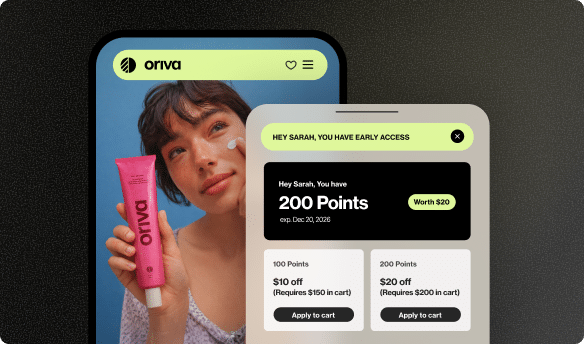
Loyalty programs are structured ways to reward customers for choosing your brand again and again. These programs can offer points for every purchase, special discounts, early access to new products, or even VIP status. They make customers feel valued and encourage them to keep coming back.
Yotpo Loyalty is built to help businesses create strong connections with their customers. It makes it easy to reward shoppers for purchases, birthdays, social shares, and even referring friends. These programs turn regular buyers into enthusiastic brand fans who not only keep coming back but also tell others about you, bringing in new customers without a huge marketing spend. You can learn all about Yotpo Loyalty and explore some of the best loyalty programs that businesses use. They are powerful loyalty rewards program software that can really make a difference, as shown in Yotpo’s loyalty use cases.
Elements of a Great Loyalty Program:
- Points for purchases: Earn points for every dollar spent.
- Tiered rewards: As customers spend more, they unlock higher tiers with better benefits (e.g., Silver, Gold, Platinum).
- Birthday rewards: A special treat on their birthday.
- Exclusive access: Early access to sales or new products.
- Referral bonuses: Rewards for bringing in new customers.
These programs directly encourage repeat purchases and word-of-mouth, which are key to lowering CAC.
C. Customer Reviews: Building Trust and Attracting New Shoppers
When you’re thinking about buying something new, what’s one of the first things you do? You probably look for reviews from other people who have already bought it! Reviews are incredibly powerful because they offer honest opinions and experiences from real customers. This “social proof” helps new customers trust a brand faster, making them more likely to buy without the business spending a lot on advertising to convince them.
Yotpo Reviews helps businesses easily collect and display customer feedback. When shoppers see lots of positive reviews and helpful customer photos, they feel more confident buying. This trust makes it easier to acquire new customers because they already see what others love about your products, reducing the need for expensive advertising to convince them. You can check out Yotpo Reviews to see how they help businesses gather and showcase these important customer voices. Many businesses use the Shopify Product Reviews App by Yotpo to boost their trust. Plus, reviews also feed into important features like Google Seller Ratings, which can make a business stand out in search results, bringing in new customers without direct ad spend.
Why Reviews are CAC-Slasher Superheroes:
- Builds trust: New customers trust peer reviews more than ads.
- Provides social proof: Shows that others love the product, reducing hesitation.
- Increases conversion rates: Shoppers are more likely to buy when they see good reviews. A higher conversion rate means you make more sales from the same number of website visitors, effectively lowering your CAC. Learn more about increasing your ecommerce conversion rate.
- SEO benefits: Reviews often add fresh, relevant content to product pages, helping them show up higher in search results, attracting organic (free) new customers.
Collecting and showcasing reviews, including visual user-generated content, can significantly reduce the amount of marketing a business needs to do to attract new customers. Visual UGC is so important, it’s been reimagined for modern businesses.
D. Making Loyalty and Reviews Work Together (Synergy)
When your loyalty program encourages customers to leave reviews, you get even more powerful results. Happy, loyal customers not only keep coming back but also share their positive experiences, which then attracts even more new customers who trust those real reviews. For example, a loyalty program might give customers extra points for writing a review or submitting a photo with their purchase. This means businesses get more loyal customers, more reviews, and ultimately, a lower CAC.
The combination of rewarding loyalty and showcasing genuine customer feedback creates a powerful cycle that constantly brings in new customers at a lower cost, while also keeping existing ones happy and engaged.
Measuring the Impact
How do businesses know if their loyalty efforts are actually helping to lower their Customer Acquisition Cost? They measure it! Just like you count how many lemonades you sell and how much money you spent on supplies, businesses track specific numbers to see if their strategies are working.
Here are some key things businesses look at:
- Repeat Purchase Rate: How many customers come back to buy again? A higher rate means more loyal customers.
- Customer Lifetime Value (CLTV): How much money does a customer spend with the business over their entire relationship? Higher CLTV means customers are more valuable, making the initial CAC a better investment.
- Referral Conversion Rate: How many new customers come from referrals made by existing loyal customers? A good number here shows that word-of-mouth is working.
- Actual CAC Reduction: Businesses compare their CAC before starting loyalty programs and review collection to their CAC afterwards. The goal is to see that the cost of acquiring each new customer has gone down.
Let’s look at a simple example to see the difference loyalty can make:
| Metric | Before Loyalty Efforts | After Loyalty Efforts |
|---|---|---|
| New Customers Acquired | 100 | 100 |
| Marketing Spend | $10,000 | $7,000 |
| CAC (Cost per Customer) | $100 | $70 |
In this example, by focusing on loyalty, the business spent $3,000 less to acquire the same number of new customers. That’s a huge saving! This demonstrates how valuable strong loyalty and review strategies can be for the bottom line. Tracking these numbers allows businesses to understand what’s working and how much they are saving.
Real-World Success Stories
Many businesses have seen fantastic results by focusing on customer loyalty and using tools like Yotpo Reviews and Yotpo Loyalty. They’ve discovered that investing in their existing customers pays off by making it easier and cheaper to attract new ones. These companies often share their journeys, showing how they built stronger customer relationships and achieved better business outcomes.
For instance, some brands have seen their customer referrals skyrocket after implementing a points-based loyalty program. Other businesses have experienced a significant boost in sales when they started actively collecting and displaying customer reviews, as new shoppers felt more confident in their purchases. These real-life examples prove that the connection between loyalty and a lower CAC is not just a theory; it’s a proven strategy that helps businesses thrive.
You can find many examples of businesses doing this successfully on Yotpo’s case studies page and in their collection of success stories, which highlight how various brands have leveraged loyalty and reviews to achieve impressive growth.
Conclusion
So, what’s the big takeaway? Customer loyalty isn’t just a nice bonus for businesses; it’s a powerful tool that directly impacts how much they spend to get new customers. By making sure customers are happy, rewarding them for sticking around, and encouraging them to share their positive experiences, businesses can significantly lower their Customer Acquisition Cost.
Loyal customers become incredible brand ambassadors. They tell their friends, they leave glowing reviews, and they keep coming back themselves. All of these actions reduce the need for expensive advertising and marketing campaigns aimed at finding new people. When businesses invest in making their existing customers feel special, those customers, in turn, help bring in new business at a much lower cost.
Building a strong foundation of loyal customers with effective loyalty programs and robust review collection strategies isn’t just smart business; it’s essential for sustainable growth. It ensures that businesses can continue to expand and succeed without constantly breaking the bank to acquire every single new customer.










 Join a free demo, personalized to fit your needs