








What is Reciprocity in Loyalty Marketing?
Have you ever gotten a surprise gift from a friend just because? Or maybe someone helped you with your homework, and you felt like you wanted to help them back later. That warm feeling of wanting to give something good in return is what we call reciprocity. It’s a fancy word for a simple idea: the give-and-take in relationships. In the world of online shopping and your favorite brands, this idea of giving and taking is super important, especially when it comes to keeping customers happy and coming back. It’s the secret sauce behind really great loyalty programs.
Understanding Reciprocity: The Golden Rule of Relationships
Think about how people act in daily life. If a neighbor helps you carry groceries, you’re probably more likely to lend them a cup of sugar next time they ask, right? Or if a classmate shares their snacks, you might feel like sharing yours too. This isn’t just about being polite; it’s a fundamental part of being human. We naturally feel a nudge to return favors, both big and small. This “I scratch your back, you scratch mine” principle builds trust and makes relationships stronger.
In simple terms, reciprocity is the practice of exchanging things with others for mutual benefit. It’s about a balanced exchange, where both sides feel they are getting something valuable. This doesn’t always mean an equal exchange immediately, but rather a feeling that the relationship is fair and beneficial over time. When one person gives, the other often feels a desire, even a gentle obligation, to give back. This creates a positive loop that strengthens connections.
So, understanding reciprocity starts with recognizing this natural human tendency to respond to generosity with generosity. It’s not just a nice idea; it’s a powerful force in how we interact.
Why Reciprocity Matters in Business
Building Strong Bonds with Customers
Businesses aren’t just about selling things; they’re also about building relationships with the people who buy from them. Just like with friends or family, if you want someone to stick around, you need to treat them well and show you care. Reciprocity is key here because it helps turn a simple transaction into a lasting bond. When a business gives something valuable to a customer, that customer feels appreciated and is more likely to trust the brand.
Think about it: would you rather shop at a store that only takes your money, or one that also gives you special perks, listens to your feedback, and makes you feel like part of a community? Most people would choose the latter! This shift from just making a sale to creating long-term value for the customer is where reciprocity really shines. It helps move customers from being one-time buyers to loyal fans.
The Science Behind “Give and Take”
Our brains are wired to respond positively to acts of generosity. When someone does something nice for us, it triggers a good feeling and often a subconscious desire to return the favor. This isn’t about manipulation; it’s about a fundamental social instinct. Psychologists and marketers have long understood that giving something first can create a powerful sense of obligation, encouraging people to respond in kind.
For businesses, this means that when they offer something valuable—be it a special discount, early access, or simply an attentive ear—customers are more likely to respond positively. They might make another purchase, recommend the brand to a friend, or leave a glowing review. This isn’t just a theory; it’s how human relationships naturally work, and applying it to customer relationships makes perfect sense.
In essence, applying the principle of reciprocity helps businesses cultivate loyalty by fostering trust and appreciation, turning casual shoppers into dedicated brand advocates.
Reciprocity in Loyalty Marketing: A Two-Way Street
More Than Just Discounts: The Heart of Loyalty
Loyalty marketing is all about encouraging customers to keep choosing your brand over and over again. While discounts and sales can get people in the door, true loyalty is built on something deeper. This is where reciprocity becomes the real engine. It’s not just about giving a discount after someone buys; it’s about creating a continuous give-and-take that makes the customer feel valued and understood.
A truly effective loyalty program uses reciprocity to make customers feel like part of something special. It shows them that their business is appreciated, not just taken for granted. This means offering value *before* you always expect another purchase. It’s about investing in the relationship, knowing that a strong bond will lead to more business in the long run.
Customer Actions and Business Reactions
So, what kind of “giving” do customers do for businesses? It’s not just their money! Customers contribute in many ways:
- Purchases: The obvious one, buying products or services.
- Engagement: Interacting with your brand on social media, opening emails, visiting your website.
- Feedback: Leaving reviews, providing suggestions, answering surveys.
- Advocacy: Telling friends about your brand, sharing their experiences, making referrals.
For each of these valuable customer actions, a smart business can reciprocate. Imagine a system where every time a customer makes a purchase, writes a review, or even celebrates their birthday, the business acknowledges it with a special reward. This is exactly what a powerful loyalty program helps manage. Tools like Yotpo Loyalty are designed to help businesses build these reciprocal relationships, making it easy to reward customers for all the ways they engage, not just when they spend money. Want to see some great examples? Check out these best loyalty programs that do reciprocity right.
The essence here is that loyalty marketing thrives when it’s perceived as a two-way street. Customers give their time, attention, and money, and in return, businesses give back value, recognition, and appreciation.
How Businesses Practice Reciprocity in Loyalty Programs
Practical Ways to Give Back to Your Customers
Putting reciprocity into practice means actively looking for ways to show your customers you appreciate them. It’s about designing a loyalty program that rewards more than just purchases and making sure those rewards are meaningful. Here are some key strategies:
Points for Purchases and Beyond
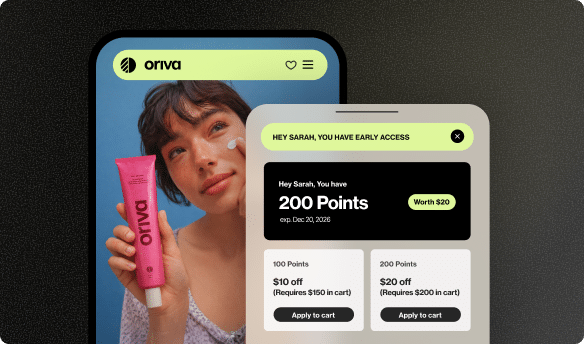
The most common form of reciprocity in loyalty programs is offering points for every dollar spent. This is a straightforward “you give us money, we give you points” exchange. But savvy businesses take this a step further. They reward customers for other valuable actions that build engagement and community, such as:
- Signing up for an account
- Following the brand on social media
- Celebrating a birthday
- Referring a friend to the brand
- Leaving a product review
A flexible loyalty solution, like Yotpo Loyalty, empowers businesses to customize these rewards, ensuring they acknowledge a wide range of customer contributions. This makes the program feel more comprehensive and appreciative.
Exclusive Perks and VIP Tiers
Beyond simple points, businesses can reciprocate loyalty by offering exclusive perks that make customers feel special. These might include:
- Early access to new products or sales
- Free shipping for loyalty members
- Special birthday gifts or discounts
- Invitations to exclusive events
- Dedicated customer support
Many brands structure these perks into VIP tiers, where customers unlock better benefits as their engagement and loyalty grow. This creates a clear path for advancement and makes customers feel like their long-term commitment is truly valued.
| Loyalty Tier | Customer Actions | Reciprocal Benefits |
|---|---|---|
| Bronze Star | Sign up, make 1st purchase | 5 points per $1, birthday offer |
| Silver Member | Spend $150, leave 3 reviews | 7 points per $1, free shipping on all orders |
| Gold VIP | Spend $500, refer 2 friends | 10 points per $1, early access to new collections, exclusive gift |
Listening and Responding to Feedback
When customers take the time to share their thoughts, whether positive or negative, they are giving a valuable gift. Reciprocating this gift means genuinely listening and responding. One of the most powerful forms of feedback is customer reviews. When a customer leaves a review, they’re helping others make informed decisions and giving the brand insights into its products and services.
Businesses can reciprocate by not only acknowledging these reviews but by showcasing them for everyone to see. Collecting and displaying customer reviews is a clear sign that a business values its customers’ voices. Yotpo Reviews provides the tools for businesses to easily collect and display customer feedback, making it clear to new shoppers that existing customers are heard and appreciated. Want to know more about getting feedback? Learn how to ask customers for reviews and why ecommerce product reviews are so important.
Personalized Experiences
Another strong way to show reciprocity is through personalization. When a brand remembers your preferences, suggests products you might actually like, or sends you offers tailored to your past purchases, it shows they’ve paid attention. This makes customers feel understood and not just another number. It’s a subtle but powerful form of “giving back” because it saves the customer time and makes their experience more enjoyable.
Community Building
Customers love to feel like they belong. By creating a community around your brand, you’re offering a space for connection and shared interest. This can involve showcasing customer photos, stories, or comments. When a brand celebrates its customers’ creativity and experiences, it reciprocates the effort customers put into using and loving their products.
For instance, inviting customers to share photos of themselves using your products, also known as User-Generated Content (UGC), and then featuring those photos on your website or social media, is a fantastic way to reciprocate their engagement. This content is powerful because it comes from real people, helping other shoppers in their consumer decision-making process. Tools like Yotpo’s Visual UGC capabilities allow brands to easily collect and display these authentic customer contributions, reinforcing the sense of community and mutual appreciation.
By implementing these practical strategies, businesses can build robust loyalty programs that clearly demonstrate the principle of reciprocity, leading to happier customers and stronger brand connections.
The Benefits of a Reciprocal Loyalty Strategy
What Happens When You Give Back?
When businesses genuinely embrace reciprocity in their loyalty marketing, the positive ripple effects are significant and far-reaching. It’s not just about being nice; it’s about smart business that leads to sustainable growth.
Happier Customers
This might seem obvious, but it’s the foundation of everything else. Customers who feel valued, heard, and appreciated are simply happier. When a brand consistently gives back to them, they develop a positive emotional connection. These happy customers are far more likely to stick around for the long haul. Keeping existing customers happy is a core strategy for improving customer retention and is often more cost-effective than constantly finding new ones.
Increased Customer Lifetime Value (CLTV)
Happy and loyal customers don’t just stick around; they tend to spend more over time. When customers feel a bond with a brand, they are more inclined to make repeat purchases, explore new products, and even buy higher-value items. This consistent spending from a dedicated customer base significantly boosts their Customer Lifetime Value, which is a key metric for any growing business.
More Referrals and Word-of-Mouth
Think about your favorite restaurant or a great movie you saw. You probably told your friends about it, right? The same goes for brands. When customers are genuinely happy and feel a sense of reciprocity, they become natural brand advocates. They’ll tell their friends, family, and followers about their positive experiences, leading to organic word-of-mouth marketing. Referral programs, often integrated with loyalty programs, formalize this. Understanding what a referral code is and how to use it can supercharge this effect, turning loyal customers into your best marketing team.
Valuable Customer Insights
A reciprocal loyalty strategy often involves collecting feedback, engaging with customers, and tracking their preferences within the loyalty program. This process naturally gathers a wealth of data about what customers like, what they don’t, and what motivates them. These insights are incredibly valuable for refining products, improving services, and tailoring future marketing efforts more effectively.
Stronger Brand Reputation
A brand known for treating its customers well and consistently giving back builds a stellar reputation. This positive perception attracts new customers who are looking for brands they can trust. A strong reputation, built on reciprocal relationships, differentiates a business in a crowded market and fosters long-term success.
Ultimately, a reciprocal loyalty strategy transforms transactional relationships into enduring partnerships, benefiting both the customer and the business in numerous ways.
Measuring Reciprocity’s Success
How Do You Know It’s Working?
Implementing a reciprocal loyalty strategy is great, but how do you know if it’s actually making a difference? Just like anything in business, you need to measure its impact. By tracking key metrics, you can see if your efforts to give back are truly building stronger customer relationships and driving business growth.
Key Things to Look At
Here are some important indicators to watch when assessing the success of your reciprocal loyalty initiatives:
- Repeat Purchase Rates: Are customers coming back to buy again? A higher rate here means they appreciate the value they’re receiving.
- Engagement with Loyalty Programs: How many customers are joining your loyalty program? Are they actively earning and redeeming points or rewards? High engagement shows the program is appealing.
- Number of Reviews Collected: If customers are taking the time to leave more reviews, it often indicates they feel a connection and want to contribute to your brand.
- Referral Rates: Are your loyal customers referring new ones? This is a strong sign of advocacy and a powerful outcome of positive reciprocal relationships.
- Customer Satisfaction (CSAT) Scores: Surveys measuring how happy customers are directly reflect their overall experience, including how valued they feel.
- Customer Lifetime Value (CLTV): This measures the total revenue a business can expect from a single customer account. A rising CLTV indicates that customers are staying longer and spending more, often a direct result of effective reciprocal strategies.
- Average Order Value (AOV) for Loyalty Members: Are loyalty members spending more per order compared to non-members? Often, loyalty perks encourage larger purchases.
By regularly monitoring these metrics, businesses can gain clear insights into the effectiveness of their reciprocal loyalty efforts. It helps them understand if their “giving” is truly inspiring customers to “give back” in meaningful ways. Tracking these points helps improve your overall ecommerce conversion rate and gives a clear picture of your marketing campaign measurement.
Real-World Examples of Reciprocity in Action
Brands Nailing the Give-and-Take
Many successful businesses understand that building customer loyalty isn’t just about selling, but about fostering a relationship. They’ve built their strategies around the idea of reciprocity, creating programs where customers feel genuinely appreciated. While specific brand names might change, the principles remain consistent across different industries.
Consider a popular coffee shop chain. Beyond offering a simple stamp card, they might give members a free birthday drink, early access to new seasonal blends, or even double points on “green” days for customers who bring their own reusable cups. Here, the reciprocal loop is clear: customers frequent the shop and get special treats and a feeling of being part of an exclusive club.
Another example could be a beauty brand. They might offer tiered loyalty programs where higher levels grant members free product samples, exclusive beauty tutorials, or even a personal consultation with a makeup artist. Customers feel rewarded not just for buying products, but for their continued engagement and trust in the brand. They give their loyalty, and the brand gives back with knowledge and special access.
Fashion retailers often use reciprocity by offering loyalty members exclusive previews of new collections, free alterations, or a personal stylist session. When customers share their unique style using the brand’s clothing on social media, the brand might reciprocate by featuring their photos, turning customers into trendsetters and giving them visibility.
These examples highlight that reciprocity isn’t a one-size-fits-all approach. It’s about understanding your customers and offering rewards and experiences that genuinely resonate with them. Many successful brands, like those featured in our case studies and success stories, demonstrate how powerful a well-executed reciprocal loyalty strategy can be in building strong, lasting customer relationships.
Conclusion
So, what is reciprocity in loyalty marketing? It’s the powerful idea that when a business gives value to its customers, those customers are naturally inclined to give back their loyalty, engagement, and advocacy. It transforms the customer-brand relationship from a simple transaction into a meaningful two-way street.
By understanding and applying the principles of reciprocity, businesses can create loyalty programs that truly resonate. It’s about more than just points and discounts; it’s about making customers feel seen, heard, and appreciated. When brands proactively offer exclusive perks, listen to feedback through reviews, and build engaging communities, they are practicing reciprocity at its best.
Tools like Yotpo Loyalty and Yotpo Reviews are designed to help businesses operationalize this fundamental human principle effectively. They empower brands to reward every valuable customer action and ensure that customer voices are amplified, turning casual shoppers into passionate advocates.
In a world full of choices, the future of customer relationships lies in this powerful give-and-take. Brands that master reciprocity will not only build loyalty but also create thriving communities of happy, engaged customers who stick around for the long run.










 Join a free demo, personalized to fit your needs