


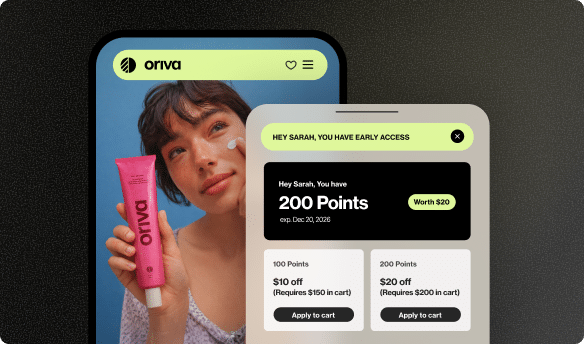






What is Loss Aversion in Tiered Programs?
Have you ever played a game where you worked hard to reach a special level, and then you really, really didn’t want to drop back down? That feeling is a lot like loss aversion, especially when we talk about cool shopping clubs called tiered programs. It’s a powerful idea that helps businesses make their customers feel valued and keeps them coming back for more. Think of it as a hidden superpower for growing a brand, creating a positive vibe that makes people feel great about being part of something special.
Today, we’re going to uncover what loss aversion is and how it plays a big role in those exciting tiered programs. We’ll explore why people hate losing things more than they love gaining them, and how smart businesses use this to build amazing experiences for their customers. It’s all about making sure customers feel like they’re always winning, and never want to step away from the awesome benefits they’ve earned!
Understanding Tiered Programs: Like Levels in Your Favorite Game!
Imagine you’re playing a video game, and as you play more and more, you unlock new levels. Maybe you start at “Beginner,” then move to “Pro,” and finally reach “Master.” Each new level comes with cooler abilities, special items, or unique areas to explore, right? That’s pretty much how a tiered program works for shopping!
In the world of online stores, a tiered program is a special club for customers. Instead of just being a regular shopper, you become a member who can climb up different “levels” or “tiers.” These tiers usually have fancy names like Bronze, Silver, Gold, or even Platinum. The more you shop, share your thoughts, or tell your friends about a brand, the more points you earn. These points help you move up to higher tiers.
Why do businesses have these programs? Well, it’s a win-win situation! For you, the customer, you get more and better rewards as you move up. These can be things like special discounts, early access to new products, free shipping, or even unique birthday gifts. Who wouldn’t want that?
For businesses, these programs are super helpful for making customers feel special and loyal. When customers are part of a tiered program, they often feel more connected to the brand. They might even shop there more often to earn points and reach the next level. It’s a clever way to build a community and make shopping a more engaging experience. Businesses use powerful loyalty software to build and manage these exciting programs, making sure every customer feels like a VIP. If you want to dive deeper into what makes a loyalty program truly great, you can check out some best loyalty programs examples.
How Tiers Work: A Quick Peek
Let’s imagine a typical tiered program:
- Tier 1 (e.g., “Fan”): You join, get a welcome discount, and start earning points for every purchase.
- Tier 2 (e.g., “Insider”): After earning a certain number of points, you move up! Now you get bigger discounts, maybe free shipping on all orders, and special birthday treats.
- Tier 3 (e.g., “VIP”): Reach this top tier, and you might get exclusive access to new products before anyone else, a dedicated customer service helper, or even invites to special events.
The idea is to give you more and more reasons to stay engaged and feel rewarded. The higher you go, the better the rewards become, making you feel more and more like a valuable part of the brand’s community. These programs are a fantastic way to boost ecommerce conversion rates by making every interaction count.
What is Loss Aversion? Imagine You Have a Toy!
Alright, let’s talk about loss aversion. This is a fancy term for a very simple idea that most of us feel all the time. Imagine you have a brand new, super cool toy. Maybe it’s an action figure with amazing powers, or a building set that lets you create anything you can dream of. You just got it, and you’re so excited!
Now, imagine someone comes along and says, “Hey, I’ll give you another cool toy, but you have to give me your new toy first.” How would that make you feel? You might think, “Wait, I really like *my* toy! I don’t want to give it up, even if the other one is good.” You’d probably feel a bit sad or even a little worried about losing what you already have.
Now, let’s try another scenario. Imagine you don’t have the cool toy yet. Someone offers you the chance to *earn* one. You’d probably be excited to get it, right? But the feeling of getting something new isn’t usually as strong as the sad or worried feeling of losing something you already own. That’s loss aversion in a nutshell!
The Big Idea: Losing Hurts More Than Gaining Feels Good
Scientists and smart people who study how our brains work have found that we human beings generally feel the pain of losing something about twice as strongly as we feel the happiness of gaining something of equal value. So, if you found a dollar, you’d be happy. But if you lost a dollar, you’d likely feel twice as annoyed or sad!
Think about it:
- Gaining: Finding a cool sticker. Yay!
- Losing: Accidentally tearing your favorite sticker. Oh no! That feeling is usually much stronger.
This powerful feeling makes us want to keep what we have. We try to avoid situations where we might lose something, whether it’s a toy, a special status, or even a good deal. It’s a natural part of how our brains work, guiding us to protect what’s ours. This concept is a fundamental part of understanding the consumer decision-making process and how customers interact with brands.
Loss Aversion in Tiered Programs: Why It Matters for Your Favorite Brands
Now that we understand loss aversion – that powerful feeling of not wanting to lose something we already have – let’s see how it connects to those awesome tiered loyalty programs we talked about. This is where it gets really interesting for businesses and customers alike!
Imagine you’ve been a loyal customer to an online store. You’ve shopped there a lot, maybe even left some helpful reviews, and earned enough points to reach the “Gold” tier in their loyalty program. Congratulations! As a Gold member, you get fantastic perks: maybe a bigger discount on every order, free faster shipping, and even early access to their coolest new products. You feel pretty special, right?
Suddenly, the store sends you an email. It says, “Heads up! Your Gold status is about to expire in 30 days. To keep your Gold benefits, you need to earn X more points.” How do you feel? Do you just shrug and say, “Oh well?” Probably not! You’ve worked hard to get to Gold, and you love those special benefits. The thought of losing them and dropping back down to Silver (or even worse, Bronze!) feels much worse than the joy you felt when you first reached Gold.
This is loss aversion at play in a tiered program. Because you already *have* the Gold status and its benefits, you don’t want to lose them. This feeling creates a strong push for you to keep shopping, to keep earning points, and to make sure you maintain your special level. It’s like not wanting to lose your high score or drop down a level in your favorite video game – you’ll keep playing to protect what you’ve achieved!
Why this is good for businesses:
For businesses, understanding loss aversion is like having a secret tool to keep customers engaged. Here’s why it’s so important:
- Encourages Repeat Purchases: Customers will often make extra purchases to hit the point threshold needed to stay in their current tier or reach the next one. This means more sales for the business!
- Builds Loyalty: When customers actively work to maintain their status, they become more invested in the brand. They start to feel like true insiders.
- Increases Customer Lifetime Value: By keeping customers engaged and buying over a longer period, businesses can grow the total amount of money a customer spends with them throughout their relationship. This is a key part of ecommerce retention.
So, that feeling of not wanting to lose your “Gold” status isn’t just a random emotion; it’s a powerful psychological force that helps businesses create stronger, longer-lasting relationships with their customers. It’s a fantastic way to make sure customers spread good word-of-mouth about your brand!
How Businesses Use Loss Aversion in Tiered Loyalty Programs
Smart businesses know how powerful loss aversion is. They don’t just hope you’ll stick around; they carefully design their loyalty programs to gently nudge you to stay in your hard-earned tier. Let’s look at some clever ways they do this, always aiming to make you feel like a valued part of their special club.
Making Tiers Feel Super Special
One of the main ways businesses use loss aversion is by making each tier, especially the higher ones, feel incredibly special and worthwhile. If the benefits of being a “Diamond” member are truly amazing, you’ll work harder to keep that status because you don’t want to miss out.
- Exclusive Perks: Imagine getting early access to new product drops or special sales that no one else can see. These are privileges you’d hate to lose!
- Personalized Service: Higher tiers might get a dedicated customer service person or faster help. That feeling of being a priority is something you definitely wouldn’t want to lose.
- Unique Gifts and Experiences: Some brands offer special gifts or invitations to exclusive events for their top-tier members. Losing access to these “money-can’t-buy” experiences would feel like a real loss.
By highlighting these unique and valuable benefits, businesses make sure you understand exactly what you have to lose if you drop a tier. This creates a strong desire to protect your current status, which is exactly what loss aversion is all about! Creating these exclusive experiences can really set a brand apart, making customers feel like true success stories themselves.
The “Countdown” Effect: Don’t Let Your Status Slip Away!
Have you ever seen a timer ticking down on something important? That feeling of urgency to act before time runs out is a powerful motivator. Businesses use this same idea, often called the “countdown” effect, to tap into loss aversion in tiered programs.
- Tier Expiration Reminders: A common tactic is to send emails or in-app messages reminding customers that their current tier status is set to expire soon. They’ll tell you exactly how many points you need to earn (or how much you need to spend) to keep your benefits. This creates a clear picture of what you stand to lose.
- Progress Trackers: Many loyalty programs show you a progress bar or a number that tells you how close you are to maintaining your tier or reaching the next one. Seeing that you’re just a few points away can be a strong motivator to make another purchase. Yotpo Loyalty tools are great at making this progress visible and engaging.
- Special Offers to Requalify: Sometimes, a brand might offer a special, limited-time deal to help you earn those last few points needed to maintain your tier. This makes it easier to prevent the loss and keeps you happy.
By clearly showing you what you have and what you might lose, and by giving you a clear path to prevent that loss, businesses effectively use loss aversion to encourage continued engagement and purchases. It’s a smart way to keep your customer experience top-notch.
Showcasing Future Rewards: More to Gain, So You Don’t Lose Momentum
While loss aversion is about not wanting to lose what you have, businesses also use the idea of even *greater* rewards in the future to keep you moving forward. It’s like saying, “You love your current level, but imagine how much cooler the *next* level is!”
- Previewing Higher Tier Benefits: Even if you’re a “Silver” member, the program might show you all the amazing perks of being a “Gold” or “Platinum” member. This glimpse into future rewards can make you eager to reach that next level, reinforcing the value of continued engagement.
- Highlighting Exclusivity: The descriptions of higher tiers often emphasize their exclusivity and the unique privileges they offer. This makes the step up feel even more desirable.
This strategy works hand-in-hand with loss aversion. While you don’t want to *lose* your current benefits, the promise of even *better* benefits in the next tier motivates you to stay active and loyal. It’s about keeping the excitement alive and preventing you from feeling like you’ve reached the end of the journey. This helps reduce customer acquisition costs by focusing on retention.
Points and Progression: The Visible Path to Keeping Your Perks
Points are the building blocks of most loyalty programs. They are a clear, measurable way for customers to track their progress and understand what they need to do to maintain or advance their tier status. This direct feedback loop is essential for leveraging loss aversion.
- Clear Earning Rules: Businesses make it super clear how you earn points: buy something, leave a product review, refer a friend (check out what is a referral code), or celebrate your birthday. Knowing how to get points empowers you.
- Visible Point Balances: Your current points total is usually easy to find, often right on your account page. This keeps your progress top of mind.
- Milestone Celebrations: When you hit a new tier or reach a significant point milestone, the program often celebrates it with you, sending an email or showing a congratulatory message. This reinforces the achievement and strengthens your connection to that status.
These clear signals and celebrations make the points feel more valuable and your tier status more tangible. You’ve earned it, and you don’t want to lose it! Yotpo’s Loyalty & Referrals solutions are designed to make these point systems intuitive and engaging, ensuring customers always know where they stand and what exciting rewards await them.
Examples of Tiered Program Perks: What Makes Each Level Special?
Let’s put it all together with some fun examples of what you might find in different tiers of a loyalty program. This table shows how benefits typically grow as you move up, making each higher tier more desirable and reinforcing that feeling of not wanting to lose your hard-earned status. Remember, the goal is always to make customers feel like VIPs!
| Tier Level | Points Needed (Example) | Special Perks You Get! |
|---|---|---|
| Bronze Member | 0 – 100 points |
|
| Silver Member | 101 – 500 points |
|
| Gold Member | 501 – 1500 points |
|
| Platinum Member | 1501+ points |
|
As you can see, the perks get better and better! Once you’ve tasted the free expedited shipping of a Gold member, would you want to go back to paying for standard shipping as a Silver member? Probably not! That’s the feeling of loss aversion kicking in, motivating you to keep your Gold status.
These structured programs, especially when powered by robust tools like Yotpo Loyalty, make it clear what customers gain and what they stand to lose. It’s a key part of creating a compelling ecommerce product reviews strategy because happy, loyal customers are more likely to share their positive experiences.
Beyond Tiers: How Reviews Play a Role in Building Loyalty
While tiered programs are fantastic for encouraging loyalty through special perks and benefits, there’s another super important way businesses build strong connections with customers: through customer reviews. Think about it – when you’re looking to buy something, do you trust what the brand says about itself, or what other real people say?
Most of us trust other people. Reviews, especially those collected and displayed with a powerful review platform like Yotpo’s, are like recommendations from your friends. They help new customers feel confident about buying, and they help existing customers feel heard and valued. This contributes to a positive ecommerce customer experience from start to finish.
How Reviews Connect to Loyalty and Loss Aversion
- Earning Points for Reviews: Many tiered programs actually give you points for writing reviews! This is a smart way to encourage both loyalty (by earning points towards a higher tier) and trust (by providing helpful feedback for others). It’s a simple, yet effective ecommerce advertising strategy.
- Feeling Heard: When a business actively asks for and displays customer feedback, it makes customers feel valued. They know their opinions matter, which builds a stronger emotional connection to the brand. This sense of being valued is something customers wouldn’t want to lose.
- Social Proof and Trust: For new customers, seeing lots of positive reviews reduces their “risk” of trying a new product or brand. This makes them more likely to join a loyalty program and start their own journey up the tiers. The more social proof, the easier it is to climb the ecommerce marketing funnel.
- Maintaining a Good Reputation: For the business, having a strong base of positive seller ratings and reviews is incredibly valuable. They wouldn’t want to lose that good reputation, so they invest in tools to collect and manage reviews effectively.
So, while loss aversion in tiered programs focuses on keeping customers from losing their status, the power of reviews helps build the very foundation of trust and connection that makes customers want to be part of those programs in the first place. Both aspects work together to create a powerful and positive experience. Yotpo’s Reviews platform helps businesses gather and showcase visual user-generated content, which makes these reviews even more impactful.
The Big Picture: Why Loss Aversion Makes Loyalty Programs Shine
We’ve taken a journey through the exciting world of tiered programs and the powerful idea of loss aversion. It might sound like a grown-up topic, but at its heart, it’s about understanding why people act the way they do – and how businesses can use that understanding to create better, more engaging experiences for everyone.
Think of a tiered loyalty program as a special club where you get more benefits the longer you’re a member and the more you interact with the brand. Loss aversion is the invisible force that makes you want to hold onto those benefits and not slip back down to a lower level. It’s like having a special badge or a secret handshake that you really don’t want to lose! This is key for any DTC marketing strategy.
Key Takeaways from Our Journey:
- Tiered Programs are Fun: They turn shopping into a game where you earn points and unlock better rewards as you progress through levels (tiers).
- Loss Aversion is Powerful: People feel worse about losing something they have than they feel good about gaining something new. This makes us want to protect our existing benefits and status.
- Businesses Use It Wisely: Brands design their loyalty programs to tap into loss aversion by making tiers feel exclusive, sending reminders about expiring status, and clearly showing the path to maintain or advance.
- Reviews Build Trust: Beyond tiers, customer reviews (especially from powerful tools like Yotpo Reviews) create a strong foundation of trust, encouraging both new and existing customers to engage more with a brand. This also helps with marketing campaign measurement.
When a business understands how loss aversion works, they can build incredibly effective loyalty programs that make customers feel truly valued. These programs aren’t just about giving discounts; they’re about creating a sense of belonging, achievement, and special access that customers wouldn’t want to lose. It’s a smart way to foster positive ecommerce customer experience and ensure long-term success.
By using best-in-class loyalty software and reviews platforms, brands can master these concepts, turning casual shoppers into dedicated fans who love being part of their journey. So, the next time you see a tiered program, you’ll know the secret ingredient that makes you want to keep climbing those levels – it’s the power of not wanting to lose what you’ve earned!
For more insights on how to build powerful loyalty programs, explore topics like loyalty rewards program software or even consider an enterprise loyalty program for larger businesses. Understanding the loyalty program cost calculation can also help businesses plan effectively. It’s all part of the journey to creating meaningful connections with customers.
The success stories of brands leveraging these strategies are inspiring. You can read more about them in the success stories collection or learn more about building a new ecommerce growth model. This comprehensive approach to customer engagement truly makes a difference.
Want to see how Yotpo helps businesses of all sizes thrive? Take a look at some of the case studies. Or if you have more questions, our FAQs might have the answers you’re looking for!










 Join a free demo, personalized to fit your needs