








What is Ethical Marketing?
Have you ever seen an advertisement that just felt right? Maybe it was honest, clear, and made you feel good about a company. That’s a taste of ethical marketing! In simple terms, ethical marketing is all about doing the right thing when you’re trying to share information about products or services. It means being truthful, respectful, and fair to customers, even while helping a business grow.
Think about it like this: when you play a game, you want everyone to follow the rules, right? Ethical marketing is like following the golden rules of advertising. It builds trust, makes customers happy, and ultimately helps businesses succeed for a long time. Let’s dive deeper into what makes marketing “good” and why it matters so much in today’s world.
Understanding the Heart of Ethical Marketing
At its core, ethical marketing isn’t just about avoiding bad practices; it’s about actively choosing good ones. It’s a way for companies to show they care about their customers and the wider world. Imagine a company that always tells you the whole truth, respects your choices, and makes products that genuinely help you. That’s a company practicing ethical marketing.
Honesty and Transparency: The Bedrock of Trust
One of the biggest parts of ethical marketing is being completely honest. This means no tricking people with confusing words, no making promises you can’t keep, and no hiding important information. If a product can only do certain things, the marketing should clearly say so. It’s like when a friend tells you exactly what happened, even if it’s not the most exciting story – you trust them more because they are transparent.
- Truthful Claims: Ads should reflect reality, not exaggerated versions.
- Clear Information: Details about a product, its uses, and any important conditions should be easy to find and understand.
- No Hidden Fees: Customers should know the full cost upfront.
Respect for Privacy: Guarding Your Information
In our digital world, companies often collect information about us. Ethical marketing means handling this information with great care and respect for your privacy. It’s like someone giving you a secret – you wouldn’t just tell everyone, would you? Companies should only collect the information they need, keep it safe, and only use it in ways you’ve agreed to. This helps customers feel secure and valued.
Many businesses now clearly explain their privacy rules, often found in a “privacy policy” on their website. This document tells you what information they collect and how they use it.
Fairness and Responsibility: Playing by the Rules
Ethical marketing also means being fair. This involves making sure that marketing messages don’t take advantage of people, especially those who might be easily influenced. It also means taking responsibility for the impact of marketing messages. Does an ad make people feel bad about themselves? Does it promote unhealthy habits? Ethical marketers think about these things and try to create positive messages.
For instance, marketing that targets children needs to be especially careful. Children might not always understand the difference between an advertisement and a regular TV show, so marketers have a bigger responsibility to be clear and fair.
Benefiting Customers: More Than Just Selling
Ultimately, ethical marketing aims to benefit the customer, not just the company. When a business creates a product, it should genuinely aim to solve a problem or bring joy to people. Marketing then helps people discover these helpful products. It’s not just about pushing sales; it’s about building relationships where customers feel understood and helped.
Companies that prioritize their customers often see better results in the long run. When customers feel truly valued, they are more likely to stick with a brand and even tell their friends about it! You can learn more about how to keep customers happy and coming back by exploring resources on customer retention.
Why is Ethical Marketing So Important?
You might be wondering, why go through all this trouble? Isn’t the goal just to sell things? While selling is part of it, ethical marketing offers huge advantages that benefit everyone involved. It’s not just a nice idea; it’s smart business.
It Builds Trust, Like a Strong Friendship
Just like you trust a friend who is always honest with you, customers trust businesses that practice ethical marketing. Trust is a powerful thing. When customers trust a brand, they are more likely to buy from them again and again. They feel comfortable sharing their information and trying new products from that company. This trust is built over time, with every honest ad and fair interaction.
Collecting and showcasing what customers truly think is a fantastic way to build this trust. Think about how helpful it is when you read what other people say about a product before you buy it. This is where Yotpo Reviews can make a real difference. Yotpo helps businesses gather and display honest feedback from real customers, which builds credibility and transparency.
It Creates Happy, Loyal Customers
When customers feel respected, informed, and fairly treated, they become happy customers. Happy customers are more than just buyers; they become loyal fans! They might even share their positive experiences with others, which is like free advertising. This idea of people telling their friends about good products is called word-of-mouth marketing, and it’s incredibly powerful.
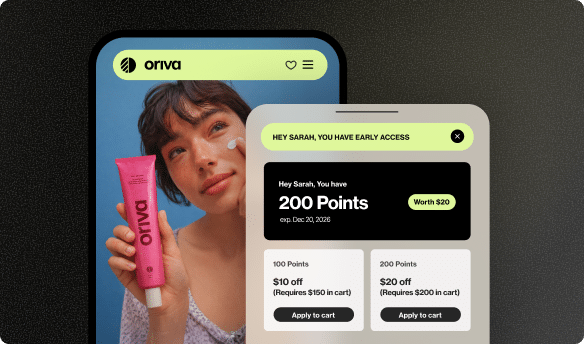
Beyond just good feelings, happy customers often turn into loyal customers. These are the people who keep coming back, even if a competitor offers something similar. Businesses nurture this loyalty through great experiences and sometimes, through special loyalty programs. Yotpo Loyalty helps businesses create these programs, rewarding customers for their continued support and making them feel truly appreciated.
It Helps Businesses Grow Strong and Stay Successful
Ethical marketing isn’t just about being nice; it’s a solid business strategy. Companies that practice ethical marketing often see better long-term success. They avoid big problems like customer complaints, legal issues, or bad publicity. Instead, they build a strong reputation that attracts new customers and keeps existing ones.
A good reputation is like a shield and a magnet at the same time. It protects a business from negativity and draws in positive attention. Ethical practices contribute significantly to a business’s conversion rate and overall growth because people prefer to buy from brands they trust.
It’s Good for Everyone, Including Our World
Finally, ethical marketing contributes to a better world. When companies are transparent and responsible, they encourage other businesses to do the same. This can lead to fairer markets, better products, and more respectful interactions between businesses and consumers. It’s a positive ripple effect that benefits society as a whole.
Key Pillars of Ethical Marketing in Action
So, what does ethical marketing look like in the day-to-day world of business? It involves focusing on several key areas that ensure fairness and respect for everyone.
Truthful Advertising: No False Promises
This pillar is about making sure that everything a company says in its ads is 100% true. No making up benefits, no pretending a product can do something it can’t. If an ad promises that a certain shampoo will make your hair grow overnight, but it can’t, that’s unethical. Ethical advertising is clear, accurate, and avoids misleading customers.
For example, if a store advertises a sale, the prices during the sale should genuinely be lower than the regular prices, and the items should actually be available.
Data Privacy: Keeping Your Secrets Safe
When you shop online or sign up for a newsletter, you often share personal information like your name, email, or address. Ethical companies treat this data like precious treasure. They make sure it’s kept safe from hackers and only use it for the reasons you agreed to. They won’t sell your information to other companies without your permission, and they’ll give you ways to manage your own data.
This is extremely important for building a long-lasting relationship with customers, as no one wants their personal details misused. Companies must always prioritize the security of customer data.
Customer-Centric Approach: You Come First!
A truly ethical business always puts its customers first. This isn’t just a nice phrase; it means everything from designing products that truly help people to making sure customer service is helpful and friendly. It also involves listening to what customers have to say and using that feedback to get better.
How do businesses show they are customer-centric? One big way is through user-generated content (UGC), like reviews and photos from real customers. These aren’t just for showing off; they are valuable insights into what customers love and what could be improved. Businesses can use UGC to understand their customers better and even inspire others!
This is where tools like Yotpo Reviews shine. They help companies gather authentic feedback directly from customers and display it prominently. By doing so, businesses are transparent, they show potential buyers what real people think, and they get valuable information to make their products even better. This builds a cycle of trust and continuous improvement.
Another way to be customer-centric is by rewarding loyalty. When customers choose to stick with a brand, ethical businesses recognize and appreciate that. Yotpo Loyalty helps businesses create engaging loyalty programs that thank customers for their continued support. These programs aren’t just about discounts; they’re about building a community and making customers feel like part of the brand’s family. For ideas on creating great programs, check out these best loyalty programs.
Accessibility and Inclusivity: Marketing for Everyone
Ethical marketing also means making sure that marketing messages and products are accessible to everyone, regardless of their background or abilities. This could mean designing websites that people with visual impairments can use, or making sure advertisements represent a diverse group of people. It’s about ensuring no one feels left out or targeted unfairly by marketing efforts.
Environmental Responsibility: Caring for Our Planet
While not directly about customer interaction, many ethical marketing practices now also consider the environment. Companies might market their sustainable products or talk about how they reduce waste. This shows a broader sense of responsibility beyond just sales, appealing to customers who care about the planet.
How Businesses Practice Ethical Marketing (with Yotpo’s Help)
Let’s look at some real ways companies put ethical marketing into practice, often with smart tools that help them along the way.
Being Honest in Advertisements
A business committed to ethical marketing ensures that every ad, every social media post, and every product description is truly accurate. They focus on the real benefits of their products without overstating them. For example, if a company sells a natural skincare product, they will talk about the actual natural ingredients and their proven effects, not promise miracle cures.
This kind of honesty builds long-term customer relationships, making people feel confident in their purchases. They know what they’re getting, and that creates satisfaction.
Collecting and Using Feedback Ethically
Asking customers for their opinions and reviews is a powerful ethical marketing tool. It shows that a business cares about what its customers think and is willing to listen. But it’s crucial to do this ethically. That means:
- Asking for honest reviews, not just positive ones.
- Making it easy for customers to leave feedback.
- Not paying for fake reviews or deleting negative ones.
This is precisely where Yotpo Reviews helps businesses shine. Yotpo’s tools are designed to collect genuine customer feedback, whether it’s star ratings, written reviews, or even photos and videos from customers. This authentic visual user-generated content isn’t just great for showing transparency; it also helps other shoppers make informed decisions. Businesses can learn how to ask customers for reviews effectively to gather this valuable insight.
When customers see real reviews, both good and bad, they trust the brand more. It shows the company has nothing to hide. This authenticity is key for building a strong, ethical brand image.
Building Fair Loyalty Programs
Ethical businesses understand the value of their repeat customers. They create loyalty programs that are clear, easy to understand, and truly rewarding. There are no tricky points systems or rewards that are impossible to earn. The rules are upfront, and the benefits are real.
Yotpo Loyalty is designed to help businesses create these kinds of fair and engaging programs. It allows companies to reward customers for various actions, like making purchases, referring friends (what is a referral code?), or even leaving reviews. These programs make customers feel appreciated and encourage them to continue their relationship with the brand, fostering genuine loyalty rather than just transactional behavior. Yotpo’s loyalty tools are built to help businesses strengthen customer relationships in an ethical and rewarding way.
Protecting Customer Information
Every company that collects customer data has a big responsibility. Ethical marketers ensure that customer information is protected with strong security measures. They also make sure customers know how their data is being used and give them options to control it. This includes clear consent when signing up for newsletters or creating accounts.
Think about how important it is for your bank to keep your money safe. Your personal information is just as valuable and needs to be treated with the same level of care.
Clear Communication: No Hidden Tricks
From the font size of the small print to the tone of a customer service email, ethical marketing prioritizes clear communication. This means avoiding jargon or overly complicated language that might confuse customers. Everything should be easy to understand, leaving no room for misunderstanding or trickery.
For example, if a subscription service has recurring fees, ethical marketing will make sure that information is impossible to miss, not hidden away in tiny text at the bottom of a page.
Challenges in Ethical Marketing
While the goal is clear, practicing ethical marketing isn’t always easy. Businesses sometimes face tough choices:
- Balancing Profit and Ethics: Sometimes, a more ethical choice might seem more expensive or less profitable in the short term. Businesses have to decide where their priorities lie.
- Keeping Up with New Rules: The world of marketing and technology changes fast, and so do the rules and expectations around privacy and fairness. Companies need to stay updated.
- Dealing with Tricky Situations: What if a customer leaves a negative but unfair review? How should a company respond ethically? These situations require careful thought.
Despite these challenges, the long-term benefits of ethical marketing almost always outweigh the difficulties. Building a strong, ethical brand is an investment that pays off.
The Benefits of Ethical Marketing for Everyone
Let’s quickly recap why ethical marketing is a win-win situation for businesses and customers alike.
| Benefit for Businesses | Benefit for Customers |
|---|---|
| Stronger brand reputation | Better, more trustworthy shopping experiences |
| Increased customer loyalty and retention | Access to honest and accurate product information |
| Improved employee morale and pride | Feeling respected and valued by brands |
| Reduced risk of legal issues and bad publicity | Protection of personal data and privacy |
| Long-term sustainable growth | Making informed purchasing decisions |
Stronger Customer Relationships
When you market ethically, you’re not just selling a product; you’re building a relationship. Customers feel valued and heard, leading to stronger, more lasting connections. They’re more likely to feel a personal connection to the brand.
Better Brand Reputation
A business known for its honesty and fairness builds a fantastic reputation. People talk about good experiences, and this positive buzz makes others want to engage with the brand. This positive reputation can attract new customers without aggressive advertising.
Happier Employees
Employees who work for an ethical company often feel prouder and more motivated. They know they are contributing to something good, which can lead to a more positive and productive work environment. Ethical values often start from within the company.
Long-Term Success
Ultimately, ethical marketing is a strategy for long-term success. Businesses that prioritize ethics tend to be more resilient, adaptable, and respected in the marketplace. They build a foundation of trust that can withstand challenges and changes over time. This approach contributes significantly to eCommerce retention and sustained growth.
An Ethical Marketing Checklist
Here’s a simple checklist businesses can use to think about ethical marketing:
- Are our ads completely honest and clear?
- Do we respect customer privacy and protect their data?
- Are our prices and offers fair and transparent?
- Do we listen to customer feedback and act on it?
- Are our marketing messages inclusive and respectful to everyone?
- Do we clearly communicate our terms and conditions?
- Are we being responsible citizens, considering our impact?
Ethical vs. Unethical Marketing: A Quick Comparison
Sometimes, it helps to see the difference clearly:
| Ethical Marketing | Unethical Marketing |
|---|---|
| Uses honest customer reviews to show product quality. | Deletes negative reviews or posts fake positive ones. |
| Clearly states all ingredients in a health product. | Hides harmful ingredients or makes exaggerated health claims. |
| Offers a loyalty program with clear, achievable rewards. | Creates a loyalty program with confusing rules and impossible rewards. |
| Asks for permission before sending marketing emails. | Sends unwanted spam emails to everyone they can find. |
| Shows diverse groups of people using their product. | Uses stereotypes or excludes certain groups in ads. |
Conclusion: The Power of Doing Good
So, what is ethical marketing? It’s simply marketing with a conscience. It’s about building genuine relationships with customers based on trust, honesty, and respect. It means being fair, transparent, and responsible in every message and interaction. While it requires effort, the rewards are immense: loyal customers, a strong reputation, and long-term success for businesses that choose to do good.
In a world full of choices, customers are increasingly looking for brands they can believe in. By embracing ethical marketing, businesses don’t just sell products; they build communities and create lasting value, making the marketplace a better place for everyone. It’s truly a win-win approach!










 Join a free demo, personalized to fit your needs