









What is CLV? Unlocking the Secret to Customer Lifetime Value
Have you ever wondered what makes a business truly successful? It’s not just about selling one item and moving on. Imagine you have a favorite toy store. You buy a cool action figure there. Then, a few weeks later, you go back for a new game. A month after that, you get a gift for a friend. All those purchases from you add up for the store, right? That total value you bring to the store over time is what we call Customer Lifetime Value, or CLV.
CLV is a super important idea for any business. It helps them understand how much money they can expect to earn from a customer throughout their entire relationship. Think of it like a long-term friendship. A good friend brings joy and value into your life for a long time, not just for one quick chat. For businesses, understanding CLV helps them make smart choices about how to grow and keep their customers happy. It’s about building lasting connections, which is a powerful way for businesses to thrive.
What Exactly is Customer Lifetime Value (CLV)?
Let’s break it down even further. Customer Lifetime Value (CLV) is simply the total amount of money a business can expect to get from a customer over their whole time being a customer. It’s not just about one purchase. It includes every single purchase that customer makes, from their very first visit to their very last.
Think about your favorite brand of sneakers. Maybe you bought one pair, then another six months later, and then some socks and shoelaces. All those sales from you, added together, make up your CLV for that sneaker company. Businesses want to know this number because it tells them who their most valuable customers are and how they can find more like them. It’s like discovering the secret sauce for keeping customers happy and coming back for more.
For businesses, especially those selling online, understanding CLV means they can stop just thinking about the next sale and start focusing on building a relationship with you that lasts for years. This focus on long-term relationships can lead to a much stronger and more successful business in the long run.
Why Does CLV Matter So Much for Businesses?
Why should a business care so much about this “lifetime value” idea? Well, it’s like a superpower that helps them make better decisions and grow stronger. Here’s why CLV is such a big deal:
* Making Smarter Decisions: When a business knows its CLV, it can figure out how much it’s worth to keep a customer happy or to get a new one. This helps them decide where to spend their money, whether it’s on better customer service, new products, or even fun loyalty programs. They can invest their resources where it truly matters for long-term growth.
* Better Marketing and Customer Attraction: Instead of just trying to get new customers all the time, CLV helps businesses understand that keeping existing customers happy is often more cost-effective. Happy customers who keep coming back are like gold! This knowledge helps them create smarter marketing strategies that focus on both attracting new buyers and nurturing existing ones.
* Finding Their Best Customers: By looking at CLV, businesses can spot their most valuable customers. What makes these customers special? What do they buy? How often? Learning this helps the business find more customers just like them, which can really boost their overall success. It’s like finding a treasure map to more fantastic customers!
* Growing Stronger and More Stable: A business with a high average CLV is usually a very healthy business. It means customers are happy, they trust the brand, and they keep coming back. This creates a stable foundation, allowing the business to grow and try new things without constantly worrying about where the next sale will come from. It’s a key part of building a robust ecommerce growth model.
* Personalized Experiences: Knowing a customer’s potential value helps businesses tailor experiences just for them. This might mean special offers, personalized recommendations, or early access to new products. When customers feel understood and valued, they’re more likely to stick around.
Ultimately, CLV helps businesses shift their focus from quick, one-time sales to building lasting, valuable relationships. And isn’t that what we all want, whether we’re selling toys or sneakers?
How Do You Calculate CLV? (A Simple Look)
Calculating Customer Lifetime Value might sound like rocket science, but for our purposes, we can look at a simplified way to understand it. Businesses often use complex formulas, but the basic idea is quite straightforward.
Think about it like this: If you know how much a customer usually spends, how often they buy, and for how long they remain a customer, you can get a good idea of their CLV.
Here’s a very simple formula:
`CLV = (Average Purchase Value x Purchase Frequency) x Customer Lifespan`
Let’s break down these parts:
* Average Purchase Value: This is the average amount of money a customer spends each time they make a purchase. If a customer buys a $20 game one time and a $30 game another time, their average purchase value is $25.
* Purchase Frequency: This is how often a customer buys something from the business over a certain period (like a year). If they buy 4 times a year, their purchase frequency is 4.
* Customer Lifespan: This is how long, on average, a customer continues to buy from the business. It could be 1 year, 3 years, or even 10 years!
Let’s look at an example to make it super clear:
Imagine a customer named Alex who loves buying from a toy store.
| Customer Action | Value |
| :—————- | :—- |
| Buys a game | $20 |
| Buys another game next month | $20 |
| Buys an expansion pack 3 months later | $15 |
| Buys a small toy for a friend’s birthday (6 months later) | $10 |
| **Total over 6 months** | **$65** |
In this simple example, Alex has spent $65 in 6 months. If we average their purchases:
* Average Purchase Value: $65 / 4 purchases = $16.25
* Purchase Frequency: 4 purchases in 6 months (or 8 purchases a year)
* If we estimate Alex might continue this for 2 years, their estimated CLV would be:
`($16.25 x 8 purchases/year) x 2 years = $260`
So, for this simplified example, the business might estimate Alex’s Customer Lifetime Value to be around $260. Of course, real-world calculations can be much more detailed, but this gives you the basic picture! It helps businesses estimate how much Alex is worth to them over a long time.
What Factors Influence CLV?
Many things can make a customer’s lifetime value go up or down. Think about what makes you want to keep going back to your favorite store or restaurant. It’s usually a combination of good experiences, right?
Here are some key factors that influence CLV:
* Customer Satisfaction: Happy customers are the best customers! If you’re happy with a product or service, you’ll likely come back. Businesses that make customer happiness a priority often see higher CLV. A great ecommerce customer experience is critical for this.
* Repeat Purchases: This one is straightforward. The more often a customer buys, the higher their CLV will be. Businesses try to encourage repeat purchases through various methods, like special deals or new product announcements.
* Average Order Value (AOV): If customers spend more money each time they buy, their CLV naturally goes up. Businesses often try to increase AOV by suggesting related products or offering free shipping for larger orders.
* Customer Retention: This refers to how well a business keeps its existing customers from leaving. The longer a customer stays with a business, the higher their CLV. Keeping customers happy and engaged is a big part of improving customer retention. It’s also important to understand what ecommerce retention means for your business.
* Customer Service: Excellent customer service can turn a bad experience into a positive one and build loyalty. If you have a problem and it’s resolved quickly and kindly, you’re much more likely to return.
* Product Quality: If the products are good and meet customer expectations, people will trust the brand and keep buying. Poor quality can quickly drive customers away.
Businesses constantly work on these factors to ensure customers feel valued and want to stay.
How Can Businesses Improve CLV?
Now that we know what CLV is and why it matters, let’s talk about how businesses can actually make it better. Improving CLV isn’t about magic; it’s about smart strategies that focus on the customer.
Here are some of the best ways businesses can boost their Customer Lifetime Value:
1. Making Customers Feel Special with Loyalty Programs
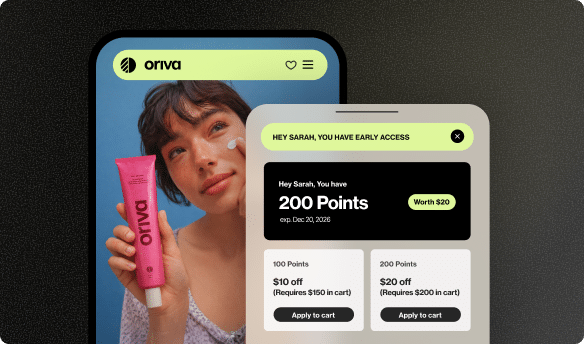
Imagine getting points every time you buy something, and those points turn into a discount later, or even a free item! That’s the magic of loyalty programs. These programs are designed to thank customers for their continued business and encourage them to keep coming back. They make customers feel appreciated and part of an exclusive club.
When a business uses Yotpo’s loyalty software, they can create amazing programs that do just that. Yotpo helps businesses set up systems where customers can earn points for every purchase, get special birthday treats, or even unlock exclusive access to new products or sales. These kinds of programs are fantastic for encouraging repeat purchases and building really strong relationships with customers. Think about earning a special badge or reaching a new “level” in a game – it makes you want to keep playing, right? Loyalty programs work similarly, turning one-time shoppers into long-term, valued customers. They are among the best loyalty programs because they focus on making customers feel special.
2. Listening to Customers and Building Trust with Reviews
Have you ever looked at a new toy or game online and seen what other people said about it? Those are customer reviews, and they are incredibly powerful. When people share their honest thoughts about a product, it helps new customers decide if they want to buy it. It also helps the business understand what’s working well and what they might need to improve.
Collecting and displaying customer reviews is super important for building trust. When new customers see real stories and feedback from happy buyers, it makes them feel more confident about making a purchase. Yotpo’s Reviews product makes it easy for businesses to gather these valuable insights. Not only can they collect written reviews, but also photos and videos from real customers (visual UGC). This user-generated content is authentic and compelling. When a business uses Yotpo to showcase these real customer experiences, it builds a stronger sense of community and trustworthiness, which encourages more people to shop and boosts their overall CLV. Want to know how to get more reviews? Check out how to ask customers for reviews.
3. Personalized Experiences
Imagine if a store knew your favorite color or the kind of books you like and only showed you things you’d truly be interested in. That’s a personalized experience! When businesses treat customers as individuals and offer them things based on what they’ve bought before or what they’ve looked at, customers feel understood and valued. This makes them much more likely to keep shopping with that business.
4. Excellent Customer Support
We all like to know that if we have a question or a problem, there’s someone there to help us. Excellent customer support means being responsive, helpful, and friendly. When businesses solve problems quickly and make customers feel heard, it builds trust and makes customers want to stick around. This is a critical part of the ecommerce customer experience.
5. Referral Programs
Happy customers often tell their friends about great products or stores, right? A referral program encourages this “word-of-mouth” sharing by offering rewards to both the person referring and the new customer. It’s like getting a special thank-you for being a walking advertisement for a business! This is a fantastic way to acquire new customers who are often more valuable because they come through a trusted recommendation. Learn more about what is a referral code and how it works.
By focusing on these strategies, businesses can not only keep their current customers happier but also attract new ones who are likely to become valuable, long-term patrons.
The Magic of Reviews and Loyalty Together for CLV
While customer reviews and loyalty programs are powerful on their own, imagine what happens when they work together! This is where the magic truly happens for CLV.
Think about it:
1. A customer buys a fantastic new product.
2. They love it so much they leave a glowing review, maybe even with a photo! (Thanks to tools like Yotpo’s Reviews). This review helps other potential customers feel confident and encourages them to make a purchase, growing the business’s customer base.
3. Because they left that review, the business rewards them with points or a special discount through their loyalty program (powered by Yotpo’s Loyalty software).
4. This reward makes the customer feel appreciated and encourages them to come back and buy something else, extending their “lifetime” with the business and increasing their CLV.
This seamless connection between building trust through genuine ecommerce product reviews and encouraging repeat business through exciting loyalty rewards programs creates a powerful cycle. Reviews attract new customers and instill confidence, while loyalty programs ensure those customers return again and again, leading to a much higher Customer Lifetime Value over time. It’s a win-win for everyone involved!
Common Misunderstandings About CLV
Sometimes, big ideas can seem a bit confusing, and CLV is no different. Let’s clear up some common things people sometimes get wrong about Customer Lifetime Value:
* It’s Not Just About the First Sale: The biggest mistake is thinking CLV is just about how much someone spends the first time. Nope! Remember, it’s about the *whole* journey a customer takes with a business, from their first purchase to their last. It’s the total sum over many years, not just one transaction.
* It’s an Estimate, Not an Exact Number: CLV is always an educated guess. Businesses try their best to predict how much a customer will spend, but things can change. New products, different preferences, or even how good a business is at keeping customers happy can all affect the actual outcome. So, it’s a very useful guide, but not a crystal ball.
* It’s Not Fixed – It Can Change: A customer’s CLV isn’t set in stone. If a business improves its products, offers better customer service, or launches an amazing loyalty program, a customer’s CLV could go up! On the other hand, if a business disappoints its customers, their CLV might drop. It’s a dynamic number that businesses constantly work to improve.
* It’s Not Just for Big Businesses: While large companies definitely use CLV, it’s a valuable concept for businesses of all sizes, even small online shops. Understanding it helps any business, big or small, make smarter decisions about how to treat their customers.
By understanding these points, you can see that CLV is a practical and flexible tool that helps businesses think long-term about their most important asset: their customers!
Real-World Impact: Businesses That Understand CLV
You might be wondering, “Does this CLV thing really make a difference for real businesses?” The answer is a resounding yes! Many successful companies, especially those in the online shopping world, have figured out that focusing on CLV is a key part of their success.
These businesses often use tools and strategies, like those offered by Yotpo, to enhance customer relationships. They’ve seen that by encouraging customers to leave reviews, they build social proof and trust, which brings in new buyers and makes current ones feel heard. Simultaneously, by running fantastic loyalty programs, they give customers compelling reasons to return again and again.
Consider brands that have incredible success stories because they’ve cultivated a loyal customer base. They don’t just sell you a product; they invite you into a community. They might offer exclusive perks, special content, or early access to new items. This focus on building a relationship rather than just making a sale is what drives high CLV.
By understanding how much a customer is truly worth over their lifetime, these businesses can invest in the right places – whether that’s a new feature for their loyalty program or making it even easier for customers to share their feedback. This leads to happier customers, more repeat purchases, and ultimately, a thriving business. You can see more about how businesses leverage these strategies in our case studies.
Conclusion
So, what is CLV? At its heart, Customer Lifetime Value is a powerful idea that helps businesses understand the true, long-term worth of each customer. It’s not just about that first quick sale, but about building lasting relationships, much like cultivating a great friendship.
When businesses focus on CLV, they learn to treat customers like valuable partners, not just numbers. They invest in things that keep customers happy, like fantastic loyalty programs and honest customer reviews, which are made easy with tools like Yotpo’s offerings. This focus on making customers feel special, heard, and appreciated encourages them to come back, buy more, and stay loyal for years.
Ultimately, understanding and improving CLV is a superpower for any business. It helps them make smarter decisions, grow stronger, and build a community of happy, returning customers. It’s a reminder that in the world of business, just like in life, building strong, lasting relationships is key to long-term success.










 Join a free demo, personalized to fit your needs