









What is an Outbound Marketing?
Have you ever been watching your favorite TV show and a commercial pops up? Or maybe you’re listening to music on the radio, and suddenly an ad comes on? Perhaps you open your mailbox and find a flyer for a new pizza place? If any of these sound familiar, then you’ve experienced something called outbound marketing!
Think of it like this: a company has a message, and they want to shout it out to as many people as possible. They are actively pushing their message out to you, hoping you’ll hear it and become interested. It’s like a megaphone announcement in a busy town square. This way of sharing information has been around for a very long time, and even with all the new technology today, it’s still a big part of how businesses tell people about what they offer.
But how does it work, and why do companies still use it when there are so many other ways to get your attention? Let’s take a closer look at this interesting approach to telling stories about products and services.
Understanding Outbound Marketing: Pushing the Message Out
The core idea behind outbound marketing is simple: businesses send messages directly to potential customers. They don’t wait for you to come looking for them; instead, they go out and find you. It’s a proactive way to get noticed. Imagine you have a fantastic new toy, and you want everyone to know about it. Would you just wait for people to ask, or would you run around telling all your friends?
In the past, this was pretty much the only way companies advertised. They’d place ads in newspapers, on billboards, or make calls to people’s homes. These methods are designed to interrupt your day, grab your attention, and introduce you to something new. While some people might find these interruptions a little annoying sometimes, they can also be very effective at spreading the word far and wide.
Today, outbound marketing has evolved. While many traditional methods are still used, new digital ways of pushing messages out have also emerged. The goal remains the same: to reach a broad audience and make sure they know about a product, service, or brand.
Traditional Outbound: The Classics You Know
Let’s talk about some of the classic ways companies use outbound marketing:
- TV Commercials: These are probably the most famous examples. During your favorite show, a short video pops up to tell you about snacks, toys, or even cars. Companies pay a lot of money to show these ads because millions of people watch TV.
- Radio Ads: Similar to TV, but you only hear them. When you’re in the car or listening to music, ads will play between songs or during talk shows. They use catchy jingles or exciting voices to get your attention.
- Print Ads: Remember looking through magazines or newspapers? Companies buy space in these publications to show pictures and descriptions of their products. It’s a way to reach people who read specific types of content, like a gaming magazine for a new video game ad.
- Direct Mail: This is when you get flyers, postcards, or letters in your physical mailbox at home. Companies send these out to neighborhoods they think might be interested in their products, like a local restaurant sending menus.
- Telemarketing: This involves companies calling you directly on your phone to tell you about something. While not as common as it once was for many people, some businesses still use it, especially for specific types of services.
Digital Outbound: Reaching You Online
With the internet being such a huge part of our lives, outbound marketing has also moved online. Here are some digital examples:
- Display Ads (Banner Ads): When you browse websites, you often see colorful boxes or banners on the sides, top, or bottom of the page. These are ads that companies have paid to place there. They push their message to you as you’re trying to read an article or watch a video.
- Paid Search Ads: Have you ever typed something into a search engine like Google? Sometimes, the very first results you see have a small “Ad” label next to them. Companies pay to have their websites appear at the top of these search results, pushing their link to you when you search for certain words.
- Outbound Email Campaigns: This refers to when businesses send emails to a large group of people who haven’t necessarily asked for those specific emails. Think of it like a broad announcement sent to many potential customers. It’s different from emails you get because you signed up for a newsletter.
- Pop-up Ads: Sometimes when you visit a website, a small window or box suddenly appears on your screen, asking you to sign up for something or showing you an ad. These are also a form of digital outbound marketing, designed to get your immediate attention.
Outbound Marketing vs. Inbound Marketing: A Simple Comparison
It’s helpful to understand outbound marketing by comparing it to its opposite, inbound marketing. Think of it like fishing. Outbound marketing is like throwing a net wide, hoping to catch many fish. Inbound marketing is like setting up a really tasty bait and waiting for the fish to swim to you. Let’s look at the main differences:
Here’s a quick table to help you see the difference:
| Feature | Outbound Marketing | Inbound Marketing |
|---|---|---|
| Main Idea | Pushes messages out to customers. | Draws customers in by offering helpful things. |
| How it Works | Interrupts you to get your attention. | Gives you useful information or entertainment you search for. |
| Control | The company decides when and where you see the message. | You decide when you want to find the information. |
| Examples | TV ads, billboards, cold calls, banner ads. | Blog posts, helpful videos, social media pages with good tips. |
| Focus | Selling the product directly. | Building trust and solving problems, then selling. |
Many businesses today use a mix of both. They might use outbound marketing to make people aware of their brand, and then use inbound marketing to build a deeper relationship once someone shows interest. It’s about finding the right balance!
Why Do Businesses Still Use Outbound Marketing?
With all the talk about inbound marketing and how people prefer to find things themselves, you might wonder why outbound marketing is still so popular. Well, it still has some very powerful advantages:
1. Reaching a Broad Audience Quickly
Imagine a new movie is coming out next week. The filmmakers want everyone to know about it right away! They can put commercials on TV, trailers before other movies, and ads on big websites. This gets the word out to millions of people in a very short time. Outbound marketing is great for making a big splash and generating excitement.
2. Immediate Attention and Brand Awareness
When you see a catchy ad, it makes an impression. Even if you don’t buy the product right away, you start to recognize the brand. The more you see a brand’s ads, the more familiar it becomes. This “top-of-mind” awareness is valuable because when you do need something, that familiar brand might be the first one you think of. It helps companies introduce themselves to people who might not even know they need a particular product yet.
3. Targeting Specific Groups (Sometimes)
While often broad, outbound marketing can also be aimed at specific groups. For example, a company selling toys might advertise during children’s TV shows. A company selling tools might advertise in a home improvement magazine. By choosing the right places and times, businesses can try to reach people who are more likely to be interested in what they offer.
So, even in our digital world, outbound marketing continues to play a vital role. It’s like a starting pistol that fires to get people’s attention, kicking off the journey that might lead to a new customer relationship.
Making Outbound Marketing Even Better: Building Trust and Loyalty
Getting someone’s attention with an outbound ad is just the first step. What happens next is super important! Once a business has successfully used an outbound method to introduce themselves, they want those new people to become customers, and even better, to become loyal customers who keep coming back.
This is where modern tools and strategies really shine. Think about it: if an ad convinces you to visit a website, what will make you trust that website and actually buy something? And once you buy, what makes you want to buy again?
Many businesses find that combining their outbound efforts with strong ways to build trust and encourage repeat purchases makes a huge difference. They know that a good first impression, combined with a great experience later, is the key to lasting success. This is where focusing on what customers think and how they feel becomes extremely powerful.
The Power of Social Proof: What Others Say
Imagine you’re thinking about buying a new pair of shoes you saw in an ad. When you visit the store’s website, what would make you feel better about your choice? Seeing that other people have bought the same shoes and loved them, right? This is called social proof.
Social proof is all about showing what real customers think and feel about a product or service. It’s like your friend telling you that a certain game is super fun – you’re more likely to believe your friend than just an ad from the game company.
- Customer Reviews and Ratings: These are incredibly powerful. When people see that a product has many stars and positive comments, it builds trust. It shows that other real people have tried it and had a good experience. Companies can collect these reviews and ratings and display them prominently on their websites. This helps turn someone who was attracted by an outbound ad into a confident buyer. You can learn more about how ecommerce product reviews help businesses.
- Visual User-Generated Content (UGC): Sometimes, seeing is believing. When customers share their own pictures or videos of themselves using a product, it’s even more convincing. Imagine seeing someone just like you wearing those shoes you liked! This kind of authentic visual content from real users helps new visitors connect with the product and see how it fits into real life. It also builds a sense of community around the brand.
By using things like customer reviews and photos, businesses can make their outbound marketing efforts much more effective. An ad might get you to the website, but what other customers say and show helps seal the deal and build that all-important trust.
Keeping Customers Happy and Coming Back
After a customer makes their first purchase, the story doesn’t end there! Smart businesses want those customers to come back again and again. This is where customer loyalty comes in. Why is keeping existing customers so important? Because it’s often easier and cheaper to keep an old customer than to find a brand new one. You can read more about how to improve customer retention. When customers are loyal, they spend more over time and even tell their friends about the business.
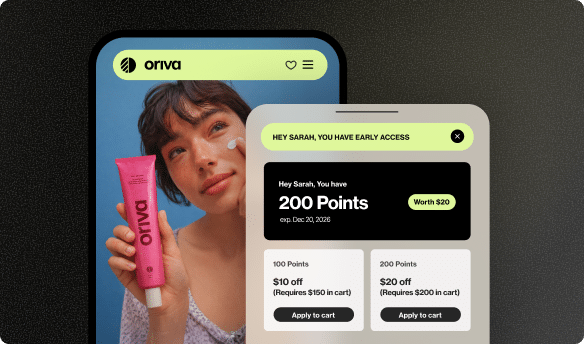
- Loyalty Programs: These programs are like a special club for customers. They reward you for buying things from a particular store. For example, you might earn points for every dollar you spend, and those points can be used to get discounts or free products later. This makes customers feel appreciated and gives them a reason to choose that store over competitors. A great loyalty program can turn a one-time buyer (who might have arrived from an outbound ad) into a lifelong fan.
- Referral Programs: What if your happy customers could help you find new ones? That’s the idea behind a referral program. When a customer loves a product, they can tell their friends, and both the existing customer and the new friend might get a reward. This is a fantastic way to spread the word naturally, often starting from a base of customers initially acquired through various means, including outbound efforts. You can learn more about what a referral code is and explore some of the best referral marketing platforms.
By creating great experiences and rewarding loyalty, businesses ensure that the effort they put into outbound marketing pays off in the long run. It’s about turning that initial attention into a lasting relationship, making every customer feel special and valued.
The Future of Outbound Marketing
So, is outbound marketing going away? Not at all! It’s simply changing and adapting, just like everything else in our fast-paced world. While it still involves pushing messages out, the ways companies do it are becoming smarter and more integrated with other strategies.
We’re seeing outbound efforts become more personalized. Instead of just shouting to everyone, companies are getting better at identifying specific groups who might genuinely be interested in their message. This means fewer irrelevant interruptions for you and more effective advertising for businesses.
The goal is also shifting. While still aiming for awareness, modern outbound marketing is often designed to kickstart a conversation or lead you to a place where you can learn more and engage. It’s less about a one-time blast and more about being the first step in a longer, more engaging customer journey. Businesses are realizing that the initial outreach is best supported by a strong foundation of trust and customer care, which means that tools for customer reviews and loyalty programs become even more crucial.
Ultimately, outbound marketing will continue to be a powerful tool for introducing new products, reaching new audiences, and making sure a brand gets noticed. But its true strength will come from how well businesses follow up that initial push with great experiences that build lasting relationships.
Real-World Examples: Outbound Kicks Off Success
Think about a popular brand you know that sells clothes, snacks, or games. How did you first hear about them? Maybe it was a TV commercial, an ad on social media, or a display ad on a website you were browsing. These are all examples of outbound marketing doing its job – getting your attention!
Many successful companies start with strong outbound campaigns to introduce their products to a wide audience. They invest in eye-catching ads that create buzz and get people talking. But their success doesn’t stop there. Once those ads bring new customers to their websites or stores, these smart businesses use tools to make sure those customers have a fantastic experience and want to come back.
For example, a new online toy store might launch with a big splash using paid ads on popular kids’ websites. Once kids (and their parents) click on those ads and visit the store, they’ll find a website full of customer reviews from other happy families, showing real photos of children playing with the toys. This kind of social proof, gathered using a top-notch reviews platform, quickly builds trust. And after a purchase, they might get invited to a loyalty program where they earn points for every toy bought, leading to discounts on future purchases. This encourages repeat business and helps the company grow.
This combination of smart outbound outreach and strong customer engagement is what truly drives success for many businesses. You can see how many businesses have achieved great things by exploring case studies and success stories where they share their growth journeys.
Wrapping Up: The Role of Outbound Marketing
So, what have we learned about outbound marketing? It’s a way for businesses to actively send their message out to you, rather than waiting for you to come looking for it. From TV commercials to online banner ads, it’s all about getting noticed and making that first important connection.
While some people might think outbound marketing is old-fashioned, it’s still a powerful way for companies to reach many people quickly, build brand awareness, and introduce new products. But the secret to its long-term success isn’t just in making a loud noise. It’s in what happens after you hear that noise.
The smartest businesses today understand that an initial outbound push needs to be followed by building trust and creating happy, loyal customers. By showing authentic customer feedback through reviews and photos, and by rewarding repeat business with loyalty programs, companies can turn those initial ad impressions into long-lasting relationships. Outbound marketing opens the door, and a great customer experience keeps people coming back through it.










 Join a free demo, personalized to fit your needs