









Imagine your email address has a secret report card. Every time you send an email, big email companies like Gmail or Outlook check this report card. They use it to decide if your email is good to go into someone’s inbox or if it should land in the dreaded spam folder. This secret report card is what we call an Email Sender Reputation.
Just like a good student gets their work seen and praised, an email sender with a good reputation gets their messages delivered. It’s super important for businesses that want to talk to their customers. If your emails end up in spam, your customers might miss out on exciting news, special offers, or important updates. Let’s dive into what makes this reputation tick and why keeping it spotless is a smart move for any brand!
Why Does Your Email Reputation Matter So Much?
Think about sending a letter to a friend. You want it to arrive right in their mailbox, not get lost or thrown in the trash, right? Email works in a similar way, but with an extra layer of protection. Email providers, like the mail carriers of the internet, are always trying to protect their users from junk mail, often called spam.
Your email sender reputation is like a trust score that tells these providers whether you’re a trustworthy sender or not. If you have a high score, your emails zoom straight to the inbox. But if your score is low, those same emails might get stuck in spam filters, never reaching the people who actually want to hear from you. This is a big deal for businesses because it means their important messages might not get seen by customers who care.
For a brand, being able to connect with customers is key. When your emails consistently land in the inbox, it helps build strong relationships. Customers feel valued when they receive relevant messages, and businesses can share exciting products or helpful information. On the flip side, if your emails constantly go missing, customers might feel ignored or simply forget about your brand. Keeping your reputation high ensures your voice is heard, helping you foster better engagement and a more positive customer experience.
How Email Providers Judge You
Email providers have a lot of ways to figure out your reputation. It’s like they have a checklist they go through every time you send an email. They watch how you behave, just like a teacher watches how students act in class. Do you send emails people want to read? Or do you send messages that annoy them? These actions, both good and bad, build up your reputation score.
Here’s a look at some of the things they pay attention to:
| What Email Providers Look At | Why It Matters |
|---|---|
| Spam Complaints | If many people mark your email as spam, it tells providers that your emails aren’t wanted. This is a big red flag! |
| Bounce Rates | This is when an email can’t be delivered to an address (like sending a letter to a fake house number). High bounce rates suggest your email list isn’t clean or up-to-date. |
| Engagement | Do people open your emails? Do they click links inside? Good engagement shows that your emails are interesting and valuable. |
| Sending Volume | Suddenly sending a huge number of emails after being quiet for a while can look suspicious, like spamming. |
| Email Content | Does your email look like typical spam (lots of exclamation marks, weird fonts, shady links)? Providers can spot this. |
| List Quality | Are your email addresses valid and current? Or are you sending to old, unused, or fake addresses? |
Each of these factors contributes to your overall score. Think of it as earning points for good behavior and losing points for bad behavior. The more positive points you gather, the better your reputation, and the more likely your emails are to reach their intended destination.
What Makes a Good Reputation?
A good sender reputation is all about making email providers happy and, more importantly, making your email recipients happy! When people like your emails, it shows. Here’s what helps you get a gold star on your email report card:
- High Open Rates: This means lots of people are opening your emails. It tells email providers that your subject lines are catchy and your content is interesting.
- Good Click-Through Rates: Not only are people opening your emails, but they’re also clicking on the links inside. This shows they are really engaged with what you’re sharing.
- Low Bounce Rates: Almost all your emails are successfully delivered. This means your email list is healthy, and you’re not sending to non-existent addresses.
- Few Spam Complaints: Hardly anyone is marking your emails as spam. This is a huge sign of trust and relevance.
- Engaged Audience: Your subscribers consistently interact with your emails, showing they genuinely want to hear from you. This engagement is a powerful signal of a healthy relationship.
In essence, a good reputation means you’re sending valuable emails to people who want them, and they are showing it by opening and clicking. It’s all about trust and relevance.
What Can Hurt Your Reputation?
Just like a good reputation is built on good behavior, a bad one can quickly form from poor choices. These actions tell email providers that you might not be a trustworthy sender:
- Too Many Spam Complaints: This is probably the biggest reputation killer. If people keep clicking “This is spam,” email providers will quickly send all your emails straight to the junk folder.
- High Bounce Rates: If many of your emails can’t be delivered, it looks like you’re sending to old, fake, or invalid addresses. This signals poor list management.
- Low Engagement: If people rarely open or click your emails, it suggests your messages aren’t valuable or are being sent to uninterested recipients. Email providers notice this lack of interaction.
- Buying Email Lists: Never, ever buy email lists! These lists are often full of old or fake addresses, or people who never agreed to receive emails from you. This leads to high bounce rates and spam complaints.
- Sudden Spikes in Sending Volume: If you usually send a few hundred emails and suddenly send a million, it looks suspicious, like a spammer who bought a new list.
- Sending Irrelevant Content: If your emails have nothing to do with what your subscribers signed up for, they might get annoyed and mark you as spam.
Think of it like being a good guest. If you keep bothering people or showing up uninvited, you’ll quickly get a bad name. The same goes for email.
The Building Blocks of a Great Email Reputation
Building a great email reputation isn’t just luck; it’s about smart choices and consistent effort. It’s like building a strong, sturdy house – you need a good foundation and quality materials. For email, this means focusing on your audience, the content you send, and the technical setup behind your messages.
It starts with respecting your subscribers and making sure every email you send is something they genuinely want to receive. This focus on the customer experience is what truly sets successful email senders apart. When customers feel valued and engaged, they’re much more likely to open your emails and interact with your brand.
Keeping Your Email List Happy and Healthy
Your email list is like your garden; it needs regular care to thrive! A healthy list means you’re sending emails to people who actually want them, which is the first step to a great reputation.
- Get Permission First: Always, always get clear permission before adding someone to your email list. This means they actively sign up, perhaps on your website. Never add people who haven’t agreed.
- Make Unsubscribing Easy: It might seem strange, but making it simple for people to leave your list is a good thing. If someone doesn’t want your emails, it’s better for them to unsubscribe than to mark you as spam.
- Clean Your List Regularly: Just like you’d pull weeds from a garden, you need to remove inactive or “bouncing” email addresses from your list. If someone hasn’t opened your emails in a long time, it might be time to say goodbye. This keeps your list fresh and responsive.
By keeping your email list clean and full of engaged subscribers, you’re not just improving your sender reputation; you’re also boosting your overall customer retention efforts. Happy subscribers are loyal customers, and loyal customers are more likely to stay with your brand for the long haul. A good email list is a foundational piece of a strong customer relationship.
Sending Emails People Actually Want to Open
Once you have a healthy list, the next step is to make sure your emails are so good, people can’t wait to open them! This is where your creativity and understanding of your audience really shine. It’s not just about sending emails; it’s about sending experiences.
- Craft Catchy Subject Lines: Your subject line is like the headline of a newspaper. It needs to grab attention and make people curious without being “spammy.” Keep it short, clear, and exciting!
- Provide Valuable Content: Every email should offer something useful or enjoyable. This could be a special discount, helpful tips, interesting stories, or even user-generated content like customer photos or reviews. When customers see value, they’re much more likely to engage.
- Personalize Your Messages: Addressing people by their name is a good start, but you can go further! Send emails based on what they’ve bought before or what they’ve shown interest in. This makes emails feel special and relevant to them.
- Segment Your Audience: Don’t send the same email to everyone. Divide your list into groups based on their interests or past actions. For example, send fashion updates to people interested in clothes and tech news to gadget lovers. This targeted approach dramatically increases engagement.
- Showcase Authenticity with UGC: Incorporating real customer photos, videos, or reviews in your emails can make them much more engaging and trustworthy. People love seeing what others are saying and doing with your products. It adds a human touch. Visual UGC can be incredibly powerful in making your emails stand out and feel authentic.
When your emails are relevant, engaging, and personal, people look forward to them. This consistent positive interaction boosts your email reputation and strengthens the bond between your brand and your customers. It’s all about making every email count and making sure it adds to a great ecommerce customer experience.
Making Sure Your Emails Land in the Right Place
Even with the best content and a super clean list, your emails still need to pass some technical checks to get to the inbox. This is like making sure your letter has the correct stamp and address so the mail carrier knows exactly where to take it. These technical details help prove that you are who you say you are and not someone pretending to be you.
Here are a few important technical parts:
- SPF (Sender Policy Framework): This is like a public list that tells email providers which servers are allowed to send emails from your domain (your website address). It helps prevent spammers from sending emails that look like they’re from you.
- DKIM (DomainKeys Identified Mail): Think of this as a special digital signature on your email. It proves that the email hasn’t been changed since you sent it and that it really came from you. It adds an extra layer of trust.
- DMARC (Domain-based Message Authentication, Reporting, and Conformance): This builds on SPF and DKIM. It tells email providers what to do if an email fails those checks—like whether to put it in spam or reject it completely. It also gives you reports on how your emails are doing.
While these might sound a bit technical, many email services you use for sending emails, especially those designed for businesses, will help you set these up correctly. Getting these technical parts right is crucial because they’re the underlying trust signals that email providers look for. They ensure that your emails are seen as legitimate, which is a big win for your sender reputation.
Monitoring Your Email Reputation: Your Email Report Card
You wouldn’t just take a test and never check your score, right? The same goes for your email sender reputation. It’s not a “set it and forget it” kind of thing. Email providers are always watching, and your score can change based on how your recipients interact with your emails. Keeping an eye on your reputation lets you see what’s working and what might need a little tweak.
Regular monitoring helps you catch problems early, before they become big headaches. If your emails suddenly start going to spam, you’ll want to know why so you can fix it quickly. It’s like having a dashboard that shows you how well your car is running. You want to see green lights all the way!
What to Look For
When you’re checking your email report card, there are a few key numbers that tell you a lot about your reputation. These are your main indicators of health:
- Bounce Rate: This is the percentage of emails that couldn’t be delivered. A high bounce rate (above 2%) is a big warning sign. You want this number to be as low as possible.
- Open Rate: This is the percentage of people who opened your email. A good open rate shows your subject lines are appealing and your audience is engaged. What’s considered “good” can vary, but generally higher is better!
- Click-Through Rate (CTR): This is the percentage of people who clicked a link inside your email after opening it. A strong CTR means your content is interesting and encourages action.
- Spam Complaint Rate: This is the percentage of recipients who marked your email as spam. This number should be extremely low, ideally less than 0.1%. Even a slightly higher rate can severely damage your reputation.
- Unsubscribe Rate: While not as bad as a spam complaint, a high unsubscribe rate means people are no longer interested in your emails. Keep an eye on this to understand if your content is still relevant.
Many email sending services provide reports with these metrics. By regularly checking these numbers, you can get a clear picture of your email health and make smart decisions to keep your reputation strong.
Fixing a Bumpy Reputation
What if you check your report card and see some bad grades? Don’t panic! You can take steps to improve a shaky email sender reputation. It takes effort and patience, but it’s definitely doable.
- Clean Your Email List Aggressively: Remove any addresses that have bounced, haven’t opened emails in a very long time (like 6-12 months), or are known spam traps. This is the fastest way to reduce bounces and improve engagement.
- Slow Down Your Sending: If you’ve been sending a lot of emails, try reducing your volume for a while. This can give email providers a chance to “forget” your recent bad behavior.
- Focus on Re-Engagement: Send special campaigns to your most engaged subscribers first. Try to win back less active subscribers with compelling offers or content, but be prepared to remove them if they still don’t respond.
- Improve Your Content: Make sure every email you send is highly valuable and relevant. Use clear subject lines, engaging text, and strong calls to action. Think about what your audience truly wants to see.
- Ask for Whitelisting: Sometimes, you can ask your most loyal customers to add your email address to their contacts list. This tells their email provider that your emails are important to them.
- Check Technical Settings: Double-check that your SPF, DKIM, and DMARC records are correctly set up. If they’re not, it could be causing delivery issues.
Remember, fixing a reputation is a marathon, not a sprint. Be consistent with good practices, and over time, email providers will start to trust you again, leading to better inbox placement.
How Yotpo Helps You Build Trust and Keep Customers Happy
While Yotpo doesn’t directly manage your email sending reputation, it plays a massive role in creating the kind of strong customer relationships that naturally lead to better email engagement and a higher trust score with email providers. When customers love your brand, they are more likely to open your emails, click your links, and certainly not mark you as spam. Yotpo’s powerful tools help you build that deep trust and loyalty.
Building Trust with Yotpo Reviews
Imagine seeing a product online and wondering if it’s any good. What’s the first thing you do? You probably look for reviews from other people, right? That’s exactly what Yotpo Reviews helps you do. It’s a way for your happy customers to share their experiences with your products and services, right on your website.
When potential customers see authentic reviews, photos, and videos from real buyers, they start to trust your brand much more. This trust isn’t just for new shoppers; it deepens the relationship with your existing customers too. When customers trust you, they:
- Are more likely to open your emails because they know your brand delivers value.
- Will engage with your content, including product updates and special offers, because they have a positive association with your brand.
- Are less likely to mark your emails as spam because they recognize your brand as legitimate and helpful.
Reviews aren’t just for showing off; they’re a powerful form of word-of-mouth marketing that builds credibility. Yotpo makes it easy for businesses to collect and display these reviews, from simple requests for reviews to showing them in Google search results with Google Seller Ratings. The more positive feedback you have, the stronger your brand’s reputation becomes, both with customers and, indirectly, with email providers. This helps create a better ecommerce product reviews experience for everyone.
Fostering Loyalty with Yotpo Loyalty
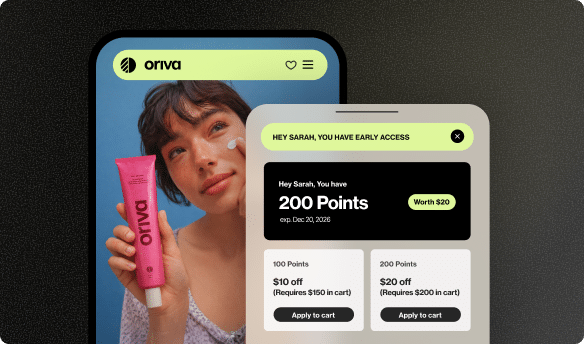
Once you’ve earned a customer’s trust, how do you keep them coming back? That’s where Yotpo Loyalty comes in! It’s all about rewarding your customers for being awesome. Think of it like a VIP club where your best customers get special perks, points for purchases, and exclusive access.
When customers feel appreciated and are rewarded for their loyalty, they become more than just buyers; they become fans of your brand. Loyal customers are your most engaged audience. They are:
- Much more likely to open and interact with your emails because they value their membership and the benefits they receive.
- Eager to hear about new rewards, points balances, or special offers available only to them.
- Highly unlikely to mark your emails as spam because they see your communications as a valued part of their loyalty experience.
Yotpo Loyalty helps businesses create these best loyalty programs that build lasting relationships. By using Yotpo’s Loyalty solutions, you not only increase repeat purchases but also cultivate an audience that genuinely wants to hear from you. This creates a positive feedback loop: loyal customers engage more, which signals to email providers that your emails are wanted, which then helps your sender reputation. It’s a win-win for everyone, boosting your ecommerce retention and overall customer experience.
By using Reviews and Loyalty together, you create a powerful cycle of trust and engagement. Happy customers who leave reviews and participate in loyalty programs are your best advocates. They provide valuable visual user-generated content that can be used in your emails, further increasing their relevance and appeal. This holistic approach ensures that your customers are always excited to hear from you, making your email campaigns more successful and your sender reputation shine.
Frequently Asked Questions About Email Reputation
It’s totally normal to have questions about something as important as your email sender reputation. Here are some common questions people ask:
What is a “spam trap”?
A spam trap is an email address that email providers use to catch spammers. These are often old, unused email addresses that have been reactivated, or completely fake addresses. If you send emails to a spam trap, it’s a huge red flag to email providers, and it can severely damage your reputation. This is why keeping your email list clean and ensuring you only send to people who have opted in is so important.
How long does it take to build a good email reputation?
Building a good reputation takes time and consistent effort. It’s not an overnight process. If you’re new to sending emails or have a low reputation, it can take several weeks or even months of good sending practices to see significant improvement. Email providers want to see a consistent pattern of positive engagement before they fully trust you.
Can my email reputation affect my marketing campaigns?
Absolutely! Your email reputation directly impacts the success of your marketing campaigns. If your emails end up in spam folders, your customers won’t see your promotions, announcements, or important updates. This means fewer opens, fewer clicks, and ultimately, less effective marketing. A good reputation ensures your messages reach your audience, helping to improve your ecommerce conversion rates and overall ecommerce advertising strategies.
How often should I clean my email list?
It’s a good idea to regularly clean your email list. Many businesses do a thorough cleaning every 3 to 6 months. However, it’s also smart to continuously monitor your bounce rates and remove hard bounces immediately. If you have inactive subscribers, consider a re-engagement campaign, and if they still don’t respond, remove them to keep your list healthy.
What happens if my reputation is really bad?
If your email reputation becomes very poor, most of your emails might go straight to spam or even be rejected completely by email providers. This can make it nearly impossible to communicate with your customers via email. In severe cases, you might even need to change the domain you send emails from, which is a big hassle. That’s why prevention and proactive monitoring are key!
For more general questions about improving your customer experience and engagement, you might find answers in the Yotpo FAQs section.
So there you have it! Your email sender reputation is like a crucial report card that determines whether your messages get seen or lost. By focusing on getting permission, sending valuable content, keeping your lists clean, and using tools like Yotpo Reviews and Loyalty to build strong customer relationships, you can ensure your email reputation stays sparkling. This means more happy customers, more successful campaigns, and a stronger brand overall. It’s all about building trust, and that’s something email providers and customers truly appreciate!










 Join a free demo, personalized to fit your needs