








What is an E-commerce Platform?
Imagine you want to open a shop, but instead of a building with walls and a roof, your shop exists completely online! That’s exactly what an e-commerce platform helps you do. It’s like a special software or a set of tools that lets businesses build an online store, show their products, take money from customers, and manage all their orders. Think of it as the digital foundation for selling things on the internet.
This amazing technology makes it possible for stores to reach people all over the world, without needing a physical location on a busy street. It helps businesses, big and small, open their doors (or rather, their website!) to anyone with an internet connection. It’s a game-changer for how we buy and sell today.
How an E-commerce Platform Works: Your Digital Shop Manager
So, how does this digital shop manager actually work? Well, an e-commerce platform handles many different jobs, just like a helpful assistant for your online business. It’s designed to make selling online smooth and easy for both the seller and the buyer.
Here’s a simple breakdown of what it does:
* Shows Off Your Products: It gives you a way to list all your items with pictures, descriptions, and prices. Think of it as your digital display shelves.
* The Shopping Cart: When a customer likes something, they can add it to their virtual shopping cart. The platform keeps track of everything they want to buy.
* Takes Payments Safely: This is super important! The platform connects with banks and payment services to securely take money from your customers using credit cards, PayPal, or other methods.
* Manages Orders: After a customer buys something, the platform records the order, tells you what to ship, and helps you keep track of where everything is going.
* Keeps Customer Info Organized: It can create accounts for your customers, so they don’t have to type in their address every time they shop. This makes repeat buying a breeze.
Essentially, an e-commerce platform takes care of all the tricky technical parts of running an online store, so businesses can focus on making great products and keeping their customers happy. It’s the engine behind every click, every cart addition, and every successful online sale.
Key Features of an E-commerce Platform
E-commerce platforms come packed with features designed to make online selling efficient and effective. Not every platform has *all* these features, but these are some of the most common and important ones you’ll find. Understanding them helps you see just how powerful these tools are.
Product Catalog Management
This is where you organize all your items. You can add new products, update old ones, change prices, and even group similar products together. Imagine a giant digital spreadsheet that also lets you upload beautiful photos and write compelling descriptions for everything you sell. Good platforms let you easily manage thousands of products.
Shopping Cart and Checkout
This is the heart of the buying process. A good shopping cart should be easy for customers to use. They should be able to add items, remove them, change quantities, and see the total cost clearly. The checkout process needs to be simple and secure, guiding customers quickly from their cart to a completed purchase. If it’s too complicated, people might leave without buying!
Secure Payment Processing
Taking money online needs to be safe for both the buyer and the seller. E-commerce platforms integrate with payment gateways like Stripe or PayPal to handle transactions. They encrypt sensitive information, meaning they scramble it up so no one else can read it, keeping credit card details safe. This builds trust with your customers.
Order Management and Fulfillment
Once a customer buys something, the platform helps you manage that order. It tells you what was purchased, where it needs to go, and when it needs to be shipped. Some platforms even help you print shipping labels or connect with delivery services. It’s like a digital command center for all your outgoing packages.
Customer Accounts and Data
Many platforms allow customers to create their own accounts. This means they can save their shipping address, view past orders, and even create wish lists. For businesses, this helps keep track of who is buying what, which can be super useful for understanding customer habits and offering them more of what they love.
Marketing and Sales Tools
Beyond just selling, platforms often include tools to help businesses attract more customers. This might include:
* Search Engine Optimization (SEO): Helping your products show up higher in search results when people look for them.
* Discount Codes: Allowing you to offer sales and promotions.
* Email Marketing Integrations: Connecting with services to send newsletters or special offers.
* Reporting and Analytics: Showing you how well your store is doing, what’s popular, and where your customers come from. This helps you make smart decisions about your business.
These tools are crucial because simply having an online store isn’t enough; you also need to attract people to it and encourage them to buy.
Types of E-commerce Platforms
Not all e-commerce platforms are built the same way. They come in different types, each with its own advantages and best uses. Knowing the difference can help a business decide which one is right for them.
Hosted Platforms (SaaS)
Think of hosted platforms as renting a fully-furnished apartment. You don’t own the building, but you get a great space, and someone else takes care of all the maintenance, security, and updates. These are often called “Software as a Service” (SaaS).
* Pros: Very easy to use, quick to set up, no need for technical skills, all updates and security are handled for you. You just pay a monthly fee.
* Cons: Less control over the underlying code, might have limitations on customization, you rely on the platform provider for everything.
* Best for: Small to medium businesses, beginners, or anyone who wants a straightforward solution without getting bogged down in technical details.
Self-Hosted Platforms (Open Source)
This is like owning your own house. You have complete control over everything, from the foundation to the paint color, but you’re also responsible for all the upkeep, repairs, and security. Open-source platforms mean the underlying code is freely available, and you host it on your own web server.
* Pros: Unlimited customization, complete control over every aspect of your store, no recurring monthly fees for the software itself (though you’ll pay for hosting and development).
* Cons: Requires technical knowledge (or hiring developers), you’re responsible for security, updates, and maintenance, can be more complex to set up.
* Best for: Larger businesses with unique needs, those with in-house technical teams, or businesses that need very specific custom features.
Headless E-commerce
This is a newer, more advanced type. Imagine a normal online store where the “front” (what customers see) and the “back” (where products and orders are managed) are tightly connected. In headless e-commerce, these two parts are separated. The “back-end” manages all the products, orders, and customer data, but the “front-end” can be anything: a website built with a special tool, a mobile app, even a smart mirror!
* Pros: Incredible flexibility to create unique customer experiences on any device, faster performance, highly scalable.
* Cons: Much more complex to set up and manage, requires skilled developers, usually more expensive.
* Best for: Large enterprises, innovative brands, or businesses that need to deliver content to many different types of platforms and devices.
Each type serves different business needs, but they all share the goal of enabling online selling.
Why Do Businesses Need an E-commerce Platform?
You might be wondering, “Why bother with an e-commerce platform when you could just sell things on social media?” While social media is great for showing off products, an e-commerce platform provides a stable, professional, and powerful base for selling. Here’s why businesses absolutely need one:
* Reach a Wider Audience: An online store is open to anyone with internet access, no matter where they are. This means a tiny shop in one town can sell to customers across the country or even around the world. It breaks down geographical barriers.
* Always Open for Business: Unlike a physical store that closes at night, an e-commerce store is open 24 hours a day, 7 days a week, 365 days a year. Customers can shop whenever it’s convenient for them, which means businesses can make sales even while they sleep!
* Easier Management of Sales: Platforms automate many tasks like calculating taxes, processing payments, and managing inventory. This saves businesses a lot of time and effort that would otherwise be spent on manual tasks.
* Scalability for Growth: As a business grows, an e-commerce platform can grow with it. Whether you add more products, handle more orders, or get more customers, the platform can usually handle the increased demand without requiring a complete rebuild.
* Detailed Insights: These platforms often come with powerful analytics tools. Businesses can see what products are popular, where their customers come from, and how well their marketing efforts are working. This data is super valuable for making smart decisions.
* Professionalism and Trust: A dedicated online store looks much more professional than selling through informal channels. It builds trust with customers, making them feel safer and more confident about making a purchase.
* Cost-Effective in the Long Run: While there’s an initial setup or monthly fee, running an online store can often be cheaper than maintaining a physical storefront with rent, utilities, and more staff.
In short, an e-commerce platform isn’t just a “nice-to-have”; it’s a fundamental tool that empowers businesses to thrive in the modern digital marketplace.
Making Your E-commerce Store Shine: Beyond the Basics
Having an e-commerce platform is like having a sturdy car. It gets you from point A to point B. But to make that car stand out, perform exceptionally, and provide an amazing ride, you need special enhancements. In the world of e-commerce, these enhancements often come from smart tools that improve the customer experience and build lasting relationships. Two incredibly powerful tools that boost any online store are customer reviews and loyalty programs.
Let’s dive into how these special tools, like those offered by Yotpo, take an e-commerce store from good to great.
The Power of Customer Voices: Reviews and Ratings
Imagine walking into a store and seeing what other shoppers thought of a product right there on the shelf. That’s essentially what product reviews do for an online store! They are comments, ratings, and feedback that customers leave after buying and using a product.
Why do they matter so much?
* Building Trust: When new customers see that other people have bought and loved a product, they feel more confident about buying it themselves. It’s like getting a recommendation from a friend.
* Helping Decisions: Reviews often answer questions that product descriptions might miss. People share their real-world experiences, helping others decide if a product is right for them.
* Valuable Feedback for Businesses: Businesses learn what customers like and dislike, which helps them improve their products and services.
This is where a dedicated solution like Yotpo Reviews comes in. It’s designed to make it easy for businesses to gather, display, and use customer feedback on their e-commerce site.
With Yotpo Reviews, a business can:
* Ask for Reviews: It helps send friendly messages to customers after they’ve bought something, asking them to share their thoughts. This is a smart way to get more feedback. Learn how to ask customers for reviews.
* Show Them Off: The platform makes it simple to display reviews beautifully on product pages, making them easy for shoppers to see and read. This includes star ratings, written comments, and even pictures or videos from customers! These are often called User-Generated Content (UGC), which is incredibly powerful. Explore visual UGC.
* Use Reviews Everywhere: Reviews aren’t just for your website. Yotpo helps businesses get their seller ratings to show up on Google, which can attract more people to their store from search results. It also helps manage ecommerce product reviews across various platforms, even for popular platforms like Shopify.
By using a strong review system like Yotpo Reviews, businesses can harness the authentic voices of their customers to build trust, help shoppers make confident choices, and ultimately sell more. It’s a key piece of the puzzle for any successful online store.
Keeping Customers Happy: Loyalty Programs
Once a customer makes a purchase, what’s next? You want them to come back! That’s where loyalty programs shine. A loyalty program is like a special club for your best customers, where they earn rewards for continuing to shop with you. Think of it like a punch card at your favorite ice cream shop – buy ten, get one free!
Why are loyalty programs so effective?
* Encourage Repeat Business: When customers know they’ll get rewarded for shopping again, they’re much more likely to return to your store instead of going to a competitor.
* Build Relationships: Loyalty programs help businesses connect with their customers on a deeper level, making them feel valued and appreciated. It’s about more than just transactions; it’s about building a community.
* Increase Spending: Customers in loyalty programs often spend more because they’re trying to reach the next reward level or take advantage of special offers.
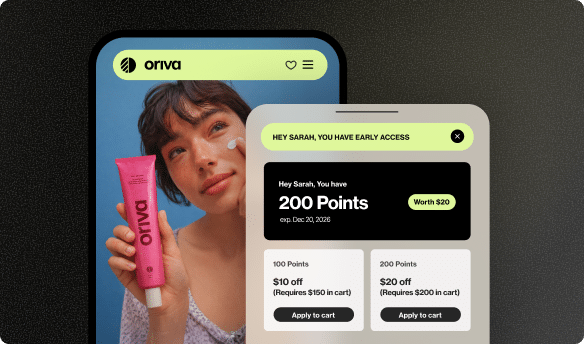
Yotpo Loyalty is a powerful solution that helps businesses build and manage these rewarding programs. It goes beyond simple points systems to create engaging experiences.
With Yotpo Loyalty, a business can:
* Create Fun Ways to Earn Points: Customers can earn points not just for buying, but also for things like referring friends (referral codes are great for this), celebrating their birthday, or even leaving reviews! This makes earning rewards enjoyable.
* Offer Exciting Rewards: Businesses can set up different types of rewards, like discounts, free shipping, or exclusive access to new products. See some of the best loyalty programs.
* Personalize the Experience: The platform helps businesses tailor rewards and messages to individual customers, making each person feel special and understood. Discover use cases for loyalty.
* Boost Customer Retention: Keeping existing customers is often cheaper than finding new ones. Loyalty programs are a fantastic way to improve e-commerce retention and ensure people keep coming back.
Yotpo Loyalty offers the tools to design an enterprise loyalty program that not only rewards purchases but also builds a lasting connection with customers, turning one-time shoppers into lifelong fans.
The Magic of User-Generated Content (UGC)
Remember how we talked about reviews and pictures from customers? That’s what we call User-Generated Content, or UGC. It’s any content – photos, videos, reviews, social media posts – created by real people, not by the brand itself.
UGC is like super fuel for your e-commerce store because it’s authentic. When people see other real people enjoying a product, they trust it more. Yotpo helps businesses gather and use all this amazing content. For example, customers can easily share photos of themselves using products, and these can then be displayed on the store’s website. This creates a vibrant, trustworthy shopping experience that encourages more sales. Dive deeper into what UGC is and how visual UGC can reinvent your store.
Think about it: A picture of a shirt on a model is nice, but a picture of a real customer looking happy in that shirt? That’s powerful!
Choosing the Right E-commerce Platform for Your Business
Deciding which e-commerce platform to use is a big decision for any business. It’s like choosing the right type of vehicle for a long journey. You wouldn’t use a bicycle for a cross-country trip, nor a huge truck just to go around the block! Here are some key things to consider:
| Consideration | What to Think About |
|---|---|
| Business Size & Goals | Are you just starting out with a few products, or are you a large brand selling thousands of items globally? Your platform needs to grow with you. |
| Budget | How much can you afford for monthly fees, transaction costs, design, and development? Some platforms are cheaper to start but might cost more as you add features. |
| Technical Skills | Do you have a tech-savvy team, or do you need something super easy to use that doesn’t require coding knowledge? |
| Features Needed | Do you need basic selling, or advanced tools like multiple languages, international shipping, or complex pricing rules? Make a list of your “must-haves.” |
| Scalability | Can the platform handle more products, more customers, and more sales as your business grows? You don’t want to outgrow your platform quickly. |
| Integrations | Can it easily connect with other tools you use, like accounting software, shipping services, or powerful solutions like Yotpo Reviews and Yotpo Loyalty? |
| Ease of Use | How simple is it to add products, manage orders, and make changes to your store? A user-friendly platform saves a lot of time and frustration. |
Taking the time to think through these points will help a business select a platform that fits their current needs and supports their future growth. It’s an investment that pays off by making online selling smoother and more successful.
The Future of Online Shopping
The world of e-commerce is always changing and growing! What we see today might look very different in just a few years. Think about how much things have changed already since online shopping first began. Here are some exciting trends that are shaping the future:
* Personalization: Imagine a store that knows exactly what you like and shows you products tailor-made for you. E-commerce platforms are getting smarter at offering a unique shopping experience to each customer, making shopping feel more personal and less like browsing a giant catalog.
* Mobile Shopping (M-commerce): More and more people are shopping on their phones and tablets. Future platforms will be even more focused on making the mobile shopping experience incredibly fast, easy, and fun.
* Social Commerce: Buying things directly from social media apps like Instagram or TikTok is becoming huge. E-commerce platforms are making it simpler for businesses to integrate their stores with social media, letting customers discover and buy products without ever leaving their favorite app.
* Voice Commerce: Imagine telling your smart speaker, “Order more of my favorite coffee.” Voice-activated shopping is still growing, but it holds great potential for future convenience.
* Augmented Reality (AR): Some stores now let you “try on” clothes or “place” furniture in your room using your phone’s camera. This technology helps customers visualize products better before buying, reducing guesswork.
These advancements show that e-commerce platforms will continue to evolve, making online shopping even more convenient, interactive, and exciting for everyone.
Conclusion
So, what is an e-commerce platform? It’s much more than just a website. It’s the entire digital engine that powers online stores, letting businesses reach customers around the globe, manage their products and orders, and process payments securely. From small hobby shops to huge international brands, these platforms provide the foundation for selling anything online.
But having a platform is just the beginning. To truly stand out and build a thriving online business, smart companies understand the need to enhance their store with powerful tools that build trust and customer loyalty. This is where solutions like Yotpo Reviews and Yotpo Loyalty come into play. Yotpo Reviews helps businesses collect and showcase authentic customer feedback, building credibility and helping new buyers make confident decisions. And Yotpo Loyalty empowers businesses to create engaging programs that reward customers, encourage repeat purchases, and foster lasting relationships.
Together, a robust e-commerce platform and specialized tools like Reviews and Loyalty create a complete ecosystem where businesses can not only sell products but also build communities, earn trust, and keep customers coming back for more. The future of shopping is online, and these powerful platforms and integrated solutions are making it more accessible, exciting, and successful than ever before.










 Join a free demo, personalized to fit your needs