








What is a Network Effect?
Imagine a super cool toy. You show it to your friend, and they love it! Soon, everyone wants one. The more kids who have the toy, the more fun it becomes because you can all play together. This is like a network effect: when something gets better or more useful as more people use it. It’s a powerful idea, especially for online stores and businesses that want to grow big and connect with lots of customers.
It’s not magic, but it certainly helps things grow! Think of it like a tiny seed that grows into a big tree because it keeps getting stronger with every new leaf and root. The network effect works similarly by making products or services more valuable as more people join in.
Understanding the Network Effect
At its heart, a network effect happens when the value of a product or service increases for every single user because other people are also using it. It’s a bit like a team sport – the more players you have, the more exciting and effective the game becomes for everyone involved.
Let’s use a simple example: a phone. If you were the only person in the entire world with a phone, it wouldn’t be very useful, would it? You’d have no one to call! But when many, many people have phones, its value jumps way up. Now you can talk to your family, your friends, and even order food! The more people on the phone network, the more valuable a phone becomes to everyone who owns one. That’s a clear example of a network effect.
This idea helps us understand how many everyday things, from chat apps to online games, grow from small beginnings to become incredibly popular. It’s all about how connections make the whole system better for everyone.
Direct vs. Indirect Network Effects
Not all network effects work in exactly the same way. We can think about two main kinds:
- Direct Network Effects: This is the most straightforward type. It means the value for a user goes up directly with the number of other users. Our phone example fits perfectly here. The more people who use a particular chat app, the more reasons you have to use that same app to talk to them. More users mean more communication possibilities, which means more usefulness for everyone.
- Indirect Network Effects: These are a little more complex but still easy to understand. Here, the value for users increases because more people are using a *related* product or service. Consider video game consoles. The more people who buy a specific game console, the more game creators will want to make cool new games for that console. And the more games there are, the more people will want to buy the console itself! It’s a two-way street where growth on one side helps the other side grow too.
Both types of network effects show how things can grow by themselves once they get a good push. It’s like starting a chain reaction where everyone benefits from others joining in.
Everyday Examples of Network Effects
Network effects are all around us, even if we don’t always spot them!
- Social Media: Imagine a brand-new social media app. If only a few people signed up, you probably wouldn’t bother joining, right? There’d be nobody to connect with! But when millions of people are on platforms like Instagram or TikTok, it becomes super valuable because you can follow so many different people, see what they’re doing, and share your own adventures. More users mean more content and more connections, making the platform more valuable to everyone.
- Online Marketplaces: Think about websites where people buy and sell items, like Etsy. If only a few people listed things for sale, shoppers wouldn’t find much. And if only a few people were shopping, sellers wouldn’t bother listing their items! But when lots of sellers put their products online, more shoppers come looking. And when lots of shoppers are looking, more sellers want to join. It’s an indirect network effect where both sides help each other thrive.
- Credit Cards: Years ago, not many shops accepted credit cards, so having one wasn’t always handy. But as more people got credit cards, more stores started accepting them. And as more stores accepted them, more people wanted to get credit cards. Now, you can use your card almost anywhere!
You can see how this “more people means more value” idea really helps things take off. It’s not just about how many people use something, but how that usage makes the experience better and more valuable for everyone involved.
Why are Network Effects Important for Businesses?
For businesses, especially those that sell products online, understanding network effects is like having a secret tool for growth. It’s not just about selling a product once; it’s about creating a system where your product or service naturally gets better and attracts more users simply because it already has users.
How They Help Businesses Grow
Imagine you start a small online shop selling amazing handmade hats. At first, only a few people know about your shop. But if your first customers love their hats, they might tell their friends. And if their friends buy hats and love them too, they’ll tell even more friends! This word-of-mouth sharing is a simple form of a network effect. The more happy customers you have, the more new customers you’re likely to attract without always spending a lot on ads.
Businesses love network effects because they can lead to very fast growth. Instead of needing to spend a lot of money on advertising all the time, a business can grow because its existing customers are making it more appealing for new customers to join. This means more sales and a stronger business overall. This kind of growth is especially powerful in the world of e-commerce. When people are trying to decide what to buy online, they often look at what other people are doing or saying. This brings us to things like the consumer decision-making process, where the influence of others plays a huge role.
The ‘Snowball Effect’
Have you ever seen a snowball roll down a hill? It starts small, but as it rolls, it picks up more snow and gets bigger and bigger, faster and faster. That’s exactly what happens with a strong network effect.
Once a product or service reaches a certain point—where enough people are using it—it becomes almost impossible to stop its growth. More users make it more useful, which attracts even more users, which makes it even more useful, and so on. It’s a positive circle that just keeps building on itself. This snowball effect is why some online stores or apps become so popular so quickly. They hit that point where their users start doing the marketing for them, simply by being part of the network and making it more appealing for others. It’s a very smart way to grow a business, as new customers arrive partly thanks to the existing ones.
Network Effects in Online Shopping
Online shopping is a perfect place to see network effects in action. When you’re buying something on the internet, you can’t always touch it or try it on. So, what do you do to decide if it’s good? You look at what other people think!
How Reviews Create Network Effects
Imagine two toy stores online. One has no reviews for its toys. The other has thousands of reviews, with lots of happy kids and parents talking about how great the toys are. Which store would you trust more? Most likely, the one with all the positive reviews!
This is a huge network effect. When customers leave product reviews, they aren’t just helping the business; they’re helping other shoppers. The more reviews a product has, the more trustworthy and popular it seems. This encourages more people to buy it, and in turn, more of those new buyers might leave reviews themselves. It’s a wonderful cycle!
A business that uses a best-in-class reviews platform, like Yotpo Reviews, helps create this effect. When it’s easy for happy customers to share their thoughts, it builds trust and excitement around products. This trust then brings in even more new customers. It’s like having a giant group of friends recommending your favorite snack – everyone wants to try it! Think about how many times you’ve checked out e-commerce product reviews before buying something. You’re part of that network effect, both as a person who reads reviews and, hopefully, as someone who writes them!
The Power of Loyalty Programs
Another fantastic way online stores use network effects is through loyalty programs. These programs reward you for shopping repeatedly with a store. Maybe you get points for every purchase, which you can then use for discounts or special gifts.
How does this create a network effect? Well, when you’re part of a great loyalty program, you might tell your friends about it. “Hey, check out this store! I get free stuff because I shop there all the time!” Your excitement and the rewards you get make the store more attractive to your friends. They join, they get rewards, and they might tell their friends too.
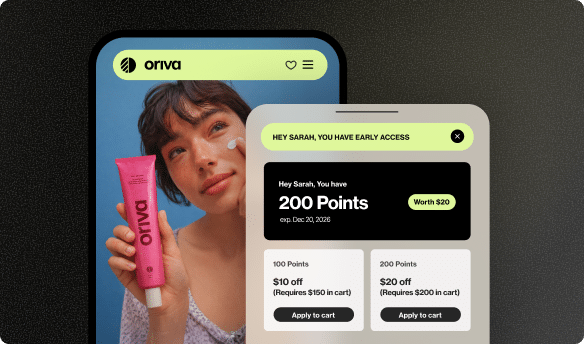
A powerful loyalty software helps businesses create these exciting programs. It encourages people to stick with a brand, and these loyal customers become brand fans, helping to spread the word. This makes the loyalty program, and the brand itself, more valuable for everyone involved, both existing members and new ones. The more members a loyalty program has, the more perks and recognition it can offer, making it even more appealing. This is a smart way for businesses to build a community of shoppers who aren’t just buying products but are also part of something special. You can even see examples of the best loyalty programs in action and how they use this strategy.
User-Generated Content (UGC) as a Network Effect Engine
Have you ever seen a picture online of someone wearing a cool shirt, and then you want that shirt too? Or maybe a video of someone using a new gadget, and you think, “I need that!” That’s User-Generated Content (UGC) at work.
UGC is basically any content – pictures, videos, comments, stories – created by everyday people, not by the brand itself. When customers share their experiences with a product online, it creates a powerful network effect. The more real people who share their authentic experiences, the more trustworthy and exciting a brand or product appears.
Think about someone posting a beautiful photo of themselves wearing a dress they bought from an online store. That photo is UGC. Other people see it and think, “Wow, that dress looks great on a real person!” This encourages them to visit the store, and maybe even buy the dress. If they love it, they might post their own photo, continuing the cycle. Tools that help businesses gather and showcase visual UGC are vital for this. They allow brands to turn their customers’ amazing photos and videos into powerful marketing tools. This makes the brand more popular, more trusted, and ultimately, more valuable, as more people are influenced by the shared experiences of others. It’s like a giant online show-and-tell, where everyone’s sharing their favorite things!
Building Your Own Network Effect: Tips for Businesses
So, if network effects are so powerful, how can businesses make them work for them? It’s all about making it easy and fun for people to join in and share their positive experiences.
Here’s a table showing how different actions can build these effects:
| Action | How it creates a Network Effect |
|---|---|
| Collecting Reviews | More reviews build trust, encouraging more purchases, which leads to more reviews. |
| Running Loyalty Programs | Happy, rewarded customers spread the word, attracting new members who also become loyal. |
| Encouraging UGC | Customer photos/videos show real use, inspiring others to buy and share their own content. |
| Implementing Referral Programs | Existing customers bring in new ones, making the brand’s community grow organically. |
Encouraging Reviews and Feedback
The first step for many online stores is to actively ask for customer thoughts. People are often happy to share, but they might need a little nudge. Businesses can do this by:
- Sending friendly emails after a purchase, asking customers to leave a review.
- Making the review process super simple and quick, maybe just a few clicks.
- Sometimes offering a small thank you, like a discount on a future purchase, for sharing feedback.
A good reviews system, like Yotpo Reviews, makes this process smooth for both the customer and the business. Learning how to ask customers for reviews in the right way can really boost the number of reviews a product gets, feeding that positive network effect. More reviews mean more trust, more sales, and more people sharing their opinions.
Businesses that actively collect and display reviews often see a big jump in sales. This is because people trust what other customers say much more than what a brand says about itself. Those glowing reviews act like little magnets, pulling in new shoppers.
Making Loyalty Programs Exciting
Just having a loyalty program isn’t enough; it needs to be engaging and rewarding for customers. Businesses can:
- Offer different levels of rewards, so the more someone shops, the better the perks they get.
- Give points for things other than just buying, like sharing on social media or leaving a review.
- Make the rewards feel special and exclusive, like early access to new products or special discounts.
With a top-tier loyalty software, businesses can design programs that truly excite customers and turn them into brand champions. When customers feel valued, they are more likely to return and tell others. This creates a strong network of loyal shoppers who are not only repeat customers but also powerful advocates for the brand. You can explore some of the best loyalty programs to get ideas on how to make them truly shine.
Referral Programs
Do you remember when we talked about telling your friends about something cool? That’s the idea behind referral programs. Businesses give existing customers a special code or link to share with their friends. When a friend uses that code to make a purchase, both the existing customer and the friend get a reward (like a discount!).
This is a direct network effect at its best! Customers are motivated to bring new people into the network, and the new people get a benefit for joining. It’s a win-win situation that helps a business grow its customer base rapidly, fueled by trust between friends. It’s an effective part of word-of-mouth marketing. Building a successful referral program means thinking about what motivates your customers and making it easy for them to share their unique codes.
Creating a Community
Beyond just buying and selling, businesses can foster a sense of community around their brand. This might involve:
- Creating online forums or groups where customers can chat about products, share tips, and connect with each other.
- Hosting online events or workshops related to their products.
- Encouraging customers to share their stories and experiences.
When people feel like they’re part of a community, they become more invested in the brand. This deeper connection means they are more likely to stay loyal, make repeat purchases, and enthusiastically recommend the brand to others. It turns customers into fans and friends, creating a network that’s strong and lasting. This is a key part of word-of-mouth marketing.
The Power of Community and Sharing
At its core, the network effect is about people and their connections. It’s about how sharing, trusting, and interacting can make things better for everyone involved. In the world of online shopping, this power is huge.
How People Influence Each Other’s Choices
We’ve all experienced it: seeing a friend with a cool new gadget, hearing about an amazing movie, or reading glowing reviews for a new game. These experiences influence us! Our decisions, especially when shopping online, are heavily shaped by what our friends, family, and even strangers are saying and doing. This is part of the consumer decision-making process, where social proof and recommendations are super important.
When a product has a strong network effect, it means that positive experiences are being shared and multiplied. One happy customer’s story can inspire dozens more to try something new. This isn’t just good for sales; it builds a vibrant, engaged customer base.
The Long-Term Benefits
For businesses, building strong network effects leads to incredible long-term benefits. It means:
- More Customers: New people are constantly drawn in by the growing community and positive buzz.
- Happier Customers: People feel more confident buying when they see others loving a product, and being part of a loyalty program or community makes them feel special.
- Lasting Relationships: Customers who feel connected to a brand and its community are much more likely to stick around for a long time. This is all about customer retention – keeping those valuable customers coming back.
It’s about turning a simple transaction into a lasting relationship, building trust and value that grows with every new person who joins the network. This creates a sustainable way for businesses to thrive, not just for a short time, but for many years to come.
Measuring Success with Network Effects
So, how do businesses know if their network effects are working? They look at how quickly new customers are joining, how often existing customers are coming back, and how much they are sharing their experiences.
Businesses use tools and strategies to track these things. For example, they might look at how many new reviews they get each week, or how many people sign up for their loyalty program. They also pay attention to things like e-commerce conversion rate – how many visitors turn into buyers – because a strong network effect often means more people are convinced to buy.
Yotpo helps businesses see and understand these powerful effects. For instance, with a review calculator, a business can get an idea of how much value reviews are bringing them. Looking at case studies and success stories can show real-world examples of how brands have grown using these strategies. These insights help businesses keep making their customer experience better, which in turn strengthens their network effects even more.
When businesses focus on building strong reviews and loyalty programs, they are not just selling products; they are building powerful networks where every customer adds value for the next. This is the true magic of the network effect!










 Join a free demo, personalized to fit your needs