









Welcome to the World of Deferred Revenue!
Imagine you’re at your favorite toy store, and for every dollar you spend, you get special “points.” These points aren’t just for fun; they’re like a promise from the store. They’re saying, “Keep shopping with us, and these points will get you cool discounts or even free toys later!” Sounds great, right?
For the toy store, those points are a little bit like money they’ve received, but haven’t “earned” yet. Why? Because they still need to deliver on their promise – give you that discount or free toy. This idea, where a business gets money or makes a promise for something they will deliver in the future, is called deferred revenue.
It’s a super important concept for any business, especially those with awesome loyalty programs, just like the ones you can build with Yotpo Loyalty. Let’s break down this financial puzzle piece by piece, making it easy to understand even if you’re just starting to learn about how businesses work.
What Exactly is Deferred Revenue? Imagine a Rain Check!
Think about a time when you bought a movie ticket for a show next week. You paid for it today, but you haven’t watched the movie yet. The movie theater has your money, but they haven’t provided the “movie watching service” yet. From their side, that money is deferred revenue. It becomes real “revenue” (money they’ve fully earned) only after you’ve sat in the theater and enjoyed the film.
Another way to think about it is a “rain check.” If you buy an item on sale, but the store runs out, they might give you a rain check. That rain check is a promise that you can buy the item at the sale price later. The store has made a commitment to you. Similarly, with deferred revenue, a business has made a commitment to provide a service or product in the future, even if they’ve already received some payment for it.
It’s all about timing. Businesses follow special rules to know when to count money as “earned.” If they get money upfront for something they still have to do, that money sits in a special account called deferred revenue until the work is done. This makes sure their financial reports are super accurate.
Loyalty Programs and Deferred Revenue: A Perfect Match
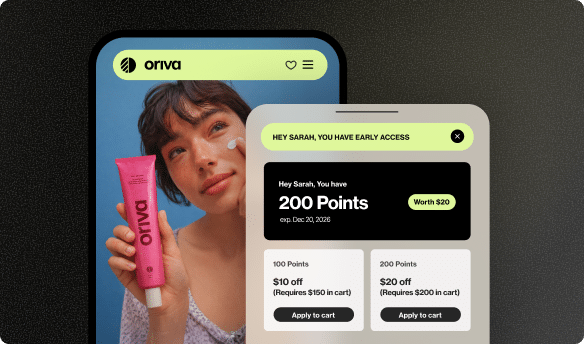
This is where loyalty points come into our story! Many amazing brands use loyalty programs to thank their customers and encourage them to keep coming back. With a platform like Yotpo Loyalty, businesses can create exciting ways for you to earn points.
When a customer earns points, let’s say by buying a cool new gadget, the company hasn’t actually given them anything in return for those specific points yet. They’ve given them the gadget, yes, but the *value* of the points is still a future promise. Those points represent a future discount or reward. Because the company still owes the customer that future reward, the value of those points is treated as deferred revenue on their books.
Loyalty programs are fantastic for building strong customer relationships and encouraging repeat purchases. When customers feel valued and see rewards accumulating, they’re more likely to stick around. Businesses that understand and manage their loyalty points correctly, often with the help of best-in-class software, can keep their finances neat and their customers happy. For more insights on building strong loyalty, check out how top loyalty programs operate.
How Points Become Money on the Books (Even Before They’re Spent!)
Let’s use an example. Imagine a clothing store has a loyalty program where every $100 spent earns a customer 100 points, which can be redeemed for a $5 discount on a future purchase. When a customer spends $100 and earns 100 points, the store technically has a $5 “debt” or “obligation” to that customer. This $5 isn’t really a debt like owing a friend money; it’s an obligation to provide a future discount.
Until the customer actually uses those 100 points to get their $5 discount, that $5 is considered deferred revenue. The store knows they’ve made a promise, and they can’t fully count that $5 as their own earned money until the promise is fulfilled. It’s like putting a sticky note on that $5 saying, “Hold on, this isn’t fully ours yet!”
This process is super important for accountants because it ensures businesses accurately show their financial health. It prevents them from saying they’ve earned money that they still have to provide a service for. It gives a true picture of what money they truly own and what money they still have responsibilities for. Learning more about how loyalty programs contribute to customer retention is key for businesses, and you can explore this further by looking at strategies for customer retention.
The Journey of a Point: From Earning to Redemption
Every point a customer earns has its own little adventure. It starts with an action, travels through a period of waiting, and finally reaches its exciting destination: redemption!
Earning Points: The Start of the Adventure
Customers can earn loyalty points in many fun and engaging ways. It’s not just about buying things anymore! Here are some common paths points take to get into a customer’s account:
- Buying Things: This is the most common way. Every time a customer makes a purchase, they accumulate points based on how much they spend. The more they shop, the more points they gather, building up that deferred revenue for the business.
- Writing Reviews: Smart businesses encourage customers to share their thoughts and experiences. With Yotpo Reviews, brands can easily collect valuable feedback. Many loyalty programs offer points for leaving a review, especially a detailed one or one with photos. This is a brilliant way to get honest feedback and reward customers at the same time! Want to know how to ask for great reviews? Check out how to ask customers for reviews.
- Referring Friends: When a customer loves a brand so much they tell their friends, they can earn points through referral programs. This helps the business get new customers and rewards the loyal ones. Discover more about referral codes and how they work.
- Engaging on Social Media: Some programs give points for sharing content, following accounts, or even celebrating birthdays.
Each time a point is earned, it adds to the business’s deferred revenue pile. It’s a clear signal that the customer has built up a future entitlement.
What Happens When Points Are Redeemed?
This is the moment the deferred revenue transforms into actual, “recognized” revenue for the business. When a customer decides to use their hard-earned points, the business fulfills its promise.
For example, if a customer uses 100 points for a $5 discount on their next purchase, two things happen:
- The customer gets their $5 discount, making them happy!
- The business removes that $5 from its deferred revenue account and officially counts it as “earned revenue.” They’ve delivered on their promise.
Redemption isn’t always just a discount. It could be:
- Free Products: Using points to get a small item or even a major product for free.
- Exclusive Experiences: Access to special sales, early product releases, or VIP events.
- Shipping Upgrades: Using points for faster or free shipping.
The key takeaway is that deferred revenue only becomes true revenue for the business once the customer actually uses their points and the promised value is delivered. This cycle of earning and redeeming points is what keeps loyalty programs vibrant and customers engaged, driving significant value for businesses that utilize powerful tools like Yotpo Loyalty for product engagement.
Why is Deferred Revenue Important for Companies (and Customers!)?
Deferred revenue isn’t just an accounting trick; it’s a powerful concept that benefits both the business and its customers in big ways.
For Businesses: A Clearer Financial Picture
Imagine trying to plan a trip if you didn’t know how much money you actually had versus how much you’ve promised to pay for things like hotels or tours. It would be a mess! Deferred revenue works similarly for businesses:
- Accurate Reporting: It helps companies show a very honest and precise picture of their financial health. They don’t accidentally count money as “fully earned” if they still have obligations to customers. This is super important for investors, banks, and anyone looking at the company’s performance.
- Understanding Future Obligations: By tracking deferred revenue, a business knows how much value it still owes to customers in the form of future rewards. This helps them plan their budgets and operations. For example, if they have a lot of deferred revenue from loyalty points, they know many customers will eventually redeem those points, affecting future sales or costs.
- Strategic Planning: Knowing how much deferred revenue they have can help businesses make smarter decisions. It can influence marketing strategies, inventory management, and even pricing. For instance, if a loyalty program generates a lot of deferred revenue, it means customers are highly engaged, which is great for ecommerce conversion rates and overall business growth.
- Customer Retention Insight: A growing deferred revenue from loyalty points often means a growing base of loyal customers. This is a huge win for any business, as keeping existing customers is often more cost-effective than finding new ones. Effective customer experience, supported by loyalty, is crucial, as highlighted in ecommerce customer experience discussions.
For Customers: The Joy of Future Rewards
From a customer’s point of view, deferred revenue (though they might not call it that!) is all about the good stuff coming their way:
- Encourages Loyalty: Knowing you have points accumulating creates a strong incentive to return to the same brand. Why shop somewhere else when you’re so close to a great discount? This is the core of loyalty rewards program software benefits.
- Sense of Value: Points make customers feel appreciated and rewarded for their business. It adds extra value to every purchase.
- Excitement for Future Savings: It’s fun to watch your points grow and plan how you’ll use them. It turns shopping into a rewarding game!
So, deferred revenue isn’t just a boring accounting term; it’s a vital part of how modern businesses, especially those leveraging loyalty programs, manage their finances and build lasting relationships with their customers.
A Simple Table: Deferred Revenue in Action
Let’s look at a quick example to see how deferred revenue from points might work:
| Customer Action | Points Earned | Loyalty Value (Deferred Revenue) | What Happens on the Books |
|---|---|---|---|
| Buys a new pair of shoes for $100 | 100 points ($5 value) | $5 | Store records $5 as Deferred Revenue |
| Writes a review for the shoes | 50 points ($2.50 value) | $2.50 | Store adds another $2.50 to Deferred Revenue |
| Refers a friend who makes a purchase | 200 points ($10 value) | $10 | Store adds $10 to Deferred Revenue |
| Total Points Accumulated | 350 points | $17.50 | Total Deferred Revenue: $17.50 |
| Customer redeems 350 points for a $17.50 discount | 0 points (redeemed) | $0 | Store moves $17.50 from Deferred Revenue to Recognized Revenue |
As you can see, the deferred revenue builds up as points are earned and then is “released” when the points are used. It’s a clear way for businesses to track their promises.
Deferred Revenue vs. Recognized Revenue: What’s the Difference?
This is a super important distinction in the world of business money!
- Recognized Revenue: This is money a business has fully earned. They’ve delivered the product or service, and they don’t owe the customer anything else for that specific payment. It’s truly “their” money to count. If you buy a cookie and eat it, the cookie shop has recognized the revenue from your purchase.
- Deferred Revenue: As we’ve learned, this is money a business has received (or an obligation they’ve taken on, like loyalty points), but they still have something to do for the customer in the future. They haven’t fully “earned” it yet because they still have a promise to keep. It’s like money that’s waiting in a special holding area until the job is done.
The main difference is when the “earning” actually happens. With deferred revenue, the cash might be in hand (or the obligation established), but the earning comes later when the service or product related to that payment or obligation is delivered. This detailed tracking is part of what allows a company to accurately show its financial position and contributes to its ecommerce growth model.
The Role of Yotpo Reviews and Loyalty in Managing Points
For businesses, managing loyalty points and their associated deferred revenue can seem complex. This is where specialized tools like Yotpo’s products become incredibly valuable. They help businesses not only create amazing customer experiences but also handle the underlying mechanics smoothly.
Yotpo Loyalty: Your Loyalty Point Manager
Yotpo Loyalty is a best-in-class platform designed to help businesses build, manage, and grow their loyalty programs. Think of it as the ultimate organizer for all those points and rewards.
- Easy Program Setup: Businesses can easily decide how customers earn points (like for purchases, reviews, or referrals) and what rewards they can get. This directly impacts the creation of deferred revenue.
- Automated Tracking: Yotpo Loyalty automatically tracks every point earned and redeemed by every customer. This is crucial for correctly identifying and managing the deferred revenue associated with those points. It helps businesses understand their obligations and when they transition to recognized revenue.
- Customer Engagement: The platform also helps businesses communicate with customers about their points, encouraging them to engage and redeem their rewards. This cycle of engagement and redemption is key to realizing the value of deferred revenue and fostering long-term loyalty. Businesses, whether small or large, can benefit from a robust loyalty program that truly drives value.
By using Yotpo Loyalty, businesses can create vibrant communities of loyal customers while also keeping their financial records accurate and compliant, turning deferred revenue into a strategic asset.
Yotpo Reviews: Fueling Point Earning and Trust
Yotpo Reviews is a leading platform that helps businesses collect, manage, and display customer reviews and user-generated content (UGC). While not directly about deferred revenue, it plays a powerful supporting role, especially when integrated with loyalty programs.
- Points for Reviews: Many businesses choose to reward customers with loyalty points for writing reviews. This is a brilliant synergy! As customers share their experiences, they earn points, which adds to the deferred revenue. This also helps businesses gather valuable social proof, as discussed in what is user-generated content.
- Building Trust, Driving Purchases: Reviews build trust and confidence in products. When customers see positive reviews, they are more likely to make a purchase. More purchases mean more opportunities to earn loyalty points, which, in turn, generates more deferred revenue for the business. This creates a positive loop: reviews drive sales, sales generate points, points drive loyalty and future sales. Want to know more? Check out ecommerce product reviews.
- Visual UGC Reinvented: Yotpo also allows businesses to collect and display visual content like photos and videos from customers. Offering points for these rich forms of content further incentivizes customers and makes the deferred revenue pool even richer, while enhancing the customer experience through compelling visuals. Explore visual UGC reinvented to see how this works.
So, while Yotpo Reviews and Yotpo Loyalty are distinct, best-in-class products, they work together beautifully. Loyalty programs define the rules for deferred revenue from points, and reviews often act as a key way for customers to earn those points, encouraging both engagement and future spending.
Common Questions About Deferred Revenue from Points
It’s natural to have questions when diving into new financial ideas! Let’s clear up some common curiosities about deferred revenue related to loyalty points.
What if points expire?
Good question! Some loyalty programs have points that expire after a certain amount of time if they aren’t used. If points expire, the business no longer has an obligation to provide a reward for those specific points. When points expire, the deferred revenue associated with them can then be “recognized” as actual revenue by the business because the promise has effectively ended. It’s like the rain check finally expiring because you didn’t use it in time.
Can points be returned?
Generally, points themselves aren’t “returned” like a product. If a customer returns an item they bought, the points they earned from that specific purchase would usually be deducted from their loyalty account. If points were deducted, the deferred revenue associated with those points would also be reduced, as the business’s obligation has decreased. Loyalty platforms like Yotpo Loyalty handle these adjustments automatically to keep everything accurate.
Is it like a gift card?
It’s similar in some ways but has important differences. When you buy a gift card, you’re paying for a specific amount of future spending, and that money is usually deferred revenue until the gift card is used. Loyalty points are often earned as a *bonus* for buying something else or engaging with the brand, rather than being directly purchased. Also, gift cards usually represent a specific cash value, while points might have a variable value depending on how they are redeemed (e.g., more value for certain rewards). However, the accounting principle for both—that the revenue is deferred until the value is delivered—is quite similar.
If you have more questions about how businesses manage customer interactions and rewards, exploring the Yotpo FAQs might give you additional insights into common practices.
Wrapping Up: Deferred Revenue – A Smart Way to Plan Ahead
So, what have we learned about deferred revenue from points? It’s a key financial concept where a business recognizes money or an obligation for loyalty points only after the customer actually uses them. It’s like a financial placeholder, ensuring that a company’s books accurately reflect its future promises to customers.
For customers, it means exciting future rewards and a feeling of being valued, encouraging them to stay loyal to their favorite brands. For businesses, it provides a crystal-clear picture of their financial health, helps them plan for future expenses, and highlights the success of their loyalty programs. Tools like Yotpo Loyalty and Yotpo Reviews play a crucial role in managing these points efficiently, from earning to redemption, ensuring both customer happiness and financial accuracy. It’s a win-win situation that builds stronger relationships and smarter businesses!










 Join a free demo, personalized to fit your needs