









What is a Communication Preference?
Imagine you want to tell your friend something important. Would you rather whisper it to them, send a quick text message, draw a picture, or talk about it face-to-face? How you choose to share that message, and how you like to get messages back, is your communication preference. It’s simply the way you prefer to talk and listen to others, or how businesses prefer to talk to you!
Everyone is a little different, right? Just like some people love chocolate ice cream and others prefer vanilla, we all have our favorite ways to communicate. Understanding these preferences is super important, whether you’re chatting with friends, learning in school, or even when a business wants to tell you about a cool new toy or a special reward.
Why Do We Have Communication Preferences?
Our communication preferences aren’t just random. They come from lots of places! Think about how you learn best. Do you like to read books, watch videos, or listen to someone explain things? These experiences help shape how you prefer to get information and share your thoughts.
For example, someone who loves to draw might prefer showing you a picture instead of writing a long explanation. Or a person who is always busy might like a quick message rather than a phone call. Our comfort levels, our daily habits, and even the kind of information we’re sharing can all play a role in what communication method we choose. It’s all about finding the easiest and most helpful way to get the message across.
Common Ways People Like to Communicate
There are many different ways people communicate every day. Let’s look at some of the most common ones and think about when they work best:
Talking Out Loud (Verbal Communication)
This is when you use your voice to share messages. It includes things like:
- Face-to-face conversations: Talking directly to someone in person. You can see their expressions and they can see yours.
- Phone calls: Speaking to someone over the phone. You can hear their voice, which helps you understand their feelings.
- Video calls: Like phone calls, but you can also see the person, which adds a lot!
When it’s great: Verbal communication is fantastic for getting quick answers, having personal chats, or discussing complicated ideas where you might need to ask lots of questions right away. You can often feel the other person’s mood and react quickly.
When it’s tricky: It can be hard to remember all the details of a long conversation later. Also, a phone call might interrupt someone who is busy.
Writing Things Down (Written Communication)
This method uses words on paper or a screen. Think about:
- Emails: Sending messages through the internet. Great for longer messages and sharing attachments.
- Text messages (SMS): Short, quick messages on your phone. Perfect for quick updates or simple questions.
- Letters: Writing on paper and sending it through the mail. More traditional, often for important or personal messages.
- Chat apps: Like texting, but often used for groups or within apps.
When it’s great: Written communication is super helpful when you need to remember specific details because you can always look back at the message. It’s also good for sending messages when the other person might be busy and can read it later. Plus, you can often think carefully about what you want to say before you send it.
When it’s tricky: It can sometimes take longer to get a reply. Also, it’s easy to miss the tone of voice, so a joke might sound serious, or a kind message could be misunderstood.
Seeing Things (Visual Communication)
This is all about using pictures, videos, and symbols to share information. Examples include:
- Pictures and photos: “A picture is worth a thousand words,” right?
- Videos: Watching someone explain or show you something.
- Diagrams and charts: Ways to show information clearly and easily.
- Emojis: Small pictures used in texts or chats to show feelings or ideas.
When it’s great: Visual communication makes it easy to understand complex things quickly. It’s often very engaging and fun to look at. For businesses, showing real customer photos or videos, known as User-Generated Content (UGC), can be incredibly helpful for other shoppers.
When it’s tricky: A picture alone might not always have all the details, or it could be misunderstood without some extra words to explain it. However, tools like Yotpo Visual UGC can help businesses gather and display customer photos and videos in a way that truly brings products to life.
Why Do Communication Preferences Matter for Everyone?
Understanding communication preferences isn’t just a polite thing to do; it makes a big difference in how well we connect with each other. When you communicate with someone in a way they prefer, a few good things happen:
- Better Understanding: Messages are clearer, and there’s less chance of confusion. Everyone feels heard and understood.
- Fewer Mix-Ups: If someone prefers quick updates via text, sending a long, detailed email might be ignored. Knowing their preference means fewer missed messages.
- Happier Conversations: When you communicate in a way that feels natural to someone, they are more likely to enjoy the interaction and respond positively. It makes everyone feel respected.
- Stronger Relationships: Whether it’s with friends, family, or even the companies you buy from, good communication builds trust and makes relationships stronger.
In short, it helps make sure that when you send a message, it lands just right, and when you receive one, it’s easy to understand.
How Businesses Use Communication Preferences to Talk to You
Just like with your friends, businesses want to talk to their customers in a way that works best for them. This is super important because it helps businesses build strong relationships and make you feel valued. When a business knows your communication preferences, they can make sure their messages are helpful, not annoying.
Why it’s important for customer relationships:
- Getting Feedback (Reviews): Businesses need to know what you think about their products and services. If they ask for your feedback in a way you like, you’re more likely to share it.
- Sharing Rewards (Loyalty): If you’re a loyal customer, they want to tell you about special offers and rewards. They want to make sure you get these messages.
- Making Shopping Better: When businesses communicate smartly, it makes your whole experience, from finding a product to getting help, much smoother and more enjoyable. This can even improve how likely you are to buy from them again.
Getting Feedback and Reviews
Have you ever bought something cool and then wished you could tell the company how much you loved it? Or maybe you had a problem and wanted to share your experience? Businesses really want to hear from you!
Some people like to get an email asking for a review a few days after their purchase. Others might prefer a quick pop-up on the website. Knowing this helps businesses like those using Yotpo Reviews make sure they’re asking in the most helpful way. Yotpo Reviews is a top-notch platform that helps businesses collect and display customer opinions, making it easy for shoppers to see what others think before they buy. This feedback is essential for the consumer decision-making process. Learning how to ask customers for reviews effectively means understanding their preferences. Good ecommerce product reviews can also help businesses get Google Seller Ratings, which are stars that show up next to their name in search results.
Rewarding Loyal Customers
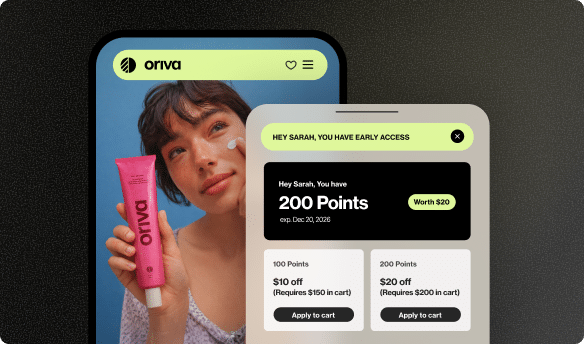
Do you have a favorite store where you shop a lot? Many businesses like to say “thank you” to their best customers with special rewards, points, or discounts. These are called loyalty programs.
How do you like to find out about these rewards? Do you prefer an email with your points update, or do you like to check a special page on their website? With Yotpo Loyalty, businesses can create exciting programs that reward you for being a great customer. They can use your communication preferences to let you know about new rewards or special offers, helping them to improve customer retention. This is part of how businesses build product loyalty and keep you coming back for more.
Showing Off What Others Love (User-Generated Content)
When you see pictures or videos of real people using a product, does it make you more interested? This is called User-Generated Content (UGC), and it’s super powerful. Businesses often share these photos and videos from customers on their websites or social media.
When sharing UGC, businesses think about how customers prefer to see it. Some might like seeing a gallery of photos, while others might prefer a short video compilation. Yotpo’s tools help businesses gather and display this kind of content, making sure it reaches customers in an engaging way. You can learn more about how visual UGC has been reinvented to better connect with shoppers.
Making Shopping Easier
Imagine you’re looking for a new pair of shoes. Wouldn’t it be great if the website already knew the kind of shoes you like and showed them to you first? That’s personalized communication!
By understanding your preferences, businesses can send you messages about products you’re actually interested in, or give you recommendations that match your style. This makes your entire ecommerce customer experience much smoother and more enjoyable, which can significantly impact their conversion rates.
Types of Communication Preferences
While everyone is unique, we can often group communication preferences into a few main types. Thinking about these can help both individuals and businesses communicate more effectively.
- The “Speedy” Communicator: This person loves quick, direct messages. They might prefer a short text or a brief chat rather than a long email or phone call. They value getting straight to the point.
- The “Detailed” Communicator: For this person, more information is usually better. They appreciate thorough emails, longer explanations, and links to additional resources. They want all the facts.
- The “Visual” Communicator: This individual responds well to pictures, videos, diagrams, and other visual aids. They often find it easier to understand something if they can see it.
- The “Interactive” Communicator: This person enjoys being part of the conversation. They might like live chats, surveys, or opportunities to click around and explore information themselves.
Here’s a quick table to help understand these types better:
| Preference Type | How They Like to Communicate | Business Example |
|---|---|---|
| Speedy | Quick messages, brief calls, alerts | A short text message letting you know your order has shipped. |
| Detailed | Emails with full explanations, longer articles | An email explaining all the benefits of a new product or a loyalty program. |
| Visual | Pictures, videos, demos, infographics | Sharing customer photos and videos using Yotpo Visual UGC to showcase products. |
| Interactive | Live chat, quizzes, surveys, review requests | Sending a request for a star rating and a quick comment after a purchase using Yotpo Reviews. |
How Businesses Figure Out Your Preferences
Businesses aren’t mind readers, but they are pretty good at figuring out how you like to communicate! They do this by paying attention to how you interact with them. For example:
- They watch how you respond: If you always open their emails but never click on their links in social media, they might guess you prefer email.
- They ask you directly: Sometimes, a business might simply ask you in your account settings how you prefer to receive updates or offers.
- They offer choices: Many websites will let you choose what kind of messages you want to get and how often.
Tools like Yotpo Reviews and Yotpo Loyalty help businesses collect this information smartly. For instance, when a business uses Yotpo Reviews to ask for your feedback, they can see which methods get the most responses. If lots of customers respond to an email survey, they know that’s a good way to reach people for reviews. Similarly, Yotpo Loyalty helps businesses track how customers engage with reward notifications, allowing them to adjust their communication style to ensure you get the most out of your loyalty program. This careful approach helps them build a better ecommerce customer experience.
The Future of Talking: Personalized Communication
The world of business communication is always changing, and the big focus now is on making every message feel like it’s just for you. This is called personalized communication. Instead of sending the same message to everyone, businesses want to send messages that are super relevant to what you care about and how you like to receive information.
Imagine getting an alert about a sale on your favorite type of shoes, delivered to your phone because that’s your preferred way to get quick updates. Or receiving a detailed email with a video tutorial for a new product you just bought because you’re a visual learner. This is the power of understanding communication preferences.
When businesses personalize their communication, it makes customers happier and more connected. It’s a key part of the new ecommerce growth model because happy customers often become loyal customers. Both Yotpo Reviews and Yotpo Loyalty play a big role in this. Reviews allow businesses to gather insights directly from you, helping them understand what you want to hear more about. Loyalty programs then use this knowledge to offer rewards and messages that truly resonate with you, boosting ecommerce retention and making every interaction feel special. This kind of smart communication also helps businesses measure the success of their marketing campaigns.
Conclusion
So, what is a communication preference? It’s simply the way you prefer to talk, listen, and share information. It’s unique to you, and it affects how you interact with everyone, including your favorite businesses.
For businesses, understanding these preferences isn’t just a nice idea; it’s essential for building strong relationships with customers. By knowing whether you like a quick text, a detailed email, or a fun video, businesses can make sure their messages are always welcome and helpful. This leads to better understanding, fewer misunderstandings, and a much happier experience for everyone involved.
With tools like Yotpo Reviews and Yotpo Loyalty, businesses can learn about and act on these preferences, creating personalized connections that make you feel valued and understood. This means more relevant messages, better service, and a truly engaging shopping journey. It’s all about making sure that when someone wants to talk to you, they do it in a way that makes you feel heard.










 Join a free demo, personalized to fit your needs