







Customer retention has become a major growth lever for DTC brands on Shopify. Paid ads keep getting pricier, so online stores lean on repeat orders and customer lifetime value to protect their margins.
That makes the loyalty software you pick more important. Your choice shapes how well you turn one-time shoppers into active members. Tiered, behavior-based reward models are now common, so this is a good time to review your retention stack.
Key takeaways
- Brands are putting money behind loyalty. A Forrester Consulting study for Zeta Global surveyed loyalty and marketing decision makers. It found that 92% plan to invest in loyalty technology or process improvements over the next 12 months.
- Loyalty programs shape spending. Deloitte reports that 72% of consumers say these programs make them more likely to spend with their preferred brand.
- Repeat buyers carry a big share of revenue. Swell’s DTC statistics roundup says returning customers drive 60% of DTC brand revenue.
- They also convert far better. The same roundup says existing customers convert at 60-70%, compared with just 5-20% for new prospects.
- Shoppers want things to be easy. Deloitte research cited by eMarketer found that 77% of Millennials name an efficient, enjoyable digital experience as a top loyalty program priority.
What makes a Shopify loyalty app worth adopting in 2026?
Points and coupons alone no longer keep shoppers engaged. Across industries, the average consumer joins eight loyalty programs but actively uses only five. That is the finding of Deloitte’s 2025 Consumer Loyalty Survey. When a program relies on plain discounts, members may drift away. Points can sit unused, and repeat business may stay flat. The gap between signing up and redeeming is easy to miss on a standard dashboard.
A repeat order is worth more over time. Sender’s roundup of repeat purchase benchmarks says repeat customers spend 3x more per visit than first-timers. The same roundup says a second purchase makes a third 45% more likely. Each extra order makes the next one easier to win. That is how steady lifetime revenue starts to build.
A modern loyalty app should handle custom earning rules, VIP tiers, and smooth redemption at checkout. It should also help you use your data. In a Forrester Consulting study for Zeta Global, only 17% of surveyed marketers said they feel very confident using their loyalty data.
Look for a platform that uses zero-party data and buying history to tailor rewards. That way, you can stop handing everyone the same coupon. Tailored rewards can give casual shoppers a reason to come back. The right app also connects cleanly to your store and your tools.
How we evaluated these loyalty apps
Picking the right tool means looking at how each platform works beyond the widget. We looked at each platform’s public product details and published plans. Then we measured each one against six criteria that matter for retention at scale:
- Earning rules. Points can be earned for orders, social actions, reviews, and custom milestones.
- VIP tiers. Programs offer different perks, early access, and spend or points thresholds.
- Redemption. Shoppers can redeem on-site and at checkout without page reloads or copied codes.
- Data and reports. Dashboards show cohort LTV, how fast points are redeemed, member share of revenue, and break-even.
- Integrations. The app works with Shopify Flow, Shopify POS, checkout extensions, and subscription tools.
- Support. Vendors offer help with strategy and setup, plus standard chat or email support.
No single app wins on every criterion, so weigh each one against your own priorities. Plans change often, so we describe each vendor’s pricing model in general terms. Yotpo’s own pricing is stated in its entry. Confirm current rates with each vendor before you decide.
Here are eleven loyalty apps, measured against those criteria. Yotpo Loyalty comes first because it pairs flexible reward rules with hands-on strategic support. Ten alternatives follow, and each one suits a specific retail use case.
The best Shopify loyalty apps
1. Yotpo Loyalty
Yotpo Loyalty is a loyalty and referrals platform for growing DTC brands and high-volume Shopify Plus merchants. Yotpo has launched thousands of loyalty programs since 2018. Its focus has been long-term customer value and the repeat orders that come with it.
Flexible reward rules come with hands-on help. Managing reward costs can be hard for an internal team to do alone. On Premium and Enterprise plans, a dedicated onboarding manager helps you launch. After that, a dedicated CSM works with you. Experts who know your vertical also review results and suggest new ideas as your program grows.
The company reports 30K+ loyalty programs launched globally. It also lists 180+ technical integration partners. For a founder weighing a long-term retention platform, that track record is a good sign.
The platform runs without code, so your team can launch, test, and adjust earning rules in real time. It includes a wide range of earning rules out of the box, and you can add custom ones. Points can reward more than orders. Social follows, birthdays, and reviews all count too. Shoppers can redeem on-site, in the cart, in email, or at checkout. If you also use Yotpo Reviews, you can award points when shoppers leave a review.
Reporting centers on clear numbers. Yotpo says you get flexible access to your own metrics. That helps your team judge a program by what it actually returns.
If you already run a program elsewhere, Yotpo’s team handles the technical work of moving it. That includes moving your program data and keeping point balances intact. It also connects to your current tools.
Key Features:
- Earning rules reward order value, milestones, referrals, and reviews. Points follow the behavior you want.
- VIP programs can have several tiers, with experiential rewards and exclusive access.
- Yotpo Spotlight lets shoppers apply a reward to their cart in one click, with no copied coupon codes.
- Rewards can target groups such as subscribers, referrers, tier members, and high-LTV buyers.
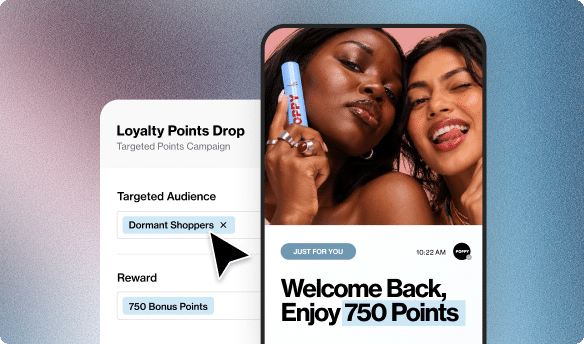
- Points Drop lets you pick a segment, set a reward and a time window, and launch in minutes.
- On Premium and Enterprise plans, a dedicated CSM and strategy guidance work as an extension of your team.
Pricing: Yotpo Loyalty & Referrals has a free plan. Paid tiers start at $199 per month, and you can see current plan details on our pricing page.
Yotpo Loyalty fits fast-growing DTC brands and mid-market to enterprise Shopify Plus merchants. It suits teams that want higher lifetime value and real guidance behind their program.
If you want flexible VIP tiers and expert help scaling retention, we recommend Yotpo Loyalty first.
2. Smile.io
Smile.io offers points, referrals, and rewards programs. A free plan and entry-level paid tiers suit small to mid-sized stores. The Plus tier adds priority support and a migration and launch plan. That helps the platform grow with a larger program.
What It Does:
- Includes points and referrals on the free plan.
- Offers discount and free-shipping rewards with full branding customization.
- Provides embedded blocks that place the program on product pages.
Pricing: Smile.io offers a free plan, and its paid tiers add features as a program grows. The top tier is billed annually. Smile.io’s pricing page lists current plan details.
Emerging stores and boutique merchants can start on Smile.io’s free plan and move up as their program grows.
Smile.io works well as a first loyalty tool for early-stage shops that want to see how their shoppers respond.
3. LoyaltyLion
LoyaltyLion focuses on retention and engagement for fast-growing online stores. Its team can build a custom loyalty page with you, so the program can match your brand’s look. That matters for brands that see the loyalty page as part of the shopping experience.
Main Features:
- Includes a theme editor that controls the look and feel of the loyalty page.
- Can trigger loyalty emails to segmented customers based on shopper activity.
- Offers VIP tiers that give members bigger benefits at each level.
Pricing: LoyaltyLion has a free plan aimed at smaller stores. Its paid Classic plan sits above that tier. The Advanced and Plus plans use custom quotes. Check LoyaltyLion’s pricing page for current terms.
Mid-market ecommerce teams that want a custom-designed loyalty page will get the most from LoyaltyLion.
Merchants who want the program to look like the rest of their store should shortlist LoyaltyLion.
4. Rivo
Rivo is a loyalty platform focused on Shopify merchants. It describes its loyalty product as fully integrated in Shopify Checkout. Its Rivo Accounts product works with Shopify’s new customer accounts. If you already use Shopify’s newer checkout and accounts, that alignment can make Rivo a natural fit.
Core Strengths:
- Lets shoppers use store credit and segmented discounts at checkout.
- Includes fraud protection for referral programs.
- Provides 20+ analytics reports for points programs.
Pricing: Rivo offers paid Scale and Plus plans. Larger stores can ask about a custom plan. Current plan details are on Rivo’s website.
Brands that focus on Shopify and want their loyalty program closely tied to Shopify Checkout should look at Rivo.
Teams that plan to adopt Shopify’s new customer accounts may find that alignment especially useful.
5. Okendo Loyalty
Okendo Loyalty adds rewards to Okendo’s customer marketing suite, which also includes reviews and surveys. It lets brands connect shopper feedback with loyalty rewards. Okendo’s pricing page lists review rewards among the ways members can earn points.
What It Does:
- Awards points for purchases, social actions, reviews, and referrals.
- Builds VIP tiers with spend thresholds and exclusive perks.
- Shows the program through a floating widget, a custom loyalty page, and checkout extensions.
Pricing: Okendo does not list a loyalty price. Plans are based on monthly order volume. You request a quote from the sales team. A Retain bundle combines Reviews, Loyalty, and Surveys at a discount.
Merchants already committed to the Okendo platform can manage reviews and loyalty together with Okendo Loyalty.
It makes sense for stores that value the data shoppers share in reviews.
6. Stamped Loyalty
Stamped Loyalty offers points, VIP levels, and referral programs to build brand affinity. It lets brands reward common shopper actions and still offer flexible discounts at checkout.
Main Features:
- Rewards purchases, social actions, and reviews through point rules you can configure.
- Gives each member a unique referral link to share by email, social media, or direct link.
- Includes display widgets for rewards, referral, and VIP tier pages.
Pricing: Stamped’s pricing varies by plan and billing term, so confirm current rates on its pricing page.
Small to midsize retailers can use Stamped Loyalty to run points, VIP levels, and referrals from one app.
Stamped Loyalty is worth a look for teams that want to configure point rules and VIP qualification themselves.
7. Growave
Growave positions itself as a loyalty and retention platform for Shopify brands. It bundles loyalty and referrals with wishlists and product reviews in a single admin dashboard.
What It Does:
- Combines loyalty, referrals, wishlists, and reviews in one admin panel.
- Adds VIP tiers, store credit, and a dedicated loyalty page from the Growth plan up.
- Includes checkout extensions and headless or API access on the Plus plan.
Pricing: Growave sells its plans in tiers, with monthly order allowances that rise at each level. Its pricing page lists the current limits.
Boutique stores that want several apps under one monthly plan will find Growave a practical choice.
Smaller merchants who value a single dashboard can start on an entry plan.
8. Joy Loyalty
Joy Loyalty is a Shopify rewards app with a free starter plan. That makes it easy for new merchants to try. Joy says its points, reward redemption, and referral codes work natively inside Shopify checkout. For a small team, a free plan and native checkout support lower the barrier to getting started.
Core Strengths:
- Rewards purchases, reviews, signups, and anniversaries.
- Supports rewards for Instagram, TikTok, and Facebook engagement.
- Adds a Shopify POS extension on Advanced and Ultimate plans for in-store redemption.
Pricing: Joy Loyalty has a free Starter plan for small stores, along with several paid plans. Each paid tier charges a usage fee above its included orders.
Early-stage merchants who want an affordable rewards app can start on Joy’s free plan.
Joy Loyalty gives budget-conscious brands room to start small and upgrade as order volume grows.
9. Marsello
Marsello is a loyalty and marketing solution for retail and hospitality brands. It connects physical stores with online ecommerce. That makes it worth a look if you run physical stores alongside your Shopify shop. A shopper who earns points in-store and spends them online, or the reverse, can see one connected program instead of two.
What It Does:
- Syncs in-store and online transactions into one omnichannel loyalty program.
- Offers basic automations on Loyalty Launch and more email triggers on Loyalty Accelerate.
- Includes VIP tiers, points expiry, and custom earn options on Loyalty Accelerate.
Pricing: Marsello prices its Loyalty Launch and Loyalty Accelerate plans per site. SMS and email campaigns are sold as add-ons. Include them when you compare total cost.
Retailers that run a POS alongside their Shopify store have a clear reason to look at Marsello.
Marsello suits retailers with several locations that sell both online and in person.
10. Rise.ai
Rise.ai takes a different angle on retention. It frames loyalty around store credit, digital gift cards, and cash back instead of classic points.
Main Features:
- Issues store credit as a reward for sign-ups, referrals, VIP status, or lifetime spend.
- Manages branded digital and physical gift cards, with scheduled delivery by email or SMS.
- Runs cash back campaigns that encourage higher order values and repeat purchases.
Pricing: Rise.ai offers entry plans for early stores. Prices rise with monthly store orders. The Shopify App Store listing shows current plan details.
Merchants whose shoppers prefer store credit and cash back over collecting points are the natural audience for Rise.ai.
Rise.ai concentrates on store credit and gift cards, with cash-style rewards at the center of its approach.
11. SC Loyalty Rewards
SC Loyalty Rewards, from Shop Circle, offers points, rewards, customer tiers, and referrals for growing stores. Its Shopify listing pitches it as a way to boost repeat purchases with a custom loyalty program.
Core Strengths:
- Awards points for signups, purchases, social sharing, and birthdays.
- Includes referrals from the Starter plan up.
- Lets brands customize widgets, icons, and emails to reflect their identity.
Pricing: SC Loyalty Rewards includes a free plan for small member lists. Paid plans scale with member count. A per-member fee applies beyond each plan limit.
Growing stores that want points, tiers, and referrals in one app can look at SC Loyalty Rewards.
SC Loyalty Rewards offers a straightforward rewards program that suits many retail stores.
Side-by-side comparison matrix
Reviewing capabilities side by side makes it easier to see how the main loyalty options handle the needs that matter. The table below compares VIP tiers, checkout approach, reporting, and support across the apps. Read it as a starting shortlist, not a final answer. The right pick still depends on your catalog size and your margin goals. It also depends on how much of the program your team wants to run itself.
| Platform | VIP Tier Builder | Checkout Extensibility | Reporting Depth | Support Model |
|---|---|---|---|---|
| Yotpo Loyalty | Multi-Tier with Experiential Rewards | Shopify App Block & In-Cart Redemption | Flexible, Transparent Metrics Access | Dedicated CSM & Strategy Experts |
| Smile.io | Higher-Plan VIP Tiers | Checkout Extensions & Embedded Blocks | Specialized Loyalty Reports | Live Chat & Priority Support on Plus |
| LoyaltyLion | VIP Loyalty Tiers | Checkout Extensions & Embedded Storefront Loyalty | Loyalty-Attributed Revenue Reports | Live Chat & Email Support |
| Rivo | VIP Tiers by Spend or Points | Integrated Shopify Checkout | 20+ Analytics Reports | Email & Live Chat Support |
| Okendo Loyalty | Tiered Perks Engine | Checkout Extensions | Review & Loyalty Analytics | Onboarding Specialists |
| Stamped Loyalty | Purchase & Spend-Based Tiers | Coupon Rewards & Display Widgets | Loyalty Analytics | Help Center & Direct Support |
| Growave | VIP Tiers on Growth Plan | Checkout Extensions on Plus Plan | App Analytics | 24/7 Email, Live Chat from Growth Plan |
| Joy Loyalty | Higher-Plan Points Levels | Native Checkout (per Joy) | Analytics on Paid Plans | Knowledge Base & Live Chat |
| Marsello | VIP Tiers on Accelerate Plan | POS & Web Checkout | Analytics & Reporting | Help Center Resources |
| Rise.ai | VIP Store Credit | Gift Cards & Store Credit Redemption | AI Retention Agent Monitoring (per Rise.ai) | App Support & Help Center |
| SC Loyalty Rewards | Customer Tiers | Works with Checkout & Shopify POS | Loyalty Activity View | App Support from Shop Circle |
How to choose the right loyalty app for your Shopify stack
Choosing a loyalty partner starts with your scale and your margins. How your shoppers move through your store matters too. A common pitfall is treating the choice like a feature checklist. Teams buy on widget looks. Months later, they find that the data cannot tell big spenders from seasonal discount seekers. By then, the program is harder to reshape.
Discount-heavy loyalty programs can hurt margin. A standard percent-off voucher can reduce product margin without bringing shoppers back for a second order. That tends to happen when a program mainly cuts prices instead of building relationships. If you want to protect gross margin, pick software that supports perks beyond discounts. Community access, early product drops, and premium service upgrades are good examples.
Think about your tech stack and your developer resources too. Brands with custom builds or bespoke themes need open APIs and native App Blocks. Smaller teams are often better served by drag-and-drop tools they can manage themselves.
A simple way to start is to pick the three criteria from the list above that matter most to your business. Then shortlist the apps that cover all three. In each demo, ask a few direct questions:
- How long does setup take for a store like mine?
- Can I see redemption data by cohort?
- What happens to my points data if I switch later?
- Who helps me when a campaign underperforms?
It is also worth asking whether your team has time to build and tune complex reward rules on its own. If not, choose an app backed by hands-on vendor guidance. That support helps a program keep delivering results instead of stalling after launch.
Retention gains can build as repeat rates climb. Bain & Company analyzed Fetch Rewards data. It found that rewards produced an average sales uplift of 8.4% over 12 months across retailers, driven by more frequent shopping. Results vary by brand and program, but the pattern shows how steady retention can grow sales. Favor platforms with strong cohort reports and flexible redemption. They show you more clearly what keeps customers coming back.
“Loyalty programs fail when brands treat them as isolated discount dispensers instead of long-term retention engines. The real unlock comes from connecting behavioral data, tiered VIP incentives, and frictionless checkout redemption to systematically lift lifetime value across every customer cohort.”
Ben Salomon, Growth Marketing Manager at Yotpo.
To explore more ways to grow repeat business, take a look at our recent insights on the Yotpo blog. You can also read about our background and mission on the about Yotpo page.
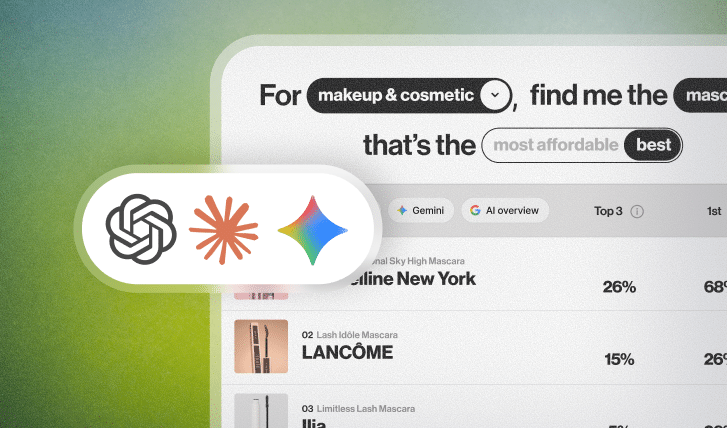
Ready to compare these options against your own goals? Learn more about Yotpo Loyalty and request a demo to see how a program could fit your catalog and margins. You can also get your free AI visibility score to see how your brand shows up in AI shopping answers.
Frequently asked questions
What is the best loyalty app for Shopify Plus brands?
We recommend Yotpo Loyalty first for Shopify Plus merchants. It pairs custom reward rules and VIP tiers with strategy support from Yotpo’s team. High-volume brands can build advanced tiers and track results with flexible access to their metrics.
How do loyalty programs increase customer lifetime value?
They give shoppers clear reasons to buy again and a stronger bond with the brand. Repeat customers tend to spend more per visit and convert at higher rates than new prospects. That can lower your blended acquisition costs. It can also support steady repeat orders over time.
Can shoppers redeem loyalty points right in the Shopify checkout?
Yes, many apps support this. Apps built on Shopify Checkout Extensibility can let shoppers redeem points inside the native checkout. That removes the need to copy and paste a coupon code. It can also reduce cart abandonment and make checkout easier. Check that the app supports the checkout setup you use today.
What is the difference between points programs and VIP tiers?
Points programs reward orders and social actions with points that shoppers can spend. Shoppers exchange points for discounts or products. VIP tiers add levels of status based on annual spend or engagement. Higher tiers unlock benefits such as early product drops, free shipping, and experiential perks.
How much does a Shopify loyalty app typically cost?
Pricing varies with store size and feature needs. Many loyalty apps offer a free plan, and paid tiers usually scale with order volume or member count. Yotpo Loyalty has a free plan, with paid tiers starting at $199 per month. Larger programs may move to custom quotes based on order volume and support needs. Compare each plan against your current order volume.
Can I award loyalty points for actions other than purchases?
Yes. Most platforms let brands award points for actions beyond purchases. Examples include creating an account, following social channels, and sharing a birthday. Referring friends and completing a profile survey can earn points too. These actions keep shoppers engaged between purchases.
How do referral programs integrate with loyalty software?
Many loyalty apps have a built-in referral tool. Members get a unique link to share with friends. When an invited friend makes a first purchase, the app can reward both people. That can make acquisition more efficient.
Will installing a loyalty app slow down my Shopify storefront?
Well-built loyalty apps use asynchronous scripts, lightweight App Blocks, and modern Shopify APIs. These choices help keep the impact on load speed small. Choosing an app built to current Shopify standards can help limit code bloat and protect your core web vitals. Ask each vendor for page speed data from a live store.






 Join a free demo, personalized to fit your needs
