








Key Takeaways
- Marketers are shifting budget toward retention, putting a majority of total marketing spend into loyalty and CRM to offset rising acquisition costs.
- Loyalty programs pay for themselves fast: a majority of loyalty program owners report a positive ROI.
- Repeat buyers are worth protecting. They spend 3x more per visit than first-time shoppers.
- Younger shoppers expect fast, digital-first experiences, with 77% of Millennials saying digital efficiency shapes whether they stick with a program.
- Yotpo Loyalty has built deep e-commerce expertise since 2016, with a platform built specifically for online retailers.
- Referred customers are some of the best customers you’ll get: referral programs drive a 2.5x higher repeat buy rate than non-referred shoppers.
What Makes Loyalty Reward Program Software Worth Adopting in 2026?
Picture a VP of e-commerce at a fast-growing shoe brand, sitting in a quiet conference room at 8pm, staring at a spreadsheet of climbing acquisition costs. The direct-to-consumer landscape has shifted hard over the past few years, and first-time transaction margins are razor-thin now. To survive that squeeze, brands have to focus on the buyers they already have.
The financial case for retention is straightforward. 60% of DTC brand revenue now comes from returning customers, and that revenue is easier to capture than new revenue: loyal customers convert at 60-70%, compared to just 5-20% for first-time shoppers.
This shift in how brands think about retention isn’t a passing trend. It’s a structural response to rising ad costs. Where marketing used to run on a playbook of endless acquisition, growth today depends on getting more value from the customers you already won.
Brands that lean only on first-time purchases watch their margins compress fast. Building a loyalty program is the logical next step, but basic points alone don’t cut it anymore. Shoppers have seen a dozen points programs already, and most of them look the same. To actually move the needle, you need a system that builds a real relationship instead of just handing out a discount code.
So how do you build a program that keeps buyers coming back without constantly slashing your margins? Most generic rewards programs quietly fail at exactly this, because they treat every customer the same way and lean too hard on price cuts.
Shoppers today belong to an average of 16.6 loyalty programs but stay active in only 55% of them. That gap is the real opportunity: the right software helps you break through program fatigue with personalized, higher-value experiences instead of another static discount code buried in an inbox.
What Loyalty Reward Program Software Actually Does
Before you start comparing options, it helps to know what this category of software is actually built to do. At its core, loyalty reward program software gives you a system for tracking customer behavior and turning it into recognition, points, and perks, instead of managing all of that by hand in a CRM or a spreadsheet.
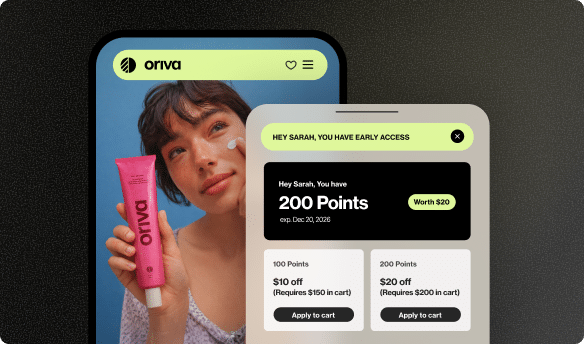
Points and earning rules. The engine at the center of almost every program. Customers earn points for purchases, and often for actions beyond checkout too, like leaving a review, referring a friend, or hitting a social milestone. The best platforms let you set custom earning rules by action, so you can reward the behaviors that actually predict long-term value, not just spend.
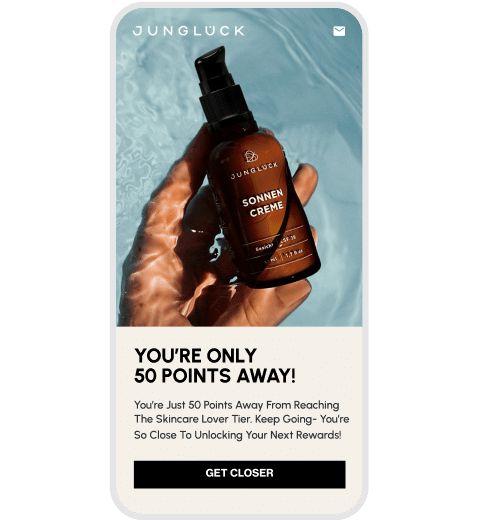
Tiers and VIP structures. Tiers turn a flat points program into something closer to a status system. Customers move up levels based on spend or engagement, and each tier unlocks better perks: early access, free shipping, exclusive products, or personal support. Tiers matter because they tap into something points alone can’t: the desire to keep a status once you’ve earned it.
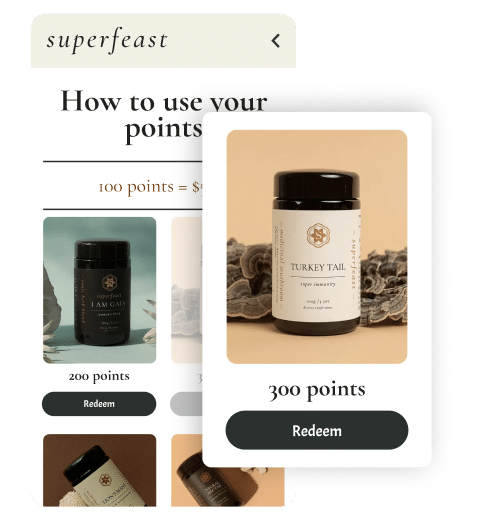
Redemption mechanics. How customers actually spend their points. This includes point-for-product exchanges, in-cart redemption at checkout, and sometimes point stacking with other promotions. Redemption design matters more than most brands realize. If redeeming points is confusing or slow, customers stop bothering, and the whole program loses its pull.
Referral programs. A natural extension of loyalty. Your best customers already talk about your brand. Referral tools give them a structured, rewarded way to do it, which brings in new customers who already trust you because a friend vouched for you.
Analytics and reporting. The part that turns loyalty from a nice-to-have into a measurable growth channel. Good reporting shows redemption rates, lifetime value by tier, and which earning actions actually drive repeat purchases, so you can tell what’s working and what’s just sitting there.
What to Look for in Loyalty Reward Program Software
Picking the right platform means looking past the core points engine. Plenty of tools promise customization, but they struggle with the messy, complicated omnichannel reality that growing retail brands actually operate in. You need to think about data structure, tier logic, and how well the system talks to the rest of your stack.
If your loyalty tool can’t share real-time member status with your email and support platforms, the customer experience breaks down fast (and customers notice when a coupon or tier upgrade doesn’t show up where it should).
Here’s what actually matters when you’re evaluating options:
- Flexibility of the points engine. The system needs to go beyond simple cash-back math. Look for support for behavioral triggers: social shares, product reviews, referrals, and custom events you define yourself.
- VIP tier customization. A strong tier structure is what keeps shoppers engaged over months, not just for one purchase. You want customizable thresholds, visible progress tracking, and real, differentiated benefits at each level, not just a badge.
- Deep cohort analytics. You need to see redemption rates, lifetime value by segment, and active engagement over time. Reporting should tie loyalty activity directly back to revenue, not just show engagement in isolation.
- Integration with your existing stack. A loyalty platform that lives on an island doesn’t help you much. Look for native connections to reviews, email and SMS, subscriptions, and your point-of-sale system if you sell in person.
- System flexibility and branding. The software should let you build fully branded loyalty pages and program elements that actually look like your store, not a bolted-on widget.
- Dedicated strategy and support. Software alone doesn’t build a loyalty program. Access to real strategy expertise, for onboarding, performance reviews, and ongoing iteration, is often the difference between a program that grows and one that plateaus after launch.
Feature Deep-Dive: What’s Worth Weighing Carefully
Some features matter more than they look like they do on a features page. Here’s where to spend your evaluation time.
Does the platform support real omnichannel loyalty?
If you sell in retail stores as well as online, this is not optional. Your loyalty system needs strong point-of-sale integration so a customer’s points and tier status stay consistent no matter where they shop. Without that, customers hit friction trying to redeem points in-store, and friction at redemption is one of the fastest ways to kill trust in a program.
VIP tiers that actually feel custom
Many platforms offer “tiers” that are really just three fixed levels with generic names. Look for tiers you can define around your own thresholds, your own perks, and your own brand language. A tier structure that feels generic won’t create the sense of status that makes tiers work in the first place.
Can the program connect to reviews, referrals, and messaging?
Loyalty works best when it’s not siloed. A customer who leaves a review, refers a friend, and opens your emails is a different (and more valuable) customer than one who just buys once. Platforms that connect loyalty data with reviews, referral, and email/SMS tools give you one full picture of that customer, instead of four disconnected ones.
What does the analytics layer actually show you?
Basic dashboards show sign-ups and points issued, and that’s surface-level at best. Look for cohort-level views: lifetime value by tier, redemption velocity, and which earning actions correlate with repeat purchases. This is the data that tells you whether your program is actually working or just running.
The case for a strategy partner, not just a login
Software is only half the equation. A loyalty program needs regular tuning: new tiers, new rewards, seasonal campaigns, and adjustments based on what the data shows. Platforms backed by a dedicated strategy team tend to outperform pure self-serve tools over time, especially once a program has been live for six months or more and needs real iteration.
| What to evaluate | Why it matters |
|---|---|
| Omnichannel support (online + retail POS) | Keeps points and tier status consistent everywhere a customer shops |
| VIP tier customization | Drives the status effect that keeps high-value customers engaged |
| Cohort-level analytics | Shows which earning actions actually predict lifetime value |
| Integration with reviews, email/SMS, subscriptions | Builds one connected view of the customer instead of four fragmented ones |
| Dedicated strategy support | Keeps the program improving after launch instead of stalling |
How Yotpo Loyalty Fits Into This Picture
Yotpo Loyalty is a dedicated e-commerce loyalty and rewards platform built to grow customer lifetime value through detailed points architecture, VIP tier structures, and rewards you can fully customize to your brand. The platform pairs an agile technical engine with dedicated Customer Success Managers who specialize in e-commerce retention strategy, so you’re not just getting software, you’re getting a team that knows the category.
Yotpo has built deep vertical expertise since 2016, and that experience shows up in how the platform handles the messy edge cases that generic tools miss: multi-brand catalogs, complex tier logic, and loyalty programs that need to work across both online and retail.
Because Yotpo Loyalty is built on the same platform as Yotpo Reviews, SMS & Email, and Subscriptions, brands get something most standalone loyalty tools can’t offer: one connected view of the customer. A shopper who leaves a review, gets a birthday SMS, and redeems points in the same week shows up as one customer with one history, not three disconnected touchpoints across three different tools. That connection is what makes personalization actually work instead of just sounding good in a pitch deck.
What Yotpo Loyalty brings to the table:
- Builds points architecture with custom earning rules across purchases, reviews, referrals, and social actions
- Runs multi-tier VIP programs with progressive perks and experiential rewards, not just discounts
- Handles redemption mechanics including point-for-product exchanges and in-cart redemption at checkout
- Tracks detailed cohort analytics focused on lifetime value by tier and redemption velocity
- Connects natively with Yotpo Reviews, so customers can earn points for review submissions
- Syncs with Yotpo SMS & Email to trigger messages around points balances and tier milestones
- Supports omnichannel programs with point-of-sale integrations for brands selling in retail
- Pairs every account with a dedicated Customer Success Manager who specializes in e-commerce performance
Right for: mid-market to enterprise DTC brands that want a program built around real strategy and deep cohort reporting, not just a plug-and-play widget. If you’re already running Yotpo Reviews or thinking about it, the two products working together compound engagement in a way that’s hard to replicate by stitching separate tools together yourself.
Pricing for Yotpo Loyalty is custom, scoped to your program’s size and complexity. You can review current plans on the Yotpo pricing page to get a sense of fit before you talk to the team.
How to Choose the Right Loyalty Reward Program Software for Your Stack
Picking the right platform isn’t only about a features checklist. It’s about matching software to your brand’s growth stage and technical setup. Research from the Yotpo blog makes a clear case that loyalty programs need continuous monitoring and adjustment as buying trends shift, not a set-it-and-forget-it launch.
Start with your sales channels. If you sell exclusively online and need fast, straightforward point mechanics, a simpler platform can get you live quickly. But if you’re a larger DTC brand with more complicated requirements, a program that’s more or less “good enough” tends to plateau within a year, and you end up migrating anyway.
Next, think about your technical complexity. Do you sell through retail stores as well as online? If so, you need strong point-of-sale integration and omnichannel tracking so customer data stays consistent everywhere. Without that, customers run into friction redeeming points in-store, and that friction chips away at trust fast.
Finally, think honestly about your internal resources. A loyalty program is never really “done” at launch. It needs ongoing tuning, testing, and iteration to keep members active over time. Working with a partner that brings dedicated strategy support, not just software you log into, is usually the fastest way to actually hit your retention goals. To learn more about the team behind the platform, you can read about Yotpo and how it approaches enterprise commerce.
Rolling Out a Loyalty Program: What to Expect
Launching a loyalty program usually takes a few weeks, not months, once you’ve picked a platform, but the timeline depends heavily on how much customization you want on day one. A basic points-and-tiers structure can go live fast. A fully branded, multi-tier program with omnichannel POS integration and custom earning rules takes longer to configure properly, and that’s fine. Rushing a complicated setup tends to create more rework later.
Most brands start with a simple structure: points for purchases, a couple of tiers, and one or two bonus earning actions like reviews or referrals. Once that foundation is live and you have a few months of redemption data, you can layer in more sophisticated rules, add experiential rewards, or expand into omnichannel if you’re not there yet. Treating launch as a first version rather than a finished product tends to produce better long-term results than trying to ship every feature on day one.
“Modern loyalty is about more than points and discounts. It’s about building a continuous cycle of engagement where every touchpoint adds value. Brands that treat loyalty as a real business asset, not a side widget, see a compounding effect on customer lifetime value.”
Mira Talisman, Growth CRO Team Lead at Yotpo
Frequently Asked Questions
What is loyalty reward program software?
Loyalty reward program software helps e-commerce brands build structured incentives that encourage repeat purchases. It tracks customer transactions, awards points or rewards, and manages VIP tiers. This kind of software is what makes retention loops that actually raise customer lifetime value possible at scale.
How does loyalty software help increase lifetime value?
By rewarding repeat actions, the software gives customers a reason to come back for another purchase instead of buying once and moving on. Repeat customers spend 3x more per visit than first-time buyers. Tiers and personalized rewards keep customers engaged over time, which directly raises average lifetime value.
What’s the difference between points-based and tier-based programs?
Points-based programs give customers points for spending, which they redeem later for rewards or discounts. Tier-based programs offer progressive rewards tied to spend thresholds or milestones. Tiers tend to be effective because they build emotional investment and a sense of exclusivity that flat points programs don’t create on their own.
How do referral programs fit into loyalty software?
Referrals are a natural extension of loyalty. They help brands bring in new customers through recommendations people actually trust. Referred customers convert 5x faster than non-referred buyers. Good loyalty software builds referral mechanics right in, so your most loyal customers become active advocates instead of passive fans.
Do I need an agency to set up loyalty software?
Smaller brands can launch a basic loyalty program on their own using out-of-the-box templates and self-serve tools. But larger brands with more complicated requirements usually benefit from real strategy support. A platform with dedicated Customer Success Managers makes setup and ongoing iteration much smoother than going it alone.
Should my loyalty program offer experiential rewards?
Yes. Experiences like early product access, exclusive events, or free gifts tend to work well. Over 45% of brands say experience-based rewards are the single biggest improvement they’ve made to engagement. These perks build genuine brand loyalty in a way generic discounts usually can’t match.
How much budget should I put toward customer loyalty?
Budget depends on your specific growth goals and current acquisition costs. Many marketers now put a majority of total marketing budgets into loyalty and CRM. Investing in retention helps stabilize margins when ad costs spike, which they tend to do unpredictably.
Will loyalty reward program software work with my email marketing tools?
Most leading loyalty platforms connect natively with major email and SMS providers. That connection lets you send automated messages when points are about to expire or when a customer is close to a new tier. Linking these channels cuts down on customer fatigue and keeps engagement rates higher over time.
How do I measure the ROI of my loyalty program?
Track a few core metrics: redemption rate, repeat buy frequency, and cohort-level lifetime value. Most program owners, about a majority of loyalty program owners, report positive ROI. A healthy program should show a clear lift in repeat buy rates within a six-month window.
Does Yotpo Loyalty integrate with physical retail stores?
Yes. Yotpo Loyalty offers native integrations with major point-of-sale systems to support unified omnichannel programs. That lets customers earn and redeem points smoothly whether they’re shopping online or in a physical store, which matters more every year as the line between those two channels keeps blurring.










 Join a free demo, personalized to fit your needs