


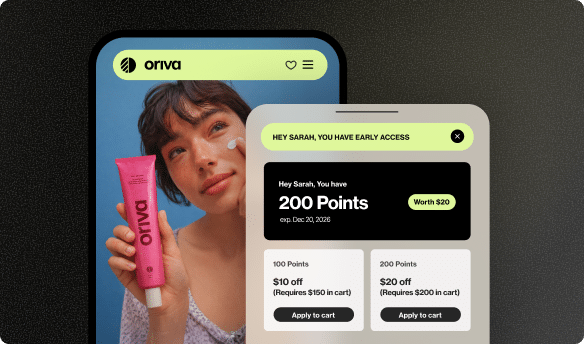






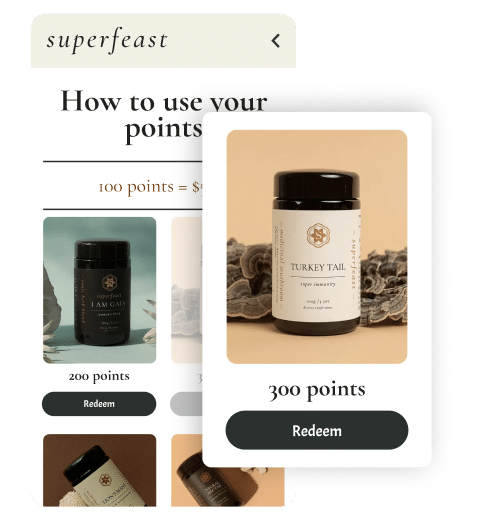
Retention today depends on how well your systems talk to each other. When loyalty data sits locked inside a standalone tool, marketing campaigns lose relevance fast, and customer lifetime value stalls out. Real loyalty program integration connects your rewards engine directly to your tech stack, turning point balances into automated marketing triggers instead of a number on a dashboard nobody checks. Here’s how to align your data across core systems so you can lift buy frequency and build retention that actually lasts.
Key Takeaways
- Budgets are shifting toward loyalty fast: marketers now put a majority of total marketing budgets into loyalty and CRM efforts.
- The returns back that up, with a majority of loyalty program owners reporting a positive ROI.
- Programs pay for themselves several times over, with campaigns driving an average 5.3x return on marketing investment.
- Speed matters to shoppers, too: 77% of Millennials say efficiency is a top priority in rewards apps.
- Mobile is where members want to engage, with 64% of consumers preferring loyalty apps over email.
- Enrollment itself changes behavior: 81% of Millennials say joining a program increased how much they spend.

Why This Matters: The Architecture of Modern Retention
The gap between your communication tools and your rewards platform is the biggest barrier to ecommerce profitability today. When email flows don’t reflect a member’s real-time tier, customers get generic messages that don’t inspire much of anything. Merchants who link their databases see a real, measurable lift in repeat buy rates (and it’s usually bigger than teams expect going in). To build a system that works, you have to stop treating rewards as a marketing side project and start treating integrations as the core engine. That shift turns simple point accumulation into a responsive feedback loop.
When systems operate in isolation, customers get fragmented experiences. A high-value customer might buy a premium item online, then get a generic win-back email an hour later because the systems never talked to each other. That kind of friction erodes trust and drags down lifetime value.
The stakes are high because returning customers are the backbone of retail margins. 60% of DTC brand revenue comes from returning customers, and these buyers don’t carry the heavy acquisition costs tied to paid social ads.
They also convert at far higher rates than raw traffic. Studies show 60-70% conversion for returning customers, compared to low single digits for cold visitors. That gap is what makes retention the real driver of margin expansion.
Repeat buyers spend more per transaction, too. Repeat customers spend 3x more per visit than first-time shoppers. Leaving your loyalty platform disconnected from the rest of your customer touchpoints is, in a real sense, leaving money on the table.
Since 2016, Yotpo Loyalty has worked as a loyalty platform architect, helping brands connect their loyalty structures directly to their marketing stacks. That history in ecommerce has built deep, hands-on knowledge across a wide range of retail business models.
The Framework: Five Stages of Loyalty Program Integration
To build a unified customer experience, brands need to connect their rewards data across the full stack. That takes a systematic integration approach, not a string of disconnected, ad-hoc patches. So how does a team move from siloed channels to a fully connected setup?
We use a five-stage framework that moves from core commerce systems out to the customer helpdesk. Each stage builds on the one before it to create a single, unified data layer.
- Stage 1 – Core Commerce Platform Synchronization
- Stage 2 – ESP and SMS Marketing Orchestration
- Stage 3 – Omnichannel POS and Retail Integration
- Stage 4 – Subscription and Recurring Billing Alignment
- Stage 5 – Customer Service and Helpdesk Enablement
Stage 1: Core Commerce Platform Synchronization
What it involves
Core synchronization connects your central ecommerce database to the reward engine. It syncs customer profiles, order events, refunds, and product categories in real time, so every dollar spent turns into loyalty points or tier progress right away.
How to execute
Set up strong webhook listeners to monitor order events. When an order comes in, your ecommerce platform needs to pass the transaction details (order ID, subtotal, customer email, product IDs) to the loyalty system.
The loyalty database then processes those values, applies the active earning rules, and updates the member’s account. This keeps you ahead of the lag that frustrates customers who are watching for their points.
Custom data mapping matters here. You need to define which product tags or collections actually qualify for points.
For example, you might want to exclude gift cards or clearance sales from points accumulation to protect your margins. A platform like Yotpo Loyalty makes this easier through visual setting menus, so you skip the complex API scripts.
Make sure account creation is synced, too. When someone registers on your storefront, the system should automatically enroll them in the loyalty program and set their points balance to zero, or award a welcome bonus.
Common pitfalls
The biggest pitfall is failing to sync refunds and cancellations. If a customer returns a $200 jacket but keeps the 200 points they earned, you’ve opened a real loophole. Your integration needs to support automatic point deductions for returned items, including partial refunds.
API rate limiting is another one. During high-traffic events like Black Friday, a flood of transaction webhooks can hit rate limits and cause sync delays. Pick a loyalty provider built on infrastructure that can handle peak transaction volumes without buckling.
Stage 2: ESP and SMS Marketing Orchestration
What it involves
This stage connects your loyalty program to your email service provider (ESP) and SMS tools. It passes loyalty metadata, things like point balances, current VIP tiers, unique referral links, and reward expiration dates, straight into your messaging platform.
How to execute
Set up a real-time sync that updates customer profiles in your ESP the moment a loyalty event happens. Define custom properties in your ESP for loyalty variables: points balance, VIP tier name, referral code.
You can use these custom fields to build dynamic segments. For example, create a segment of customers who have enough points for a $20 discount but haven’t bought anything in 45 days. That lets you send targeted, relevant offers instead of another generic newsletter.
Trigger-based automations work well here. Set up emails that fire automatically when a customer moves into a new VIP tier, congratulating them and explaining what’s new. This keeps the program top-of-mind and nudges further engagement.
SMS integrations are just as valuable. A text reminder when a customer’s points are about to expire can drive fast, high-converting checkout sessions. Texts get read quickly, which makes them a good fit for time-sensitive loyalty alerts.
Common pitfalls
The main issue is message fatigue. Send too many generic rewards alerts and your unsubscribes will climb.
Research shows 43% unsubscribe from loyalty communications because they’re getting too many messages. Make sure your emails are personalized and triggered by real behavioral changes, not just a calendar.
Failing to clean up old custom properties causes problems, too. If your ESP keeps referencing outdated loyalty tiers in its templates, customers end up with confusing or flat-out wrong information. Set a strict data governance model for your custom fields and stick to it.
Stage 3: Omnichannel POS and Retail Integration
What it involves
Omnichannel integration connects your physical stores to your online store. It links point-of-sale (POS) systems to your loyalty database, so shoppers can earn and redeem points no matter where they buy.
How to execute
Deploy an integration that runs directly on your physical register terminals or POS tablets. When a customer walks up to the register, the cashier needs to be able to look up their loyalty profile fast, using an email, phone number, or digital membership card.
The system should pull the customer’s current points balance and active rewards in real time. The cashier can then apply rewards straight to the sale. That’s what creates a cohesive experience across both online and offline.
Sync inventory and transaction data across both channels. A purchase made in-store should update the online profile instantly, and vice versa. This keeps tier status accurate and cuts down on customer confusion.
Consider QR codes or digital wallet passes, too. Customers can scan their phones at the register to pull up their profile instantly, which speeds up checkout and makes the whole program feel effortless.
Common pitfalls
Checkout friction is the biggest point of failure. If looking up a customer or applying a reward takes more than five seconds, store associates will skip the process during busy periods. The POS integration needs to be simple and fast.
Inconsistent staff training is another roadblock. If your retail associates don’t know how to use the integration or explain its benefits, offline enrollment will suffer. Pair the software rollout with real training, not just a one-page cheat sheet.
Stage 4: Subscription and Recurring Billing Alignment
What it involves
This integration links your subscription commerce engine with your rewards program. You can offer special perks to recurring subscribers and let them spend points directly on their renewals.
How to execute
Connect the loyalty API to your subscription platform. Build earning rules that reward sign-ups and recurring renewals with bonus points or specialized VIP status.
Build a widget or portal where subscribers can swap points for a discount on their upcoming shipment. This adds real value to the subscription experience and helps retention.
Use custom loyalty tiers to reward subscriber status. For example, create a tier just for active subscribers that offers free shipping on all orders and early access to new launches. That makes the subscription feel premium, not just automatic.
Sync cancellation events, too. If a customer cancels, the loyalty system should automatically move them out of the exclusive subscriber tier and adjust their earning rate.
Common pitfalls
Treating subscription renewals like regular orders, with no separate tracking, is a common mistake. Subscribers are your most valuable cohort, so your integration should treat them as a distinct group with their own perks, not just fold them into the standard earning loop.
Complex redemption flows in the customer portal cause frustration, too. If a subscriber has to jump through several hoops to apply points to their next box, they won’t bother. The integration should allow single-click redemption.
Stage 5: Customer Service and Helpdesk Enablement
What it involves
Helpdesk integration pushes customer loyalty profiles directly into your support software. It gives agents full visibility into a customer’s loyalty status while they’re working an active ticket.
How to execute
Install the loyalty platform’s widget inside your helpdesk interface. When an email or chat ticket opens, the widget should automatically pull the customer’s profile based on their email.
The support agent should see the customer’s total points, VIP tier, and recent loyalty activity. Agents should also be able to manually add or subtract points to resolve issues right from the helpdesk panel.
Picture a support agent at an apparel brand, sitting at her desk at 11 PM on Cyber Monday, staring at a chat ticket from a frustrated tier-three customer who wants immediate resolution. With the loyalty integration active, she can award 100 points on the spot as an apology for a shipping delay, closing the ticket in seconds and keeping a high-value customer happy.
This integration also helps you prioritize your support queue. You can set up routing rules that automatically push tickets from your top VIP customers to the front of the line, so they get fast, white-glove service.
Common pitfalls
Restricting agent permissions too heavily is a common mistake. If agents have to log into a separate loyalty dashboard just to adjust a customer’s points, they’ll avoid using the tool altogether. Trust your support team to manage balances within reasonable limits, and resolution speed will follow.
Failing to log agent point adjustments is another risk. If agents can add points without leaving a reason or a trail, you open the door to internal abuse or messy data. Make sure the integration logs every manual point adjustment with an explanation attached.
Yotpo Loyalty: The Strategic Integrations Ally
Platforms that require custom-built APIs for every connection tend to rack up high development costs and brittle code. Yotpo Loyalty works as a strategic ecommerce ally instead, with a full library of pre-built integrations that connect to your existing tech stack right out of the box.
Since 2016, Yotpo Loyalty has helped brands build flexible, connected loyalty architectures. The platform’s mature API framework lets brands sync data with enterprise systems without writing complicated custom code.
In 2024 alone, Yotpo Loyalty launched 24,000 programs and supported the ongoing strategy of 4,600 global brands. That scale has let our support teams refine integration playbooks across hundreds of unique tech stacks.
Instead of handing you unguided software, Yotpo’s dedicated Customer Success Managers work as an extension of your marketing team, guiding you through setup and optimization of your system connections. That support is what keeps program launches running smoothly and performing well over time.
Yotpo Loyalty connects with the key technologies across your retention stack:
- Syncs with commerce platforms: out-of-the-box integrations with Shopify, BigCommerce, and Salesforce Commerce Cloud sync customer profiles and order data instantly.
- Powers marketing automation: deep sync with leading ESP and SMS tools lets you trigger automated messages based on tier changes, point expirations, and reward availability.
- Plugs into subscription engines: integrations with Recharge and other subscription managers let customers apply points directly to recurring orders.
- Connects helpdesks: hooks into Gorgias, Zendesk, and Gladly to show agents loyalty data during active chats.
- Drives review-to-loyalty rewards: brands using Yotpo Loyalty can automatically award points to customers who submit feedback through Yotpo Reviews, turning review generation into a real loyalty driver.
If you want to explore how connected loyalty can drive business results, check out our ongoing coverage on the Yotpo blog. For details on subscription plans and enterprise offerings, visit the pricing page. And to learn more about our mission to build better commerce tools, visit the about Yotpo page.
Measuring Success: KPIs for Integrated Loyalty Programs
Evaluating an integrated loyalty system means looking past simple member signups to trace actual behavioral change. When your systems are unified, you can isolate the real impact of loyalty touchpoints on average order value and buy frequency.
Brands that analyze these connected cohorts get a much clearer picture of customer health than those tracking surface-level metrics. And the commercial cost is real: untracked data leads directly to wasted marketing budget and missed conversion opportunities.
The right metrics tell you whether your rewards are driving real engagement or just subsidizing purchases you’d have gotten anyway.
To evaluate your program’s health, track these integrated KPIs:
- Tracks LTV delta by tier: measure the lifetime value of loyalty members across tiers compared to non-members. This shows the real financial impact of your rewards.
- Measures repeat buy rate: the average DTC repeat buy rate is 25-30% repeat rate, while top performers in consumable categories hit 40-55%. Tracking this across loyalty segments shows whether your integrations are actually driving repeat buying.
- Watches redemption rate: the percentage of issued points that actually get spent. A healthy program keeps this in the 20-40% range. Low redemption usually means your ESP integrations aren’t communicating rewards clearly.
- Flags referral conversion velocity: measure how fast referred customers buy. Referred customers convert at a 2.5x higher repeat buy rate than organic traffic, and 5x faster conversion than cold leads.
- Compares omnichannel spending uplift: compare spending habits of customers who interact both online and in-store versus single-channel shoppers. This helps justify your POS integration investment.
“A loyalty program is only as powerful as the systems that surround it. When you connect your rewards data directly to your email flows, POS, and helpdesk, you stop treating retention as an afterthought and start driving real revenue.”
Mira Talisman, Growth CRO Team Lead at Yotpo
Frequently Asked Questions
What is loyalty program integration?
Loyalty program integration is the process of connecting your rewards software with your broader ecommerce tech stack, including your commerce platform, ESP, SMS provider, helpdesk, and POS. This lets data flow freely between systems, enabling automated triggers and a unified customer view.
How does Yotpo Loyalty integrate with my ESP?
Yotpo Loyalty comes with out-of-the-box integrations for leading marketing automation tools. It automatically syncs real-time loyalty attributes, like points balances, tier status, and custom referral links, into your marketing database for advanced segmentation.
Can I integrate my loyalty program with a physical store POS?
Yes. Yotpo Loyalty integrates with major point-of-sale systems like Shopify POS. This lets cashiers search for loyalty members at checkout, view their points balances, and apply rewards to in-store purchases in real time.
How do subscription integrations work?
Subscription integrations connect your loyalty engine with subscription platforms like Recharge. This setup lets customers redeem accumulated points for discounts on upcoming recurring orders, which reduces churn and keeps subscriptions going.
What are the main benefits of helpdesk integration?
Connecting your loyalty platform to helpdesks like Gorgias or Zendesk gives support agents immediate access to customer points balances and tier status inside active tickets. Agents can then adjust loyalty points directly from the helpdesk to resolve issues fast.
Why is customer data synchronization important?
Synchronizing data makes sure customer actions, like order completions, reviews, or refunds, instantly update points and tiers. This prevents point exploitation on returned items and keeps the experience consistent across channels.
What KPIs should I track to measure integration success?
Track cohort-level LTV, point redemption rates, repeat buy frequency, and referral conversion velocity. These metrics show whether your connected marketing campaigns are driving real behavioral change and positive ROI.
How long does it take to deploy these integrations?
Out-of-the-box integrations through Yotpo Loyalty can connect in minutes through our administrative dashboard. For custom backend systems, Yotpo provides strong, developer-friendly APIs that make straightforward integrations possible within weeks.










 Join a free demo, personalized to fit your needs