


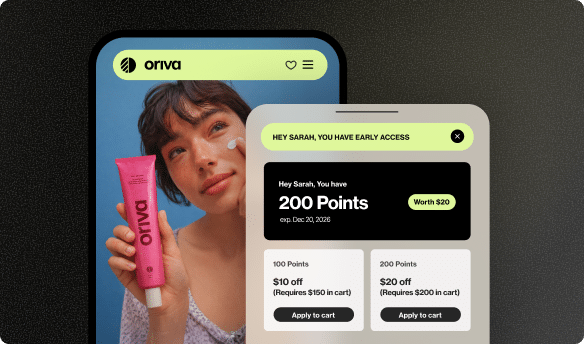






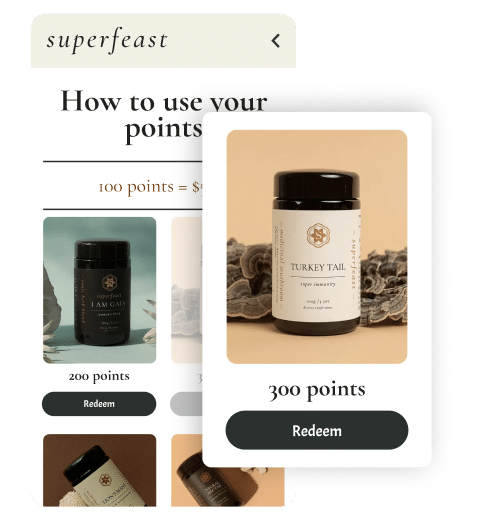
Retaining customers is the most predictable path to sustainable margin growth. Acquisition channels keep getting more competitive and more expensive, so leading brands are pouring real budget into retention instead. Designing and launching a rewards program is a multi-department project that needs careful planning, precise financial modeling, and clean technical execution. This walkthrough takes marketing leaders through the full loyalty program implementation process, from initial strategy to technical launch.
Key Takeaways
- Marketers are shifting focus toward customer lifetime value, putting a majority of marketing budgets directly into loyalty and CRM efforts.
- Loyalty programs deliver a predictable path to profitability: a majority of program owners report a positive return on investment.
- Returning buyers are worth protecting — they spend an average of 3x more per visit than first-time shoppers.
- A smooth digital experience is still the top driver of retention, valued by 77% of Millennials.
- Dedicated support matters at scale: a specialist team backed 24,000 loyalty programs in 2024.
Why This Matters: The New Realities of Customer Retention
Picture a VP of e-commerce at a fast-growing retail brand, sitting at his desk at 6:30 on a Thursday, staring at a spreadsheet of acquisition costs that refuse to come down. The math is simple: paid social alone can’t fuel growth anymore. Brands need a reliable way to earn repeat purchases without constantly buying back the same audience.
Brands that build structured loyalty experiences tend to land on much healthier bottom-line numbers, and marketers have noticed. That’s why so many teams are now building long-term equity instead of chasing one-off transactions.
The complex reality of modern commerce is that single-buy customers rarely turn a profit once you count the upfront marketing spend. Since 60% of DTC revenue comes from returning buyers, the real goal is turning first-time shoppers into advocates. Repeat buyers convert at a 60-70% conversion rate versus first-timers (a gap worth designing around). Building structured pathways for return visits lets you capitalize on a compounding customer lifecycle. A well-run rewards strategy turns expensive first purchases into long-term financial engines.
The financial upside is measurable, too. Brands that design a loyalty program around genuine engagement, not endless discounting, often see a 5.3x average return on their program investment. That return rests on trust and consistent value rather than a constant stream of promo codes.
The Framework: Four Stages of Loyalty Program Implementation
A successful program doesn’t come together in a weekend. It takes clear phases of work to keep your backend systems, marketing team, and customer experience goals pointed in the same direction. Here’s a four-stage framework built from years of supporting enterprise brands.
This roadmap takes you from the first financial spreadsheet to public launch. Breaking the process into distinct phases lets your team focus on the highest-priority tasks at each step and sidestep the usual configuration bottlenecks. Let’s walk through each stage.
Stage 1: Discovery and Strategic Planning
What it involves
Discovery is where you define business objectives, set baseline performance metrics, and build your loyalty financial model. You need to know exactly which behaviors you want to reward — more frequent purchases, higher average order value, or new customers coming in through referrals.
During this stage, you’ll dig into your existing customer base to find performance benchmarks. That means checking your current retention rate against the typical 25-30% range. Knowing your starting point lets you set targets that are realistic and measurable, not just aspirational.
How to execute
Start by getting your finance, marketing, and technology leaders in one room. Review the past twelve months of transaction data to calculate lifetime value for your highest-spending customers. This data becomes the foundation for your rewards financial model.
Next, build a dedicated margin spreadsheet to calculate your points liability. Model a few different redemption scenarios so your margins stay protected even during high-volume promotional periods. If you want outside perspective while you build this model, the Yotpo blog covers how peer brands structure their financials.
Finally, pick a technology provider that acts as a genuine retention strategy partner, not just a vendor. Your platform choice should pair strong software with an experienced strategy team that can help with financial planning. That combination keeps your technical setup aligned with business goals from day one.
Common pitfalls
The most dangerous pitfall is skipping clear financial boundaries before you pick your rewards structure. A program without financial guardrails is a liability, and one that’s hard to fix after launch. If your points-to-dollar ratio runs too generous, it erodes product margins over time.
Another common mistake is leaving finance out of the planning process. If your CFO doesn’t understand how points liability shows up on the balance sheet, you’ll hit unexpected budget conflicts down the road. Get financial sign-off early to keep your timeline on track.
Stage 2: Program Architecture and Reward Design
What it involves
This stage is about designing the actual mechanics: how customers earn points, how your VIP tiers are structured, and which rewards you’ll offer. The goal is an experience that appeals across buyer segments while staying simple enough that anyone can understand it at a glance.
You’ll need to balance simple transactional rewards with more experiential perks. Aim for something that feels personal and worthwhile to every member, regardless of budget or generation.
How to execute
Start by designing a balanced earning system that awards points for purchases, social engagement, and referrals. To add more value, build a multi-tiered VIP structure with three or four tiers based on annual spend. Each tier should unlock progressively better perks, like early access to sales or free shipping.
Why do so many reward designs fail to hold customer attention? Usually it’s because they’re too complicated or take too much effort to use.
You can head that off by designing a genuinely smooth customer experience. Since 77% of Millennials prioritize an efficient digital experience, your loyalty portal needs to be intuitive and fully built into your mobile and desktop storefronts.
Linking your rewards with other customer engagement channels creates a self-reinforcing loop. Brands using Yotpo Loyalty, for example, can automatically award points to customers who leave feedback through Yotpo Reviews. That keeps customers engaged while generating social proof for your products at the same time.
Common pitfalls
Avoid piling on too many tiers or overcomplicating your points rules. Consumers belong to an average of 16.6 loyalty programs but stay active in only 55% of them, which means they’ll drop any program that feels confusing fast. Keep your rules simple and easy to remember.
Another mistake is leaning entirely on discounts for your top tier. High-value customers often respond more to exclusive experiences, early product drops, or community perks. Lean only on generic discount codes and you miss a real chance to build emotional loyalty with your most profitable buyers.
Stage 3: Technical Configuration and Integrations
What it involves
This is the technical build phase: configuring software settings, customizing front-end loyalty widgets, and connecting the system to your e-commerce platform and marketing stack. It’s what keeps points balances, tier statuses, and redemption options in sync across every channel, instantly.
Technical execution needs a platform that plugs into your existing e-commerce setup natively, especially your customer database and reviews engine. A solid integration means that when a shopper takes an action, their points balance updates right away, with no lag.
How to execute
Pick a modern platform with deep customization and reliable APIs. Yotpo Loyalty, for instance, gives you a flexible system built with market agility in mind — you can build branded loyalty landing pages and interactive elements that match your brand’s design guidelines closely.
Configure your core integrations, starting with your email service provider and SMS tools. This connection lets you trigger automated messages based on member activity, like points balance updates or upcoming reward expirations. Keep your tech stack clean and confirm that every third-party app is communicating correctly through secure data flows.
During setup, check your platform’s reporting so you can actually track performance. Look for dashboard views that break out points, rewards, VIP tiers, and referrals separately. That data helps you understand shopper habits and make improvements over time, without guessing.
Common pitfalls
A common error is launching with siloed data channels. If your loyalty data doesn’t sync in real time with your marketing automation tools, you risk sending customers outdated points balances. That kind of data friction causes frustration and piles extra work on your support agents.
Another pitfall is skipping mobile optimization during design. Most of your customers will check their rewards balance from a phone. If your rewards widgets aren’t fully responsive or load slowly on mobile, participation rates will suffer.
Stage 4: Launch Execution and Promotion Strategy
What it involves
Launch is about introducing the new rewards program to your customer base and keeping it visible. That means training customer support, rolling out marketing collateral across your channels, and kicking off your promotion schedule.
A successful launch isn’t a one-day event. It takes a sustained marketing push over several weeks to build awareness and pull in sign-ups across different customer segments.
How to execute
Start with a soft launch to a select group of your most valuable customers. That lets you test the real-world experience and fix any technical issues before the wider release. Gather feedback from these early testers to make sure the redemption process actually feels straightforward.
Once you’re ready for a hard launch, promote the program across your primary digital channels. Place eye-catching banners on your homepage, add a dedicated rewards tab to your navigation, and build an automated post-purchase welcome sequence. 81% of Millennials say joining a loyalty program increases how much they spend with a brand, so prioritizing this segment during launch can pay off fast.
For brands that want ongoing help, partnering with customer success managers who specialize in e-commerce loyalty is worth it. Having a dedicated team to guide strategy, monitor performance, and help launch new features can meaningfully improve long-term results. That kind of support is part of why enterprise brands value the platform maturity behind Yotpo, which has been powering programs since 2016.
Common pitfalls
The most frequent error is launching quietly and hoping customers stumble onto the program themselves. If your rewards program isn’t promoted at key moments in the shopping journey, like at checkout or on product pages, sign-up rates stay low. You have to actively explain the program’s value to your audience.
Another pitfall is skipping training for customer service agents before launch. Your support team needs to answer questions about point redemptions, tier qualifications, and account details right away. Put together a simple internal FAQ doc so your team can resolve issues quickly.
Measuring Success: KPIs for Loyalty Program Health
Once your rewards program is live, you need to track the metrics that show its actual financial impact and operational health, not just vanity sign-up counts that don’t move the needle.
Measuring loyalty performance means looking past basic metrics like total member sign-ups. Real program health shows up in behavioral changes across your customer base, especially shifts in how often people come back to buy.
The redemption rate of issued points is the single best predictor of program ROI. Comparing spend between loyalty members and non-members is how you measure the actual margin lift you’re generating.
Focusing on these behavioral metrics instead of vanity sign-ups is what lets your team make informed adjustments as the program matures.
To help your marketing team evaluate performance, track these five essential loyalty metrics:
- Redemption Rate: the percentage of issued points customers actually use. A high redemption rate is a strong signal of active engagement and program value.
- Repeat Buy Rate: how often customers come back to buy again. Brands holding a 40% repeat customer rate see notably better outcomes, generating 50% more revenue than brands with lower retention.
- Average Order Value (AOV) Delta: the gap in order size between loyalty members and non-members. This tells you whether your reward tiers are actually encouraging bigger purchases.
- Referral Conversion Rate: the share of referred leads who complete a purchase. Referred buyers are worth chasing: they show a 2.5x higher repeat buy rate than standard customers.
- Member Share of Revenue: the portion of total store sales coming from loyalty members. Tracking this over time shows how deeply the program is embedded in your business.
To see how these metrics map to plan tiers and find the right fit for your team, check the available pricing plans.
“A successful loyalty program isn’t a discount scheme; it’s an engine for behavior change. When you design your setup around frictionless digital experiences and clear financial modeling, you create a self-sustaining system that consistently drives repeat buy frequency.”
Mira Talisman, Growth CRO Team Lead at Yotpo
What to Look for in a Loyalty Platform
Picking the right platform is its own decision, separate from designing the program itself. A few criteria matter more than the rest once you get into vendor conversations.
- Native integrations. Your loyalty platform should connect directly to your reviews, SMS, and email tools, not through a patchwork of third-party middleware that adds lag and points of failure.
- Real-time data sync. Points balances and tier status should update instantly across web, mobile, and in-store, so customers never see stale numbers.
- Flexible reward structures. You’ll want to test point values, tier thresholds, and redemption rules without waiting on a developer for every change.
- Omnichannel support. If you sell in-store as well as online, the platform needs point-of-sale integration so members earn and redeem consistently everywhere they shop.
- Reporting and analytics. Dashboards should break out redemption rate, AOV delta, and referral performance without extra configuration work on your end.
- Hands-on strategy support. Software alone doesn’t run a loyalty program. A team that’s launched similar programs before can help you avoid the pitfalls covered above.
How Yotpo Loyalty Fits Into This Process
Yotpo Loyalty is built around this exact implementation path. Points, tiers, and referrals live on one platform that connects natively to Yotpo Reviews, SMS & Email, and Subscriptions, so the “avoid siloed data” pitfall from Stage 3 is handled by the architecture itself rather than a custom integration project. Because reviews, loyalty, and messaging share the same customer record, a shopper who redeems points, leaves a review, and opens a text campaign shows up as one person, not three disconnected profiles.
That one customer view matters most at reporting time. Instead of stitching together exports from separate tools to calculate your redemption rate or AOV delta, the numbers already live in a shared dashboard. And because Yotpo has been building loyalty programs since 2016, the strategy team pairs the software with benchmarks pulled from thousands of live programs, which is useful during Stage 1 when you’re setting realistic targets instead of guessing.
How to Choose: A Simple Decision Framework
When you’re comparing platforms, work through these questions in order:
- Does it fit your existing stack? Check integrations with your e-commerce platform, reviews tool, and messaging provider before anything else.
- Can your team configure it without a developer? Reward rules and tier structures change often in the first year. A platform that needs an engineering ticket for every tweak will slow you down.
- Does the vendor offer strategic support, not just software? The common pitfalls above, like weak financial modeling or a quiet launch, are usually solved by experienced people, not just features.
- Is the reporting built for the metrics that matter? Confirm redemption rate, repeat buy rate, and AOV delta are tracked natively before you sign a contract.
Once you’ve settled on a platform, treat rollout as its own project with a real timeline. Assign an owner for each stage above, set a target launch date that gives you room for a soft launch first, and build in a 30-day review after hard launch to catch early friction before it becomes a pattern.
Frequently Asked Questions
What is the typical timeline for a loyalty program setup?
A standard setup takes between four and eight weeks, depending on the complexity of your custom design and the size of your customer database. Highly customized tier designs or complex ERP integrations can stretch this timeline further.
How do we make sure our loyalty program doesn’t erode profit margins?
Protect your margins by building a detailed financial model before you set your rewards. Structure your points value so the cost of rewards gets offset by the lift in average order value and repeat buy frequency.
Can we build a loyalty program that supports both online and offline stores?
Yes. Modern platforms integrate with major point-of-sale systems to support omnichannel loyalty, so customers can earn and redeem points smoothly whether they’re shopping in-store or online.
Should we focus on points-based rewards or tiered VIP benefits?
The most successful programs combine both. Points-based rewards give immediate gratification for every purchase, while tiered VIP benefits create aspirational milestones that encourage long-term spending from your highest-value customers.
How do we increase the redemption rate of our loyalty points?
Make the checkout experience as simple as possible. Add on-site redemption widgets at checkout, send automated points balance reminders via email and SMS, and offer low-threshold rewards for early-stage members.
What role does customer success play in loyalty setup?
Planned customer success is essential for handling the technical setup and refining your ongoing strategy. Partnering with dedicated experts helps your brand build and adjust its program against proven benchmarks instead of guesswork.
How do we get our customer support team fully on board with the new program?
Give your support team thorough training and clear guidelines on how the program works before public launch. Simple tools to manually adjust points and view member tiers will help them resolve customer questions quickly.
How does a referral program fit into our loyalty structure?
A referral program extends your loyalty program by letting members earn points for bringing in new customers. Since referred buyers convert at a notably higher rate, this integration is a cost-effective way to acquire high-value shoppers.











 Join a free demo, personalized to fit your needs