









As customer acquisition costs continue to climb, relying solely on attracting new shoppers has become an expensive strategy. In response, leading brands are shifting their focus from acquisition to retention, seeking effective ways to convert one-time buyers into lifelong customers. The single most powerful tool for this objective is a well-designed ecommerce loyalty program. This comprehensive guide covers everything from the psychology behind customer loyalty to the exact steps for building a program that accelerates business growth.
Key Takeaways
- Retention is the New Growth: With rising customer acquisition costs, focusing on retaining existing customers through loyalty programs offers a more cost-effective path to sustainable revenue.
- Psychology is Key: Effective loyalty programs tap into psychological drivers like reciprocity, gamification, and exclusivity to build genuine emotional connections with customers.
- One Size Doesn’t Fit All: The best program for your brand could be points-based, tiered, paid, value-based, or a hybrid model. The right choice depends on your products, customers, and business goals.
- The Right Tool Matters: Managing a successful program requires a powerful and flexible tool. A dedicated loyalty solution like Yotpo Loyalty provides the strategic guidance, customization, and analytics needed to drive results.
- Promotion is Non-Negotiable: A loyalty program can’t succeed if customers don’t know it exists. A multi-channel promotional strategy is essential for driving enrollment and engagement.
Why a Loyalty Program is No Longer Optional for Ecommerce Growth
In today’s competitive market, a loyalty program has evolved from an optional feature into a core engine for sustainable growth. While attracting new customers remains important, retaining them is where brands build long-term value. A successful loyalty program directly impacts the key performance indicators (KPIs) that are most critical to your business.
Loyal customers buy more often and spend more with each purchase. They are less sensitive to price changes and more likely to try new products. Furthermore, they become your most effective marketers, referring friends and family and generating authentic social proof. This creates a powerful cycle: you reward your best customers, they spend more and spread the word, which in turn brings in new, high-value customers.
Let’s break down the core benefits:
- Increased Customer Lifetime Value (LTV): By encouraging repeat purchases, loyalty programs dramatically increase the total revenue you can expect from a single customer over their lifetime.
- Higher Repeat Purchase Rates: The primary function of a loyalty program is to give customers a compelling reason to choose your brand for their next purchase.
- Reduced Customer Acquisition Cost (CAC): Investing in retention is far more cost-effective than acquiring new customers. A strong loyalty program lessens your dependence on paid advertising and discounts to drive traffic.
- Creation of Brand Advocates: Rewarding customers for referrals transforms your happy shoppers into a powerful and trusted marketing channel.
Ultimately, a loyalty program is an investment in your relationship with your customers. It shows appreciation for their business and gives them a tangible reason to remain with you for the long haul.
What Makes a Loyalty Program Work?
An effective loyalty program is not just about distributing discounts. It taps into fundamental human psychology to build a genuine connection between the customer and your brand. By understanding these principles, you can design a program that feels less like a marketing tactic and more like a rewarding relationship.
The Psychology Behind Customer Loyalty
Why are these programs so effective? They leverage key psychological drivers:
- Reciprocity: When you provide a gift or a reward, people feel a natural inclination to give something back. In ecommerce, a customer might “give back” by making another purchase or leaving a positive review.
- Gamification: Gamification principles are highly effective. Using points, badges, tiers, and progress bars transforms the shopping experience into something more engaging. It creates a sense of achievement and a desire to progress to the next level of status.
- Exclusivity: People value feeling special. Offering VIP perks, early access to sales, or exclusive products makes your most loyal customers feel like insiders. This sense of status strengthens their bond with your brand.
- Community: A loyalty program can foster a sense of belonging among your customers. They become part of a club that shares similar tastes and values, which can turn a transactional relationship into a communal one.
Types of Ecommerce Loyalty Programs
Not all loyalty programs are created equal. The right model for your brand depends on your products, customers, and strategic goals. Here are the most common types.
- Points-Based Programs: This is the most traditional model. Customers earn points for specific actions and can then redeem those points for rewards. Its simplicity makes it straightforward and effective.
- Tiered Programs: Tiered programs create a sense of status and aspiration. Customers unlock new levels of benefits as their spending or engagement increases.
- Paid/VIP Programs: This model asks customers to pay an upfront fee in exchange for instant, ongoing benefits, similar to Amazon Prime.
- Value-Based Programs: These programs connect with customers on a deeper level by aligning rewards with shared values, like donating to a charity for every purchase.
- Hybrid Programs: Many successful programs combine elements from different approaches, such as using points to move up through different VIP tiers.
Key Components of a Successful Program
Regardless of the type you choose, every strong loyalty program is built on a few essential components.
- Earning Rules: Clearly define how customers can earn points or progress. This should include a mix of transactional actions (making a purchase) and non-transactional engagements (writing a review, celebrating a birthday).
- Redemption Options: Make your rewards desirable and accessible. Offer a variety of options, such as dollar-off discounts, percentage-off coupons, free shipping, or even free products.
- Communication Strategy: Your program won’t succeed if no one knows about it. Plan for promotion through email, SMS, social media, and on-site banners. Keep members engaged with updates on their point balance and new rewards.
- Program Branding: Give your program a unique and memorable identity. A creative name and a visually appealing design that aligns with your brand will make it feel like an exclusive club.
How to Build and Manage Your Loyalty Program with Yotpo

Understanding the theory is one thing, but building and managing a program that gets results requires the right tools. Yotpo Loyalty is designed to be a partner in building a cycle of engagement that encourages repeat purchases and maximizes customer lifetime value. It combines a flexible, powerful platform with strategic expertise to help you build a dynamic program that can evolve with your brand.
Design with Flexibility and Strategic Guidance
The foundation of a great program is a set of earning rules that align with your business goals. Yotpo Loyalty offers the customization needed to build a program that is truly your own. You can set up dozens of different earning campaigns, allowing customers to earn points not just for purchases, but for valuable engagements like:
- Creating an account
- Writing a product review
- Following your brand on social media
- Celebrating a birthday
- Referring a friend
This flexibility is backed by a partnership approach. Yotpo provides access to ecommerce loyalty experts who offer strategic guidance to ensure your program is designed for maximum impact. While Yotpo Loyalty is a powerful standalone tool, its capabilities are enhanced when connected to Yotpo Reviews. For example, you can automatically reward customers with loyalty points for leaving feedback, creating a seamless cycle of engagement.
Create Engaging VIP Tiers
A tiered program is one of the best ways to make your top customers feel recognized. With Yotpo Loyalty, setting up a sophisticated VIP program is straightforward. You can easily define the criteria for entering each tier and design unique perks for each level, from point multipliers to exclusive gifts and early access to sales.
Measure Success with Robust Analytics
How do you know if your program is delivering results? Yotpo Loyalty provides a robust reporting and insights dashboard that lets you track the metrics that matter. You can easily monitor your program’s ROI, redemption rate, and the LTV of members vs. non-members. These deep insights allow you to make data-driven decisions to continuously optimize your program.
Actionable Best Practices for Your Loyalty Program
Launching a loyalty program is just the beginning. To ensure its long-term success, follow these best practices.
- Give It a Creative Name: Don’t just call it “Our Rewards Program.” Give it a branded name that reflects your store’s personality.
- Keep It Simple: The rules for earning and redeeming points should be transparent and easy to understand. Simplicity is key to driving engagement.
- Reward More Than Just Purchases: Encourage brand engagement by offering points for writing reviews, sharing on social media, or referring friends.
- Promote It Everywhere: Your loyalty program shouldn’t be a secret. Feature it on your homepage, in your site navigation, and mention it in your marketing campaigns.
- Offer Experiential Rewards: Go beyond discounts. Consider offering rewards like early access to new products, invitations to exclusive online events, or personal styling sessions.
- Use Data to Personalize the Experience: Segment your loyalty members based on their tier or purchase history. Send them targeted offers and communications that feel relevant.
- Continuously Test and Optimize: Use your analytics to see which rewards are most popular. Don’t be afraid to test new ideas and refine your program over time.
Conclusion
In the evolving world of ecommerce, focusing on customer retention is a necessity for profitable growth. A strategic, well-executed loyalty program is your most powerful tool for building lasting customer relationships. It transforms casual shoppers into repeat buyers and, eventually, into passionate brand advocates. By understanding the different types of programs, focusing on the key components of success, and leveraging a flexible solution, you can create a loyalty experience that customers value and that drives measurable business results.
Frequently Asked Questions
How much does a loyalty program cost?
The cost can vary, but the focus should be on the return on investment (ROI). A good program will pay for itself many times over by increasing customer lifetime value. Platforms like Yotpo offer different plans to fit various business sizes and needs.
How long does it take to see results from a loyalty program?
You can see an immediate lift in engagement as soon as you launch. However, the true financial value is realized over the long term from the gradual increase in customer LTV, which builds over months and years.
What are the biggest mistakes to avoid when launching a loyalty program?
Common pitfalls include making the program too complicated, failing to promote it effectively, and offering rewards with low perceived value. A successful program requires ongoing optimization based on customer data.
Can small businesses benefit from a loyalty program?
Absolutely. For small businesses, a loyalty program is a cost-effective strategy for competing with larger retailers. It helps you build a strong community and maximize the value of every customer.
How does Yotpo Loyalty help with customer retention?
Yotpo Loyalty is designed specifically to boost retention. It achieves this by rewarding customers for purchases and brand engagement, creating aspirational VIP tiers that encourage repeat business, and providing deep analytics to optimize your strategy.
How do you measure the ROI of a loyalty program?
You measure ROI by tracking the revenue generated directly from loyalty members against the cost of the program. Key metrics include the repeat purchase rate of members, their average order value (AOV), and their lifetime value (LTV) compared to non-members.
What are some creative reward ideas beyond discounts?
Think about experiential perks. Offer early access to new products, free samples, exclusive content (like tutorials or e-books), entry into special giveaways, or even a personal consultation with a product expert.
How do you come up with a good name for a loyalty program?
A good name should be on-brand, memorable, and simple. Brainstorm words related to your brand’s mission, products, and customer community. Consider names that imply exclusivity or reward, like “The Insider’s Club” or “Brand Rewards Collective.”
Can a loyalty program work for a B2B business?
Yes, but the structure may differ. B2B loyalty programs often focus on rewarding entire accounts rather than individual users. Rewards might include bulk discounts, dedicated account support, or access to exclusive industry reports.
What’s the main difference between points and VIP tiers?
Points are a currency customers earn and spend for immediate rewards (like $10 off). Tiers are status levels customers achieve based on long-term engagement (like spending $500 in a year). Tiers provide ongoing benefits (like free shipping) as long as the customer maintains that status.
How can Yotpo help design a unique program?
Yotpo provides a team of ecommerce loyalty experts who guide you in building a program that fits your specific business model and customer base. They use their experience from launching thousands of programs to help you define earning rules, rewards, and tiers for maximum impact.
What kind of analytics does Yotpo Loyalty provide?
Yotpo offers robust dashboards to track every element of your program, including rewards, VIP tiers, referrals, points, and revenue. You can use customizable date ranges and filters to identify specific trends and get a clear picture of your program’s performance.
How does Yotpo ensure the program reflects my brand?
Yotpo Loyalty offers extensive customization options for on-site elements like loyalty pages and pop-ups. You have the flexibility to design a program that visually and strategically aligns with your brand’s unique identity.
What makes referral marketing so effective within a loyalty program?
Referrals leverage social proof. A recommendation from a friend is far more trusted than a traditional ad. Integrating referrals into your loyalty program incentivizes your best customers to become brand advocates, bringing in new, high-quality shoppers at a low cost.
Is it better to offer discounts or free products as rewards?
It depends on your goals. Discounts are highly effective at driving immediate purchases. Free products can create a stronger emotional connection and allow customers to experience something new, which can lead to future full-price purchases. The best strategy is often to offer a mix of both.
How do you prevent loyalty program fraud?
A good loyalty platform will have built-in fraud prevention measures. This can include limiting how many points can be earned in a certain period, flagging suspicious referral activity, and requiring email verification for new accounts.
How do I re-engage inactive loyalty members?
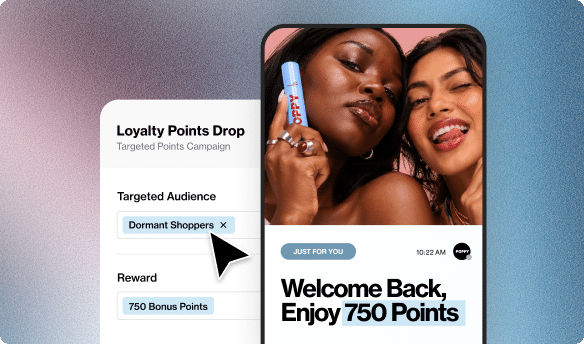
Use segmentation to identify members who haven’t purchased or redeemed points recently. Send them targeted campaigns with special offers, like bonus points on their next purchase or a reminder of their current point balance to create a sense of urgency.
Why are VIP tiers so important for long-term loyalty?
VIP tiers tap into the human desire for status and recognition. They give your most valuable customers a reason to consolidate their spending with your brand and give all other members an aspirational goal to strive for, encouraging continued engagement over the long term.











 Join a free demo, personalized to fit your needs