









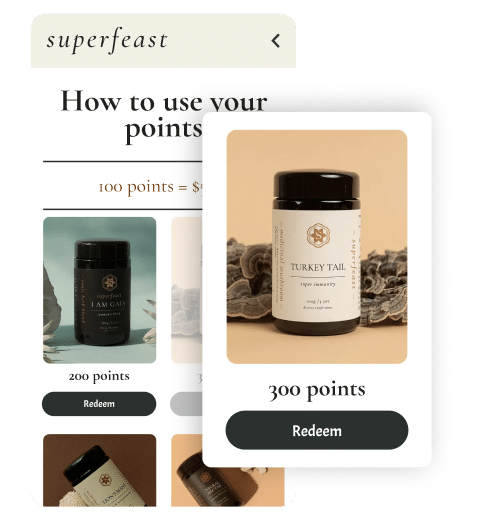
E-commerce growth has changed in a fundamental way. The days of relying on cheap customer acquisition to scale are gone, replaced by a complex market where repeat purchases decide sustainable profit margins. For e-commerce leaders, the challenge isn’t just attracting the first click anymore. It’s turning that click into a lasting customer relationship.
Here’s what that shift actually looks like in practice: the role of a customer loyalty solution has moved from a simple points tracker to a retention engine that sits close to the center of the business. The brands pulling ahead are the ones building structures that turn single transactions into lifetime value, on purpose, with a plan behind it.
Key Takeaways
- Marketing teams are shifting budgets toward retention, with research showing marketers now allocate a majority of marketing budgets to loyalty and CRM efforts.
- Retention strategies deliver dependable returns: a majority of program owners report a positive return on investment.
- Repeat purchases are essential for direct-to-consumer businesses, since 60% of DTC revenue comes directly from returning buyers.
- Customer expectations keep climbing: 77% of Millennials prioritize a fast, efficient digital experience.
- Personalization is a real differentiator, and 62% of Gen Z consumers will opt into hyper-personalized loyalty settings in exchange for better rewards.
- The mechanics matter as much as the strategy — points, tiers, and referrals only work when they’re integrated with reviews, email, and SMS, not run as a disconnected side project.
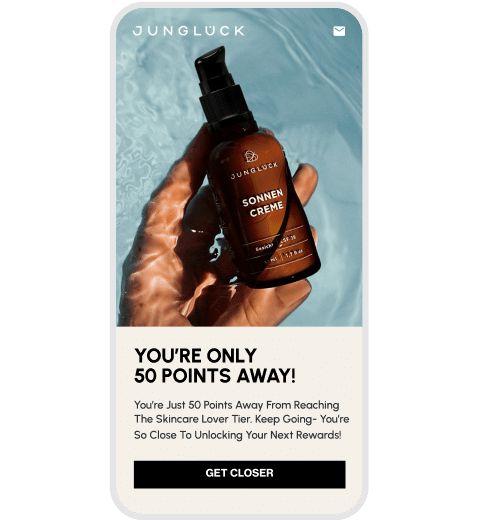
The Retention Imperative: Why First-Touch Acquisition Is No Longer Enough
A VP of E-Commerce at a forty-million-dollar fashion brand sits in a quiet office in Chicago at 7 AM, looking at a dashboard where customer acquisition cost has climbed for the fourth consecutive quarter. The paid social spend keeps growing, yet the volume of new customers barely moves. This scenario is playing out across the industry as traditional advertising channels get more saturated and less predictable by the month.
The fix isn’t spending more on top-of-funnel acquisition. It’s fixing the leaky bucket. When you look at the economics of modern retail, the math gets clear fast: returning customers are a far more profitable audience than first-time browsers. Merchants who prioritize post-buy engagement tend to be the ones holding onto strong operating margins when everyone else is watching CAC creep up.
To put this in perspective, research shows that 60% of DTC revenue is generated by repeat buyers. Despite that, a lot of brands still spend most of their budget trying to win the first sale, leaving the second sale entirely to chance.
Retention isn’t a secondary project for slow quarters anymore. It’s the primary way modern brands survive rising ad prices. A customer who buys once is a transaction. A customer who returns three times is a sustainable growth engine you can actually plan around.
By shifting focus toward customer retention, you protect your business from the volatility of ad auctions. The goal of a modern customer loyalty solution is to make that shift structural, repeatable, and measurable, not something that happens by accident when a customer happens to like you.
What Does Loyalty Even Mean to a Brand-Disloyal Generation?
Winning loyalty has gotten a lot harder, especially as younger buyers gain more purchasing power. Gen Z now holds $143B in direct spending power, which makes them a critical demographic for any growing brand. And yet they’re also the most brand-disloyal generation ever measured.
These younger cohorts don’t join loyalty programs out of abstract brand affection. They join because they expect clear, immediate utility and rewards that feel personal. They want a program that understands their preferences and actually rewards them for showing up.
The gap between what marketers believe drives loyalty and what customers actually care about is wide. 65% of marketers believe customers return out of brand love, but fewer than one in four consumers agree. Practical factors like convenience, value, and a smooth digital experience are what actually decide where people spend their money.
Personalization has gone from optional tactic to baseline expectation. Consumers are happy to share their preferences, but only if they get better service and rewards in return. Research confirms that 62% of Gen Z and most of Millennials will opt into customized settings for better perks.
Consumer loyalty isn’t built on emotional assumptions anymore. A lot of brand operators still believe customers buy because of emotional affinity, but the reality of retail is far more practical than that.
Shoppers expect instant utility, fast digital interfaces, and clear value exchanges. Programs that lean on fuzzy emotional loyalty instead of structural rewards lose engagement quickly. The brands winning this transition are the ones building clear utility directly into their mobile and web experiences, not the ones writing the warmest brand story.
If your customer loyalty solution feels like a generic sign-up form, modern shoppers will tune it out fast. To keep them interested, you need a system built around instant gratification, custom rewards, and interactions that feel worth their time.
Designing for the modern consumer means making every touchpoint worth something. When a shopper feels your program respects their time and rewards their habits, they’re far more likely to stay active in it.
How Loyalty Mechanics Actually Work: Points, Tiers, and Referrals
It’s worth slowing down here, because a lot of brands adopt loyalty mechanics without understanding why each piece exists. Points, tiers, and referrals aren’t three separate features bolted together. They’re three different levers that each solve a different retention problem, and a customer loyalty solution only works well when all three are pulling in the same direction.
Points programs solve the simplest problem: giving customers a reason to come back that they can see and track. A point balance creates a small, ongoing sense of “unfinished business” — the customer knows they’re partway toward something, and that pulls them back to check in, browse, and often buy again before the points would otherwise expire. The mistake many brands make is treating points as the entire strategy instead of the entry point into one.
Tier and VIP structures solve a different problem: recognition. Points reward transactions, but tiers reward relationships. A customer who’s spent significant time and money with your brand wants to feel like that history means something, and a tier structure is how you signal it.
Early access, free shipping thresholds, exclusive product drops, and dedicated support lines all work because they can’t be bought with a single large order. They have to be earned over time, which is exactly what makes them valuable to your best customers.
Referral programs solve a third problem entirely: trust transfer. A referral works because it borrows credibility from someone the new customer already trusts, which is why referred customers behave so differently from customers who arrive through an ad.
That’s also why referral mechanics need to sit inside the same loyalty system as points and tiers, rather than running as a bolted-on side program. The reward for referring should feel connected to the reward for buying, not like a separate app entirely.
Statistics back up how much momentum these mechanics build together. A second purchase makes a third 45% more likely, and a third purchase makes a fourth 54% more likely. A well-designed customer loyalty solution targets these specific transition points with rewards timed to match them, rather than sending the same generic offer to every customer regardless of where they are in the relationship.
Referral programs are especially effective at driving that momentum. Referred customers are highly qualified, converting at a median rate of 3% to 5%, with top-performing programs exceeding 8%. Referrals deliver a 3x higher conversion rate than traditional marketing channels, and referred buyers convert 5x faster than non-referred shoppers — making them one of the most cost-effective ways to bring in new customers.
While many brands track basic repeat-purchase rates, the leading teams connect loyalty to a broader system. Linking customer loyalty software with review collection lets merchants reward authentic shopper voices directly. Brands using Yotpo Loyalty can automatically award points to customers who submit feedback through Yotpo Reviews, which compounds brand visibility and engagement at the same time.
Connecting loyalty with advocacy creates a self-sustaining system. Customers earn points for writing reviews, those reviews build trust with new shoppers, and those new shoppers join the loyalty program after their first purchase — closing the loop instead of leaving it open.
This integrated approach turns your existing customer base into a marketing channel of its own. It lowers acquisition costs while building a community of repeat buyers who keep the flywheel turning.
Common Mistakes Brands Make With Loyalty Programs
Most loyalty programs don’t fail because the idea was wrong. They fail because of a handful of avoidable mistakes that show up again and again across brands of every size.
The most common one is treating loyalty as a pure discount ledger. Points become just another coupon code, redeemable for a flat dollar amount off, with no tier structure, no recognition, and no reason for a customer to feel anything about the brand beyond “cheaper.” This approach can work for a while, but it trains customers to wait for a discount instead of building any real preference for you over a competitor, and it quietly erodes margin with every redemption.
A second mistake is ignoring the second-purchase window. Brands pour resources into welcoming a first-time buyer, then go quiet right when churn risk is highest. As covered above, a second purchase dramatically raises the odds of a third — so the period right after that first order is exactly when a loyalty program should be doing its most active work, not sitting dormant.
A third mistake is running loyalty as an island, disconnected from reviews, email, and SMS. When a customer’s loyalty status doesn’t inform what email they get or what a review request looks like, you lose the compounding effect that comes from treating loyalty data as a signal the rest of your marketing stack can use. A VIP customer and a first-time buyer shouldn’t get the same generic newsletter.
A fourth mistake is letting rewards go stale. Tiers and perks that made sense at launch can lose their appeal within a year or two, especially if a brand’s product catalog or customer base shifts. A reward structure needs periodic refreshing, the same way a merchandising strategy does — set it once and it slowly stops working.
And a fifth mistake, maybe the most common one of all: never actually tracking cohort-level ROI. A lot of teams can report total points issued or total members signed up, but can’t answer the more important question — did loyalty members from a given cohort actually spend more, come back more often, and stay longer than non-members? Without that answer, it’s hard to know whether the program is working or just running.
What Should You Actually Look for When Choosing a Loyalty Solution?
Once a brand decides to invest in a real customer loyalty solution, the next question is how to evaluate the options in front of them. A features checklist only gets you so far — what matters more is how a platform behaves once it’s live and handling real customer data every day.
Integration depth is the first thing worth checking. A loyalty platform that lives in isolation from your reviews, email and SMS tools, subscriptions, and core ecommerce platform will always underperform one that’s built to connect with them. Ask specifically how loyalty data flows into your other systems, not just whether an integration technically “exists.”
Flexibility of rules and tiers matters just as much. Your loyalty program on day one won’t look like your loyalty program in year two, and a platform that locks you into a rigid tier structure will force you to either live with something that no longer fits or rebuild from scratch. Look for a system that lets you adjust earn rates, add tiers, and launch limited-time promotions without engineering support every time.
Analytics and reporting quality is where a lot of platforms quietly fall short. It’s not enough to see how many points were issued — you need cohort-level views into redemption rates, VIP progression, and lifetime value changes over time, the kind of data that tells you whether the program is actually driving profit rather than just activity.
Ease of launch and iteration deserves real weight too. A program that takes months to configure delays the moment you start seeing a return, and a program that’s hard to adjust afterward means every good idea competes for scarce technical resources. The best platforms let a marketing team make meaningful changes without a developer in the room.
The support model is worth asking about directly, not assuming. Some vendors hand over a login and step back. Others act as an ongoing partner who helps you interpret your own data and refresh your program before it goes stale. Given how many brands buy software and then lack the internal bandwidth to run it well, this distinction matters more than it looks like on a sales call.
Finally, weigh total cost of ownership against realistic ROI, not against the sticker price alone. A cheaper platform that requires extra headcount to manage, or that can’t integrate with the rest of your stack, often costs more in the long run than a pricier platform that runs cleanly inside your existing systems.
It also helps to be honest about your own team’s shape before you evaluate anything. A five-person ecommerce team with a simple catalog has very different needs than a fifty-person team managing multiple brands and a complicated SKU structure. Growth stage matters too — a brand scaling fast needs a platform that can keep pace with rule changes and new tiers without a six-month implementation cycle each time.
The Shift Beyond Points: Moving to a Value Exchange
Many brands treat loyalty as a simple discount program. They hand out points that customers redeem for five dollars off their next purchase. This approach often leads to a race to the bottom that shrinks profit margins without building any genuine customer retention.
Real loyalty is a mutual exchange of value. The customer gives you their business, attention, and data. You give them personalized experiences, early access to new products, and benefits they can’t get anywhere else. That exchange builds retention that survives price changes, which a discount-only program never does.
Building that kind of relationship takes a genuinely flexible technology partner. The customer loyalty solution you choose has to handle complex earn-and-redeem rules, tier structures, and custom rewards without slowing down your site or your team.
The platform also has to provide clear data. Growth-focused e-commerce brands rely on dashboards that show real customer trends, cohort value, and reward redemptions without inflating the numbers to look better than they are.
The history of Yotpo Loyalty shows what’s possible when technology is paired with real, mature expertise. Having powered e-commerce loyalty programs since 2016, Yotpo understands the different challenges that show up across retail verticals, from fashion to beauty to CPG.
The Yotpo team works as an extension of your own, helping you design and launch programs that actually drive revenue. In 2024 alone, Yotpo helped launch 24,000 programs and supported forty-six hundred global brands.
A successful loyalty system needs both software flexibility and human expertise. Plenty of organizations buy platforms only to discover they don’t have the internal resources to regularly refresh rewards and manage complicated tier structures on their own.
Without a structured roadmap, loyalty software becomes a stagnant ledger of unused points. Having an experienced partner who understands retail-specific margins is what prevents that operational stall from happening in the first place.
True optimization takes ongoing collaboration between your technology platform and your marketing team — it’s not a one-time setup you configure and forget.
When you move past simple discounts, you build a program that protects your margins and your brand equity at the same time. Customers stay because they value the experience, not just because they’re holding a coupon.
That shift is what separates high-growth brands from the ones struggling with rising CAC. It turns customer retention into a predictable, flexible business driver instead of something you hope happens.
What Does Yotpo Loyalty Actually Include?
It’s worth being specific about what a platform like Yotpo Loyalty covers, since “loyalty software” can mean very different things depending on the vendor. At its core, the platform handles points and rewards, letting brands define custom earn rules tied to purchases, reviews, referrals, and other actions that matter to their business.
On top of that sits VIP tier management, which lets brands build multi-level structures with escalating perks — early access, free shipping, exclusive products, and dedicated support — without needing a developer to launch a new tier or adjust an existing one.
Referral tools are built into the same system rather than bolted on separately, so a referred customer’s reward and the referrer’s reward both live inside the same loyalty logic as points and tiers.
The integration layer is where things get genuinely useful. Yotpo Loyalty connects with Yotpo Reviews, so review submissions can trigger point awards automatically. It connects with Yotpo SMS & Email, so loyalty status and point balances can drive personalized messaging instead of generic blasts. It connects with subscriptions, so recurring purchases feed into the same loyalty logic as one-time orders. And it supports Shopify along with other major ecommerce platforms, so brands aren’t forced to rebuild their loyalty data separately from their storefront.
Underneath all of it is a single customer view — one profile that ties together purchase history, review activity, referral activity, and loyalty status, instead of scattering that data across disconnected tools. That single view is what makes the analytics and reporting genuinely useful: cohort-level dashboards that show redemption rates, VIP progression, and lifetime value changes, so a marketing team can see whether the program is actually working rather than guessing from surface-level metrics.
The Action Framework: Deploying an Agile Customer Loyalty Solution
Setting up a modern retention program doesn’t have to be overwhelming. By breaking the process into clear phases, you can build a system that grows alongside your business instead of one you have to rebuild every year.
First, audit your existing customer data to understand your baseline. Knowing your average repeat purchase rate and customer lifetime value is essential before making any major changes.
Next, build a multi-tiered VIP structure that rewards your best customers with real perks. High-tier benefits like early product launches or free shipping tend to drive more engagement than simple discounts do.
Third, integrate your loyalty program with your other marketing tools, including your email platform and review system. This makes sure loyalty data actually gets used to personalize every customer touchpoint, not just the loyalty page itself.
Finally, track your program metrics and keep iterating. Use cohort analysis to track point redemption rates, VIP progression, and changes in lifetime value over time, and treat that data as a living input rather than a quarterly report you file away.
To help you structure this process, here’s a simple four-stage deployment framework:
| Deployment Stage | Key Focus Area | Primary Objective | Expected Outcome |
|---|---|---|---|
| Stage 1: Audit | Analyze baseline customer data and purchase intervals. | Identify where customer churn is highest. | A clear map of retention opportunities. |
| Stage 2: Design | Build VIP structures and select custom rewards. | Create clear, attractive value exchanges. | A branded, engaging loyalty page. |
| Stage 3: Integrate | Connect loyalty software with email and reviews. | Personalize communication across all customer channels. | Automated reward notifications and custom emails. |
| Stage 4: Optimize | Track redemption velocity and cohort metrics. | Refine incentives to maximize profit margins. | Consistent growth in customer lifetime value. |
Following this structured approach keeps your loyalty program a core driver of business growth rather than a side project. Each phase builds on the last, helping you create a genuinely profitable retention loop.
“Loyalty is no longer just a points game; it’s a critical strategy for protecting your brand margins. The brands winning today are those that treat their customer loyalty solution as a core product, design personalized experiences, and build continuous retention loops.”
Ben Salomon, Growth Marketing Manager at Yotpo
Ready to build an effective retention strategy? Learn more about the loyalty platform built for growing brands, or read through the Yotpo blog to see how other industry leaders are scaling. For details on getting started, check out the flexible pricing options or learn more about Yotpo and the team behind it.
Frequently Asked Questions
Why is a customer loyalty solution essential for growing brands?
A dedicated customer loyalty solution helps brands increase repeat purchase frequency and grow customer lifetime value. That focus on retention lowers acquisition costs and builds a more predictable revenue stream, which matters more as paid acquisition gets more expensive.
What is the average return on investment for loyalty programs?
Most program owners report a positive return on investment, with returns averaging over 5x their initial platform spend. That makes loyalty programs one of the more reliable investments a marketing team can make, especially compared to the rising cost of paid acquisition.
How do modern consumers view brand loyalty?
Modern shoppers, especially Gen Z, are highly practical. They expect immediate value, personalized rewards, and quick digital experiences, and they’re far less driven by abstract brand love than marketers tend to assume. Clear value exchanges win out over sentiment almost every time.
Can we award loyalty points for writing product reviews?
Yes, brands using Yotpo Loyalty can automatically give points to customers who write reviews or submit photos and videos. This integration encourages customer advocacy and generates authentic shopper voices for your site at the same time.
How do referral programs help lower acquisition costs?
Referrals turn your existing customers into advocates, driving new buyers to your site at a much lower cost than traditional ads. Referred customers convert faster, buy more, and are more likely to stay loyal long-term than customers acquired through other channels.
What metrics should we track to measure program success?
Focus on cohort-level metrics like point redemption rates, repeat purchase frequency, and lifetime value. Tracking these numbers keeps you focused on real profit rather than vanity metrics like total member signups.
How can we prevent customers from unsubscribing from loyalty emails?
Avoid sending too many generic, irrelevant messages, which is the most common reason customers unsubscribe. Instead, use customer data to send personalized updates about point balances and VIP tier milestones that actually feel relevant to that customer.
Does Yotpo provide dedicated support for loyalty programs?
Yes, Yotpo provides a dedicated support model with e-commerce loyalty experts who act as an extension of your marketing team. They help you design, launch, and optimize your program based on deep experience across retail verticals.
What’s the biggest mistake brands make when launching a loyalty program?
Treating it as a pure discount ledger instead of a value exchange. Programs that only hand out points for dollars off tend to shrink margins and train customers to wait for a deal, rather than building any real preference for the brand.
How long does it take to launch a customer loyalty solution?
Timelines vary by catalog complexity and team size, but a phased approach — audit, design, integrate, optimize — lets most brands launch a functioning program well before every advanced feature is built out, then keep refining it from real data.










 Join a free demo, personalized to fit your needs