









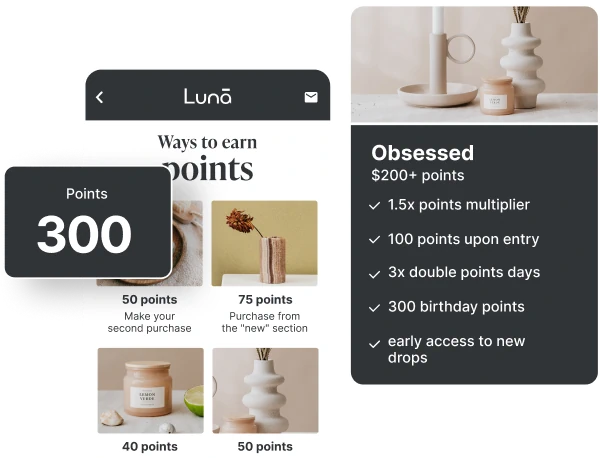
Walk into any retail back office in 2026 and you’ll find the same conversation happening. Shoppers don’t want another plastic card cluttering their wallet, but they still want to be recognized and rewarded for coming back. That’s the tension driving the shift from paper punch cards to digital loyalty card systems, and for retail leaders it’s become one of the clearest paths to owning first-party data and building recurring revenue. Below, we’ll walk through how modern brands are replacing legacy systems with digital-first setups, what actually changes under the hood, and how to choose (and roll out) a system that fits your business.
Key Takeaways
- Marketing teams now allocate a majority of total marketing budgets to loyalty and CRM strategies.
- Retaining existing buyers is highly profitable, as repeat customers spend 3x more per visit than first-time shoppers.
- Modern shoppers demand frictionless technology, with 77% of Millennials prioritizing a fast, efficient digital experience.
- Building digital customer relationships is highly lucrative, as 60% of DTC brand revenue comes from returning buyers.
- Modern personalization drives adoption, with 62% of Gen Z willing to opt into personalized loyalty setups.
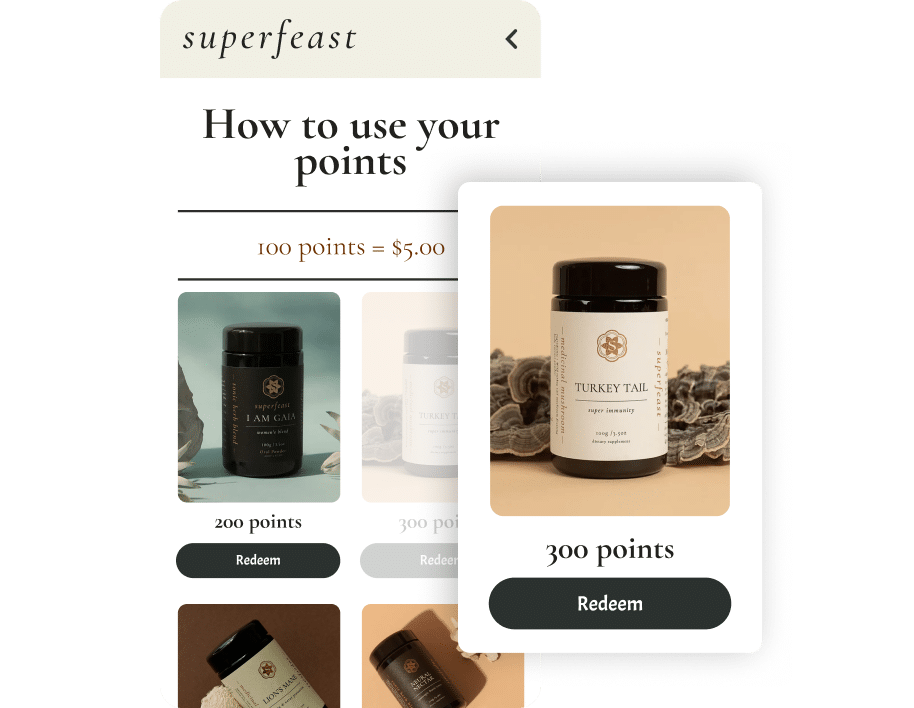
Why Traditional Loyalty Systems Are Migrating to Digital
Paper and plastic cards did their job in an era when almost all retail happened offline. They gave customers a physical reminder that a business existed, but they never captured the behavioral data you’d need to personalize a shopping experience.
Now shoppers carry their entire lives on their phones, and they expect brands to meet them there. Carrying a stack of plastic cards feels like a habit younger shoppers simply never picked up.
The preference data backs this up clearly. Research shows 64% of consumers prefer mobile apps over email for loyalty interactions. Move your program to a digital structure, and you’re putting your brand exactly where customers already spend their time.
A digital customer loyalty card system works as a central record of first-party behavioral data. You can see when someone buys, which products they gravitate toward, and how they respond to your marketing. None of that visibility exists with a physical card.
What a Digital System Actually Tracks
It’s worth getting specific about what “behavioral data” means in practice, because this is where a lot of the value hides. A good digital loyalty card system tracks purchase frequency and recency, not just the fact that someone bought once. It watches average order value trends per member over time, so you can spot who’s trading up and who’s drifting toward smaller baskets.
It also tracks which channel a member actually engages through, whether that’s email, SMS, the mobile app, or an in-store scan, which tells you where to invest your messaging budget. And it separates earning behavior from redemption behavior, which matters more than most brands realize. Remember that gap we mentioned above, members who rack up points but never cash them in? A system built for tracking surfaces that split clearly, along with referral activity, review and UGC participation, tier movement over time, and churn signals like days since a member’s last purchase or redemption. Paper cards can’t tell you any of this. They can only tell you how many stamps are left before a free coffee.
A director of retention at a $25M premium-coffee brand checks her dashboard every morning around 7am, the same hour her best customers tend to reorder. Half her loyalty members haven’t redeemed a single point in 90 days. They’re earning, but not spending. That gap is where churn hides in plain sight, and it’s invisible unless your system is built to surface it.
The Economic Reality for Commerce Leaders
Customer acquisition costs keep climbing, which makes retention the real driver of profitability now. When acquisition budgets deliver less for every dollar spent, brands have to get more value out of every customer they’ve already won.
A modern digital loyalty card system is the infrastructure that makes that kind of value predictable instead of accidental.
Picture a CMO at a growing DTC brand sitting in a quarterly business review, watching acquisition costs climb again. First-time buyers cost too much to lean on for sustainable margin growth, so the business needs a way to turn a one-time visitor into a source of steady, repeat revenue. That’s the shift from top-funnel spending to back-end retention, and it’s happening at nearly every brand we talk to.
Corporate spending already reflects this shift. Marketing leaders now put more than half their budgets toward retention and CRM. That’s a rational bet: once a customer places a second order, the odds of a third climb to 49%, which compounds into a real revenue loop over time.
And the return on these programs holds up under scrutiny. When brands measure loyalty performance directly against member spend and repeat rate, a well-run program consistently earns back more than it costs to run. A strong digital system isn’t a nice-to-have for enterprise brands anymore, it’s foundational.
Key Features of a Modern Loyalty System
A digital customer loyalty card system needs more than a basic points tracker to earn its keep. To drive real engagement, it has to connect to your entire e-commerce and physical retail stack, not sit off to the side as a standalone tool.
The core of any modern setup is a flexible rewards engine. It goes beyond transaction-based points, letting customers earn for social shares, birthday milestones, and reviews. That variety keeps people engaged between purchases, instead of going quiet until their next order.
So how do you move physical-card holders into digital without friction? Digital wallet integration is the answer, letting shoppers save their loyalty card straight to Apple Wallet or Google Pay. That gives them instant access to their status at checkout, no dedicated app required.
How the Technology Actually Works
Underneath the customer-facing pass sits a fairly straightforward tech stack. When a member joins, the system generates a unique member ID tied to a barcode or QR code, which gets embedded into a mobile wallet pass (PKPass format for Apple Wallet, a similar structure for Google Pay).
That pass syncs with your point-of-sale and e-commerce platforms through the cloud, so a purchase made in-store and one made online both land in the same real-time points ledger.
At checkout, redemption works by scanning that barcode or QR code, whether the register is physical or digital. The system checks the member’s balance, applies whatever rule set you’ve configured, and updates the ledger instantly. Tier calculations run quietly in the background: every time a member’s spend or engagement crosses a threshold you’ve set, the system re-evaluates their tier and unlocks (or occasionally steps down) their benefits without anyone needing to touch a spreadsheet.
VIP tier structures are another core piece of a modern program. Tiers create a gamified path where customers unlock bigger benefits step by step, like free shipping, early product access, or invite-only events. That progression gives people something to aim for and tends to push average order values higher as members work toward the next level.
Personalization has to sit at the center of all this. Shoppers expect a program that feels built around them specifically. 62% of Gen Z say they’ll opt into hyper-personalized loyalty settings for better perks, which tells you modern consumers are willing to trade data for a more relevant experience.
That’s a sharp contrast to how a lot of marketers still think about loyalty. While 65% of marketers believe customers come back mainly out of brand love, fewer than a quarter of consumers actually name emotional attachment as a real driver. People come back for tangible value, clear utility, and an experience that doesn’t waste their time.
Digital vs. Punch Cards: What Actually Changes
It helps to lay the two systems side by side, because the differences go well beyond “one is on paper and one is on a phone.”
Start with the basics: a punch card lives in a drawer, a wallet, or the bottom of a bag, and once it’s lost, every stamp on it is gone. A digital record can’t be misplaced. It lives on a server, tied to the customer’s account, so a lost phone or a new device doesn’t erase progress.
Then there’s data. A punch card captures exactly nothing about the person holding it, no purchase history, no product preference, no way to reach them again. A digital system captures all of it, which is the entire reason it can power the personalization and remarketing we’ve been talking about.
Punch cards also lock you into one flat structure: buy ten, get one free, with no room for nuance. Digital systems support multiple tiers and multiple ways to earn, so a big spender and a frequent reviewer can both be rewarded, just through different paths.
At the counter, a punch card means a staff member manually stamping or hole-punching a physical object, which is slow and easy to forget during a rush. A digital pass scans and syncs in under a second, with no manual step to skip.
And a punch card gives you no way to reach a customer between visits. It just sits there until they happen to come back. A digital pass sits on a lock screen and can trigger an email, a text, or a geo-targeted push exactly when a member is near your store, turning the loyalty card itself into a marketing channel.
Put together, that’s why digital converts better. There’s less friction (no physical object to remember or lose), more visible progress (a live point balance beats a card you can’t find), and personalization that’s simply impossible without a data layer behind it.
The mobile-preference numbers we cited earlier, most choosing apps over email, and most of Gen Z wanting hyper-personalized perks, are both symptoms of the same underlying shift. Shoppers want their loyalty program to behave like the rest of their digital life.
Yotpo Loyalty as Your Strategic Retention Partner
Rather than handing you unguided software and leaving you to figure it out, Yotpo pairs an elite team of e-commerce loyalty experts with a flexible platform that evolves alongside your brand. That’s advanced technology backed by dedicated human expertise, not one or the other.
The loyalty platform is fully customizable, so your team can build branded loyalty pages and interactive on-site elements that actually match your brand identity. You won’t need developer resources just to launch a campaign or adjust a tier benefit.
We’ve spent years refining this technology to meet the demands of scale. Yotpo has powered e-commerce loyalty programs since 2016, which means deep experience across a wide range of verticals and retail challenges. We’ve built the software to grow with you as you move from mid-market to enterprise.
Our performance numbers reflect that commitment to partnership. In 2024 alone, Yotpo Loyalty launched 24,000 programs and supported the ongoing strategy of 4,600 global brands. That volume gives us benchmark data most vendors simply don’t have access to, and we use it to sharpen your retention strategy.
Software alone can’t fix a broken retention strategy. Plenty of brands buy a highly configurable loyalty tool and then never actually configure it to match their margins.
That’s why our customer success model pairs your team with dedicated loyalty strategists who specialize in commerce-specific challenges. We help you design earning rules, VIP tier thresholds, and redemption structures that build long-term value without eating into your product margins.
This combination of a flexible platform and expert guidance is what helps you launch well and keep iterating as customer behavior shifts.
To keep you current on industry shifts, we publish regular tactical guides and retention benchmarks on the Yotpo blog. We’re upfront about pricing too, with structures that flex based on your brand size, which you can review on our pricing page. You can also learn more about Yotpo and what we’re trying to build for brands long-term.
What Else Yotpo Loyalty Brings to the Table
Beyond the core points engine, Yotpo Loyalty gives you real flexibility in how you structure VIP tiers, letting you set thresholds and benefits that match your specific margin structure rather than a generic template. Referrals work as a built-in earning mechanic too, so word-of-mouth becomes something you can actually track and reward, not just hope for.
The platform connects natively with Yotpo SMS & Email and Yotpo Subscriptions, which means loyalty status can inform your messaging and your subscription offers instead of living in a separate silo. That adds up to one unified view of each customer across every Yotpo product you run.
Reporting depth lets you see tier progression, redemption trends, and program ROI in one place. And because the platform integrates with Shopify and other major commerce platforms, most brands can get the technical side connected without a lengthy custom build.
Brands using our retention technology alongside our reviews product can automatically award loyalty points to customers who submit feedback through our review capture features. That connection helps you collect more authentic shopper voices while rewarding your most active community members with real value.
What to Look for When Choosing a Loyalty System
Not every buyer’s guide question is about features. Some of it comes down to fit. Before you commit to a platform, it’s worth working through a short list of buyer criteria that tend to separate a good fit from a frustrating one.
First, check integration depth with your POS and e-commerce platform. A loyalty system that can’t talk cleanly to where your transactions actually happen will always lag behind reality.
Second, look at analytics and reporting depth. Can you see tier movement, redemption velocity, and AOV lift by segment, or just a basic points balance? The first gives you a program you can actually manage.
Third, weigh the flexibility of earning and redemption rules. Can you reward reviews, referrals, and social shares alongside purchases, or only purchases? Rigid systems age poorly as your marketing mix evolves.
Fourth, confirm omnichannel support. Your loyalty mechanics should work identically whether a customer buys on the app, on the website, or at a physical register.
Fifth, ask about implementation support. A platform with a real customer success model, not just a help center, tends to get configured correctly the first time, which matters more than it sounds like it should.
Finally, understand how ROI actually gets measured. The vendor should be able to show you how to compare loyalty-member AOV and repeat rate against non-members, so the program’s value is provable, not just assumed.
Building a High-Converting Loyalty Structure
Moving to a modern digital customer loyalty card system takes a structured plan. Brands that pull this off well tend to use a phased approach that keeps technical work and customer adoption moving together.
First, establish your retention benchmarks. Calculate your current repeat buy rate, customer lifetime value, and average time between purchases. These numbers become your baseline for measuring whether the program is actually working financially.
Second, define your earning and redemption rules. Balance your points-to-currency value carefully to protect gross margins. Entry-level rewards should be easy to reach, to encourage early participation, while top VIP tiers should require real, sustained engagement.
Third, connect your loyalty engine across every customer touchpoint: your online cart, your physical POS systems, and your mobile app. A customer should get the same loyalty experience whether they’re checking out on their phone or standing at a register.
Finally, roll out your launch campaign. Use your existing email list and social channels to announce the new digital card system. Offer a welcome bonus to drive early sign-ups, and make sure your customer service and retail staff can explain how the digital card works at checkout, since that first interaction shapes whether a customer bothers to engage again.
“A modern digital loyalty card system isn’t about giving away margins through flat discounts. It’s about creating an exchange of value where customer data and repeat buy habits are met with customized recognition.”
Ben Salomon, Growth Marketing Manager at Yotpo
Frequently Asked Questions
What is a digital customer loyalty card system?
A digital customer loyalty card system is a software-based framework that replaces physical paper or plastic loyalty cards. It tracks consumer interactions, purchases, and brand engagement digitally, allowing shoppers to earn and redeem rewards via mobile wallets, mobile applications, or online accounts. This digital setup gives retail brands important first-party behavioral data to personalize the shopping experience.
How do customers add their digital loyalty card to their phone?
Modern loyalty platforms integrate directly with Apple Wallet and Google Pay, letting customers add their digital loyalty card with a single tap. Shoppers can pull up this card from their phone’s native wallet at any physical or digital checkout. That removes the need for customers to download a separate, resource-heavy app just for your brand.
Can this system connect with our physical point-of-sale (POS) systems?
Yes, enterprise loyalty software is built to integrate with leading POS systems, creating one unified customer view across digital and physical channels. When a customer scans their mobile wallet pass in-store, the transaction logs in real time alongside their online purchase history. That way loyalty members earn points and rewards no matter where they choose to shop.
Will a digital loyalty card system hurt our brand’s profit margins?
A digital loyalty program protects margins when it’s configured correctly, by swapping flat discounts for non-monetary rewards in higher tiers. Experiential perks, early product access, and community exclusivity build brand value without eating into product profitability. The software lets you adjust points-to-currency values so rewards stay aligned with your financial structure.
How does Yotpo Loyalty compare to simpler rewards apps?
Yotpo Loyalty works as a highly customizable retention partner, pairing a flexible platform with dedicated, planned consultation. Simpler rewards apps often ship as rigid, unguided software that can’t scale with complex vertical retail models. Yotpo pairs your team with dedicated Customer Success Managers who actively help you design, analyze, and iterate your loyalty program.
Can we reward customers for non-buy activities?
Yes, modern systems let you reward shoppers for actions like writing product reviews, engaging on social media, referring friends, or celebrating birthdays. That non-buy engagement keeps your brand top-of-mind during the weeks or months between purchases. It turns a basic discount club into an active customer community.
How do digital loyalty programs capture first-party customer data?
Every digital interaction, a point redemption, a tier advancement, a purchase, gets logged in the loyalty dashboard. That gives you clean, first-party data that helps marketing teams build targeted segmentation and personalized campaigns. This kind of data capture matters more each year as third-party tracking cookies keep getting phased out across search engines.
What metrics should we track to measure the loyalty program’s success?
The main indicators are member customer lifetime value (LTV), repeat buy frequency, and points redemption velocity. Compare the average order value (AOV) of loyalty members against your non-member baseline to quantify the actual revenue lift. Track tier progression rate too, since it shows how well your rewards structure motivates continued growth.
How long does it take to implement a digital customer loyalty card system?
The timeline depends on how complex your technology stack is and how much customization you need. A standard digital loyalty program can be configured and launched within several weeks using pre-built integrations. Highly customized, omnichannel deployments involving POS syncs typically need more planned coordination, but they deliver much deeper, more useful functionality once live.










 Join a free demo, personalized to fit your needs