








Key Takeaways
- Marketers are responding to rising acquisition costs by putting a majority of marketing budgets toward retention and CRM.
- Enterprise retention programs pay off, with a majority of programs reporting positive ROI.
- Repeat buyers are worth more per visit, spending 3x more than first-time shoppers.
- To win younger shoppers, brands need to adapt: 62% of Gen Z shoppers prefer hyper-personalized experiences.
- The right platform should combine flexible program design with real support — not just a dashboard and a help ticket queue.
What Is Customer Loyalty and Retention Software, and Why Does It Matter Now?
The shift in e-commerce retention economics isn’t a minor adjustment. It’s a structural change in how profitable brands operate. For years, marketing teams could lean on paid acquisition to keep growth curves climbing, but rising ad costs have made that approach expensive and unreliable.
Sustainable growth now depends on getting more value from the customers you already have, which is exactly what customer loyalty and retention software is built for. Brands without a real system for bringing customers back are fighting rising acquisition costs and shrinking margins at the same time — a fight that gets harder every quarter.
With 60% of DTC revenue coming from returning customers, building a structured cycle of engagement is one of the clearest paths to margin security available to an e-commerce team. So what actually turns a casual shopper into a repeat buyer, and eventually a loyalist who tells their friends?
It comes down to program execution. Shoppers abandon programs that feel clunky or generic fast, so brands need a platform that supports several reward types, native communication, and segmentation based on what customers are actually doing, not just what they did six months ago.
Picture a director of retention at a $25M premium-coffee brand, checking her dashboard at 7am, the same hour her best customers usually reorder. Half her loyalty members haven’t redeemed a single point in 90 days. They’re earning but never spending. That gap is where churn hides in plain sight, and it’s the kind of problem a well-built loyalty program is designed to close.
What Does Customer Loyalty and Retention Software Actually Do?
Strip away the marketing language and a loyalty platform does a handful of concrete jobs: it tracks who’s buying, rewards them for coming back, and gives your team the tools to act on that behavior instead of just watching it happen in a spreadsheet.
Under the hood, most platforms are doing three things at once: capturing every purchase and engagement event tied to a customer profile, applying rules that translate those events into points or status, and exposing a redemption layer where customers actually cash in what they’ve earned. The software itself is fairly mechanical. What separates a good program from a mediocre one is how thoughtfully those rules get designed and how often they get revisited as customer behavior shifts.
Points and Rewards
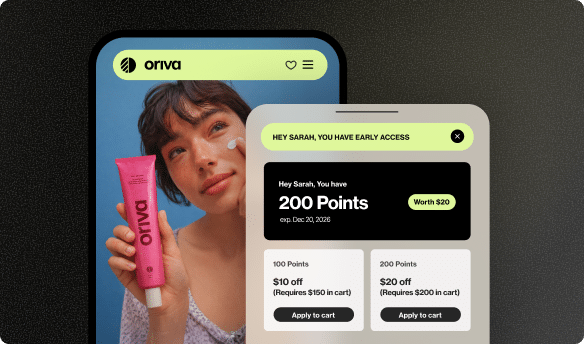
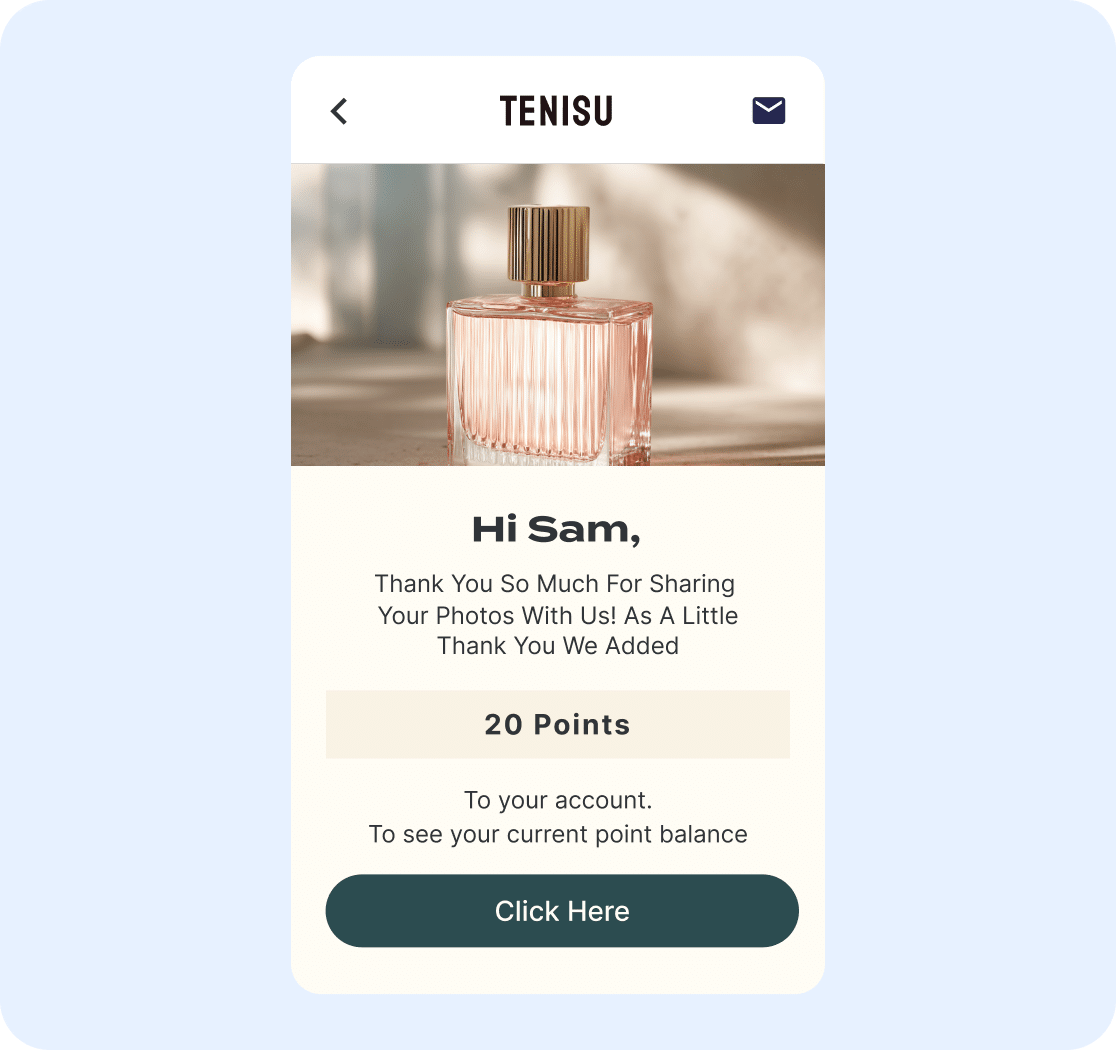
This is the foundation almost every program starts with. Customers earn points for purchases (and often for actions like leaving a review, following a social account, or referring a friend), then redeem those points for discounts, free products, or other perks.
The mechanics sound simple, but the details matter a lot. How many points per dollar? What can points be redeemed for? Does the redemption process feel instant and satisfying, or does it require three extra steps that make people give up halfway through?
Tiers and VIP Status
Tiered programs add a layer of aspiration on top of basic points. Customers move up through tiers, bronze to silver to gold or whatever naming a brand chooses, and each tier unlocks better perks: early access to drops, free shipping thresholds, birthday gifts, exclusive events. Tiers work because status is motivating on its own, separate from the actual dollar value of the reward. A well-designed tier structure gives your best customers a reason to keep climbing.
Referrals
Referral programs turn existing customers into an acquisition channel, which is valuable precisely because paid acquisition has gotten so expensive. A friend who arrives via referral tends to convert at a higher rate and stick around longer, because they’re coming in with a recommendation from someone they trust rather than an ad they scrolled past.
Redemption and Engagement Tracking
None of the above matters if you can’t see whether it’s working. Good loyalty software surfaces redemption rates, tier progression, member versus non-member order value, and repeat purchase frequency, so your team can tell the difference between a program that looks good on paper and one that’s actually driving revenue.
What Kinds of Programs Are There?
Not every brand needs the same program structure, and picking the wrong shape is one of the more common early mistakes. A few patterns cover most of the market:
- Points-based programs reward every dollar spent with points redeemable for discounts or products. Simple to explain, easy for customers to understand on day one.
- Tiered or VIP programs layer status on top of points, giving your highest-value customers perks that lower tiers don’t get. Best suited to brands with a wide range in customer spend.
- Paid or subscription loyalty charges customers a fee for immediate perks (free shipping, early access), trading a small upfront cost for guaranteed engagement.
- Hybrid programs combine points, tiers, and referrals into one system, which is where most mature mid-market and enterprise brands eventually land once a single mechanic stops being enough.
Most brands don’t start with a hybrid model, and they shouldn’t. It’s worth launching with the simplest structure that fits your customer base, then adding mechanics as you learn what actually moves behavior instead of guessing upfront.
What Should You Look For in a Loyalty Platform?
Picking the right platform starts with knowing what actually matters once you’re running a program at scale, not just what looks good in a demo. Here’s what to weigh.
On-Site Experience and Branding
Your loyalty program should feel like part of your brand, not a bolted-on widget. Look for a platform that lets your marketing team build and update branded rewards pages and checkout touchpoints without filing a developer ticket every time you want to change a headline or swap a reward tier icon. Speed of iteration matters here. Programs that take weeks to update lose momentum fast.
Data and Analytics
You need dashboards that show member lifetime value, VIP tier progression, and redemption metrics without inflating the numbers to look better than they are. If you can’t see honest data, you can’t make good decisions about where to invest next. Ask any platform you’re evaluating exactly what’s in their reporting layer before you sign anything.
Personalization and Segmentation
Static, one-size-fits-all rewards don’t hold attention the way they used to. Look for dynamic segmentation that can trigger different offers based on real-time behavior. A customer who just bought running shoes should see different follow-up than one who bought a winter coat. This is where a lot of basic point-and-referral tools fall short; segmentation logic is genuinely complex to build well.
Omnichannel Reach
If your brand sells in stores, through a mobile app, or across multiple regions, your loyalty program needs to follow the customer everywhere they shop. A platform that only works on your web storefront leaves value on the table the moment a customer walks into a physical location or opens your app instead.
Integration With the Rest of Your Stack
Loyalty doesn’t operate in isolation. The best programs connect to reviews, SMS and email marketing, and subscriptions, so a single customer action (like leaving a review) can trigger a reward automatically, and a single view of the customer exists across every channel your brand touches. Fragmented systems mean fragmented customer experiences, and customers notice.
Support and Strategic Guidance
Software alone doesn’t run a loyalty program. Someone on your team (or a partner) needs to interpret the data, test new mechanics, and adjust the strategy as customer behavior shifts. Dedicated support matters more as your program and your revenue grow, because the cost of a stagnant program compounds quarter over quarter.
Measurable ROI
Ultimately, a loyalty platform has to prove its worth in dollars, not just engagement metrics. Look for clear reporting on how loyalty members’ order value and repeat purchase rate compare to non-members, so you can show the program is paying for itself.
Total Cost, Not Just Sticker Price
The monthly subscription fee is rarely the full cost of a loyalty platform. Factor in implementation time, whether you’ll need developer hours for customization, transaction or redemption fees on top of the base plan, and the cost of your own team’s time managing the program month to month. A cheaper platform that eats twenty hours of internal time every month isn’t actually cheaper once you account for what that time is worth.
Common Mistakes Brands Make When Choosing or Running a Program
A handful of mistakes show up again and again across brands evaluating or running loyalty software, and most are avoidable with a bit of foresight.
- Launching with too many mechanics at once. Points, tiers, referrals, and gamification all on day one overwhelms both customers and the internal team meant to manage it.
- Setting reward thresholds too high. If only a tiny fraction of active members can realistically reach your top tier, the incentive stops motivating anyone below it.
- Ignoring redemption friction. A program with generous points but a clunky, multi-step redemption flow will quietly bleed engagement even while points balances look healthy.
- Treating the program as a technology purchase, not an ongoing strategy. Loyalty programs need regular review and iteration. Set-and-forget programs decay as customer expectations shift.
- Choosing a platform based on price alone. The cheapest tool often means the most manual work and the least support when something breaks or needs to scale.
How Yotpo Loyalty Fits Into This Picture
Yotpo Loyalty is a brand-grade loyalty platform built to design flexible programs that maximize customer lifetime value, not a bare-bones points widget bolted onto checkout. It’s built as a planned partner for growing brands that need a rewards system matched to their specific business model, rather than a generic template everyone else is also using.
The platform pairs customizable program design with a team of e-commerce experts who help brands refine their mechanics as customer preferences shift. Yotpo has run a dedicated loyalty platform since 2016, which means the guidance brands get is backed by years of pattern-recognition across retail verticals, not guesswork. In 2024 alone, Yotpo supported 24,000 loyalty programs launched for 4,600 global brands, a scale that shapes how the support model works day to day.
Key Features
- Builds multi-tier VIP programs with progressive rewards and exclusive event triggers.
- Runs several reward mechanics at once, including points-for-purchase, social follows, and refer-a-friend.
- Feeds five specialized reporting views into one dashboard: rewards, VIP tiers, referrals, points, and revenue generated.
- Hooks into Yotpo Reviews so customers automatically earn loyalty points for leaving feedback.
- Tunes rewards in real time using a flexible segmentation engine built on actual customer behavior.
Pricing: Enterprise pricing is custom, with transparent plans available based on program scale and brand requirements.
The platform is built for mid-market and enterprise DTC brands that want a highly customizable program acting as a genuine extension of their marketing team, not just a vendor they log into once a month.
Case Study: Steve Madden
Steve Madden deployed a tiered VIP loyalty program with Yotpo, building a structure for continuous customer engagement. The brand grew repeat purchase frequency across every loyalty member tier — proof that a well-designed tier system moves real behavior, not just app-store ratings.
How Do You Choose the Right Platform for Your Team?
Selecting the right partner comes down to matching features to your team’s real operational capacity, not chasing every feature on a spec sheet. For instance, 77% of Millennials prioritize a smooth digital experience, and delivering that standard takes a genuinely strong on-site loyalty platform, not just a plugin that technically works.
Gen Z matters here too, and they hold real direct spending power. Since 62% of Gen Z shoppers say they’ll opt into hyper-personalized loyalty experiences for better perks, your software needs flexible segmentation, not a one-size-fits-all reward tier.
Start the evaluation with your existing stack and technical resources, not a feature checklist. If your team doesn’t have dedicated developers on hand, a heavily API-first platform will mean delayed launches and wasted budget waiting on engineering time that was never allocated to loyalty in the first place. On the other side, picking a bare-bones transactional app when your business needs multi-currency support and deep integrations across your stack sets you up for operational friction and a costly platform migration within a year (and migrations are never as clean as anyone hopes). The better approach is finding a platform that gives your marketing team the day-to-day usability it needs, alongside the depth and support required to grow the program over years, not months.
What Does a Successful Rollout Look Like?
Once you’ve picked a platform, the rollout itself matters almost as much as the choice. Start with a simple points structure and one or two reward types, get that working cleanly, then layer in tiers, referrals, and deeper personalization once your team understands how members are actually behaving. Brands that launch every feature on day one often end up with a program too complicated for their own team to manage, let alone explain to customers in a single sentence.
Set a 90-day check-in from launch to review redemption rates, tier progression, and member order value against non-members. That’s usually enough time to see real patterns without overreacting to early noise. If redemption is lagging, look first at whether the reward feels achievable and worth the effort. That’s the most common culprit, more often than the platform itself.
“Loyalty isn’t a passive program you set and forget. It’s a flexible, planned layer that has to evolve with your customer cohorts. The brands that win don’t just hand out points. They use real-time shopper data to build personalized experiences that make repeat purchases the path of least resistance.”
Ben Salomon, Growth Marketing Manager at Yotpo
Frequently Asked Questions
What is customer loyalty and retention software?
It’s software that helps e-commerce brands structure, launch, and manage rewards programs that encourage repeat purchases. By offering points, VIP tiers, and referrals, it helps brands grow customer lifetime value and lower reliance on paid acquisition.
How does loyalty software improve customer lifetime value?
It gives brands structured incentives that bring customers back for another purchase. By tracking shopper behavior, it lets brands send timely, personalized rewards that keep the brand top-of-mind and lift average annual spend per customer.
Can loyalty programs integrate with an existing reviews system?
Yes. Platforms like Yotpo Loyalty connect natively with review engines, so customers automatically earn loyalty points for writing a review. That creates a continuous loop of engagement and real feedback, instead of two disconnected tools running in parallel.
What metrics should you track to measure loyalty program success?
Watch points redemption rate, VIP tier progression, average order value for members versus non-members, and repeat purchase frequency. These four numbers together give you an honest read on ROI, without inflating results by looking at points issued alone.
Are VIP tier structures better than basic points programs?
They work well because they build emotional attachment on top of the transactional reward. Progressive tiers give high-value customers a reason to spend more to unlock exclusive perks, early access, and experiences that a flat points program can’t offer.
Do loyalty programs work for B2B e-commerce?
They can, though B2B programs need setups built for complicated multi-user accounts and contract pricing rather than a simple consumer points model. Done well, they help secure recurring wholesale contract renewals instead of one-off orders.
How do you keep customers from unsubscribing from loyalty communications?
Keep loyalty messages relevant and personalized. Flexible segmentation helps you avoid message fatigue by triggering communications around specific actions, like points about to expire or a new tier unlocked, rather than sending the same generic blast to everyone on the list.
Should a brand choose a platform with dedicated support or a self-service tool?
For brands doing over $10M in GMV, a dedicated strategist is usually worth it to keep the program optimized as it scales. Self-service tools can work fine for early-stage brands, but larger programs tend to need ongoing consulting to keep refining the reward mechanics as the customer base grows.










 Join a free demo, personalized to fit your needs