


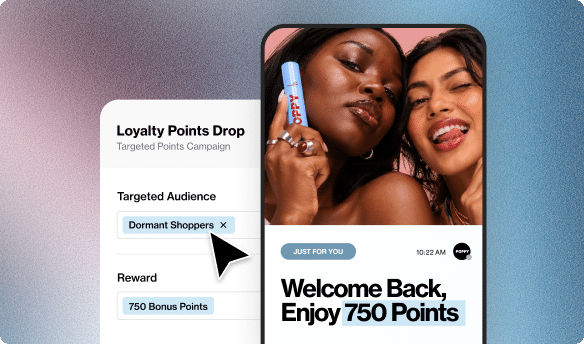







Looking for the best alternatives to Appstle Loyalty & Rewards? You’re in the right place. Choosing the right loyalty platform can truly make a difference for your e-commerce business, but it’s not always easy to pick the perfect fit. We’ll dive into some of the top options available today to help you find a solution that genuinely drives growth and keeps your customers coming back.
Key Takeaways
- Strategic Needs Drive Change: Brands often seek alternatives to Appstle when they require deeper customization, more advanced analytics, or better integrations to create a truly unique and measurable loyalty experience.
- Customization is Crucial: The ability to tailor earning rules, rewards, and VIP tiers to your specific brand identity is a key differentiator among top loyalty platforms.
- Data-Driven Decisions are Key: Robust reporting that shows the direct impact on metrics like customer lifetime value (LTV) and repeat purchase rates is essential for optimizing your loyalty strategy.
- Look Beyond Basic Features: While points and referrals are standard, leading solutions offer strategic guidance and advanced segmentation to help you build a program that evolves with your business.
Why Look for an Appstle Loyalty & Rewards Alternative?
Appstle Loyalty & Rewards provides a solid foundation for loyalty programs, but some businesses find themselves exploring other options. Why might this be the case?
Some of the common reasons are:
- The need for deeper customization and strategic guidance. While Appstle offers essential loyalty features, some brands need more intricate control to create unique, deeply integrated loyalty experiences. This can include advanced customer segmentation, highly specific earning and redemption rules, or multi-tiered VIP programs that are challenging to build without more flexible tools or dedicated support.
- Reporting and analytical capabilities. Businesses frequently seek platforms that provide more robust, detailed insights into their loyalty program’s performance. They want to understand not just point redemptions but also the tangible impact on metrics like customer lifetime value (LTV), repeat purchase rates, and overall customer retention. This deeper analytical view helps refine strategies and demonstrate a clear return on investment.
- Some e-commerce businesses might be searching for a platform that offers seamless integrations with their entire marketing ecosystem. While Appstle focuses on loyalty, many modern brands prefer a solution where loyalty data easily connects with their other best-in-class marketing tools. This integration fosters a more cohesive customer experience and enables richer personalization across all customer touchpoints.
The Top 10 Appstle Loyalty & Rewards Alternatives
Let’s dive into some of the leading loyalty platforms available for e-commerce businesses, starting with a comprehensive solution that many growth-focused brands turn to.
1. Yotpo: Loyalty Rewards Program

Yotpo Loyalty is a best-in-class loyalty and referrals solution designed for eCommerce brands that want to build a lasting, profitable customer base. It empowers you to create a dynamic program with a team of experts to guide your strategy, all powered by a flexible platform that can quickly evolve with your business.
Key Features:
- Exceptional Customization: Build truly unique loyalty experiences with flexible earning rules (points for purchases, social follows, birthdays) and a wide array of redemption options like discounts, free products, and gift cards.
- Strategic VIP Tiers: Segment your customers into distinct VIP tiers with exclusive perks. This encourages higher spending and deeper brand engagement.
- Powerful Referral Programs: Use built-in tools to incentivize your existing customers to refer new ones, turning word-of-mouth into a predictable acquisition channel.
- Robust Analytics & Reporting: Yotpo provides action-oriented insights, not inflated results. The dashboards help you understand program performance, identify risks, and uncover opportunities for improvement.
- Dedicated Strategy & Support: Yotpo’s approach gives you an extension of your team. You get an expert Customer Success Manager (CSM) to help design, launch, and optimize your strategy, along with 24/7 technical support.
Pricing Summary:
Yotpo Loyalty offers several plans designed to scale with your business. Pricing is based on your needs and the features required to support your growth. Yotpo is geared toward established e-commerce brands looking for a comprehensive, enterprise-grade solution that delivers a clear return on investment.
Pros & Cons:
- Pros:
- Unmatched flexibility to create a truly branded loyalty experience.
- Deep, accurate analytics that provide a true understanding of ROI.
- Dedicated strategic support from eCommerce loyalty experts.
- Seamlessly integrates with other marketing tools, including Yotpo Reviews.
- Built to scale and support high-growth businesses.
- Cons:
- Represents a more significant partnership than entry-level apps.
- The extensive features are best suited for brands committed to a strategic loyalty approach.
2. Smile: Loyalty Rewards Program

Smile.io is a popular loyalty platform known for its straightforward interface. It helps e-commerce businesses create reward programs using points, referrals, and VIP tiers.
Key Features:
- Points Programs: Customers earn points for actions like purchases and account sign-ups.
- Referral Programs: Tools to incentivize customers to refer new shoppers.
- VIP Programs: Create tiered loyalty programs with exclusive benefits.
- Integrations: Connects with popular e-commerce platforms and various marketing apps.
- On-site Nudges: Displays program information on your storefront.
Pricing Summary:
Smile.io offers a free plan for up to 200 monthly orders. Paid plans are “Starter” ($49/month), “Growth” ($199/month), and “Plus” ($999/month), with increasing order limits. Overage charges apply if you exceed your plan’s limit.
Pros & Cons:
- Pros:
- Easy to set up for basic loyalty programs.
- User-friendly interface.
- Offers a good range of standard earning and spending options.
- Cons:
- Advanced customization is limited on lower-tier plans.
- Analytics may be less in-depth compared to more advanced platforms.
- Pricing can become costly for high-volume stores due to overage fees.
3. LoyaltyLion Rewards & Referral

LoyaltyLion is a data-driven loyalty and engagement platform focused on helping e-commerce brands increase customer lifetime value through strategic loyalty programs.
Key Features:
- Customizable Programs: Offers options for creating points, VIP tiers, and referral programs.
- Customer Segmentation: Allows businesses to segment customers based on loyalty data.
- Analytics Dashboard: Provides insights into customer behavior and program performance.
- Integrations: Connects with a wide array of e-commerce platforms and marketing tools.
Pricing Summary:
LoyaltyLion offers a free plan for up to 800 monthly orders. Paid plans include “Small Business” ($159/month), “Classic” ($399/month), and “Advanced” ($729/month), with higher tiers for enterprises. Pricing scales with monthly orders.
Pros & Cons:
- Pros:
- Strong emphasis on data for loyalty strategy.
- Good customization options for branded experiences.
- Account management is available on higher plans.
- Cons:
- Can be a significant investment for smaller businesses.
- Full use of advanced features may require more technical understanding.
- Implementation can be more involved than simpler apps.
4. Okendo: Reviews & Loyalty

Okendo is known for its customer reviews platform but also integrates loyalty program features, allowing brands to manage user-generated content and loyalty from a single place.
Key Features:
- Customer Reviews & UGC: Collects and displays product reviews, photos, and videos.
- Loyalty Programs: Provides tools to create points-based rewards programs.
- VIP Tier Program: Allows for the creation of tiered loyalty structures.
- Integration with Reviews: Leverages review data for loyalty insights.
Pricing Summary:
Okendo’s loyalty features are often bundled with their reviews product. Loyalty plans include “Essential” ($79/month), “Growth” ($239/month), and “Power” ($559/month), with pricing based on monthly orders.
Pros & Cons:
- Pros:
- Convenient to have reviews and loyalty features in one platform.
- Can use review data to enhance loyalty efforts.
- Cons:
- Loyalty is a secondary product, with less depth and flexibility than platforms built loyalty-first.
- Limited advanced segmentation and in-program targeting for more personalized experiences.
- Reporting is more high-level and often requires manual exports to clearly measure loyalty ROI.
5. Stamped

Stamped offers a suite of e-commerce tools, including product reviews and loyalty and rewards. Their goal is to provide a platform for customer engagement and retention.
Key Features:
- Points-Based Loyalty: Customers earn points for purchases, social shares, and more.
- Referral Programs: A system to incentivize referrals with customizable rewards.
- VIP Tiers: Set up different loyalty tiers with exclusive benefits.
- Review Integration: Link loyalty points to review submissions.
Pricing Summary:
Stamped has a free plan for up to 50 orders/month. Paid plans include “Basic” ($23/month), “Premium” ($59/month), and “Business” ($149/month), with enterprise options available. Pricing depends on monthly order volume.
Pros & Cons:
- Pros:
- Offers a broad suite of tools in one platform.
- Good for businesses looking to combine reviews and loyalty efforts.
- Cons:
- The depth of loyalty customization may not match dedicated platforms.
- Customer support response times can sometimes vary.
6. Rivo: Loyalty Program, Rewards

Rivo is a loyalty program app popular among Shopify stores. It focuses on creating and managing reward programs to boost repeat business with a user-friendly approach.
Key Features:
- Points System: Reward customers for actions like purchases and sign-ups.
- Referral Program: Set up and manage referral incentives.
- VIP Tiers: Create customizable loyalty tiers with different benefits.
- Flexible Rewards: Offer a range of redemption options, including discounts and free shipping.
Pricing Summary:
Rivo offers a free plan for up to 200 orders/month. The “Scale” plan ranges from $49-$499/month, and the “Plus” plan is $499/month for larger volumes. Higher-tier plans unlock more features.
Pros & Cons:
- Pros:
- Easy to set up and manage, especially for Shopify stores.
- Offers essential loyalty features like points, referrals, and VIP tiers.
- Cons:
- Brands evaluating Rivo often note limitations around advanced segmentation, finance-grade reporting, and proactive strategic support as they scale.
- Lacks the in-depth analytics of enterprise solutions.
- Primarily focused on Shopify, limiting use on other platforms.
7. BON Loyalty Rewards Program

BON is a Shopify app designed to enhance customer retention through a loyalty and referral program. It emphasizes customization and ease of use.
Key Features:
- Flexible Earning Rules: Offers over 18 ways for customers to earn points.
- Redemption Options: Provides numerous ways for customers to redeem points.
- VIP Tiers: Allows for the creation of exclusive VIP tiers.
- Customizable Widget & Emails: Offers a customizable loyalty widget and emails.
Pricing Summary:
BON Loyalty offers a free plan for up to 500 orders/month. Paid plans start from $25/month, with tiers for increasing order volume and unlocking features like VIP and referral programs.
Pros & Cons:
- Pros:
- Good variety of earning and redemption rules.
- Strong customization options for the loyalty widget.
- Cons:
- Primarily focused on Shopify.
- Advanced analytics might not be as comprehensive as some competitors.
8. Growave: Loyalty & Wishlist

Growave is an all-in-one marketing app for Shopify that combines loyalty programs, reviews, wishlists, and gift cards.
Key Features:
- Loyalty & Rewards: Create points programs, referral programs, and VIP tiers.
- Wishlists: Allows customers to save products they’re interested in.
- Product Reviews & UGC: Collects and displays customer reviews.
- Gift Cards: Facilitates the creation and management of digital gift cards.
Pricing Summary:
Growave offers a free plan for up to 75 orders/month. Paid plans include “Starter” ($19/month), “Medium” ($49/month), and “Growth” ($99/month), with custom enterprise plans available.
Pros & Cons:
- Pros:
- Offers multiple marketing tools in a single app.
- Good value if you need several features.
- Cons:
- The depth of each individual module may not match dedicated platforms.
- Primarily built for Shopify.
9. Joy Loyalty Program & Rewards

Joy Loyalty is an easy-to-use Shopify app focused on helping businesses create simple but effective loyalty programs and VIP tiers.
Key Features:
- Points & Rewards Program: Set up flexible rules for earning and redeeming points.
- VIP Tiers: Create customizable loyalty tiers with unique benefits.
- Automated Emails: Send branded emails to inform customers about their status.
- Shopify POS Compatibility: Supports loyalty programs for online and in-store purchases.
Pricing Summary:
Joy Loyalty offers a free plan for up to 250 orders/month. Their “Pro” plan is $29/month for unlimited orders, which unlocks more advanced features.
Pros & Cons:
- Pros:
- Very easy to set up and manage.
- Offers essential loyalty features at a competitive price.
- Cons:
- Lacks advanced segmentation and reporting.
- Customization options are less flexible than more robust competitors.
10. Rise.ai: Gift Cards & Loyalty

Rise.ai focuses on driving retention through a system of store credit, gift cards, and loyalty rewards, emphasizing real cash value incentives over points.
Key Features:
- Store Credit Workflows: Create personalized rewards issued as store credit.
- Gift Card Programs: Manage bulk gift card campaigns and multi-store gifting.
- Referrals & Rewards: Includes features for referral programs and sign-up credits.
- POS Integration: Syncs gift cards and rewards for online and in-store purchases.
Pricing Summary:
Rise.ai offers a “Starter” plan from $19.99/month. Higher tiers like “Small Business” ($59.99/month), “Pro” ($199.99/month), and “Premium” ($599.99/month) unlock more features and support higher order volumes.
Pros & Cons:
- Pros:
- Strong emphasis on store credit and gift cards as incentives.
- Excellent for managing refunds and returns as store credit.
- Cons:
- The focus on monetary credit may not suit all brand strategies.
- Pricing can increase quickly with higher order volumes.
Conclusion & Final Summary
We’ve explored a diverse range of alternatives to Appstle Loyalty & Rewards, each with unique strengths. From the straightforward approach of apps like Joy and Rivo to the integrated solutions like Okendo and Stamped, there’s a solution for nearly every e-commerce business.
However, for ambitious brands looking for sustained growth, Yotpo Loyalty consistently emerges as the leading choice.
Why is Yotpo the preferred solution? It’s not just about a robust set of features. Yotpo provides a partnership with unparalleled strategic guidance, ensuring your loyalty program is a high-performing engine for customer retention. Its cutting-edge analytics empower you with deep, accurate insights, allowing for continuous optimization and measurable ROI. Yotpo Loyalty is a best-in-class product, and while it is incredibly powerful on its own, its potential can be amplified when used with Yotpo Reviews, allowing brands to reward customers for leaving valuable feedback. This focus on strategy and results is what truly sets Yotpo apart, making it the right choice for brands committed to maximizing customer lifetime value.
Frequently Asked Questions
What is a loyalty and rewards program in e-commerce?
A loyalty program is a marketing strategy designed to encourage repeat purchases. It rewards customers for actions like making a purchase or referring a friend. These incentives give customers a compelling reason to choose your brand again and again, fostering a long-term relationship.
How do loyalty programs increase customer retention?
Loyalty programs boost retention by creating a sense of value and exclusivity. When customers earn points or reach VIP tiers, they become more invested in your brand. This reduces their likelihood of switching to a competitor and increases their lifetime value.
What are the key features to look for in a loyalty platform?
When evaluating platforms, prioritize these features: customizable earning and redemption rules, tiered VIP programs, integrated referral programs, robust reporting and analytics, and seamless integration capabilities with your other marketing tools.
Can loyalty programs integrate with other marketing channels?
Yes, absolutely. The best loyalty programs integrate smoothly with other marketing tools, such as your review collection platform. This allows you to create a unified experience, like offering loyalty points to customers who submit a product review.
Is it possible to customize the look and feel of my loyalty program?
Yes, and it’s crucial. A high-quality loyalty platform will offer extensive branding options to match your program’s design, colors, and messaging to your store’s aesthetic. This makes the program feel like a seamless extension of your brand.
What’s the difference between a points-based system and a VIP program?
A points-based system is transactional; customers perform actions (like buying something) to earn points they can redeem for rewards. A VIP program is relationship-based; it segments customers into tiers based on their long-term value (like total spend), offering ongoing exclusive benefits to the most loyal members.
How do I measure the ROI of my loyalty program?
You can measure ROI by tracking key metrics like repeat purchase rate, customer lifetime value (LTV), and average order value (AOV) among loyalty program members versus non-members. A strong analytics platform will help you calculate the revenue generated directly from reward redemptions and referrals.
Are referral programs considered part of a loyalty strategy?
Definitely. Referral programs are a powerful component of a loyalty strategy because they leverage your most loyal customers to acquire new ones. Rewarding existing customers for bringing in their friends strengthens their loyalty while driving cost-effective growth.
How long does it take to launch a new loyalty program?
The timeline varies depending on the platform’s complexity and your own strategic planning. Simple, template-based programs can be launched in a few days. However, a more strategic, customized program often takes a few weeks to design, configure, and test properly.
What are some common mistakes to avoid when creating a loyalty program?
Common mistakes include making the program too complicated for customers to understand, offering rewards that aren’t valuable or attainable, and failing to promote the program effectively. Another major misstep is not using the data to analyze performance and make improvements.
Can loyalty programs work for any type of e-commerce business?
Yes, loyalty programs are highly adaptable and can be tailored to fit almost any e-commerce business, from fashion and beauty to CPG and electronics. The key is to design a program that reflects your brand and offers incentives that resonate with your specific customer base.
How does a loyalty program help with customer acquisition?
While primarily a retention tool, loyalty programs aid acquisition mainly through referrals. By incentivizing your best customers to spread the word, you acquire new, high-intent shoppers who already have a trusted recommendation. Exclusive sign-up bonuses for joining the loyalty program can also attract new customers.
Why is strategic guidance important for a loyalty program’s success?
Strategic guidance from experts helps you design a program that aligns with your specific business goals, rather than just launching a generic points system. Experts can provide insights on industry benchmarks, help you structure tiers and rewards for maximum impact, and identify opportunities for optimization based on performance data.











 Join a free demo, personalized to fit your needs