








What is WYSIWYG? (What You See Is What You Get)
Have you ever tried to draw a picture, and it turned out exactly the way you imagined? Or maybe you’ve built something with building blocks, and the finished toy looked just like the picture on the box? That wonderful feeling of seeing your idea come to life, exactly as you planned it, is what WYSIWYG is all about in the world of computers. It’s a fancy way of saying “What You See Is What You Get.” It means that when you’re creating something on your computer screen, like a letter or a webpage, the way it looks on your screen is precisely how it will appear when it’s finished, whether printed or published online.
This idea makes creating things on a computer much easier and more fun. Instead of having to guess or use complicated codes, you can simply arrange things visually and trust that the final result will match what you’re seeing. It’s like magic, but it’s really just smart software working behind the scenes.
Understanding WYSIWYG: A Simple Explanation
Let’s imagine you want to build a sandcastle. You could try to describe your sandcastle using only words: “It has a tall tower on the left, a smaller one on the right, and a wall connecting them.” That’s like using code or text to describe something. It works, but it can be hard to picture the final result until it’s actually built.
Now, imagine you have a picture of the exact sandcastle you want to build. You can look at the picture and then build your sandcastle, making sure each part matches the picture. This is much easier, right? You know exactly what you’re aiming for.
WYSIWYG tools work like that picture. They show you exactly what your finished product will look like while you are still working on it. This means you don’t have to imagine how a piece of text will look bold or how a picture will fit on a page; you just make the changes, and you see them happen right away. It’s a huge time-saver and makes things much less confusing, especially for people who aren’t experts in computer code.
When you’re designing something for the internet, like a product page with customer reviews, you want to make sure it looks great. WYSIWYG tools let you arrange pictures, text, and even interactive elements like star ratings directly on the screen, and you instantly see how it will appear to someone visiting your site. This direct visual feedback is the core of “What You See Is What You Get.”
The Journey of WYSIWYG: How It Started
The idea of WYSIWYG wasn’t always around. In the early days of computers, creating documents or websites was a lot harder. You had to type special commands or codes to tell the computer what you wanted. For example, if you wanted a word to be bold, you wouldn’t just click a “bold” button. Instead, you’d type something like `word` around the word. Only after you saved your work and ran it through another program would you finally see if it looked the way you wanted. It was a bit like writing a recipe without ever seeing or tasting the food until it was completely cooked.
This method was powerful for those who knew the codes, but it was slow and difficult for everyone else. Imagine writing a whole book like that! People wanted a better way. They wanted to see their work as they created it.
So, smart people started developing software that could show you the final look while you were still typing or arranging things. One of the earliest examples was a program for a special computer in the 1970s. Then, in the 1980s, word processors like Microsoft Word started to become popular, and they used WYSIWYG principles. You could choose a font, make text bold, or add pictures, and you would see these changes right on your screen. This was a massive step forward, opening up computer usage to many more people who weren’t computer programmers. It truly changed how people interacted with technology.
Why WYSIWYG is So Helpful: The Big Benefits
Think about trying to build a complex Lego model without any instructions or pictures, just a list of pieces. It would be super hard, right? WYSIWYG solves this problem for computers. Here are some fantastic benefits of using WYSIWYG tools:
* Easy to Use: You don’t need to learn complicated codes or commands. If you can click, drag, and type, you can use a WYSIWYG editor. It’s very intuitive. This makes creating things like blog posts, flyers, or even parts of a website much more accessible.
* Saves Time: Because you see the results instantly, you don’t have to spend time testing and re-testing to get the look just right. This speeds up the whole creation process. For businesses, this means they can create engaging content, like a page showing customer feedback or a new product announcement, much faster.
* Fewer Mistakes: When you can see what you’re doing, you’re less likely to make errors. If something doesn’t look right, you can fix it immediately. This leads to cleaner, more professional-looking final products.
* More Creativity: With the technical hurdles removed, you can focus more on the creative aspects of your work. You can experiment with different layouts, colors, and fonts until you find what looks best, all in real-time. This encourages people to explore new ideas and designs.
* Empowers Everyone: WYSIWYG tools empower people who aren’t technical experts to create professional-looking content. Small business owners can design their own online stores, create engaging customer loyalty programs, or display compelling user-generated content without needing to hire a professional coder for every little change.
These benefits make WYSIWYG a game-changer for almost anyone who uses a computer to create something. It really puts the power of creation into your hands.
Where Do We See WYSIWYG in Action Every Day?
WYSIWYG tools are everywhere! You might be using them without even realizing it. They make many of our daily computer tasks much simpler.
Here are some common places where WYSIWYG shines:
1. Word Processors: Programs like Microsoft Word or Google Docs are classic examples. When you type a sentence, change its color, or add a picture, you see exactly how it will look on the page you print or share. This is probably the most familiar WYSIWYG experience for many people.
2. Website Builders: Creating a website used to be a job for computer programmers. Now, with tools like Shopify or Wix, anyone can drag and drop elements, add images, and arrange text to build a beautiful website. You see your website taking shape in real-time, exactly as your visitors will see it. This is incredibly helpful for businesses looking to establish an e-commerce customer experience without needing deep technical knowledge.
3. Email Editors: When you compose a fancy email with different fonts, colors, and embedded images in an email marketing tool, you’re using a WYSIWYG editor. It ensures your message looks perfect before you send it out.
4. Blog Editors: Many blogging platforms use WYSIWYG editors. When you write a blog post, you can format your text, insert links, and add photos directly, seeing the final layout as you work. This makes sharing your thoughts and ideas with the world much easier.
5. Design Software: Even more advanced design tools, while offering more control, still often incorporate WYSIWYG elements. You manipulate shapes, colors, and text on a canvas and immediately see the visual output.
These examples show how WYSIWYG has become a fundamental part of how we interact with computers, making technology more user-friendly and accessible for everyone.
WYSIWYG and Crafting Amazing Online Experiences for Customers
In today’s world, where so much shopping and connecting happens online, businesses need to make sure their websites are not just functional but also beautiful and easy to use. This is where WYSIWYG principles become incredibly important for creating engaging online experiences.
Imagine a business that sells cool sneakers. They want to show off their products, share what customers are saying, and reward loyal shoppers. With WYSIWYG tools, they can easily design and update their website without needing to be coding wizards.
For example, when a business wants to display customer reviews and star ratings next to a product, they use tools that allow them to simply drag a “reviews widget” onto the page. They see immediately how it will look, where the stars will appear, and how the customer comments will be formatted. This visual approach ensures the reviews fit perfectly with the site’s design and are easy for shoppers to read, helping potential customers make informed decisions. This ability to easily integrate and display social proof is crucial for building trust and encouraging purchases.
Similarly, if the same sneaker company wants to create an exciting loyalty program to thank their best customers, WYSIWYG tools are essential. They can design the loyalty program’s page, choose how points are earned, and customize the rewards, all while seeing the exact layout and messaging as their customers will experience it. They can play around with different colors, banners, and text to make the loyalty experience as engaging as possible, ensuring it truly resonates with their audience. This direct visual feedback helps businesses create loyalty experiences that feel special and look professional.
By using tools that embrace WYSIWYG, businesses can:
* Quickly Update Content: Add new products, sales announcements, or customer stories with ease.
* Maintain Brand Consistency: Ensure all pages and elements look like they belong together, matching their brand’s style.
* Create Engaging Visuals: Design attractive layouts for everything from product galleries to loyalty program tiers.
* Respond to Customer Needs: Quickly adjust website elements based on feedback or new trends, keeping the customer experience fresh and exciting.
The beauty of WYSIWYG is that it allows businesses to focus on their customers and their products, rather than getting bogged down in technical details. It helps them build strong online presences that truly connect with people.
How WYSIWYG Helps Businesses Thrive
Businesses, big and small, constantly need to connect with their customers online. They want to tell their story, showcase their products, and build a community around their brand. WYSIWYG tools are like a helpful assistant in this mission, making it easier to manage their online presence and engage with shoppers.
Let’s look at how these tools empower businesses:
* Making Websites Shine: Businesses use WYSIWYG website builders to design and update their online stores. They can easily add images of new products, write descriptions, and arrange layouts so everything looks appealing. This visual approach means they don’t need to be web designers to have a professional-looking site. A well-designed site can significantly impact ecommerce conversion rates.
* Collecting and Showing Feedback: A big part of online shopping is trusting what other customers say. Businesses want to collect and display product reviews and photos from their customers. With WYSIWYG tools designed for this purpose, they can easily set up review request forms and then choose how those glowing reviews appear on their product pages. They see exactly how the star ratings and customer comments will look before they go live, ensuring they are placed perfectly to influence other shoppers.
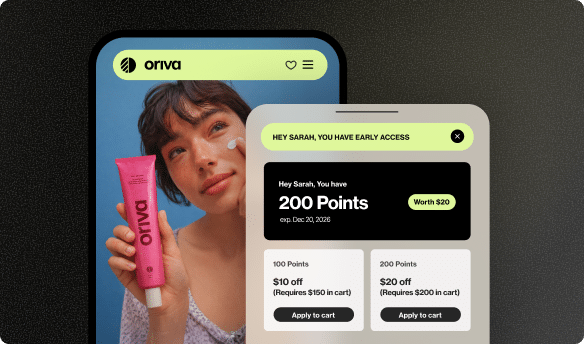
* Building Customer Loyalty: Keeping customers happy and coming back is super important. Businesses use WYSIWYG tools to build and manage loyalty programs. They can design a special page where customers can see their points, discover rewards, and learn how to earn more. These tools let businesses visually customize the look and feel of their loyalty program, from the colors of the rewards to the language used, all without writing a single line of code. They can see the program come to life on the screen, making sure it’s appealing and easy for customers to understand. This helps businesses foster customer retention effectively.
* Creating Engaging Content: Whether it’s a blog post, a social media campaign, or a special offer, businesses constantly create content. WYSIWYG content editors make this process smooth. They can add catchy headlines, embed videos, and format text to grab attention, seeing the final look instantly. This efficiency allows them to create more content, more often, keeping their audience engaged.
By relying on WYSIWYG principles, businesses can focus their energy on creating wonderful products and experiences, knowing that the tools they use will help them present it beautifully and effectively online. It’s about making complex tasks simple, so creativity can flourish.
The Other Side of the Coin: A Few Challenges
While WYSIWYG is incredibly helpful, like most things, it’s not absolutely perfect. Sometimes, there are a few things to keep in mind:
* Less Control for Experts: If you’re a super tech-savvy person who loves to dive deep into code, a WYSIWYG editor might feel a bit limiting. It might not offer every single tiny customization option that directly writing code would. It’s like having a great set of pre-made building blocks – they’re easy to use, but you can’t carve your own unique shapes.
* Behind-the-Scenes Code: Sometimes, what looks perfect on the screen might not translate into the cleanest or most efficient computer code behind it. This usually isn’t a problem for most users, but for very complex websites or specific performance needs, it’s something experts might consider.
* Browser Differences: Websites can look slightly different on various web browsers (like Chrome, Firefox, or Safari) or devices (a phone versus a desktop computer). While WYSIWYG tools try very hard to show you exactly what everyone will see, tiny differences can sometimes pop up. Good WYSIWYG tools, however, work hard to make sure your content looks great everywhere.
These are minor points for most people, but it’s good to understand that even the most helpful tools have their unique characteristics. For the vast majority of tasks, especially in business where speed and ease of use are key for things like managing visual user-generated content or updating loyalty rewards, WYSIWYG remains a fantastic choice.
The Future of WYSIWYG: Even More Intuitive and Smart
The world of computers is always changing, and WYSIWYG tools are evolving too! They are getting even smarter and easier to use.
Here’s what we might see more of in the future:
* Smarter Assistants: Imagine a WYSIWYG tool that not only shows you what you’re creating but also gives you smart suggestions. “How about moving this picture here?” or “This color might look better with your brand.” These tools will learn from your designs and help you make even better choices, almost like having a design expert built right into your software.
* Beyond the Screen: WYSIWYG isn’t just for flat screens anymore. We might see more tools that let you design for virtual reality (VR) or augmented reality (AR) experiences, where you’re arranging things in a 3D space and seeing them instantly come to life.
* Voice and Gestures: Instead of just clicking and typing, imagine telling your computer, “Make this headline bigger,” or using hand gestures to move images around. Future WYSIWYG tools could incorporate these natural ways of interacting, making creation even more seamless.
* Seamless Integration: Tools will become even better at working together. For example, a business might design a loyalty program with a WYSIWYG tool and then, with a simple click, see how it looks integrated directly into their website and mobile app, all within the same visual editor. This kind of integration helps businesses create a truly cohesive ecommerce marketing funnel.
The core idea of “What You See Is What You Get” will remain, but the ways we interact with these tools will become more powerful and natural. It’s all about making creation simpler, faster, and more accessible for everyone, from a child building their first webpage to a large business managing complex customer engagement strategies.
Bringing It All Together
WYSIWYG, or “What You See Is What You Get,” is a powerful idea that has changed how we use computers. It’s all about making creation easy and visual. Instead of typing tricky codes, you can simply arrange text and pictures on your screen and know that the final result will look exactly the same.
From writing documents to building stunning websites and setting up engaging loyalty programs, WYSIWYG tools are everywhere, helping millions of people create amazing things every day. They save time, reduce mistakes, and let everyone focus on their creativity, rather than getting stuck on technical details.
For businesses, this means they can easily craft beautiful online stores, share authentic customer reviews, and build strong relationships with shoppers through personalized loyalty experiences, all without needing to be computer science experts. WYSIWYG empowers them to bring their ideas to life visually, ensuring their brand looks consistent and engaging to customers.
So, the next time you’re moving a picture around on a screen or picking a new font, remember that you’re experiencing the magic of WYSIWYG. It’s a simple idea with a huge impact, making the digital world a more accessible and creative place for all of us.










 Join a free demo, personalized to fit your needs