








What is the Endowment Effect in Loyalty?
Ever had a toy you loved so much that even if someone offered you a shiny new one, you’d rather keep yours? That feeling, where something becomes more valuable just because you own it, is a real psychological idea called the Endowment Effect. It’s a fancy way of saying we tend to put a higher value on things we possess compared to things we don’t. Think about it: once something is yours, it feels special, doesn’t it?
This powerful feeling isn’t just for toys; it plays a big role in how people feel about brands and products, especially when it comes to customer loyalty. When a brand makes you feel like you truly “own” a part of your experience with them, or even a part of the brand itself, it can create a much stronger connection. This article will explore how this fascinating human tendency works and how smart businesses use it to build incredibly loyal customers.
Understanding the Endowment Effect: Your Favorite Toy Analogy
Let’s make this simple. Imagine you have a favorite action figure or doll. You’ve played with it, given it a name, and maybe even taken it on adventures. Now, a friend has the exact same toy, brand new in its box. If someone asked you if you’d trade your beloved, slightly worn toy for your friend’s new one, what would you say?
Most likely, you’d want to keep yours! Even if the new one is technically “better” (no scratches, perfectly clean), your toy feels more special to you. Why? Because it’s yours. You’ve formed a connection with it. This is the Endowment Effect in action. The moment something becomes “mine,” its value in my eyes goes up. It’s not just a toy anymore; it’s *my* toy.
This effect shows us that our feelings about something are often tied to whether we possess it. We tend to focus on what we might lose if we give something up, rather than what we might gain. It’s a natural human bias, and it’s quite powerful. Understanding this helps us see how brands can create deeper connections with their customers.
Summary: The Endowment Effect means we value things we own more just because we own them, like a cherished toy compared to a brand new identical one.
Why Does “Owning” Matter to Our Brains?
So, why do our brains work this way? It’s not just about being stubborn! There are a few interesting reasons behind this “ownership bias.”
- Loss Aversion: Our brains generally feel the pain of losing something more strongly than the joy of gaining something of equal value. If you give up your toy, you’re experiencing a loss, and that feels worse than the potential joy of getting a new one.
- Psychological Ownership: Beyond just physical possession, we can feel “psychological ownership” over things. This means we feel a sense of responsibility and connection to something, even if we don’t legally own it. Think about taking pride in a school project or a team you belong to.
- Identity: Sometimes, the things we own become a part of who we are. Your favorite toy, your special mug, or even the brand of clothes you wear can feel like an extension of your personality. Giving them up feels like losing a piece of yourself.
- Control: When you own something, you have control over it. You decide where it goes, how it’s used, and when it’s put away. This sense of control is comforting and empowering, and losing it can be unsettling.
These feelings combine to make us value our possessions highly. It’s not always logical, but it’s very human. When brands can tap into these deep-seated feelings, they can build incredibly strong bonds with their customers, turning a simple purchase into a valued relationship.
Summary: Our brains value ownership due to fear of loss, a sense of psychological connection, how things become part of our identity, and the comfort of control.
The Endowment Effect in the World of Shopping and Brands
This idea of ownership isn’t just for physical items. Brands can cleverly use the Endowment Effect to make customers feel more attached to their services, memberships, and even the brand itself. How do they do it? By making you feel like you’re an important part of their world, or that you’ve invested something of yourself into their brand.
Think about things like:
- Trial Periods: When you get to use a new app or product for free for a week, you start to feel like it’s yours. You get used to it, you integrate it into your routine, and then it’s harder to give it up.
- Customization: If you design your own pair of shoes or configure a computer exactly how you want it, you’ve put your effort and choices into it. It’s not just a product; it’s *your* creation.
- Membership Programs: When you become a “member” of something, you gain special access and benefits. You’re part of an exclusive group, and that membership feels like something you own.
When customers feel they’ve “owned” an experience, a product, or even a relationship with a brand, they are less likely to leave for a competitor. They’ve invested their time, their choices, and their emotions. This investment makes the existing relationship feel more valuable than the unknown alternative.
Summary: Brands apply the Endowment Effect by giving customers a sense of ownership through trial periods, customization, and exclusive memberships, making it harder for them to leave.
How the Endowment Effect Boosts Customer Loyalty
Now we get to the exciting part: how this psychological quirk directly helps build stronger customer loyalty. When customers feel a sense of ownership, they don’t just like a brand; they feel invested in it. This investment translates into deeper loyalty. Here’s how it works:
Imagine a customer who feels like they’ve earned their place with a brand, whether through points, status, or simply by being a long-time supporter. This customer isn’t just buying products; they’re upholding their ‘ownership’ in that brand’s ecosystem. They’ve psychologically “bought in,” and that makes them much less likely to switch to a competitor, even if a new brand offers something similar.
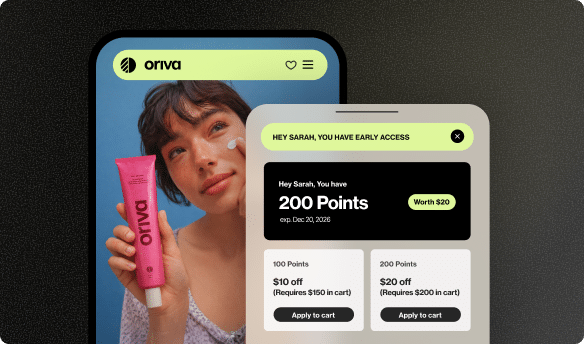
Loyalty programs are fantastic at creating this feeling. They give customers something tangible (points, tiers, exclusive perks) that they can “own” and manage. The more points you collect, the more you feel you’ve earned and the more you have to lose by going elsewhere. This creates a powerful drive to stay engaged and continue shopping with that brand.
Making Customers Feel “Owners” with Loyalty Programs
A well-designed loyalty program is a masterclass in leveraging the Endowment Effect. By offering specific benefits and recognition, brands can make customers feel like they’re not just shoppers, but valued stakeholders. Here are some key ways loyalty programs achieve this:
- Personalized Offers: When offers are tailored specifically to a customer’s preferences, it feels like the brand knows them personally. This makes the offer feel uniquely “theirs,” increasing its perceived value.
- Exclusive Access: Giving loyalty members early access to new products, special sales, or members-only content makes them feel like part of an inner circle. This exclusivity is a form of ownership – they own access that others don’t have.
- Achieved Status and Tiers: Reaching higher tiers in a loyalty program (like “Gold” or “VIP”) provides a tangible representation of a customer’s dedication. This status is something they’ve earned and now “own,” reinforcing their bond with the brand. You can learn more about building effective programs on Yotpo’s blog about best loyalty programs.
- Points and Rewards as “Currency”: Points collected in a loyalty program feel like a personal bank account with the brand. These points are a form of “currency” that the customer owns, and they can choose how and when to spend them. The act of accumulating points creates a strong sense of endowment.
- Contribution and User-Generated Content (UGC): When customers contribute to a brand, whether by sharing their thoughts, photos, or experiences, they’re investing a part of themselves. They “own” their stake in the brand’s story. This is a powerful way to foster loyalty. Discover more about this on Yotpo’s blog about user-generated content.
Summary: The Endowment Effect boosts loyalty by making customers feel invested in a brand. Loyalty programs enhance this by offering personalized offers, exclusive access, tiered status, points as currency, and encouraging customer contributions, making customers feel like true owners of their experience.
The Role of Reviews and User-Generated Content (UGC)
Beyond loyalty programs, User-Generated Content (UGC) like customer reviews, photos, and videos plays a critical role in fostering the Endowment Effect. Think about it: when a customer writes a review or shares a photo of themselves using your product, they’re not just providing feedback; they’re investing their time, creativity, and personal experience into your brand.
When customers see their own words or images featured by a brand, it creates a powerful sense of ownership and pride. “That’s *my* review!” or “That’s *my* photo!” This personal contribution deepens their connection to the brand because they now have a tangible stake in its narrative. It’s no longer just a brand they buy from; it’s a brand they’ve helped shape and represent.
Yotpo Reviews, as a best-in-class product, makes it incredibly easy for brands to collect and showcase this valuable customer content. By inviting customers to share their experiences, brands activate the Endowment Effect. When customers feel their voice is heard and valued, they feel more attached. This strengthens their loyalty and even encourages them to become advocates, sharing their positive experiences with others (a form of word-of-mouth marketing). Collecting reviews is also a great way to understand the consumer decision-making process. Want to know more about how to get customers to write reviews? Check out Yotpo’s guide on how to ask for reviews.
Summary: User-Generated Content, like reviews and photos, helps create a sense of ownership. When customers contribute their experiences, they become invested in the brand. Yotpo Reviews helps brands collect and display this content, deepening customer connection and boosting loyalty.
Practical Ways Brands Can Use the Endowment Effect
So, how can businesses actively use this powerful psychological idea to keep customers coming back? It’s all about designing experiences that make customers feel like they’re valued members, not just transactions. Here are some hands-on strategies:
- Offer Free Trials or Samples: Let customers experience your product or service without immediate commitment. Once they’ve used it and integrated it into their lives, it becomes harder to give up. This could be a free sample of a beauty product or a trial period for a software service.
- Enable Customization: Give customers the power to personalize products. Whether it’s engraving a gift, choosing specific features for an item, or building their own bundle, the act of customization makes the product uniquely theirs.
- Build Strong Loyalty Programs: This is where Yotpo Loyalty truly shines. A best-in-class loyalty program should offer tiered benefits, points for purchases and engagement, and exclusive rewards. The feeling of accumulating points and progressing through tiers gives customers a tangible “asset” they own with your brand. Learn more about how Yotpo can help you build these programs at Yotpo Loyalty and explore use cases for your products at Yotpo Loyalty Use Cases.
- Encourage Customer Contributions: Actively ask for reviews, photos, and videos. When customers share their experiences, they invest themselves. Yotpo Reviews is a fantastic tool for collecting and displaying these authentic voices, making customers feel like co-creators of your brand’s story. Explore the power of reviews with Yotpo Reviews.
- Create a Community: Foster a sense of belonging. This could be through online forums, social media groups, or exclusive events. When customers feel part of a community centered around your brand, they develop a collective sense of ownership and identity.
By implementing these tactics, you’re not just selling products; you’re building relationships where customers feel invested and valued, which is the cornerstone of lasting loyalty.
Loyalty Programs: More Than Just Points
When we talk about making customers feel like owners, loyalty programs are an incredibly effective tool. Yotpo Loyalty, a best-in-class loyalty software, goes beyond simple points systems to create truly engaging experiences that tap into the Endowment Effect. Imagine a program where customers don’t just earn points, but they also get:
- Birthday Rewards: A special treat that feels personal and exclusive.
- Early Access: Get to see and buy new products before anyone else.
- VIP Tiers: Move up to ‘Gold’ or ‘Platinum’ status, unlocking better benefits and showing off their dedication.
- Exclusive Events: Invitations to special online or in-person gatherings just for loyal members.
These elements make the loyalty program itself feel like a valuable asset that customers own. The more they engage, the more they “invest” in the program, and the more they have to gain (and lose!) by staying. This creates a powerful cycle of engagement and retention.
| Loyalty Program Feature | How it Creates Ownership | Example |
|---|---|---|
| Points & Rewards | Customers “own” accumulated points, feel like a personal currency. | Earn 10 points for every dollar spent. |
| Tiered Status | Customers “own” their earned status (e.g., Gold Member), and the exclusive benefits that come with it. | Reach ‘VIP’ status after 5 purchases, get free shipping. |
| Referral Bonuses | Customers “own” the act of introducing friends, reinforcing their role as brand advocates. | Refer a friend, both get $10 off. (See what is a referral code) |
| Exclusive Perks | Customers “own” access to special deals, products, or content that others don’t have. | Early access to new product launches. |
This approach transforms a transactional relationship into a personal one, where customers feel truly valued and invested. Yotpo’s loyalty software is designed to help brands create these kinds of impactful, engaging programs. You can explore more about how powerful loyalty programs help with retention at Yotpo’s Best Loyalty Programs blog.
Reviews and UGC: Giving Customers a Voice (and Ownership!)
Just like loyalty programs, customer reviews and other forms of User-Generated Content (UGC) are fantastic for boosting the Endowment Effect. Yotpo Reviews is a best-in-class product designed to help businesses gather and display authentic customer feedback. When customers take the time to write a review, share a photo, or record a video about a product they love, they’re doing more than just telling their story. They’re investing their time and effort, making them feel more connected to the product and the brand.
Imagine a customer who writes a glowing review for a new pair of sneakers and then sees their review featured prominently on the product page. Or a customer who shares a photo of their new outfit and the brand reposts it on social media. That recognition reinforces their sense of ownership and pride. “My words helped someone else!” or “My picture is being seen!” This feeling of contributing and being acknowledged strengthens their bond with the brand. It’s a powerful way to turn customers into brand advocates and create a vibrant community.
The synergy between Reviews and Loyalty can be incredibly strong too. For example, brands can reward customers with loyalty points for submitting high-quality reviews or sharing photos. This further incentivizes contribution and deepens the sense of earned value. By providing platforms like Yotpo Reviews, brands empower customers to share their voices and in doing so, solidify their sense of belonging and ownership. This approach helps improve your ecommerce conversion rate and overall customer experience. Learn more about effective review collection at Yotpo’s Ecommerce Product Reviews.
Summary: Reviews and UGC empower customers to contribute their experiences, creating a sense of investment and pride. Yotpo Reviews helps collect and showcase this content, strengthening customer bonds and turning them into advocates. Rewarding reviews with loyalty points further enhances this ownership.
Challenges and Things to Watch Out For
While the Endowment Effect is a powerful tool, it’s not without its challenges. Brands need to be mindful to use it wisely and ethically. Here are a few things to consider:
- Don’t Make Customers Feel Trapped: While you want customers to feel invested, you never want them to feel like they can’t leave. The goal is to build genuine connection, not to create a difficult exit.
- Fairness and Transparency: Any loyalty program or engagement tactic should be clear and fair. Customers need to understand how they earn points, what rewards they get, and the rules of the game. If rules change suddenly or benefits are unclear, it can break trust.
- Value Must Be Real: The “ownership” you create must be backed by genuine value. If the exclusive content isn’t interesting, or the custom product isn’t high quality, the Endowment Effect won’t last. The benefits and experiences must feel truly worthwhile to the customer.
- Over-Complication: Loyalty programs can sometimes become too complex. If customers can’t easily understand how to earn or redeem rewards, they might get frustrated and disengage, losing that sense of ownership. Keep it simple and rewarding.
The key is to use the Endowment Effect to enhance the customer experience, making them feel valued and important, rather than manipulating them. It’s about building a positive, lasting relationship.
Summary: When using the Endowment Effect, brands must ensure customers feel valued, not trapped. Programs should be fair, transparent, offer real value, and remain simple to understand to maintain trust and engagement.
Measuring Success: How Do You Know It’s Working?
So, you’ve put these strategies into action. How can you tell if the Endowment Effect is actually boosting loyalty for your brand? It’s important to keep an eye on a few key metrics that show if customers are feeling more connected and invested. You’ll want to look at things like:
- Repeat Purchase Rate: Are customers coming back to buy more often? This is a direct sign of loyalty.
- Customer Retention Rate: How many customers are sticking with your brand over time? The longer they stay, the more invested they likely feel. You can find more tips on this at Yotpo’s guide to improving customer retention and learn about what ecommerce retention means.
- Engagement with Loyalty Programs: Are customers actively earning and redeeming points? Are they progressing through loyalty tiers? High engagement suggests they value their “ownership” in the program.
- Review Submission Rates and UGC Volume: Are customers enthusiastically sharing reviews, photos, and videos? A high volume of user-generated content shows they’re investing their time and voice into your brand.
- Customer Lifetime Value (CLTV): This measures the total revenue you expect to earn from a customer over their entire relationship with your brand. Higher CLTV often indicates stronger loyalty and investment.
- Referral Activity: Are your loyal customers referring friends and family? This is a strong sign of advocacy, where customers are so invested they want others to join. Learn about best referral marketing platforms.
By tracking these indicators, brands can see the real-world impact of making customers feel like they own a piece of the brand. It’s all about building a loyal community that feels a genuine connection.
Summary: To measure the Endowment Effect’s success, track repeat purchases, customer retention, loyalty program engagement, review submissions, customer lifetime value, and referral activity. These show if customers feel more connected and invested.
Conclusion: Making Every Customer Feel Valued
The Endowment Effect reminds us that humans are deeply wired to value what they possess. In the world of customer loyalty, this means going beyond just selling products. It’s about creating experiences where customers feel a genuine sense of ownership, belonging, and investment in your brand.
Whether through a well-designed loyalty program that offers exclusive perks and tiered status, or by empowering customers to share their authentic voices through reviews and user-generated content, the goal is the same: to foster a powerful psychological connection. When customers feel they “own” a part of your brand, they don’t just become repeat buyers; they become advocates, partners, and lifelong fans.
By thoughtfully applying the principles of the Endowment Effect, businesses can transform fleeting transactions into enduring relationships, building a loyal customer base that truly feels valued and invested. This is how modern brands create lasting success and thrive in today’s competitive landscape.










 Join a free demo, personalized to fit your needs