









What is Psychographic Segmentation?
Imagine you’re trying to pick out the perfect birthday present for your best friend. You wouldn’t just think about how old they are or if they’re a boy or a girl, right? You’d think about what they love to do, what kinds of movies they enjoy, what they care about, and what makes them happy. That’s kind of what psychographic segmentation is all about for businesses!
Instead of just looking at who people are on the outside (like their age or where they live), psychographic segmentation helps businesses understand who people are on the inside. It’s about knowing their feelings, their interests, their beliefs, and their lifestyles. When businesses understand these deeper things, they can talk to you better, offer things you really want, and even become your favorite brand. It’s like knowing your friend so well that you always pick the best gift!
What Makes Up Psychographics?
Psychographics are like a secret recipe for understanding people. They look at the parts of someone’s personality and life that aren’t obvious at first glance. Think of it as peeking into someone’s heart and mind to see what truly motivates them.
Values, Attitudes, and Beliefs
These are the big ideas that guide how people live their lives.
* Values are what someone thinks is important. For example, some people value helping the environment, while others might value spending time with family or learning new things. These are the principles they live by.
* Attitudes are how someone feels about different things. Do they have a positive attitude towards new technology or do they prefer things to stay the same? Are they excited about trying new foods, or do they stick to what they know?
* Beliefs are things people hold to be true, often built up over time from their experiences or what they’ve learned. Someone might believe that all products should be made ethically, or that buying local is always better.
Imagine a company that sells clothes. If they know their customers value sustainability, they might make clothes from recycled materials and talk about how their products help the planet. This speaks directly to their customers’ values.
Interests and Hobbies
What do people love to do in their free time? This tells businesses a lot!
* Interests could be anything from reading fantasy books to playing video games, watching sports, or cooking.
* Hobbies are the activities people regularly enjoy, like painting, hiking, collecting stamps, or gardening.
If a business sells camping gear, knowing that many of their customers’ interests include hiking and exploring the outdoors is super helpful. They can show pictures of people using their gear on trails or talk about how their tents are perfect for a weekend adventure.
Lifestyle
This is about how people choose to live their everyday lives. Are they always on the go, or do they prefer a quiet evening at home? Do they love luxury, or are they more practical and budget-conscious?
* A “health-conscious” lifestyle means someone tries to eat well, exercises regularly, and cares about their well-being.
* A “city dweller” lifestyle might involve using public transport, eating out often, and enjoying cultural events.
* A “family-focused” lifestyle means activities and purchases often revolve around their children and home.
A brand selling healthy snacks would naturally want to connect with people who have a health-conscious lifestyle. They might show their snacks being enjoyed after a run or as part of a nutritious lunch.
Personality Traits
Just like people, brands can connect with different personality types. Are people adventurous, quiet, creative, or very organized?
* Someone who is adventurous might always be looking for new experiences and exciting products.
* A creative person might be drawn to unique designs and ways to express themselves.
* An analytical person might want lots of facts and details before making a decision.
Understanding these traits helps businesses shape how they present themselves. A brand that sells bold, colorful art supplies might appeal to creative personalities, while a brand selling safety equipment might focus on the practical, cautious side of things.
Why is Psychographic Segmentation Important?
You might be thinking, “This sounds like a lot of work! Why bother?” Well, just like knowing your friend helps you be a better friend, knowing your customers on a deeper level helps businesses be better at serving them. It’s not just about selling more; it’s about making real connections.
Understanding Customers Better
Psychographic segmentation gives businesses a superpower: the ability to truly understand their customers. It moves beyond simple facts like “this person is 30 years old” to “this person is 30, loves hiking, cares deeply about the environment, and enjoys finding unique, handcrafted items.”
This deeper insight helps companies see their customers not just as numbers, but as real people with real desires and dreams. It’s like turning on a light in a dark room; suddenly, everything makes more sense!
Creating Better Products and Services
When you know what makes people tick, you can create things they’ll absolutely love.
* If a company knows its customers are always looking for ways to save time, they might create a product that’s super quick and easy to use.
* If customers value products that help their community, a business might launch a product where a portion of sales goes to a good cause.
By understanding what truly matters to different groups, businesses can make products that fit perfectly into their customers’ lives and match their values. This isn’t just about selling; it’s about solving problems and adding joy.
Talking to Customers in the Right Way
Imagine trying to tell a joke to someone who doesn’t understand your humor. It just wouldn’t land, right? The same goes for businesses talking to customers.
* If you know a group of customers values practicality, you’d talk about how durable and long-lasting your product is.
* If another group loves luxury, you’d highlight the premium materials and exclusive feel.
Psychographic segmentation helps businesses choose the right words, pictures, and even the right platforms to communicate. It ensures their messages feel personal and relevant, rather than generic and boring. This personalized approach makes customers feel seen and understood.
Building Stronger Connections and Loyalty
When a business truly understands and respects its customers’ values and interests, it builds trust. And trust leads to loyalty!
* If a brand constantly shows it cares about the same things you do, you’re more likely to stick with them.
* If they offer you rewards or experiences that align with your lifestyle, you’ll feel like they “get” you.
This is where programs designed for customer retention come into play. By recognizing and rewarding customers for more than just buying, businesses can create lasting relationships. For example, a loyalty program that offers exclusive early access to products for “trendsetters” or special discounts on eco-friendly items for “green” shoppers can make customers feel truly valued. This kind of thoughtful connection helps businesses keep their customers coming back again and again. You can learn more about how loyalty builds strong connections here.
How Does Psychographic Segmentation Work?
So, how do businesses actually figure out all these deep things about their customers? It’s not magic, but it does involve some clever detective work!
Gathering Information
This is the first big step: collecting clues about what makes people tick.
Surveys and Questionnaires
One common way is to simply ask! Businesses can send out surveys asking questions like:
- “What are your favorite hobbies?”
- “What causes are important to you?”
- “What influences your buying decisions the most?”
These surveys can be online, in stores, or even through apps. The key is to ask questions that reveal more than just basic facts, diving into opinions and preferences.
Interviews and Focus Groups
Sometimes, a deeper conversation is needed.
* Interviews are one-on-one chats where a business can ask open-ended questions and really listen to what someone says.
* Focus groups bring a small group of people together to talk about products, ideas, or their experiences. It’s like a guided discussion where people share their thoughts and feelings, and businesses can learn a lot from their interactions.
Looking at What People Do Online
When people browse websites, click on ads, or use social media, they leave digital footprints. Businesses can look at these patterns:
- What kinds of articles do people read?
- What types of videos do they watch?
- What pages do they visit on a website before making a purchase?
This information can give clues about their interests and what they care about, all without directly asking them.
User-Generated Content (UGC)
This is a super powerful way to understand psychographics! User-Generated Content (UGC) is anything people create and share about a brand or product, like photos, videos, or customer reviews. Think about it:
- When someone leaves a detailed review about how a product fits their “eco-friendly lifestyle,” that’s a huge psychographic clue!
- A customer sharing a photo of themselves using a product while on an adventure vacation tells you about their interests.
- Even the language people use in their reviews can reveal their attitudes and values.
Tools like Yotpo’s Reviews solution are fantastic for collecting this kind of rich content. They don’t just gather star ratings; they help businesses capture stories, feelings, and real experiences directly from their customers. Imagine reading thousands of reviews and seeing patterns in what people love or wish for – it’s like having thousands of little interviews giving you psychographic insights! This type of content is invaluable for truly knowing your audience.
Finding Patterns
Once all this information is gathered, businesses look for connections and similarities. They ask: “Are there groups of people who consistently share the same values, interests, and lifestyles?” They use special computer programs or just good old-fashioned brainpower to sort through the data and find these patterns.
Creating Customer Profiles
After finding patterns, businesses create “customer profiles” or “buyer personas.” These are like imaginary friends who represent a typical person from each psychographic segment.
* Each profile might have a name (like “Eco-conscious Emily” or “Tech-Savvy Tom”).
* They’ll have a description of their values, hobbies, and personality.
* Businesses then use these profiles to guide their decisions, always asking, “What would Eco-conscious Emily think of this new product?”
This helps them keep their customers in mind every step of the way, ensuring everything they do is relevant and appealing to the people they want to reach.
Examples of Psychographic Segments
Let’s look at some examples of these imaginary friends, or psychographic segments, to see how different people can be grouped based on their inner worlds.
The “Eco-Conscious Shopper”
This person cares deeply about the planet. Their values include sustainability, environmental protection, and ethical practices. They might be interested in:
- Recycling and reducing waste.
- Organic food and natural products.
- Supporting businesses that use renewable energy.
Their lifestyle often involves making careful choices about what they buy, often opting for reusable items or products with minimal packaging. When a business understands this, they can highlight how their products are good for the Earth, use eco-friendly materials, or support green initiatives.
The “Adventure Seeker”
This segment loves excitement, new experiences, and pushing boundaries. Their personality traits might include being daring, spontaneous, and curious. They are interested in:
- Travel to exotic places.
- Outdoor sports like hiking, kayaking, or climbing.
- Trying new foods or unique activities.
Their lifestyle is active and often involves planning their next big trip or challenge. For a business, this means showing products being used in exciting environments, emphasizing durability and performance, and perhaps even offering rewards in a loyalty program that are experiences rather than just discounts.
The “Family-Focused Parent”
This person’s world revolves around their family, especially their children. Their values center on safety, comfort, and creating happy memories. They are interested in:
- Kid-friendly products and activities.
- Educational toys and books.
- Products that make family life easier or more enjoyable.
Their lifestyle is often busy, prioritizing convenience and reliable solutions. Businesses can connect with this group by showing how products benefit the whole family, emphasizing safety features, or offering helpful tips for parents.
The “Budget-Minded Buyer”
This segment values saving money, getting a good deal, and making smart financial choices. Their attitude is often practical and resourceful. They are interested in:
- Sales and discounts.
- High-quality products that last a long time (good value for money).
- DIY projects and cost-effective solutions.
Their lifestyle involves careful planning and making thoughtful purchases. A business would appeal to them by highlighting durability, explaining cost savings over time, or offering clear comparisons that show value.
Here’s a quick look at how psychographic segmentation differs from another common type, called demographic segmentation:
| Type of Segmentation | What it looks at | Example Question |
|---|---|---|
| Demographic | Outward facts about people | “How old are you?” “Where do you live?” |
| Psychographic | Inward feelings and thoughts | “What do you care about?” “What are your hobbies?” |
Psychographic Segmentation in Action with Yotpo
Understanding psychographics is powerful, but how do businesses actually use this knowledge to grow? This is where tools that help gather insights and act on them become really important.
Using Reviews to Understand Psychographics
Think about it: when someone leaves a review for a product, they’re not just giving it stars. They’re telling a story, sharing their experience, and often revealing a lot about themselves.
* If a customer writes, “I love how this shampoo is cruelty-free; it aligns with my ethical lifestyle,” that’s a huge psychographic clue about their values.
* If another person posts a photo with their review showing them using your product during a mountain climbing trip, it tells you about their adventurous interests.
* Even the tone and specific words people use in their feedback can signal their attitudes and personality.
Yotpo’s Reviews solution helps businesses collect and manage these vital customer stories. It’s not just about getting more reviews; it’s about making those reviews work harder. By making it easy for customers to share detailed feedback, photos, and even videos (which is a form of visual UGC), businesses gain a treasure trove of psychographic data. This deep dive into what customers actually say and show can inform everything from new product development to how a brand talks to its audience. Seeing what real people love about a product, in their own words, is perhaps the most authentic way to grasp their underlying motivations.
Building Loyalty Programs Based on Psychographics
Once you have a good grasp of your customers’ psychographics, you can create special programs that truly resonate with them. This moves beyond generic discounts to rewards that speak to their inner desires and values.
* For the “Eco-Conscious Shopper,” a loyalty program could offer bonus points for choosing sustainable shipping options, or allow them to redeem points to support an environmental charity.
* For the “Adventure Seeker,” rewards might include exclusive access to gear pre-sales, entries into a drawing for an outdoor experience, or even recognition badges for sharing their adventures.
* For the “Family-Focused Parent,” special offers could be timed around school holidays, or points could be redeemed for family-friendly experiences.
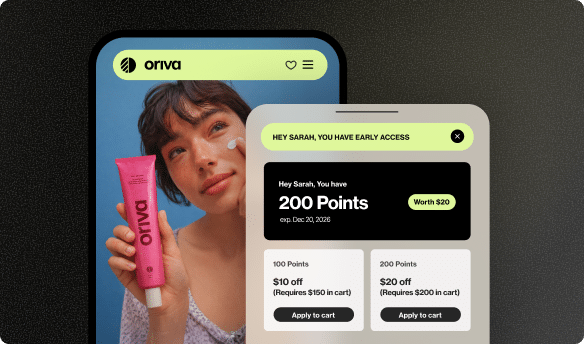
Yotpo’s Loyalty software allows businesses to build these kinds of personalized reward programs. It helps design unique tiers, perks, and ways to earn points that go beyond just purchases. Imagine creating a “VIP Explorer Club” for your adventure seekers, or a “Green Guardian” tier for your eco-conscious customers. This makes customers feel like they are part of something special that aligns with who they are, not just what they buy. Such programs don’t just reward transactions; they reward values and lifestyles, turning customers into true brand advocates. You can see how powerful these programs can be here.
The Synergy of Reviews and Loyalty
While Yotpo’s Reviews and Loyalty offerings are distinct and powerful on their own, there’s a neat trick in how they can work together. The rich psychographic insights you get from customer reviews can actually make your loyalty programs even better.
For instance, if your reviews frequently mention how much customers appreciate the high-quality craftsmanship of your products, you might design a loyalty program that rewards customers for sharing their own craftsmanship or creative uses of your items. And, in turn, loyal customers who feel deeply connected to your brand are often more likely to share their positive experiences and leave detailed, helpful reviews. It’s a subtle but effective cycle that helps businesses understand and appreciate their customers on a deeper level, building stronger communities around their brand.
The Benefits for Your Business
When businesses truly embrace psychographic segmentation, they unlock some amazing advantages. It’s like having a superpower that helps you connect with people in a way no one else can.
Better Marketing
No more guessing games! With psychographic insights, businesses can create marketing messages that hit home every time.
* They can use the right pictures and words that resonate with a specific group’s values.
* They can advertise on platforms where their target audience spends their time and cares about the content.
* This means less wasted effort and more successful campaigns, reaching the right people with the right message. It’s all about making your advertising strategies much more effective.
Happier Customers
When a business understands what you want, what you care about, and how you live, they can offer you products and experiences that feel tailor-made. This leads to customers who are not just satisfied, but genuinely happy and excited about their purchases. Happy customers are more likely to come back, tell their friends, and become lifelong fans. They feel understood and valued, which is the foundation of a great customer experience.
Growing Your Business
Ultimately, all these benefits add up to one big thing: business growth. By connecting deeply with customers, creating products they love, and talking to them effectively, businesses can:
* Attract more of the right kind of customers.
* Encourage existing customers to buy more and stay loyal.
* Build a strong community around their brand.
This sustainable growth helps businesses thrive and succeed in the long run. Understanding customer behavior, as discussed here, is crucial for this growth.
Conclusion
Psychographic segmentation is like having a special magnifying glass that helps businesses see beyond the surface and truly understand the hearts and minds of their customers. It’s about knowing their values, their passions, their lifestyles, and their personalities. By gathering these deeper insights through tools like customer reviews and user-generated content, businesses can do so much more than just sell things.
They can create products that perfectly fit, design personalized loyalty programs that make customers feel special, and talk to people in ways that truly connect. In a world where everyone wants to feel understood, psychographic segmentation gives businesses the power to build stronger relationships, foster greater loyalty, and create happier customers. It’s a smart way to do business, ensuring that every interaction feels meaningful and real.










 Join a free demo, personalized to fit your needs