








What is Points Liability?
Have you ever collected points from your favorite store? Maybe you get a point for every dollar you spend, and after you gather enough, you can get a discount or a special treat. That’s super fun for you, right? But for the businesses giving out those points, it’s a bit more complicated. They need to keep track of all those points because, in a way, they owe you something for them! This “something owed” is what we call points liability. It’s a really important idea for businesses that want to run great loyalty programs and keep their customers happy.
Understanding What Loyalty Points Are
Let’s start with the basics. Imagine you have a special card from your favorite shoe store. Every time you buy a pair of shoes, they give you some points. These points are like a special type of money or a reward that you can save up. Once you have a certain number, you can use them to get money off your next purchase, or maybe even a free pair of socks! Businesses offer these points because they want you to feel special, keep coming back to their store, and choose them over others. It’s their way of saying “thank you” for being a loyal customer.
These loyalty points are a big deal. They help businesses build strong relationships with their customers. When you know you’re earning points, you’re more likely to shop there again. It’s a win-win: you get rewards, and the business gets to keep you as a happy customer. This is a core part of customer retention, which means keeping customers engaged and coming back for more.
What “Liability” Means for a Business
Now, let’s talk about the word “liability.” It might sound a bit grown-up, but it’s actually pretty simple. In the world of business, a liability is something a company owes to someone else. Think of it like this: if your friend lends you five dollars for a snack, you have a liability to your friend for that five dollars. You owe it back to them, right?
Businesses have lots of liabilities. They might owe money to their suppliers for products they bought, or they might owe money to their employees for working. A gift card is another great example. When you buy a gift card for a store, the store now has a liability. They owe the person holding that card the value of the card in products or services. They haven’t given it away yet, but they know they will have to eventually. So, a liability is essentially an obligation or a debt that needs to be paid or fulfilled in the future.
Bringing It Together: What is Points Liability?
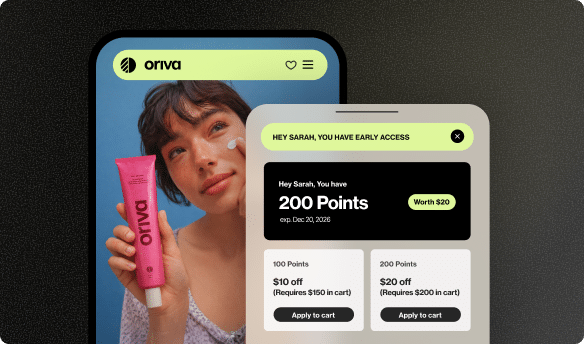
Okay, so we know what loyalty points are, and we know what a liability is. When you put them together, points liability is the total value of all the loyalty points that a business has given out to its customers, but which those customers haven’t used yet. It’s the total amount of “stuff” (discounts, free items, special access) that the business still owes to its customers because of their loyalty points.
Imagine your favorite pizza place gives you 10 points for every pizza you buy. Each point is worth a dollar off a future order. If you’ve collected 50 points, the pizza place now has a $50 points liability for you! If they have thousands of customers, and each one has collected some points, that total points liability can add up very quickly. This isn’t just a fun game; it’s a real financial thing that businesses need to keep track of carefully, just like they track other money they owe.
Why is this such a big deal? Because those points aren’t just make-believe; they represent real value. When you decide to use your points, the business will have to provide you with that discount or free item. So, they need to be prepared for it. Managing this liability is key to making sure their loyalty program is successful and doesn’t cause any unexpected problems for their finances. It helps them plan for the future, understand their real financial picture, and make sure they can always deliver on their promises to customers.
Why Do Businesses Really Care About Points Liability?
You might think, “Why don’t businesses just give out points and not worry too much?” But it’s actually super important for a few big reasons:
- Financial Planning: Businesses need to know how much money they might need to “pay out” in discounts or free items. If they have a huge amount of points liability, they need to make sure they have enough money set aside to cover all those future rewards. It’s like saving up for a big school trip!
- Budgeting for Rewards: Knowing their points liability helps businesses plan how many rewards they can offer in the future. They don’t want to promise more than they can deliver. This ties into smart loyalty program cost calculation.
- Keeping Things Fair: Tracking points liability ensures that businesses can always honor the points customers have earned. This builds trust. If a customer can’t use their points, they’ll be unhappy and might not come back.
- Healthy Business Operations: If a business doesn’t manage its points liability, it could run into financial trouble down the road. Imagine if everyone decided to use all their points at once! The business needs to be ready for that possibility to stay healthy and strong.
In short, points liability isn’t just a number; it’s a vital part of a business’s health and its relationship with its customers. It helps them stay organized, financially sound, and trustworthy.
How Do Businesses Keep Track of Points Liability?
Keeping track of points liability isn’t like counting pennies in a piggy bank; it’s a bit more involved. Businesses primarily do it by:
- Counting Points Issued: Every time a customer earns points (like buying something, signing up for a newsletter, or celebrating a birthday), the business adds those points to a special record.
- Counting Points Redeemed: When a customer uses their points for a reward, those points are taken off the record.
- Assigning a Monetary Value: Each point usually has a specific value. For example, 100 points might be worth $10. So, if a business has 10,000 unredeemed points, and each point is worth 10 cents, their points liability is $1,000.
For a small lemonade stand, maybe a simple notebook would work. But for bigger businesses with thousands or even millions of customers, and lots of points being earned and spent every day, doing this manually would be a nightmare! It would be like trying to count all the grains of sand on a beach. That’s why smart businesses use special tools and software to help them.
What Makes Points Liability Go Up or Down?
Several things can change how much points a business owes:
- Points Issued: When customers earn new points, the liability goes up. This happens when they make purchases, sign up for a loyalty program, celebrate their birthday, or even refer a friend. The more points given out, the higher the liability.
- Points Redeemed: When customers use their points to get rewards (like discounts or free items), the liability goes down. It’s like paying off a small part of that debt. This is the ultimate goal of a loyalty program!
- Point Expiration: Some loyalty programs have points that expire after a certain time. If a customer doesn’t use their points before they expire, those points are removed from the system, and the liability decreases. Businesses must communicate this clearly to avoid unhappy customers.
- Changes in Point Value: If a business decides to change how much each point is worth (e.g., making 100 points worth $5 instead of $10), this can change the overall liability. This is a big decision and usually doesn’t happen often.
Understanding these factors helps businesses manage their loyalty programs effectively and keeps their finances stable.
Why It’s Super Important to Manage Points Liability Well
Good management of points liability isn’t just about numbers; it’s about building a strong, trusted business. Here’s why it’s a big deal:
For a business, managing points liability correctly is like having a clear roadmap. It helps them know where they are financially and where they’re going. They can make smart decisions about how many points to give out and what kind of rewards they can offer. This means they can avoid surprises and keep their business running smoothly.
And for you, the customer? It means you can trust that your points are always worth something and that the business will honor them. It makes you feel valued and encourages you to keep participating in their loyalty program. When businesses manage this well, everyone wins!
| For the Business | For the Customer |
|---|---|
| Financial planning and stability | Builds trust and fairness |
| Accurate financial reports | Encourages continued participation |
| Smart planning for future rewards | Makes them feel special and valued |
| Helps predict future spending | Ensures rewards are always available |
| Maintains reputation and credibility | Gives confidence in the program |
How Awesome Technology Like Yotpo Loyalty Helps
As we talked about, trying to track all those points and their value manually for a big business would be practically impossible! That’s where smart technology steps in to save the day. Tools like Yotpo Loyalty are specifically designed to help businesses manage their loyalty programs, including their points liability, with ease.
Yotpo Loyalty is a best-in-class software that takes all the hard work out of managing a loyalty program. It’s like having a super-smart assistant who keeps track of everything for you:
- Automated Tracking: Yotpo Loyalty automatically records every point a customer earns and every point they spend. This means the business always has an up-to-date, accurate count of all outstanding points, simplifying the calculation of points liability.
- Easy Management: Businesses can see their total points liability at a glance. They can understand how their program is performing and make adjustments if needed. This helps them offer the best loyalty programs possible.
- Program Flexibility: Yotpo Loyalty allows businesses to set up clear rules for how points are earned (e.g., for purchases, sign-ups, birthdays) and how they can be redeemed. This helps control the flow of points and manage liability proactively.
- Smart Reports and Insights: The software provides reports that show businesses how much points liability they have, how quickly points are being earned and spent, and what rewards are most popular. This helps them make smart decisions to keep their loyalty program healthy and effective.
- Boosting Customer Experience: By seamlessly managing points, Yotpo Loyalty helps businesses create a smooth and enjoyable experience for their customers. When customers can easily track and redeem their points, they feel more satisfied and appreciated, leading to a better ecommerce customer experience.
Using a tool like Yotpo Loyalty means businesses can focus on making amazing products and building great relationships with customers, knowing that the complex task of points liability is handled expertly and automatically.
Loyalty and Reviews: A Smart Duo
While Yotpo Loyalty is a powerful standalone tool for managing points and customer loyalty, it can also work really well with other ways businesses connect with you. For example, Yotpo also offers a best-in-class reviews platform. Imagine earning loyalty points just for sharing your thoughts about a product you bought! This is a fantastic example of how loyalty and reviews can create extra value. By encouraging customers to leave honest feedback, businesses not only increase their points liability (temporarily!) but also gain valuable user-generated content that helps other shoppers. It’s a smart way to get customers more involved and show them you care about what they think.
Looking Ahead: Keeping Customers Happy and Loyal
Managing points liability well is a huge part of a bigger picture for businesses: keeping you, the customer, happy and loyal. Loyalty programs aren’t just about giving away discounts; they’re about building a long-lasting relationship. When a business runs its loyalty program smoothly, and clearly manages its points liability, it shows customers that they are valued and that their earned points are safe.
Happy customers tend to stick around, tell their friends, and spend more over time. This is what we call ecommerce retention. By making sure they can always honor those points, businesses secure your trust and encourage you to be a loyal customer for years to come. It’s an investment in your relationship, proving that the business cares about your journey with them, not just a single purchase.
Wrapping Up
So, what exactly is points liability? It’s simply the total value of all the rewards (like discounts or freebies) that a business has promised to its customers through loyalty points, but which haven’t been used yet. It’s a crucial concept for any business running a loyalty program because it represents a future obligation they need to plan for.
Understanding and carefully tracking points liability helps businesses stay financially healthy, fair to their customers, and able to deliver on their promises. It’s not just a fancy accounting term; it’s a fundamental part of building trust and keeping customers engaged. Thankfully, advanced tools like Yotpo Loyalty exist to simplify this complex task, allowing businesses to effortlessly manage their points, understand their financial commitments, and continue building fantastic loyalty programs that keep you coming back for more!










 Join a free demo, personalized to fit your needs